Table of Contents >> Show >> Hide
- What Is Spinal Stenosis, Exactly?
- Common Symptoms of Spinal Stenosis
- How Spinal Stenosis Is Diagnosed
- First-Line Treatment: Exercise and Physical Therapy
- Other Nonsurgical Treatments for Spinal Stenosis
- When Is Surgery for Spinal Stenosis the Right Choice?
- Types of Surgery Used to Treat Spinal Stenosis
- Recovery After Spinal Stenosis Treatment
- Can Spinal Stenosis Be Cured?
- Practical Tips for Living Better With Spinal Stenosis
- Experiences Related to Treating Spinal Stenosis: What People Often Go Through
- Conclusion
Spinal stenosis sounds like one of those phrases doctors say while pointing at an MRI and nodding thoughtfully. In plain English, it means the spaces in the spine have narrowed enough to crowd the nerves or spinal cord. That crowding can lead to pain, numbness, tingling, weakness, balance problems, and a walking tolerance that shrinks faster than your patience in a grocery store checkout line.
The good news is that treatment for spinal stenosis is not a one-size-fits-all drama. Many people improve with exercise, physical therapy, activity changes, and medications. Others need injections for temporary relief. And for some, especially when walking becomes severely limited or the spinal cord is being compressed, surgery can make a meaningful difference. The trick is matching the treatment to the type of stenosis, the severity of symptoms, and the impact on daily life.
This guide breaks down what spinal stenosis is, which treatments actually matter, how exercise fits into the plan, when surgery enters the chat, and what real-life recovery often looks like.
What Is Spinal Stenosis, Exactly?
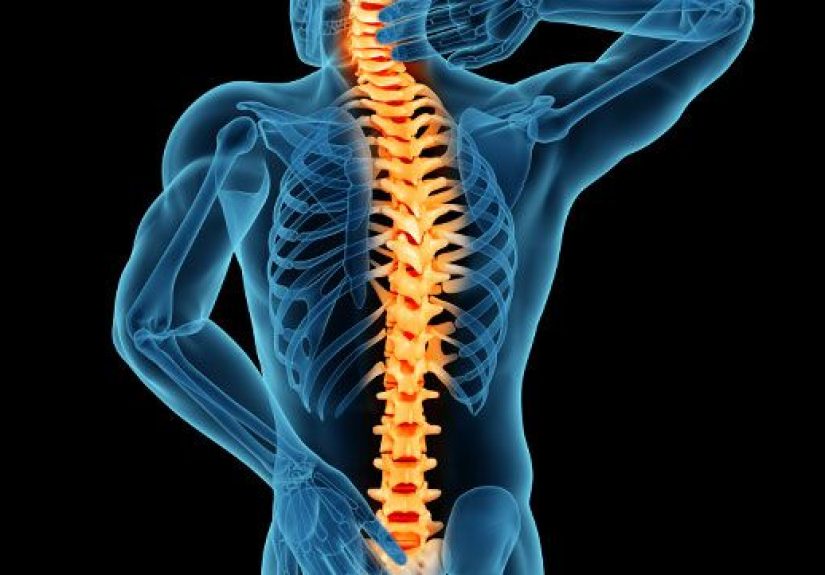
Spinal stenosis happens when the spaces inside the spine narrow and put pressure on nerves or the spinal cord. It most often affects the lumbar spine in the lower back and the cervical spine in the neck. Age-related wear and tear is the most common reason, but it can also be linked to thickened ligaments, herniated discs, bone spurs, arthritis, scoliosis, spondylolisthesis, prior injury, or a congenitally narrow spinal canal.
In the lower back, spinal stenosis often causes neurogenic claudication, a fancy term for leg pain, heaviness, cramping, or weakness that shows up with standing or walking and eases when you sit down or bend forward. That is why some people can walk farther while leaning on a shopping cart than they can while standing upright. Not glamorous, but oddly informative.
In the neck, stenosis can compress the spinal cord and cause cervical myelopathy. That may lead to neck pain, hand clumsiness, trouble with buttons or handwriting, balance issues, and walking problems. This version deserves extra attention because spinal cord compression is a bigger deal than a grumpy lower back.
Common Symptoms of Spinal Stenosis
Lumbar spinal stenosis symptoms
- Low back pain
- Burning or aching pain in the buttocks or legs
- Numbness, tingling, or cramping in the legs or feet
- Leg weakness or fatigue with walking
- Symptoms that improve when sitting or leaning forward
Cervical spinal stenosis symptoms
- Neck pain or stiffness
- Numbness or tingling in the arms or hands
- Weakness in a hand, arm, or fingers
- Loss of balance or trouble walking
- Fine motor problems, such as dropping objects or struggling with buttons
Emergency warning signs
Call for urgent medical care if spinal stenosis causes loss of bowel or bladder control, severe or increasing numbness around the inner thighs or groin, or severe weakness that makes walking difficult. Those symptoms can signal serious nerve compression and should not be treated like a “let’s see how it feels tomorrow” situation.
How Spinal Stenosis Is Diagnosed
Doctors usually diagnose spinal stenosis with a mix of medical history, a physical exam, and imaging. They want to know where the pain travels, whether standing or walking makes it worse, whether bending forward helps, and whether you have weakness, numbness, balance trouble, or bowel or bladder changes.
MRI is often the most useful imaging test because it shows the spinal canal, nerves, discs, and ligaments. X-rays can reveal bone spurs or slippage of vertebrae, while CT scans may help show bony anatomy in more detail. In selected cases, doctors may also use nerve testing or other studies to sort out whether the symptoms are coming from the spine or from something else, such as peripheral neuropathy or hip disease.
First-Line Treatment: Exercise and Physical Therapy
For many people with mild to moderate spinal stenosis, exercise and physical therapy are the foundation of treatment. This is not because doctors enjoy assigning homework. It is because movement can improve strength, flexibility, endurance, posture, and the mechanics of everyday activities. A strong, mobile body tends to support the spine better and tolerate symptoms more effectively.
What physical therapy can help with
- Strengthening the abdominal, back, and leg muscles
- Improving flexibility and range of motion
- Teaching safer ways to stand, walk, lift, and change positions
- Building walking tolerance and overall endurance
- Improving balance, especially for cervical stenosis or older adults
In lumbar stenosis, people often do better with exercises that reduce extension stress on the lower back and improve trunk and hip strength. A physical therapist may also work on posture, gait, and movement strategies that help you stay active without constantly aggravating symptoms. For cervical stenosis, the focus may shift toward balance, posture, coordination, and protecting the spinal cord from further irritation.
Which exercises are often useful?
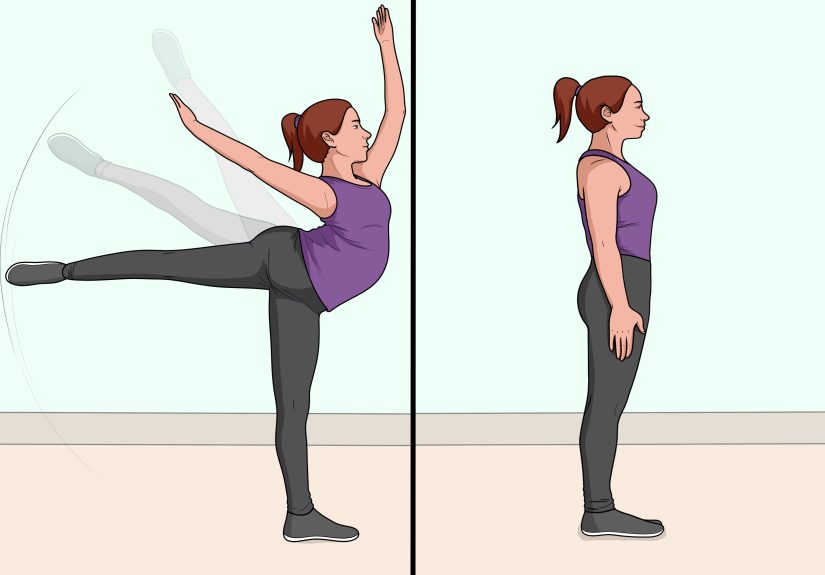
A spinal stenosis exercise program varies by person, but it commonly includes a mix of gentle stretching, core strengthening, walking or cycling, and functional movement training. Walking, swimming, and stationary cycling are often well-tolerated because they help build endurance without the pounding of high-impact exercise. If walking triggers symptoms quickly, breaking it into shorter sessions may work better than trying to “power through” one long miserable march.
The goal is not to win a gold medal in pretending nothing hurts. The goal is to improve function. A good exercise program should leave you feeling worked, not wrecked.
What to avoid
There is no universal forbidden list, but repeated high-impact activities, heavy lifting with poor form, and movements that clearly worsen symptoms deserve caution. More importantly, avoid self-prescribing random internet hero workouts. Spinal stenosis is one of those conditions where “no pain, no gain” is often terrible advice.
Other Nonsurgical Treatments for Spinal Stenosis
Exercise is a star player, but it often works best as part of a larger nonsurgical plan.
1. Activity modification
Sometimes treatment begins with simple adjustments: shorter walking intervals, sitting breaks, avoiding positions that flare symptoms, improving posture, or using a walker or cane if it increases comfort and safety. These changes are not “giving in.” They are strategic moves that let you stay active while protecting your nerves.
2. Heat, ice, and massage
These tools can help reduce muscle tension and make symptoms more manageable, especially during flare-ups. They do not widen the spinal canal, but they may improve comfort enough to help you move better.
3. Medications
Doctors may recommend NSAIDs for pain and inflammation, acetaminophen for pain relief, or other medications for nerve pain or muscle spasm in selected cases. Medication can be useful, but it is usually a helper, not the entire game plan. Long-term use of certain pain medicines and muscle relaxers can bring side effects, so they need to be used thoughtfully.
4. Bracing
Some people benefit from a back brace for short-term support during certain activities. Bracing is usually a tool, not a lifestyle identity.
5. Epidural steroid injections
Epidural steroid injections may reduce inflammation and provide temporary symptom relief, especially when nerve irritation is contributing to leg pain. However, their benefit can be modest, and they do not work equally well for everyone. They are best viewed as a bridge, not a miracle. If an injection helps enough for you to walk, sleep, and participate in therapy, that can still be a meaningful win.
6. Complementary approaches
For chronic low back pain, evidence suggests that approaches such as acupuncture, mindfulness-based stress reduction, tai chi, yoga, spinal manipulation, and biofeedback may help some people. That does not mean every alternative therapy is magic or that every body will respond the same way. It does mean there is room for carefully chosen nondrug options within a broader treatment plan.
When Is Surgery for Spinal Stenosis the Right Choice?
Surgery is usually considered when symptoms remain disabling despite a serious trial of conservative treatment, or when there is progressive neurological loss. That may include worsening weakness, major walking limitation, repeated falls, severe nerve pain, or spinal cord compression in the neck.
For lumbar spinal stenosis, surgery is often the last resort unless there is an emergency. For cervical myelopathy, the threshold is lower because ongoing spinal cord compression can lead to worsening balance, coordination, and hand function. In plain terms, a grumpy nerve root can sometimes be watched; an unhappy spinal cord gets less patience.
Signs surgery may be appropriate
- Persistent pain or walking limitation after conservative care
- Progressive weakness, numbness, or functional decline
- Cervical myelopathy with balance or hand-function problems
- Spinal instability, such as spondylolisthesis in selected cases
- Emergency symptoms such as bowel or bladder dysfunction
Types of Surgery Used to Treat Spinal Stenosis
Laminectomy
This is the most common operation for spinal stenosis. It removes part of the vertebra called the lamina, along with thickened ligament or bone spurs when needed, to create more room for nerves.
Laminotomy
A laminotomy is a more limited version of a laminectomy, removing only part of the lamina. It may be used in selected cases when a smaller decompression is enough.
Foraminotomy
This procedure enlarges the opening where a nerve root exits the spine. It is often used when foraminal stenosis is a key part of the problem.
Laminoplasty
Often used in the cervical spine, laminoplasty creates more space for the spinal cord while preserving some of the bony structures instead of fully removing them.
Discectomy
If a bulging or herniated disc is also compressing a nerve, part of that disc may be removed during decompression surgery.
Spinal fusion
Fusion may be added when the spine is unstable or when slippage of one vertebra over another is contributing to the stenosis. It can provide stability, but it also makes the surgery more involved. This is why surgeons do not hand out fusions like party favors.
Minimally invasive options
Some patients may be candidates for minimally invasive decompression procedures or interspinous process spacers. These options aim to reduce tissue disruption and recovery time in carefully selected cases, but they are not appropriate for everyone. The best procedure depends on anatomy, symptom pattern, stability, age, and overall health.
Recovery After Spinal Stenosis Treatment
Recovery varies widely. People who improve with exercise may notice slow but steady gains in walking tolerance, flexibility, and daily function over weeks to months. Recovery after injections is more about how much temporary relief you get and whether you can use that window to move better and build strength.
After surgery, some people experience quick relief of leg symptoms, while numbness or weakness may take longer to improve. Recovery often depends on how long the nerves were compressed before surgery, the exact procedure performed, age, and other health factors. Even when surgery goes well, physical therapy and gradual conditioning usually remain part of the plan.
That is a key point many people miss: surgery can create space, but recovery still needs movement, patience, and a realistic game plan.
Can Spinal Stenosis Be Cured?
For most degenerative spinal stenosis, there is no true cure in the sense of turning the clock back to a twenty-year-old spine. But symptoms can absolutely be managed, function can improve, and quality of life can get much better. Some people do well for years with conservative care. Others need surgery and are glad they had it. The right question is often not “Can this vanish forever?” but “How can I move, sleep, walk, and live better?”
Practical Tips for Living Better With Spinal Stenosis
- Stay as active as your symptoms safely allow
- Use structured physical therapy instead of random exercise experiments
- Maintain a healthy weight to reduce stress on the spine
- Take walking breaks before symptoms become overwhelming
- Use supportive footwear and safe body mechanics
- Talk to a specialist if symptoms are progressing, not just annoying
- Do not ignore balance problems, hand clumsiness, or bowel and bladder changes
Experiences Related to Treating Spinal Stenosis: What People Often Go Through
One of the most frustrating parts of spinal stenosis is that it rarely announces itself with clean, dramatic logic. Instead, it often creeps in. A person may first notice that walking through a warehouse store suddenly feels like preparing for an expedition. Another may find that standing in the kitchen to cook dinner becomes harder than the actual cooking. Some describe a deep ache in the lower back paired with leg heaviness, while others talk about tingling, cramping, or the strange need to lean forward on counters, carts, or railings just to get relief.
People trying exercise-based treatment often describe a mix of skepticism and relief. At first, physical therapy can seem almost too simple. You show up with pain, and someone asks you to work on posture, core control, hip strength, gait, and flexibility. It can feel underwhelming until daily life starts improving in small but meaningful ways. Walking a little farther. Getting out of a chair with less effort. Sleeping with fewer flare-ups. Real progress in spinal stenosis is often measured in ordinary victories, not cinematic moments.
Those who receive injections frequently report a different experience. Some feel enough relief to restart walking or therapy with confidence. Others get only a brief window of improvement and realize the injection is more of a tool than a solution. That can be disappointing, but it also helps clarify the next step. Temporary relief can still be useful if it helps someone strengthen, move, and decide whether surgery is worth considering.
People who eventually choose surgery often say the decision is less about pain alone and more about losing pieces of normal life. They stop taking neighborhood walks. They avoid stairs. They sit down to brush their teeth because standing is exhausting. In cervical stenosis, the tipping point may be dropping objects, feeling off balance, or noticing that buttons and zippers have become weirdly difficult enemies. By the time many patients meet with a surgeon, they are not looking for perfection. They are looking for function.
After surgery, experiences vary. Some people feel leg symptoms improve quickly and wonder why they waited so long. Others recover more slowly and need time to rebuild confidence, stamina, and strength. A common theme is that surgery is not the end of treatment; it is often the start of the next phase. Walking programs, physical therapy, and smart pacing still matter. People who do well long term often learn how to balance activity and recovery without swinging wildly between doing too much and doing nothing.
Emotionally, spinal stenosis can be surprisingly draining. Chronic symptoms chip away at independence. People may feel older than they are, even if they are still technically young enough to argue with their streaming subscriptions. The treatments that help most are often the ones that restore not just pain control, but trust in the body again. Being able to walk the dog, shop without panic, stand through a concert, or use your hands confidently can feel enormous. That is why good spinal stenosis treatment is not only about anatomy. It is about getting your life back in workable pieces, then steadily enlarging those pieces over time.
Conclusion
Treating spinal stenosis usually starts with the least invasive options and builds from there. Exercise, physical therapy, and smart activity changes are often the backbone of care, especially for mild to moderate symptoms. Medications, heat or ice, and injections may help manage pain and improve participation in rehab. Surgery becomes more important when symptoms are severe, conservative treatment fails, or the spinal cord or nerves are under serious pressure.
The most effective treatment plan is the one that matches the problem in front of you, not the one that sounded best in a headline. Lumbar stenosis, cervical stenosis, nerve root compression, spinal cord compression, and spinal instability do not all behave the same way, so they should not all be treated the same way either. With the right evaluation and a realistic plan, many people can improve mobility, reduce pain, and return to the activities that make life feel normal again.