Table of Contents >> Show >> Hide
- What “Battersea” Means (And Why This Lamp Has Rock-Album Energy)
- The Toscot Signature: Handmade Tuscan Ceramic That Doesn’t Try Too Hard
- So What Is the “Suspension Spring” Version, Exactly?
- Design Details That Make Battersea Feel “Collected,” Not “Random”
- Where It Works Best: Room-by-Room Styling (With Real Measurements)
- Color, Finish, and Cable Choices: The Part Where You Get to Be Picky (In a Good Way)
- Bulb Strategy: E27 vs GU10, Warmth, and the “Don’t Blind Your Guests” Rule
- Installation and Safety: The Unsexy Part That Keeps Things From Getting Weird
- Maintenance: Keeping Ceramic Beautiful Without Babying It
- How to Build a “Battersea Moment” Without Going Full Steampunk
- Buying Checklist: Five Minutes Now Saves You Five Hours Later
- Conclusion: A Pendant That Feels Like It Belongs in Your Home (Not Just Your Cart)
- Experiences Related to “Toscot Lamp Suspension Spring Battersea” (500+ Words)
- 1) The kitchen island that finally stopped feeling “unfinished”
- 2) The dining table upgrade that didn’t require buying a new dining table
- 3) The entryway where guests start asking, “Where did you get that?”
- 4) The “cluster moment” over a stairwell that looks expensive (because it kind of is)
- 5) The “quiet luxury” version: oyster finish, soft light, zero drama
Some lights are just… lights. They show up, do their job, and never make eye contact.
The Toscot Battersea suspension with spring is not that kind of fixture.
It’s the kind of pendant that looks like it has a backstory, a passport stamp collection,
and a strong opinion about poorly hung pendant lights.
If you’ve landed on the phrase “Toscot Lamp Suspension Spring Battersea”, you’re probably chasing
a very specific vibe: industrial nostalgia (think old electrical hardware) blended with
Tuscan craft (think hand-finished ceramic/terracotta). This article breaks down what the
Battersea “spring” suspension is, what makes it special, where it works best, and how to install and style it
without accidentally creating a haunted submarine aesthetic.
What “Battersea” Means (And Why This Lamp Has Rock-Album Energy)
Toscot’s Battersea collection is inspired by the look of historic electrical insulatorsthe ceramic
components that once helped keep power lines and equipment from turning into sizzling modern art.
The name nods to Battersea Power Station in London, a landmark tied to the electricity-era imagery the collection is riffing on.
Yes, the one that’s famously associated with the “Animals” album cover by Pink Floydmeaning your pendant light is now
technically adjacent to classic rock lore. You’re welcome.
The result is a form that feels vintage without being costume-y: clean, conical, slightly mechanical,
and intentionally tactilelike you can almost hear a faint “click” when you look at it (even though it’s silent,
unless you’ve bought a haunted one, in which case… good luck).
The Toscot Signature: Handmade Tuscan Ceramic That Doesn’t Try Too Hard
Toscot is known for lighting that blends handcrafted clay traditions with contemporary silhouettes.
In Battersea, that means ceramic/terracotta shades with a sturdy, grounded feelsomething you can pair with sleek modern kitchens
or rough-hewn farmhouse dining tables without the lamp looking like it’s in the wrong group chat.
In practical terms, ceramic brings three design benefits:
- Visual weight: It looks substantial (even when the fixture isn’t physically massive).
- Texture and depth: Matte and glazed finishes read as “real material,” not “paint pretending.”
- Warmth: Ceramic softens industrial inspiration so the room still feels livable, not like a museum exhibit.
So What Is the “Suspension Spring” Version, Exactly?
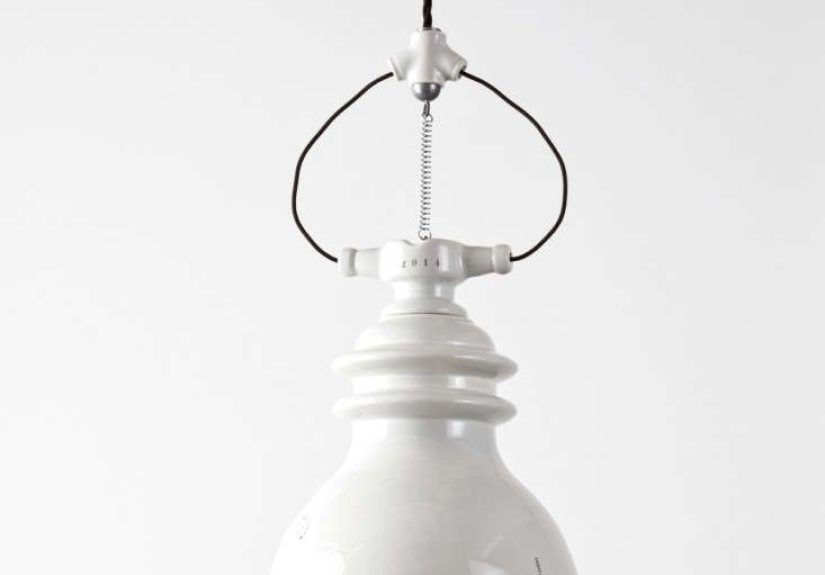
The “spring” in Toscot Battersea suspension spring refers to a suspension configuration that includes a
spring element in the hanging system. It’s both a design feature (hello, industrial hardware charm) and a practical one:
it helps manage cable length and tension, especially in configurations with longer drops.
Key specs you’ll see for the spring suspension style
- Shade size (common listing): about Ø27 cm x H18 cm (roughly 10.6″ x 7.1″).
- Material: typically terracotta/ceramic with metal components depending on the model.
- Indoor rating: often IP20 (dry, indoor use only).
- Bulb base options (varies by model): commonly E27 and/or GU10, bulb not included.
- Configurations: some versions include a ceiling rose (canopy), some are “without ceiling rose,” some include the spring, and some combine both.
Think of the spring version as the “slightly more industrial, slightly more flexible” sibling in the family.
It’s the one that looks most like it was discovered in a stylish old power stationthen politely invited to move into your kitchen.
Design Details That Make Battersea Feel “Collected,” Not “Random”
Battersea fixtures are often described as vintage-inspired, but the charm is in the specific references:
subtle graphic markings that recall old serial numbers and manufacturer stamps,
plus color choices designed to evoke classic insulator ceramics (including an off-white “oyster” tone).
Those details keep the design from drifting into generic “industrial chic.”
Translation: it looks intentional. The difference between “designer fixture” and “I found this in a clearance bin next to a lava lamp.”
Where It Works Best: Room-by-Room Styling (With Real Measurements)
1) Over a kitchen island: task lighting that doesn’t block conversation
For most kitchen islands, a classic guideline is to hang pendants so the bottom sits about
30–36 inches above the countertop. That range gives usable light while keeping sightlines open.
With higher ceilings, you typically raise the fixture a bit to keep proportions balanced.
Example setup: A 7-foot island often looks best with two or three pendants,
depending on the fixture size and how dramatic you want the “lighting moment” to feel.
The Battersea’s ceramic body reads visually bold, so two can already look like a statement.
2) Over a dining table: the “people can still see each other” zone
Dining pendants are usually happiest around 30–36 inches above the tabletop.
Then scale the fixture to the table: a common design rule is that the pendant (or chandelier) diameter should be about
half to two-thirds the table’s width. That keeps it from looking like either a tiny dot or a low-flying UFO.
Example setup: If your table is 42 inches wide, a fixture (or cluster) that reads around
21–28 inches in visual width tends to feel proportionate. A single Ø27 cm (10.6″) Battersea pendant can work on a smaller table,
but for larger tables, a multi-pendant composition (or pairing) often looks more balanced.
3) In an entry or hallway: one sculptural piece, instant personality
In circulation spaces, the main concern is headroom. A safe target is keeping the bottom of the fixture around
at least 7 feet from the floor in walkways (more if tall people live with you, or if your friends are basically giraffes).
Battersea’s insulator-inspired silhouette is great here because it feels like a “design object,” not just a light.
4) Over a reading nook or bedside: mood lighting with a ceramic glow
If you use the Battersea suspension in a cozy corner, consider a warm, dimmable bulb and keep the drop low enough
for intimacybut high enough that you’re not standing up into it at 2 a.m. like a slapstick routine.
Color, Finish, and Cable Choices: The Part Where You Get to Be Picky (In a Good Way)
One reason designers love this line: many listings highlight finish customization.
You’ll often see options like matte black or oyster/off-white, plus potential cable color choices
(depending on the retailer/model). That matters because a ceramic pendant can swing either rustic or modern based on finish:
- Matte black: crisp, architectural, strong contrast over pale counters or wood tables.
- Oyster/off-white: softer, more “vintage insulator,” friendly in warm neutrals.
- Glossy enamel tones: (when available) more playful; great for kitchens that need a pop without repainting cabinets.
Pro styling tip: If you’re pairing multiple pendants, keep finish consistent and vary only the drop height.
Mixing finishes can work, but it’s easier to accidentally land in “eclectic chaos” than “curated gallery.”
Bulb Strategy: E27 vs GU10, Warmth, and the “Don’t Blind Your Guests” Rule
Battersea models are commonly specified for E27 and/or GU10 bulbs, depending on the exact piece.
That matters because these bases behave differently in real life:
- E27: typically supports a broader range of bulb shapes and can feel more ambient, especially with a warm LED.
- GU10: often used for more directional, focused lightgreat if you want cleaner task lighting over a counter or bar.
For most homes, a warm white LED around 2700K is a safe, flattering default.
If you want a slightly crisper look in kitchens, some people prefer 3000Kbut go easy.
There’s a fine line between “clean and bright” and “operating room chic.”
Dimmers: If the fixture and bulb are dimmable, use a quality dimmer so you can shift from “I’m chopping onions” to
“I’m pretending this Tuesday pasta is a lifestyle.”
Installation and Safety: The Unsexy Part That Keeps Things From Getting Weird
Before you fall fully in love with the spring detail and start naming your pendant light like it’s a pet,
do a quick reality check:
- Ceiling box support: Make sure your junction box is rated to support the fixture.
- Voltage and standards: If you’re importing, confirm the fixture’s electrical compatibility with your home’s wiring standards.
- Bulb base differences: E27 is common internationally; in the U.S., E26 is more typical. They’re close, but you should confirm fit and rating rather than guessing.
- Spring and cable management: The spring suspension is meant to look intentionaltake time to adjust the drop so the coil detail reads “designed,” not “oops, I ran out of ladder.”
- Hire a pro if needed: If you’re not comfortable with electrical work, a licensed electrician is cheaper than “surprise ceiling fireworks.”
Maintenance: Keeping Ceramic Beautiful Without Babying It
Ceramic/terracotta lighting is generally low drama. Most upkeep is simple dusting, plus a gentle wipe when needed.
Use a soft, dry cloth for regular cleaning, and for deeper cleaning, a slightly damp cloth with mild soap is typically safer than
anything abrasive. Avoid harsh cleaners that can dull finishes or scratch glazed surfaces.
Extra note for terracotta: If parts are unglazed, treat them like the beautiful porous material they are:
don’t soak, don’t scrub aggressively, and let them dry fully to avoid discoloration.
How to Build a “Battersea Moment” Without Going Full Steampunk
The Battersea look is industrial-inspired, but it doesn’t require exposed brick, rivets, or a fog machine.
Here are easy ways to make it feel elevated:
- Pair with natural materials: wood, stone, linen, and brushed metals keep the ceramic feeling warm and intentional.
- Repeat the shape subtly: echo the cone form in bar stools, vase silhouettes, or cabinet hardware.
- Use contrast wisely: matte black over pale counters is sharp; oyster over walnut feels soft and vintage.
- Layer lighting: don’t make the pendant do all the work. Add under-cabinet lights, sconces, or a floor lamp for balance.
Buying Checklist: Five Minutes Now Saves You Five Hours Later
- Measure the zone: table/island size, ceiling height, and desired clearance.
- Decide your light job: task (focused) vs ambient (soft) affects bulb choice and placement.
- Confirm specs: IP rating (dry vs damp), bulb base, max wattage, and dimmer compatibility.
- Choose finish intentionally: match cabinet hardware, faucet tone, or furniture legs for cohesion.
- Plan lead time: handcrafted and customizable fixtures may take longerworth it, but don’t order the week before hosting dinner.
Conclusion: A Pendant That Feels Like It Belongs in Your Home (Not Just Your Cart)
The Toscot Battersea suspension spring stands out because it’s not trying to be trendy; it’s trying to be
specific. The insulator-inspired form, ceramic craftsmanship, and spring suspension detail create a fixture that
feels collectedlike you chose it on purpose (because you did).
Get the measurements right, pick a warm bulb, and let the material do the talking. The lamp will handle the rest.
Mostly. You still have to vacuum sometimes. The lamp can’t do everything.
Experiences Related to “Toscot Lamp Suspension Spring Battersea” (500+ Words)
To make this topic feel real, here are five “in-the-home” style experiencesbased on how this kind of ceramic, insulator-inspired pendant
typically behaves in everyday spaces. Think of these as mini field notes you can steal for your own plan.
1) The kitchen island that finally stopped feeling “unfinished”
A common story: the kitchen is renovated, the counters are in, the stools look great… and the ceiling is doing nothing.
Adding two Battersea spring pendants over a medium-length island often fixes that instantly because the ceramic shapes read as
objects, not just light sources. The spring detail can give the setup a tiny hint of workshop grit,
which balances modern kitchens that are otherwise very polished. The biggest “aha” moment usually comes at night:
with warm LEDs and a dimmer, the pendants turn the island into a cozy anchor instead of a bright work zone that feels like a showroom.
2) The dining table upgrade that didn’t require buying a new dining table
People underestimate how much a pendant changes a dining room because the table gets all the credit.
But when a Battersea pendant is hung at the right heightlow enough to feel intentional, high enough to keep sightlines openit becomes the room’s
“center of gravity.” The ceramic finish helps, too: unlike glass, it doesn’t vanish; unlike shiny metal, it doesn’t dominate.
The result is a dining space that feels more designed, even if everything else stays the same. Bonus:
if you choose a bulb that’s warm and dimmable, the table becomes a place you actually want to linger, not a spot you rush through.
3) The entryway where guests start asking, “Where did you get that?”
In an entry, the Battersea look shines because it reads as sculptural. Visitors might not know what an electrical insulator is,
but they’ll sense the industrial referenceespecially if the spring suspension is visible and thoughtfully placed.
The best part is that it can work with multiple aesthetics: in a minimalist home, it becomes the one “character piece.”
In a more eclectic home, it blends with vintage frames and mixed wood tones like it’s always been there.
The only real trick is clearance: hang it high enough that nobody feels like they need to duck when they walk in carrying groceries.
4) The “cluster moment” over a stairwell that looks expensive (because it kind of is)
Stairwells are where lighting goes to be ignoreduntil you add a multi-drop composition.
Because the Battersea line offers multiple suspension configurations, it’s often used in staggered clusters.
This is where the spring variant can feel especially at home: the visible hardware makes the cluster feel engineered,
not random. When the drops are intentionally variedsay, three pendants stepped down in heightthe whole stairwell becomes a feature.
People usually notice it in two waves: first they see the silhouette from below, then they look up and see the material and details.
It’s one of the few lighting moves that makes a “blank vertical space” feel designed without adding a single piece of wall decor.
5) The “quiet luxury” version: oyster finish, soft light, zero drama
Not every Battersea install is about contrast and mood. In a lighter paletteoyster/off-white ceramic, warm bulbs, soft wood tonesthe pendant can read
almost serene. This is where the insulator inspiration feels less industrial and more nostalgic: it’s still referencing utility,
but it lands as calm, not edgy. The spring suspension detail becomes a subtle visual accent rather than the headline.
In practice, this setup tends to work beautifully in breakfast nooks or small dining spaces where you want character but not clutter.
The fixture becomes part of the room’s texturelike a ceramic bowl on the counterexcept it also makes your coffee look better.