Table of Contents >> Show >> Hide
- What Is Nutritional Yeast?
- Top 5 Nutritional Yeast Benefits
- 1. Nutritional Yeast Can Be a Convenient Source of B Vitamins
- 2. It Adds Plant-Based Protein Without Much Effort
- 3. Nutritional Yeast Brings Big Flavor With Little Sodium
- 4. It May Support a More Balanced Plant-Based Diet
- 5. It Contains Fiber and Compounds That May Benefit Gut-Friendly Eating Patterns
- How to Use Nutritional Yeast
- How Much Nutritional Yeast Should You Use?
- Are There Any Downsides?
- Buying Tips: What to Look for on the Label
- Simple Nutritional Yeast Recipe Ideas
- Experience-Based Tips: What It Is Actually Like to Use Nutritional Yeast
- Conclusion
If nutritional yeast had a dating profile, it would probably say: “Cheesy personality, dairy-free lifestyle, loves popcorn, emotionally available for pasta.” This golden, flaky seasoningaffectionately called “nooch” by people who have clearly spent too much time in health-food aisleshas gone from vegan pantry secret to mainstream kitchen hero. And honestly, it deserves the applause.
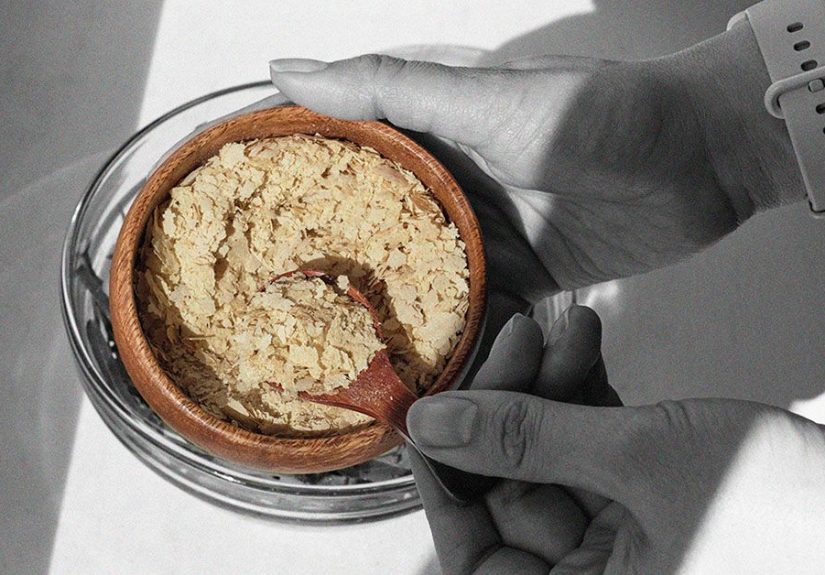
Nutritional yeast is a deactivated yeast, usually made from Saccharomyces cerevisiae. Unlike baker’s yeast, it will not make bread rise. Unlike brewer’s yeast, it does not taste like something you were dared to eat in college. Instead, nutritional yeast has a savory, nutty, cheesy flavor that makes it useful in everything from popcorn and roasted vegetables to creamy sauces and plant-based mac and cheese.
But the real reason people keep sprinkling it on everything short of their car keys is its nutrition profile. Depending on the brand, nutritional yeast can offer plant-based protein, fiber, B vitamins, and minerals. Fortified varieties may also provide vitamin B12, a nutrient especially important for people eating vegetarian or vegan diets. The key phrase here is “depending on the brand,” because not all nutritional yeast is fortified and not all labels look the same.
Below, we’ll break down the top 5 nutritional yeast benefits, how to use it in everyday meals, what to look for when buying it, and a practical experience-based section for making it taste amazing instead of “health food trying too hard.”
What Is Nutritional Yeast?
Nutritional yeast is an inactive yeast grown specifically for food. After harvesting, it is heated, dried, and usually sold as yellow flakes, granules, or powder. Because it is inactive, it will not ferment in your stomach, make dough puff up, or start a tiny bakery in your digestive system. It is simply a seasoning and nutrition booster.
Its flavor is often described as cheesy, nutty, savory, or umami-rich. That makes it popular with people who avoid dairy, but it is not only for vegans. Plenty of cheese-eating humans also use nutritional yeast because it adds depth to food without requiring a block of Parmesan or a complicated sauce.
Fortified vs. Unfortified Nutritional Yeast
There are two main types: fortified and unfortified. Fortified nutritional yeast has added nutrients, often including vitamin B12 and other B vitamins. Unfortified nutritional yeast contains only the nutrients naturally present in yeast. Both can be useful, but if you are buying nutritional yeast specifically for vitamin B12, read the Nutrition Facts label carefully.
This matters because vitamin B12 is not naturally reliable in plant foods. Many vegetarian and vegan eaters depend on fortified foods or supplements to meet their needs. Fortified nutritional yeast can be part of that plan, but it should not be treated like magic fairy dust. Labels matter. Serving sizes matter. Your actual diet matters.
Top 5 Nutritional Yeast Benefits
1. Nutritional Yeast Can Be a Convenient Source of B Vitamins
One of the biggest nutritional yeast benefits is its B-vitamin content. Fortified nutritional yeast often contains thiamin, riboflavin, niacin, vitamin B6, folate, and vitamin B12. These nutrients help the body turn food into usable energy, support normal nerve function, and play roles in red blood cell production.
That does not mean nutritional yeast is an energy drink in flake form. If you are already getting enough B vitamins, adding extra will not turn you into a superhero with better email habits. But if your diet is low in certain B vitamins, especially B12, fortified nutritional yeast may help fill the gap.
Vitamin B12 deserves special attention because it supports nerve health, brain function, and red blood cell formation. Since B12 is naturally found mostly in animal-based foods, people who eat vegan or mostly plant-based diets should pay close attention to fortified foods, supplements, and medical guidance when needed.
2. It Adds Plant-Based Protein Without Much Effort
Nutritional yeast is surprisingly protein-friendly for something you shake onto popcorn. Many brands provide several grams of protein per serving, and some varieties contain all nine essential amino acids. That makes it a helpful extranot a full meal replacement, but a nice bonus.
Think of nutritional yeast as a supporting actor in your protein strategy. Beans, lentils, tofu, tempeh, eggs, fish, poultry, yogurt, nuts, and seeds may play larger roles depending on your diet. Nutritional yeast steps in with a savory little boost, especially when sprinkled over grain bowls, soups, scrambled eggs, tofu, pasta, or roasted vegetables.
For example, a simple lunch bowl with brown rice, black beans, avocado, salsa, and a tablespoon or two of nutritional yeast becomes more flavorful and slightly more protein-rich. It is not trying to bench press your lunchbox, but it helps.
3. Nutritional Yeast Brings Big Flavor With Little Sodium
One reason nutritional yeast has become a pantry darling is that it delivers savory flavor without needing a lot of salt, butter, or cheese. Its umami taste can make simple foods feel more satisfying. That is especially useful if you are trying to cook more at home, eat more vegetables, or reduce your reliance on heavily processed seasonings.
Sprinkle nutritional yeast on roasted broccoli, cauliflower, Brussels sprouts, potatoes, popcorn, or pasta and you get a cheesy impression without actual cheese. It will not fool a cheese expert in a blind tastinglet’s not insult cheese expertsbut it can make dairy-free meals taste fuller and more comforting.
Because sodium levels vary by product, check the label. Plain nutritional yeast is often low in sodium, but seasoned blends may include added salt. If you are watching sodium intake, choose plain flakes and season your food yourself.
4. It May Support a More Balanced Plant-Based Diet
Nutritional yeast is especially useful for people eating vegetarian, vegan, or flexitarian diets. It can help replace some of the savory notes that usually come from cheese, meat, or broths. This makes plant-forward meals easier to enjoy, and enjoyable meals are the ones people actually keep eating.
A common problem with healthy eating advice is that it sounds like punishment wearing a cardigan. Nutritional yeast helps because it makes vegetables, grains, legumes, and sauces taste more exciting. Add it to a chickpea salad sandwich, blend it into cashew sauce, whisk it into soup, or dust it over roasted carrots. Suddenly, plant-based eating feels less like homework and more like dinner.
Fortified nutritional yeast can also contribute nutrients that may need attention in plant-based diets, especially vitamin B12. However, it should be viewed as one useful food, not the entire nutrition plan. A balanced diet still needs variety, including protein sources, healthy fats, whole grains, fruits, vegetables, and other fortified foods when appropriate.
5. It Contains Fiber and Compounds That May Benefit Gut-Friendly Eating Patterns
Nutritional yeast typically provides some fiber, which supports digestive health as part of an overall fiber-rich diet. Some yeast products contain beta-glucans, a type of soluble fiber also found in foods like oats and barley. Beta-glucans are often discussed for their potential role in heart and immune health, though the exact benefit depends on the food source, amount consumed, and overall diet.
Here is the practical translation: nutritional yeast can be a smart addition to meals, but it is not a cure-all. If your daily menu is mostly soda, fries, and regret, nutritional yeast will not arrive wearing a cape. But if you are building meals with beans, vegetables, whole grains, nuts, seeds, and lean or plant-based proteins, nutritional yeast fits beautifully into that pattern.
Start with small amounts if you are not used to it. Adding too much too quickly may cause bloating or digestive discomfort for some people, especially if your body is not used to higher-fiber foods. Your stomach appreciates polite introductions.
How to Use Nutritional Yeast
Nutritional yeast is easy to use because it does not require cooking. You can sprinkle it, blend it, whisk it, or stir it into warm dishes. Its flavor becomes smoother when combined with fat, acid, salt, or heat, which is why it works so well in sauces and savory snacks.
Sprinkle It on Popcorn
This is the gateway use. Make popcorn, drizzle it lightly with olive oil or melted butter, then add nutritional yeast and a pinch of salt. Shake everything in a big bowl or covered container. The flakes cling to the popcorn and create a cheesy, savory snack that tastes much more exciting than plain popcorn.
Add It to Pasta
Use nutritional yeast like a Parmesan-style finishing touch. Sprinkle it over spaghetti, baked ziti, pesto pasta, or creamy noodles. For a quick sauce, stir nutritional yeast into warm pasta with olive oil, garlic, lemon juice, black pepper, and a splash of pasta water.
Blend It Into Vegan Cheese Sauce
Nutritional yeast is a classic ingredient in dairy-free cheese sauces. Blend soaked cashews, cooked potatoes, carrots, garlic powder, lemon juice, mustard, salt, and nutritional yeast until smooth. The result is creamy, savory, and excellent on nachos, broccoli, baked potatoes, or macaroni.
Use It on Roasted Vegetables
Toss vegetables with olive oil, garlic, pepper, and nutritional yeast before or after roasting. Broccoli, cauliflower, zucchini, asparagus, carrots, and potatoes all work well. If the yeast browns too much in the oven, add it during the last few minutes or sprinkle it on after roasting.
Stir It Into Soups and Broths
Nutritional yeast can add depth to vegetable soup, lentil soup, potato soup, and quick homemade broth. It brings a savory quality that makes plant-based soups taste fuller. Start with one tablespoon, taste, then add more if needed.
Make Salad Dressings Taste Creamier
Whisk nutritional yeast into tahini dressing, lemon vinaigrette, or creamy cashew dressing. It pairs especially well with lemon, garlic, mustard, olive oil, and black pepper. Try it on kale salad, grain bowls, roasted chickpeas, or crunchy cabbage slaw.
Add It to Eggs or Tofu Scramble
For breakfast, nutritional yeast can be stirred into scrambled eggs or tofu scramble. With turmeric, garlic powder, onion powder, and a little black salt, tofu scramble becomes savory and brunch-worthy. No brunch reservation required.
How Much Nutritional Yeast Should You Use?
A common serving is one to two tablespoons, but the right amount depends on the recipe and your taste. Start small if you are new to it. Nutritional yeast has a distinct flavor, and adding too much can make food taste slightly bitter or overly intense.
If you are using fortified nutritional yeast for B12, check the label for the amount per serving. Some products provide a large percentage of the Daily Value, while others provide none. More is not always better, and people with medical conditions or specific nutrient concerns should talk with a qualified healthcare professional.
Are There Any Downsides?
Nutritional yeast is generally safe for many people when used as food, but it is not perfect for everyone. Some people may be sensitive or allergic to yeast. Others may notice digestive discomfort if they suddenly add large amounts. People who have migraines, inflammatory bowel conditions, or specific medical concerns may want to introduce it cautiously and ask a healthcare professional if unsure.
Also, nutritional yeast is not the same as active dry yeast, baker’s yeast, or brewer’s yeast. Do not swap them randomly in recipes unless you enjoy culinary plot twists. Nutritional yeast will not make dough rise, and baker’s yeast will not make your popcorn taste like vegan Parmesan.
Buying Tips: What to Look for on the Label
When shopping for nutritional yeast, look for these details:
- Fortified or unfortified: Choose fortified if you want added B vitamins, especially B12.
- Serving size: Nutrient amounts are based on the listed serving, often one or two tablespoons.
- Sodium: Plain nutritional yeast is often low in sodium, but seasoned versions may be saltier.
- Ingredients: Simple products usually contain nutritional yeast and added vitamins if fortified.
- Form: Flakes are great for sprinkling; powder dissolves easily in sauces.
Store nutritional yeast in a cool, dry place with the package tightly sealed. A pantry or cabinet usually works well. Keep moisture out, because clumpy nooch is not the texture anyone invited to dinner.
Simple Nutritional Yeast Recipe Ideas
Cheesy Nooch Popcorn
Pop 8 cups of popcorn. Toss with 1 tablespoon olive oil, 2 tablespoons nutritional yeast, and a pinch of salt. Add smoked paprika or garlic powder if you like drama in your snack bowl.
Quick Nooch Pasta
Cook pasta and save 1/2 cup of pasta water. Toss the pasta with olive oil, garlic, lemon juice, 2 to 3 tablespoons nutritional yeast, black pepper, and enough pasta water to make a light sauce.
Roasted Broccoli With Nutritional Yeast
Toss broccoli with olive oil, garlic powder, and pepper. Roast until browned, then sprinkle with nutritional yeast and lemon zest. This is how broccoli stops being “the vegetable on the side” and starts acting like it owns the plate.
Creamy Dairy-Free Sauce
Blend 1 cup soaked cashews, 1/2 cup water, 3 tablespoons nutritional yeast, 1 tablespoon lemon juice, 1 teaspoon Dijon mustard, garlic powder, and salt. Use on nachos, pasta, baked potatoes, or steamed vegetables.
Experience-Based Tips: What It Is Actually Like to Use Nutritional Yeast
The first experience many people have with nutritional yeast is confusion. You open the bag, see yellow flakes, smell something nutty and savory, and wonder whether you bought food or fish food. Do not panic. Nutritional yeast is one of those ingredients that makes much more sense once it touches something warm, salty, or creamy.
The easiest place to start is popcorn. Popcorn is forgiving, affordable, and emotionally supportive. A little oil helps the flakes stick, while salt sharpens the cheesy flavor. Without oil or moisture, nutritional yeast tends to fall to the bottom of the bowl like edible confetti after a sad parade. The trick is to give it something to cling to.
Pasta is the next best experiment. Nutritional yeast works especially well when mixed with pasta water because the starch helps create a light coating. Add olive oil, garlic, lemon, and black pepper, and you have a quick weeknight meal that tastes intentional, not like you gave up and boiled noodles. If the flavor feels flat, add acid. Lemon juice or a tiny splash of vinegar can wake it up.
Another useful lesson: nutritional yeast is not exactly cheese. It is cheese-adjacent. It gives a savory, nutty, Parmesan-like impression, but if you expect it to stretch like mozzarella, you will be disappointed and possibly dramatic. Use it where flavor matters more than melt. It is fantastic in sauces, crumbs, coatings, soups, and dressings, but it will not behave like a dairy cheese on pizza unless combined with other ingredients.
For roasted vegetables, timing matters. If you add nutritional yeast at the beginning of a long roast, it may darken or taste slightly bitter. Many home cooks get better results by roasting vegetables first, then sprinkling nutritional yeast on top while everything is still hot. The steam and oil help it cling, and the flavor stays brighter.
In sauces, nutritional yeast becomes smoother when blended. Cashews, potatoes, carrots, white beans, tahini, or silken tofu can all create a creamy base. Add nutritional yeast for flavor, lemon for brightness, mustard for sharpness, and garlic for the obvious reason that garlic improves nearly everything except first dates.
If you are serving nutritional yeast to someone skeptical, do not announce it like a medical treatment. Nobody wants to hear, “I made you pasta with deactivated yeast.” That phrase has the charisma of a science lab invoice. Instead, say, “I made a savory garlic pasta sauce.” Let the flavor do the talking.
Finally, buy a small container before committing to a giant bag. Most people either become enthusiastic nooch sprinklers or decide it is not their thing. Start small, test it on familiar foods, and adjust gradually. Once you learn how it behaves, nutritional yeast becomes one of the easiest ways to add flavor, nutrition, and a little golden sparkle to everyday meals.
Conclusion
Nutritional yeast earns its popularity because it does several useful things at once. It adds savory, cheesy flavor without dairy. It can provide plant-based protein and fiber. Fortified versions may offer important B vitamins, including vitamin B12. It also helps simple foodspopcorn, pasta, soups, vegetables, sauces, and saladstaste more satisfying with very little effort.
The smartest way to use nutritional yeast is to treat it as a flavorful pantry tool, not a miracle supplement. Read the label, choose fortified if you need B12, start with small servings, and pair it with real meals built from whole, varied ingredients. Do that, and this humble yellow flake might become the tiny golden overachiever your kitchen never knew it needed.