Table of Contents >> Show >> Hide
- Why talking well matters (yes, even for pipes)
- Before you call: do a 5-minute “plumbing fact-finding mission”
- The first conversation: what to say when you book
- During the visit: talk like teammates, not opponents
- 1) Show the problem and share the story (briefly)
- 2) Ask for a plain-English diagnosis
- 3) Request options, not just “the fix”
- 4) Confirm the exact scope of work (this prevents “surprise projects”)
- 5) Talk money without awkwardness (it’s a business transaction, not a promposal)
- 6) Ask about warranty, guarantees, and what to do if something seems off
- Green flags and red flags you can hear in conversation
- After the repair: close the loop like a pro (even if you’re not one)
- Quick cheat sheet: the 12 best questions to ask your plumber
- Conclusion: better conversations make better plumbing outcomes
- Experience Notes: 500+ words of real-world lessons from plumber conversations
- Experience #1: The “it only leaks when nobody’s watching” faucet
- Experience #2: The “clog” that was actually a venting issue
- Experience #3: The remodel quote that ballooned (and how a scope check could’ve prevented it)
- Experience #4: The emergency leak call that went smoothly because of one photo
- Experience #5: The “money talk” that stayed respectful and productive
Calling a plumber can feel weirdly high-stakes. One minute you’re living your life, the next your sink is making
a sound like a haunted coffee maker and your bathroom smells like “mystery.” The good news: you don’t need a
plumbing degree to have a great conversation with your plumber. You just need a clear description, a few smart
questions, and the confidence to say, “Please explain that like I’m a golden retriever.”
This guide will help you communicate in a way that saves time, avoids misunderstandings, and increases the odds
you’ll get the repair you actually needwithout accidentally agreeing to a “quick fix” that becomes a “why is my
drywall crying?” situation.
Why talking well matters (yes, even for pipes)
Plumbing is part detective work, part engineering, and part “what on earth did someone pour down this drain?”
When you communicate clearly, your plumber can diagnose faster, bring the right parts, and give you a more accurate
estimate. When communication is fuzzy, you risk extra trips, surprise costs, and a repair plan that doesn’t match
your priorities.
Think of it like ordering coffee: “Something brown, I guess?” works… but “medium iced latte, oat milk, light ice”
gets you what you actually wanted. Your plumbing deserves that same energy.
Before you call: do a 5-minute “plumbing fact-finding mission”
1) Describe symptoms, not your best guess
You don’t have to diagnose the problem. In fact, guessing can backfire. Instead, focus on what you can observe:
- What’s happening? (Leak, clog, low water pressure, no hot water, toilet running, smell, gurgling.)
- Where? (Upstairs bathroom, kitchen sink, behind the washing machine, under the slab, etc.)
- When did it start? (Today, after a freeze, after guests visited, after a remodel.)
- How often? (Constant, only when you run the dishwasher, only at night.)
- What changed recently? (New appliance, new faucet, harsh chemical cleaner, landscaping work.)
Example: Instead of “My garbage disposal is broken,” try: “When I turn on the disposal, it hums but doesn’t spin,
and the sink backs up within 10 seconds.”
2) Collect helpful evidence (without turning into a true-crime podcaster)
Your plumber will love you (professionally) if you can provide:
- A couple photos of the area (wide shot + close-up of the issue)
- A short video (for intermittent leaks, strange sounds, or water hammer)
- Model/brand info for fixtures or appliances (water heater, toilet, faucet, filtration system)
3) Do basic safety steps if there’s active leaking or flooding
If water is actively leaking or flooding, your first priority is reducing damage. If you know where your shutoff
valve is, shutting off the water can prevent a small leak from becoming an indoor swimming pool.
- Know your main water shutoff (and test that it works before you need it).
- Turn off local shutoffs under sinks and behind toilets if the leak is isolated.
- Skip the “chemical warfare” approach for clogs unless a pro advises itharsh drain chemicals can complicate repairs.
If you don’t know where the main shutoff is, ask your plumber to show you during the visit. It’s the adult version
of learning where the fire extinguisher isboring until it’s suddenly the most exciting piece of knowledge you own.
The first conversation: what to say when you book
Whether you call or message, your goal is to give enough detail for accurate scheduling and pricingwithout writing
a novel.
A simple booking script (steal this)
“HiI’m having a plumbing issue in my [kitchen/bathroom/laundry]. The main symptom is [leak/clog/low pressure/no hot water].
It started [today/this week], and it happens [constantly/only when X runs]. The issue seems to be located near [fixture/room].
Can you tell me your availability and whether this is billed hourly or flat rate? Alsoare you licensed and insured, and do you provide a written estimate?”
Key questions to ask before the appointment
- Pricing structure: hourly vs flat rate, minimum charges, and emergency/after-hours fees
- Estimates: written estimate and whether it’s itemized
- Credentials: licensing/insurance (and how you can verify in your state/county if needed)
- Who’s coming: the plumber themselves or a technician/crew member
- Timing: arrival window, how they communicate delays, and expected duration
Pro tip: if your issue could cause damage (burst pipe, sewer backup, water heater leak), say that clearly.
“Not an emergency” and “my ceiling is dripping” are very different scheduling categories.
During the visit: talk like teammates, not opponents
You’re hiring expertise, but you’re still the homeowner and decision-maker. The best outcomes happen when you and
the plumber are aligned on the problem, the plan, and the price.
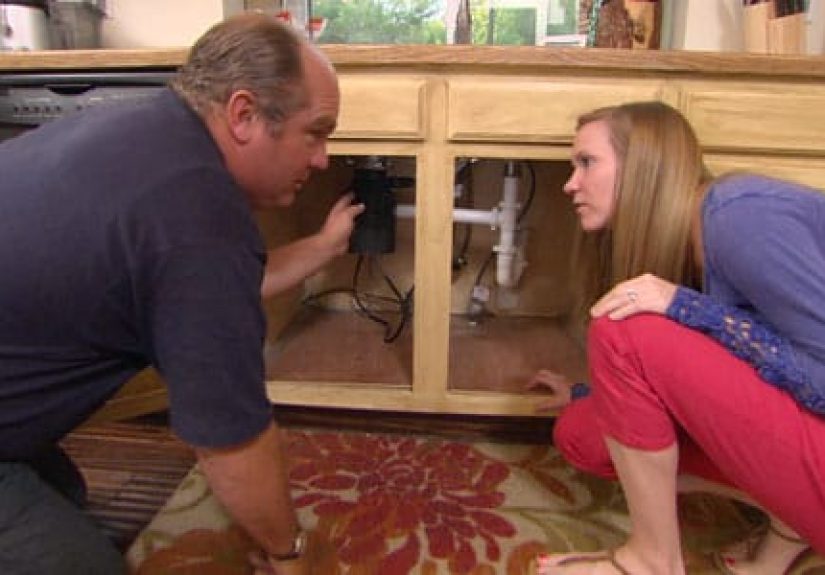
1) Show the problem and share the story (briefly)
Start with a quick tour of the issue and then stop talking. Let the plumber inspect. Helpful details include:
past repairs, recurring issues, and any DIY attempts. No shamejust facts.
If you tried a plunger, say so. If you tried three different plungers and whispered threats at the toilet, you can
keep that part to yourself.
2) Ask for a plain-English diagnosis
Great plumbers can explain what’s happening and why. Ask questions like:
- “What do you think is the root cause?”
- “What evidence are you seeing that points to that?”
- “Is this likely a one-time failure or part of a bigger issue?”
- “Is this repair code-compliant, and does it require a permit or inspection?”
If they use jargon, that’s finejust ask them to translate. A professional won’t be offended. If they act offended,
that’s useful information too.
3) Request options, not just “the fix”
Many plumbing problems have multiple solutions. Ask for at least two options when it makes sense:
- Option A: repair (lower cost now, possibly shorter lifespan)
- Option B: replace/upgrade (higher cost now, often longer-term reliability)
Example: If your water heater is failing, a plumber might discuss repairing a component versus replacing the unit,
or storage tank versus tankless. A good conversation includes the trade-offs: upfront cost, energy use, maintenance,
and whether your household usage makes the upgrade worth it.
4) Confirm the exact scope of work (this prevents “surprise projects”)
“Fix the leak” can mean ten different things. Politely get specific:
- What parts are being replaced (and what brand/grade)?
- What’s included: diagnostics, labor, materials, cleanup, haul-away?
- What’s excluded: drywall repair, tile work, cabinetry, painting?
- What happens if they open a wall and find more damage?
If the job might evolve, ask how change orders are handled: “If the plan changes, will you pause and price it out
before proceeding?” That one sentence can save you from a stomach-drop moment later.
5) Talk money without awkwardness (it’s a business transaction, not a promposal)
Clear pricing is part of clear communication. You’re not being rudeyou’re being responsible.
- Ask for a written estimate with a breakdown of labor and materials.
- Ask about timing and parts availability (some repairs depend on special-order components).
- Clarify payment terms and acceptable payment methods.
- For larger jobs: ask for a payment schedule tied to milestones, not vague vibes.
If your budget is limited, say it early and respectfully: “I want a safe, code-compliant fix. I also need to keep this
within a budget of about $X. What options do we have?” A good plumber will help you prioritize.
6) Ask about warranty, guarantees, and what to do if something seems off
Plumbing isn’t magic, but reputable pros often back their workmanship. Ask:
- “What warranty do you provide on labor?”
- “Do parts have manufacturer warranties, and will you handle those if needed?”
- “If I notice a leak or issue after you leave, what’s your follow-up process?”
Green flags and red flags you can hear in conversation
Green flags (good signs)
- They ask clarifying questions and don’t rush the diagnosis.
- They explain options, trade-offs, and next steps.
- They offer a written estimate and a clear scope of work.
- They discuss permits/code compliance when relevant.
- They communicate timing, delays, and expectations clearly.
Red flags (pause and reassess)
- High-pressure tactics: “Decide right now or the price doubles.”
- No written estimate or contract for a significant job.
- “Let’s do it under the table” to avoid permits or paperwork.
- Unwilling to provide proof of licensing/insurance when it’s required in your area.
- Demanding full payment upfront for a big project (a deposit is different from “pay everything, trust me”).
Your plumber doesn’t have to be your new best friendbut they should be transparent, professional, and accountable.
If the conversation feels slippery, that’s not just your pipes.
After the repair: close the loop like a pro (even if you’re not one)
Before they leave, do a quick walk-through. Turn on the faucet. Flush the toilet. Run the disposal. Look under the sink.
Ask what “normal” looks like after the repair.
Questions to ask at the finish line
- “What should I watch for over the next 24–48 hours?”
- “Is there any maintenance I should do to prevent this from happening again?”
- “Can you show me the shutoff valves for this fixture and the whole house?”
- “Do you have photos of what you replaced (especially if it’s behind a wall)?”
Save your invoice, warranty details, and any notes in a “home binder” (paper or digital). Future-you will be grateful.
Future-you deserves nice things.
Quick cheat sheet: the 12 best questions to ask your plumber
- What’s the most likely root cause?
- What evidence supports that diagnosis?
- What are my options (repair vs replace), and what are the trade-offs?
- What exactly is included in the scope of work?
- Is this code-compliant, and do permits/inspections apply?
- Is pricing hourly or flat rateand what could increase the cost?
- Can you provide a written, itemized estimate?
- What’s the timeline (today and longer-term)?
- Who will perform the work, and what qualifications do they have?
- What warranty/guarantee applies to labor and parts?
- How will changes be handled if new issues are found?
- What maintenance would prevent this problem from returning?
Conclusion: better conversations make better plumbing outcomes
The goal isn’t to “sound smart.” The goal is to be clear. When you describe symptoms accurately, ask for plain-English
explanations, confirm the scope, and get things in writing, you reduce surprises and improve results. Your plumber gets
the information they need, and you get a repair plan you understandplus the confidence that you’re not paying for
“mystery labor” and “vibes.”
And the next time your pipes start singing the song of their people, you’ll know exactly what to say.
Experience Notes: 500+ words of real-world lessons from plumber conversations
The fastest way to learn how to talk with your plumber is to live through a few plumbing moments (and survive). Here
are some experience-based scenarios that show what helpsand what absolutely does not.
Experience #1: The “it only leaks when nobody’s watching” faucet
A homeowner noticed a damp spot under the bathroom sink, but every time they opened the cabinet to show someone,
everything looked bone-dry. When the plumber arrived, the homeowner led with: “It leaks sometimes.” That’s not wrong,
but it’s not useful. The conversation improved instantly when they added specifics: “It happens most often after the
shower, and the dampness is always on the left side near the supply line.” That detail helped the plumber focus on
temperature/pressure changes and the exact connection point. The fix ended up being straightforwardtightening and
reseating a failing supply line connectionbut the win was the communication. Lesson: when something is intermittent,
describe the pattern (after shower, after dishwasher, overnight, during washing machine cycle). Patterns save time.
Experience #2: The “clog” that was actually a venting issue
A kitchen sink drained slowly, but only when the garbage disposal ran, and the homeowner swore it was “a clog.”
During the visit, the plumber asked, “Do you hear gurgling?” The homeowner said yes, but hadn’t mentioned it because
they assumed it was normal. That single sound clue changed the direction of the inspection and led to a venting
diagnosis rather than just a drain snake. The homeowner’s best move was asking, “Can you explain what the vent does
and why it causes gurgling?” The plumber explained it in plain language, recommended the safest path forward, and
the homeowner felt confident saying yes because they understood the “why.” Lesson: don’t downplay weird sounds or
smells. They’re often the breadcrumb trail.
Experience #3: The remodel quote that ballooned (and how a scope check could’ve prevented it)
During a bathroom refresh, the homeowner asked for “a new vanity hookup.” The plumber quoted the visible work. Once
the vanity was removed, old shutoff valves and questionable connections were exposed. Suddenly, the job expanded:
additional parts, extra labor, and a bigger invoice. Nobody did anything shadythis happensbut the homeowner wished
they had asked one question earlier: “If you open the wall or remove the vanity and find outdated parts, how do you
handle changes?” A simple change-order agreementpause, explain, price, then proceedwould have reduced stress.
Lesson: when a job depends on what’s behind a wall, ask how surprises are handled before the surprise appears.
Experience #4: The emergency leak call that went smoothly because of one photo
A homeowner discovered water pooling near the water heater and immediately messaged a plumber with two photos: a wide
shot showing the heater’s location and a close-up of the leak area, plus a note: “Water is off at the local shutoff.”
That message did three powerful things: it showed urgency, reduced risk of damage, and gave the plumber information to
bring the right parts. When the plumber arrived, the homeowner asked for options: “Is this a repair that makes sense,
or are we throwing good money after bad?” The plumber explained the age/condition trade-offs and provided a written
estimate for both paths. The homeowner picked the option that matched their budget and timeline. Lesson: in emergencies,
communication should be short, factual, and visual. Photos are worth a thousand panicked words.
Experience #5: The “money talk” that stayed respectful and productive
A homeowner worried they’d offend the plumber by bringing up budget. Instead of negotiating aggressively, they said:
“I respect your expertise. I also need to make a financially smart choice. Can we look at a good-better-best option
if available?” The plumber didn’t flinch. They explained what changes between options (materials, durability, warranty,
long-term maintenance) and helped the homeowner choose a safe fix without overspending. Lesson: money discussions go best
when you frame them as collaboration, not confrontation. You can be cost-conscious and still be a great client.
Across all these experiences, the theme is simple: plumbers are problem-solvers, and the best problem-solving happens
when you share clear clues, ask smart questions, and confirm the plan in writing. You don’t need to be technicalyou
just need to be specific.