Table of Contents >> Show >> Hide
- Why White Miso Works So Well in Caramel
- What White Miso Caramel Tastes Like
- Why White Miso Is the Best Choice
- How to Add White Miso to Homemade Caramel Without Wrecking It
- A Simple Homemade White Miso Caramel Formula
- Best Ways to Use White Miso Caramel
- Common Mistakes to Avoid
- Why This Flavor Combination Feels So Modern
- Experiences From the Kitchen: What Happens When You Actually Make It
- Conclusion
Homemade caramel already feels like a magic trick. One minute you have sugar, water, cream, and nerves. The next minute you have a glossy amber sauce that can make ice cream weep tears of joy. But if your caramel has ever tasted a little too sweet, a little flat, or just a little “nice,” there is a surprisingly simple fix hiding in the refrigerator aisle: white miso.
Yes, miso. The fermented soybean paste you probably associate with soup, marinades, and deeply savory dinners. It turns out this humble condiment has a second career as a dessert whisperer. Stirred into homemade caramel, white miso adds a gentle salty edge, a buttery depth, and just enough umami to make the whole sauce taste more complex. Not weird. Not fishy. Not “who put dinner in my sundae?” Just richer, smarter, and far more interesting.
If salted caramel walked into the room wearing a sharp blazer, miso caramel would walk in wearing the same blazer plus excellent shoes and suspiciously good taste in records. It is familiar, but better dressed.
Why White Miso Works So Well in Caramel
Caramel is built on contrast. The best versions are sweet, yes, but they also flirt with bitterness, butteriness, and salt. That is why plain sugar alone is only the beginning. Once the sugar browns, it develops deeper toasted notes. Add cream and butter, and you get richness. Add salt, and the sweetness comes into focus instead of yelling in your face.
White miso does something even more useful: it balances sweetness while adding subtle savory complexity. Because it is milder than red or darker misos, it slips into desserts without hijacking them. Instead of making caramel taste salty in a one-note way, it gives the sauce a rounded flavor that lingers longer on the palate.
It Tames Sweetness Without Making Caramel Harsh
Some caramel sauces lean so hard into sweetness that they become exhausting after two bites. White miso solves that problem beautifully. It contains salt, natural sweetness, and fermented depth, so it does not simply cut sugar; it reshapes it. Your caramel still tastes indulgent, but it now has a little grown-up charm.
This matters most when caramel is paired with desserts that are already sweet, such as brownies, blondies, cheesecake, apple pie, bread pudding, or vanilla ice cream. In those situations, plain caramel can become a sugar pile-up. White miso caramel keeps the dessert from tipping over into “too much.”
It Adds Umami, Which Makes Dessert Taste More Complete
Umami in dessert sounds like one of those ideas that starts with a chef saying, “Hear me out.” But it works because flavor is not a one-lane highway. When caramel gets a little savory support, chocolate tastes deeper, apples taste fruitier, and butter tastes nuttier. The result is not savory caramel. It is caramel with more dimension.
Think of it this way: vanilla makes caramel smell warm, salt makes it pop, and white miso makes it feel layered. That is why so many bakers and recipe developers keep sneaking it into sweets. Once you taste it, you understand the conspiracy.
What White Miso Caramel Tastes Like
If you are worried that miso caramel tastes like soup dessert, relax. White miso caramel does not announce itself with a megaphone. It tastes like caramel that suddenly got better at its job.
You still get the classic caramel notes first: toasted sugar, cream, butter, and a little dark amber bitterness. Then the white miso shows up as a savory bass note. It makes the sauce taste fuller, less sugary, and more elegant. The finish is slightly salty, faintly nutty, and incredibly addictive.
This is the sort of caramel people keep tasting “just to check” until the spoon is somehow clean and the pan looks suspiciously empty.
Why White Miso Is the Best Choice
Not all miso belongs in caramel. White miso, also called shiro miso, is the best place to start because it is sweeter, gentler, and less intense than darker varieties. It plays well with butter, cream, chocolate, apples, pears, pecans, and warm baking spices. In other words, it is basically the charming guest at the dessert party who knows how to talk to everyone.
Yellow miso can work if used carefully, but it is a little bolder. Red miso is usually too assertive for homemade caramel unless you are deliberately aiming for a darker, more savory profile. For most home bakers, white miso is the sweet spot. Literally and figuratively.
How to Add White Miso to Homemade Caramel Without Wrecking It
Good news: you do not need a culinary degree, a copper pot, or a candlelit confidence speech. You just need a little timing and a light touch.
Start With a Wet Caramel
If making caramel feels intimidating, use the wet method. That means starting sugar with a little water in the pan. It gives you more control and helps the sugar melt more evenly. Once the syrup comes to a boil, resist the urge to stir. Swirl the pan gently if needed, but stirring can encourage crystallization and turn your silky dreams into a grainy mutiny.
Add the Cream First, Then the Miso
Once the sugar reaches a deep amber color, remove it from the heat and carefully whisk in warm cream. It will bubble dramatically because caramel likes to be theatrical. After the bubbling calms down, whisk in butter, then add the white miso.
Why this order? Because miso dissolves more smoothly into the finished sauce than into scorching sugar. It also lets you taste as you go. Start with one tablespoon, whisk thoroughly, and then decide whether you want more. Many home cooks find that one to two tablespoons is plenty for a standard batch.
Do Not Double the Salt Automatically
White miso already brings salt. That means if your caramel recipe also includes a generous pinch of sea salt, you may want to scale that back. Taste first. Adjust second. Regret nothing.
A Simple Homemade White Miso Caramel Formula
For a reliable batch, use this easy framework:
1 cup granulated sugar
1/4 cup water
3/4 cup warm heavy cream
3 tablespoons unsalted butter
1 to 2 tablespoons white miso
1/2 teaspoon vanilla extract, optional
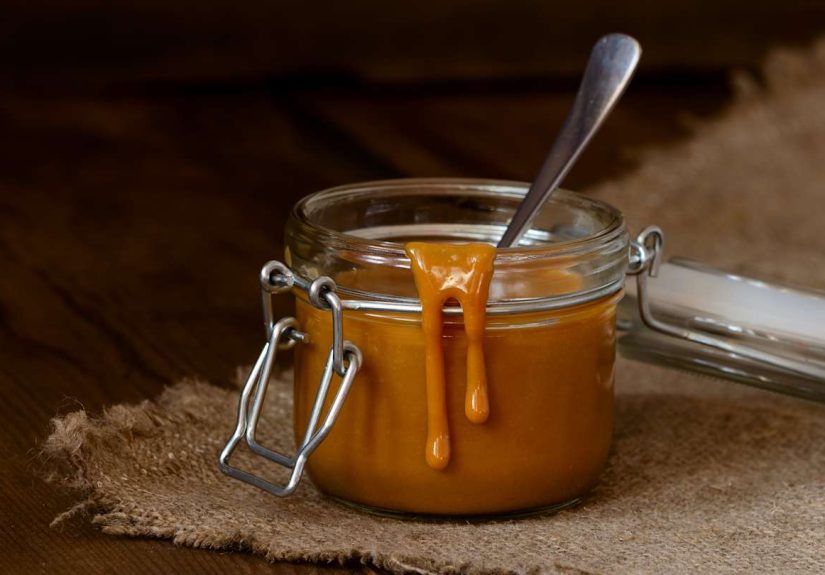
Combine the sugar and water in a heavy saucepan. Heat gently until the sugar dissolves, then let it boil without stirring until it turns deep amber. Remove from the heat and slowly whisk in the warm cream. Add the butter and whisk until smooth. Stir in the white miso, starting with one tablespoon. Taste, adjust, and add vanilla if you want a softer, rounder finish.
That is it. No smoke machines. No kitchen panic. Just a sauce that tastes far fancier than the effort required.
Best Ways to Use White Miso Caramel
The obvious answer is ice cream, and yes, that is correct. But stopping there would be like buying great shoes and only wearing them to take out the trash.
With Apple Desserts
This pairing is spectacular. Apples have sweetness, acidity, and a little earthy warmth. White miso caramel echoes all of that while adding contrast. Drizzle it over apple pie, apple crisp, baked apples, tarte Tatin, or even apple pancakes if you believe breakfast deserves excitement.
With Chocolate
Miso caramel and chocolate get along like old friends with excellent gossip. Spoon it over flourless chocolate cake, swirl it into brownie batter, or serve it alongside chocolate pudding. The savory note keeps the chocolate from feeling heavy and gives the whole dessert a more luxurious finish.
With Coffee Drinks
A little white miso caramel in a latte or iced coffee is a move worth repeating. Coffee already carries roasted bitterness, so the caramel slides right in, while the miso adds just enough savory intrigue to keep things from tasting like melted candy.
With Cheesecake, Bread Pudding, and Vanilla Desserts
Anywhere you would normally use caramel sauce, this version can do the job and do it with more personality. Vanilla bean cheesecake, bread pudding, panna cotta, rice pudding, and even plain pound cake all benefit from the upgrade.
Common Mistakes to Avoid
Using dark miso first: If you are new to miso in dessert, start with white miso. Darker versions can take over the sauce quickly.
Burning the sugar: Amber is great. Blackened bitterness is not. Caramel goes from gorgeous to tragic with surprising speed, so pay attention near the end.
Adding cold cream: Warm cream reduces the shock when it hits the hot caramel, which helps the sauce come together more smoothly.
Overdoing the miso: This is caramel, not a marinade. Add a little, taste, and build.
Ignoring texture: If the sauce seems too thick, whisk in a splash of warm cream. If it is too thin, simmer it briefly. Caramel is flexible, provided you are nicer to it than it is to you.
Why This Flavor Combination Feels So Modern
White miso caramel lands at the intersection of two things modern home cooks love: comfort and surprise. People still want familiar desserts, but they also want flavor that feels more thoughtful than plain sugar. White miso delivers that without asking anyone to learn a complicated new technique or buy a pantry item that will only be used once every leap year.
It also reflects a bigger shift in home baking. Sweet-only desserts are giving way to sweet-salty, sweet-bitter, and sweet-savory combinations that taste more balanced and memorable. In that world, white miso makes perfect sense. It is not a gimmick. It is a practical flavor tool.
Experiences From the Kitchen: What Happens When You Actually Make It
The most interesting thing about white miso caramel is how people react to it in real life. The first experience is almost always skepticism. Someone hears “miso” and immediately imagines a dessert that tastes like broth in formalwear. Then they try a spoonful and the expression changes fast. Not because the caramel tastes unusual in a loud way, but because it tastes unusually complete. That is the surprise. It does not scream “secret ingredient.” It just tastes like the caramel somehow got smarter.
Home cooks often notice the difference most clearly on the second bite. The first spoonful registers as rich, buttery, and deeply caramelized. The second is where the white miso starts doing its best work. The sweetness feels more controlled. The flavor lingers longer. Desserts topped with the sauce suddenly taste more balanced, especially apple desserts, chocolate cakes, and vanilla ice cream. Instead of feeling like sugar poured over sugar, the whole plate tastes deliberate.
Another common experience is that white miso caramel makes homemade desserts feel restaurant-worthy without becoming pretentious. A plain brownie with regular caramel is delicious. A brownie with white miso caramel feels like you planned the whole thing with a tiny gold pencil while wearing a linen apron and saying words like “contrast.” It is still cozy and comforting, but it has that little extra edge that makes guests ask what changed.
There is also the practical kitchen experience: it helps people who usually find caramel too sweet fall back in love with it. Plenty of bakers enjoy caramel in theory but get overwhelmed by how sugary it can become in practice. White miso gives those bakers a solution. It preserves the indulgence while softening the sugar rush. Suddenly caramel is not just a topping for children and people who think frosting should have its own zip code. It becomes something with nuance.
Then there is the fridge test, which is the true mark of a great condiment. Good white miso caramel is the kind of thing people “accidentally” revisit. A spoonful after dinner becomes a drizzle over yogurt the next morning. That drizzle turns into a swirl in oatmeal, then a topping for sliced apples, then an impulsive addition to coffee. By day two, the jar has a very short future.
What people remember most, though, is not just the taste. It is the feeling of discovering that one small pantry shift can dramatically improve a familiar recipe. That is why white miso caramel sticks with people. It is approachable enough for a weeknight project, fancy enough for a dinner party, and interesting enough to make someone ask for the recipe before they have even finished dessert.
In other words, the experience is not “I made weird caramel once.” It is usually “I made better caramel, and now regular caramel seems a little underdressed.”
Conclusion
If you want to take homemade caramel to the next level, white miso is the surprising condiment worth trying. It makes caramel less sugary, more balanced, and far more memorable. You still get all the glossy richness you want, but with an added depth that turns a classic sauce into something modern, craveable, and endlessly versatile. Whether you drizzle it over apple pie, swirl it into brownies, or spoon it over vanilla ice cream, white miso caramel proves that the smartest dessert upgrades are not always sweeter. Sometimes they are just savvier.