Table of Contents >> Show >> Hide
- Why Funny Cat Cartoons Never Go Out of Style
- What This Artist Gets Right About Living With a Cat
- The Everyday Cat Moments That Make These Cartoons So Relatable
- More Than Jokes: Why Cat Cartoons Feel Weirdly Accurate
- Why Readers Love Artists Who Draw Cats This Well
- The Real Genius of “Life With a Cat” Humor
- Extended Reflections: 500 More Words on the Experience of Living With a Cat
- Conclusion
If you have ever owned a cat, or more accurately, if a cat has ever taken over your home and allowed you to continue paying the bills, you already know the central truth behind great feline humor: cats are hilarious without trying even a little bit. They are elegant one second, deeply unhinged the next, and somehow always convinced that every chair, countertop, keyboard, and private thought belongs to them. That is exactly why cat cartoons hit so hard. They do not need complicated setup, dramatic twists, or philosophical footnotes. They just need one smug cat, one exhausted human, and one moment of total household nonsense.
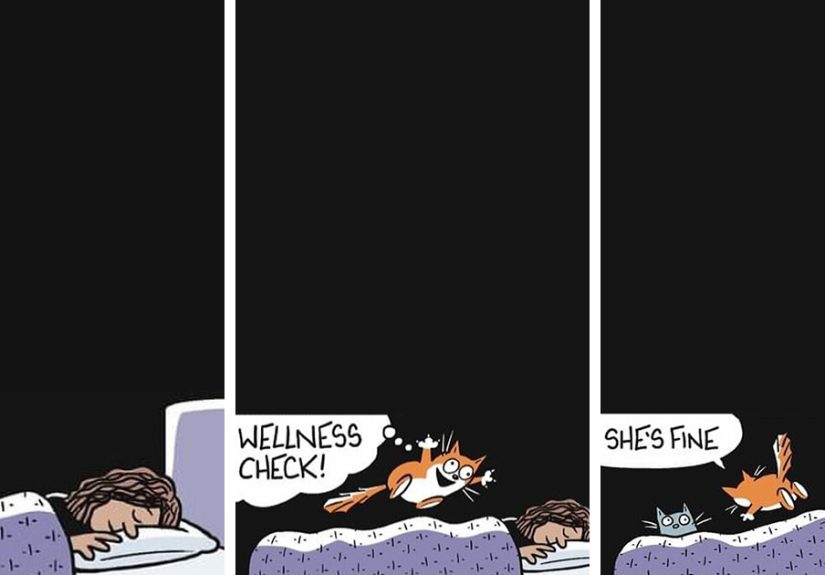
That is the charm behind this collection of funny cat cartoons from artist Mark Parisi. His style works because it turns familiar cat-owner moments into quick, visual punchlines that feel instantly recognizable. You do not need to own a Persian, a tabby, or a chaos-powered orange cat to get the joke. You just need to have lived through at least one of the following: a 3 a.m. sprint across your chest, a mysterious object pushed off a shelf with scientific precision, or the emotional manipulation of a creature who meows for food as if no one has fed it since the Truman administration.
What makes these cartoons land is not only that they are funny. It is that they are honest. Life with a cat is full of contradictions. Cats can be affectionate and aloof, graceful and ridiculous, regal and embarrassingly obsessed with a cardboard box that came free with your paper towels. A good cat cartoon captures all of that in a single frame. A great one makes you laugh, point at the screen, and say, “That is literally my cat.”
Why Funny Cat Cartoons Never Go Out of Style
Cat humor works because cats themselves seem professionally committed to absurdity. They move through the house like tiny landlords inspecting a property they already own. They demand attention, then reject it. They ignore the expensive bed you bought and fall asleep in a shipping box that still smells like tape. They stare at walls, attack invisible enemies, and sit on your laptop during your busiest hour as if productivity were a personal insult.
Artists who draw cats well understand that the best jokes do not come from forcing human traits onto felines. The best jokes come from noticing how cats already act like tiny dramatists. They flick their tails like offended aristocrats. They knead blankets with the seriousness of a baker on a deadline. They hide in small spaces, patrol windows like neighborhood security, and turn an ordinary hallway into a racetrack the moment the lights go out. None of this needs exaggeration. Real cat behavior is already halfway to a comic strip.
That is why readers keep coming back to collections like this one. These cartoons are not random pet jokes. They are observations about daily life, told through the peculiar logic of a species that seems soft and cuddly until it is suddenly galloping through the living room like it just remembered taxes exist.
What This Artist Gets Right About Living With a Cat
1. Cats treat your home like a shared workspace where you do all the work
One of the funniest truths about cat ownership is that your home stops being fully yours the moment the cat arrives. Your couch becomes a scratching temptation. Your shelves become a balance beam. Your dining chair becomes a throne. Your bed becomes a place where you are allowed to sleep on the outer two inches while the cat stretches diagonally in a way that defies geometry and common decency.
Cartoons about cats succeed when they capture this quiet takeover. No dramatic villain speech is necessary. A single image of a cat sitting in the exact place where a person needs to be says everything. The humor lives in recognition. Cat people know the routine: the moment you stand up, the cat claims your seat. The moment you open a box, the cat audits it. The moment you need peace, the cat begins a loud campaign involving meows, paws, and eye contact so intense it feels legally binding.
2. Every cat has the confidence of a celebrity and the schedule of a night-shift goblin
There is something deeply funny about how cats carry themselves. They are not merely pets walking through a room. They are stars making an entrance. They slink. They pose. They stop for no reason and stare into the middle distance like they are processing a mysterious backstory. Then, without warning, they sprint down the hallway, ricochet off a rug, and vanish beneath the couch as if chased by invisible creditors.
Parisi’s kind of humor thrives in that gap between elegance and chaos. Cats spend the day projecting dignity, then ruin the illusion by falling off a table, getting startled by their own tail, or making prolonged eye contact while knocking your pen onto the floor. It is slapstick with excellent fur.
3. Affection from a cat always feels earned, which makes it funnier and sweeter
Dog humor is often enthusiastic. Cat humor is often negotiated. That difference matters. A cat choosing to sit beside you feels like a diplomatic victory. A cat kneading your blanket while purring feels like the emotional equivalent of winning an Oscar, a Nobel Prize, and the approval of a deeply judgmental aunt all at once.
Funny cat cartoons understand this emotional economy. The joke is not only that cats are weird. It is that cat owners become fluent in weirdness. They learn that a slow blink feels like affection, that a head bump is a tiny act of trust, and that a tail twitch can mean, “I love you, but let’s not ruin this by continuing.” The funniest artists do not mock that bond. They celebrate it by showing how ridiculous people become in response to it. Suddenly, a grown adult is whispering, “Who made biscuits? Who made biscuits?” to a loaf-shaped creature sitting on a $90 throw blanket.
The Everyday Cat Moments That Make These Cartoons So Relatable
The 3 a.m. zoomies
Few experiences unite cat owners more than the midnight sprint. One moment the house is silent. The next, your cat is tearing through the hallway like it just received urgent spiritual news. These episodes are funny in real life and even funnier in cartoons because they capture the lawless energy of indoor cats. They can go from statue-still to thunderstorm in half a second. A cartoon only needs one panel to recreate the feeling: moonlight, flying paws, shocked human, absolute nonsense.
The obsession with boxes, bags, and the wrong things
Cat owners buy elaborate towers, plush beds, and aesthetically pleasing toys. Cats reply by choosing a shipping box, a crinkly bag, or one bottle cap they found under the stove in 2023. This is one of the most universal cat jokes because it combines two truths: cats love strange little hideouts, and cats do not care how much something cost. In cat logic, the less convenient and less decorative the object, the more likely it is to become precious.
The ceremonial pushing of objects off tables
This behavior deserves its own comedy hall of fame. A cat does not simply knock something over. A cat studies it. Tests it. Makes eye contact. Extends one paw with the calm focus of a physicist. Then down it goes. The joke works because the act feels deliberate, almost artistic. It is destruction with timing. It is a performance piece called You Seemed Too Attached to This Item.
The double life of a cat: cuddly angel and tiny menace
Morning cat: sleepy, warm, affectionate, tucked into a little crescent shape beside your leg. Afternoon cat: neighborhood philosopher staring out the window. Evening cat: loud food critic. Late-night cat: a furry parkour athlete trying to disassemble your house from the top down. The best cat cartoons understand that all four personalities can belong to the same animal in a single day.
More Than Jokes: Why Cat Cartoons Feel Weirdly Accurate
What gives cat cartoons staying power is their connection to real behavior. Cats are hunters, observers, climbers, scratchers, nappers, inspectors, and opportunists. They seek comfort, control their space, and communicate in subtle ways that humans often misread at first. That is why a cartoon about a cat choosing the box over the bed, patrolling the window like a detective, or switching from purrs to irritation in two seconds feels so familiar. Behind the punchline is genuine recognition.
And that recognition creates an interesting effect: the more ridiculous the cartoon looks, the more believable it often feels. A person who has never lived with a cat may see exaggeration. A person who has shared a home with one sees documentary realism with better line work.
There is also something comforting about cat humor. In a world full of noise, funny cat cartoons remind readers that daily life is full of small, ridiculous moments worth noticing. A cat trapped in a lampshade. A cat offended by an empty food bowl that is not technically empty. A cat sprawling across your paperwork like an anti-productivity consultant. These are tiny domestic scenes, but they feel universal because they turn routine life into comedy.
Why Readers Love Artists Who Draw Cats This Well
People do not just love cat cartoons because cats are cute. They love them because the cartoons validate experience. They say: yes, your cat is a lovable menace. Yes, your home life is a little unhinged. Yes, there is something objectively funny about being emotionally manipulated by an animal who once tried to sit in a fruit bowl.
Artists like Parisi succeed because they observe without overexplaining. They trust the audience to recognize the scene. They know cat owners do not need a lecture about feline independence. They need one perfect image of a cat acting like a tiny emperor and a human acting like a sleep-deprived intern. That is enough.
There is craft in that simplicity. One-panel humor lives or dies by timing, clarity, and precision. With cat cartoons, the best jokes often come from taking one everyday behavior and pushing it just far enough to expose the madness hidden inside ordinary pet ownership. It is not just “cats are funny.” It is “cats are funny in very specific, repeatable, deeply personal ways.” That specificity is what makes readers laugh harder.
The Real Genius of “Life With a Cat” Humor
The genius of this kind of collection is that it makes cat ownership feel both chaotic and affectionate at the same time. The cat is not presented as a perfect fluff angel sent from heaven to improve your morning routine. The cat is presented as a complicated little roommate with no respect for boundaries and incredible comic timing. And somehow, that makes the love feel more real.
Cat people do not adore their pets because they are easy. They adore them because they are strange, expressive, moody, funny, and unforgettable. They adore them because every day contains a new bit. Maybe today’s bit is sitting in the sink. Maybe tomorrow’s bit is refusing fresh water in favor of a mysterious cup by the bed. Maybe next week’s bit is screaming until you follow them to a room where absolutely nothing is wrong.
That is what artists who understand cats do so well: they take those bits, sharpen them, and hand them back to readers as jokes that feel personal. You laugh because it is funny. Then you laugh harder because it is true.
Extended Reflections: 500 More Words on the Experience of Living With a Cat
Living with a cat changes the emotional temperature of a home in strange and specific ways. A cat can make a room feel cozier simply by existing in it. Put one cat in a patch of afternoon sun and suddenly the whole place looks like a lifestyle magazine that forgot to mention the occasional hair tumbleweed drifting past the baseboard. There is a softness cats bring to domestic life, but there is also suspense. You are never fully relaxed when you live with a cat because somewhere in the back of your mind, you know a glass, plant, charger, sandwich, or important receipt may currently be under review.
One of the funniest experiences of cat ownership is how quickly humans adapt to completely irrational routines. You start with boundaries. The cat will not sleep on the bed. The counter is off-limits. Feeding time will be structured and dignified. Then three weeks later, you are sharing a pillow with a whiskered monarch, wiping paw prints off the counter, and waking up at dawn because a furry face is four inches from yours making tiny impatient sounds like an executive waiting for a delayed presentation.
Cats also train humans in absurd forms of interpretation. A stranger sees a cat sitting still. A cat owner sees a full paragraph of intention. The ears are angled slightly back, which means the mood is fragile. The tail is wrapped neatly, which means the cat is calm but reserving the right to become dramatic. The blink was slow, which means trust. The second blink was slower, which means you may continue existing in the same room. Cat ownership turns ordinary adults into highly specialized analysts of loaf posture and hallway acoustics.
Then there is the comedy of gifts. Cats routinely ignore the expensive item and choose the packaging. You bring home a luxury toy engineered for enrichment and mental stimulation. Your cat spends six seconds with it, then falls passionately in love with the cardboard insert. This should be insulting, but instead it becomes a story you tell with affection. That is the weird magic of cats. They lower your standards for logic and raise your tolerance for nonsense.
Perhaps the most memorable experience of all is the contrast between independence and attachment. Cats are famous for acting self-contained, but daily life with one reveals a more complicated truth. Many cats want company on their own mysterious terms. They may follow you from room to room, supervise your chores, sit outside the bathroom like a tiny security guard, or appear at exactly the moment you feel sad, tired, or busy. They are not always clingy, but they are often present. That presence has weight. It turns into ritual, comfort, and a hundred little memories that sound ridiculous when described out loud and deeply meaningful when remembered later.
That is why funny cartoons about life with a cat resonate so strongly. They are not just jokes about weird pet behavior. They are tiny portraits of companionship, inconvenience, routine, affection, and domestic chaos. They remind readers that the best parts of living with a cat are rarely polished or glamorous. They are awkward, inconvenient, hilarious, and oddly tender. In other words, they are exactly the kind of moments worth drawing.
Conclusion
This Artist Sums Up Life With A Cat In His 40 Funny Cartoons works as a title because it promises something cat owners crave: recognition. Not polished pet propaganda. Not generic “cats are cute” fluff. Recognition. Mark Parisi’s humorous take on feline life lands because it reflects the real deal: the midnight chaos, the cardboard devotion, the tactical object-pushing, the selective affection, and the daily reminder that in a cat household, humans are staff with benefits.
That is why these funny cat cartoons feel so satisfying. They turn ordinary pet-owner moments into clean, memorable comedy while preserving the affection underneath the mess. You laugh at the cat, at the human, and mostly at yourself for caring so deeply about a creature who has definitely judged your outfit, your schedule, and your furniture choices. And somehow, that makes the bond even better.