Table of Contents >> Show >> Hide
- Why Upcycling Old Clothes Is More Than a Cute Hobby
- The “Mom Method”: A Simple System That Makes Upcycling Actually Happen
- Transformations That Make People Say, “Wait… That Was a Shirt?”
- 1) The Classic: T-Shirt to Tote Bag (No-Sew or Sewn)
- 2) The Sentimental Favorite: A Memory Quilt or Pillow
- 3) Denim Glow-Up: Jeans Into an Apron, Tool Roll, or Day Bag
- 4) Sweater Sorcery: Mittens, Cozy Collars, and Pillow Covers
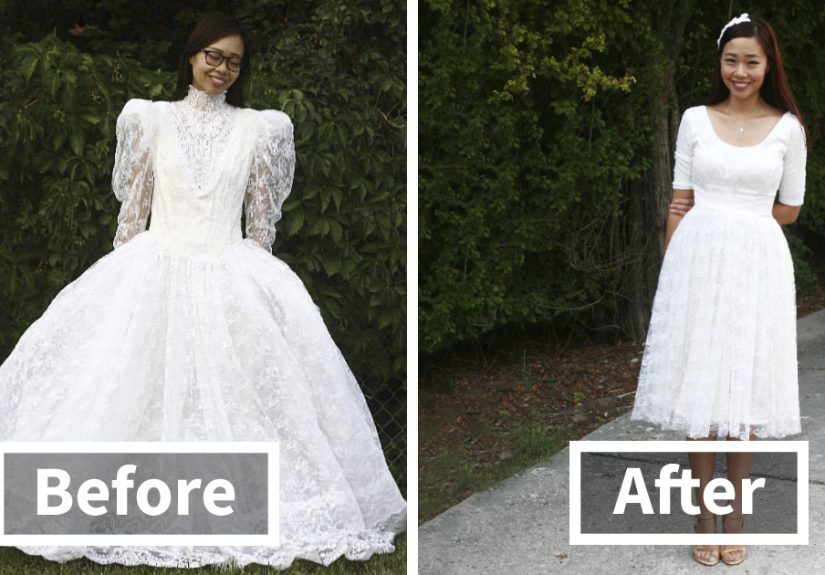
- 5) Dye, Patch, and Embellish: The “New Outfit” Without Buying One
- 6) Socks and Small Stuff: The Tiny Projects That Save Your Sanity
- Kid Clothes: Where the “Mom Magic” Really Shows
- What to Do With the Stuff You Can’t (or Shouldn’t) Upcycle
- Beginner Tools That Make a Big Difference (Without Buying a Craft Store)
- Common Upcycling Mistakes (and How Moms Avoid Them)
- A 30-Minute “Busy Mom” Starter Plan to Upcycle Old Clothes
- Conclusion: The Real Secret Behind These Amazing Clothing Transformations
- Real-Life Experiences (500+ Words): What It’s Actually Like to Upcycle Old Clothes at Home
Every house has the chair. You know the onewhere “not dirty but not clean” clothes go to live out their
days like tiny fabric ghosts. Now picture a mom looking at that mountain of tees, jeans, baby onesies, and
mismatched socks and thinking: “Cool. This is raw material.”
That mindset shiftseeing old clothes as a supply closet instead of a guilt pileis the secret sauce behind the
most jaw-dropping clothing upcycles. It’s not magic. It’s a system. A surprisingly practical one, built for
real life: short on time, heavy on laundry, and fueled by the desire to stop buying “one more thing” just to
solve a small problem.
In this guide, we’ll break down the exact approach many resourceful parents use to transform old clothes into
new outfits, home essentials, gifts, and keepsakeswithout turning your living room into a permanent craft
tornado. You’ll get specific upcycling ideas, beginner-friendly techniques, and a few “why didn’t I think of
that?” tricks that make you look like a DIY wizard… even if you’re still scared of sewing machines.
Why Upcycling Old Clothes Is More Than a Cute Hobby
Let’s be honest: part of the fun is the glow-up. But there’s a bigger reason this movement has exploded.
Americans buy a lot of clothing, and textiles add up fast in the waste stream. Even when we donate, not every
item can be resold, and damaged or wet donations can become unsellable. Upcycling helps you keep useful fabric
in circulation longerand it’s often the most budget-friendly “new” thing you can do.
There’s also the material reality of modern wardrobes. Many everyday garments contain synthetic fibers. Over
time (and especially through washing and wear), synthetics can shed tiny fibers that contribute to microplastic
pollution. You don’t need to panic and live in a linen yurtbut making clothes last longer is one of the most
practical steps an individual can take.
The good news? Secondhand and reuse culture is booming, and that’s a sign people are ready to treat clothing
differently. Upcycling sits right in the sweet spot: you get creativity, savings, and sustainabilityall while
reducing the “closet churn” that drains wallets and patience.
The “Mom Method”: A Simple System That Makes Upcycling Actually Happen
Pinterest is lovely, but it can also trick you into thinking you need 14 specialty tools and the confidence of
someone who owns a label maker. The moms who consistently transform old clothes tend to follow a simple routine.
Here it is, minus the unrealistic perfection.
Step 1: Sort Into Three Piles (No Overthinking Allowed)
- Wear/Repair: still wearable with minor fixes (missing button, small seam split).
- Share: donate/sell/pass along (clean, dry, good condition).
- Transform: stained, worn, outgrown, or “I can’t donate this but I can’t throw it out.”
The trick is speed. Give yourself 15 minutes, a podcast, and one rule: if you hesitate longer than five seconds,
it goes in the “Transform” pile. You can always promote it later.
Step 2: Match Fabric to the Right Kind of Project
This is where most beginners get frustrated. They pick a project that fights the fabric. A quick cheat sheet:
- Old T-shirts (knits): great for totes, quilts, rags, hair accessories, and patches.
- Jeans/denim: perfect for bags, aprons, tool rolls, sturdy patches, and organizers.
- Sweaters: ideal for mittens, cozy scarves, pillow covers, and soft toys (especially if felted).
- Button-down shirts: fantastic for kids’ aprons, skirts, pillowcases, and lightweight totes.
- Socks: surprisingly useful for dusting cloths, heating pads, and small plushies.
Step 3: Choose Your Difficulty Level Like a Sane Person
Some days you’re ready to refashion a dress. Other days you’re barely ready to answer a text message.
Upcycling works when you keep options at three levels:
- No-sew: cutting, tying, knotting, braiding, simple folding.
- Easy-sew: straight lines, hemming, basic seams.
- Glow-up: tailoring, adding panels, reshaping garments, patchwork art.
Transformations That Make People Say, “Wait… That Was a Shirt?”
Here are the crowd-pleasersprojects that look impressive, use common closet castoffs, and don’t require a craft
degree. Use these as templates, not rules. The best upcycled clothing ideas are the ones you’ll actually do.
1) The Classic: T-Shirt to Tote Bag (No-Sew or Sewn)
This is the gateway project because it delivers a useful result fast. A no-sew version can be done with scissors:
cut off sleeves, widen the neck, then tie fringe at the bottom. A sewn version is sturdier: turn inside out,
stitch the bottom shut, box the corners if you want it to stand up, and add reinforcement lines at stress points.
Pro tip: choose thick cotton tees or shirts with minimal stretch. If the fabric is super thin and worn, save it
for rags or quilt squares instead.
2) The Sentimental Favorite: A Memory Quilt or Pillow
If your family has “event shirts” (sports, concerts, school, races), turn them into a quilt that becomes a
living scrapbook. You can do a full quilt, or start small with a throw pillow: cut squares from favorite designs,
stabilize stretchy knit fabric with interfacing (or back it with woven cotton), and stitch them together.
The magic here isn’t just the finished blanketit’s the emotional upgrade. Those shirts stop haunting a drawer
and start showing up in your life again.
3) Denim Glow-Up: Jeans Into an Apron, Tool Roll, or Day Bag
Denim is basically the superhero of upcycling fabric: tough, forgiving, and already structured. For a quick win,
convert the legs into an apronkeep the waistband as the tie, cut the leg open, and use pockets as built-in
storage. For a tool roll, cut a rectangle, sew channels, and use a belt or cord to wrap it shut.
For bags, harvest the back pockets (instant design detail), reinforce seams, and use old belts as straps. If
you’re feeling fancy, add a contrasting patch or visible mending so stains look intentionalnot tragic.
4) Sweater Sorcery: Mittens, Cozy Collars, and Pillow Covers
Old sweatersespecially wool or thick knitsare perfect for cozy accessories. Mittens can be made from a simple
template, and the ribbed cuff becomes the wrist cuff like it was always meant to be there. Sweater pillow covers
are another win: cut two squares, stitch three sides, insert pillow form, then close with buttons or a zipper.
If the sweater is itchy, aim it at “decor” projects (pillows, baskets) rather than anything that touches skin.
5) Dye, Patch, and Embellish: The “New Outfit” Without Buying One
Some transformations don’t require reconstructionjust a makeover. A faded black dress can be overdyeed for a
deeper tone. A stained sweatshirt can become a patchwork statement piece. Embroidery, appliqué, iron-on patches,
and visible mending can turn “ruined” into “custom.”
The key is to treat flaws like design prompts. Stain? Put a patch over it. Tiny hole? Make it a deliberate
stitched motif. The goal is not to hide the historyit’s to style it.
6) Socks and Small Stuff: The Tiny Projects That Save Your Sanity
Single socks are not trash; they’re raw material with a mysterious origin story. Turn them into:
- Dusting mitts: slip it on your hand for blinds and baseboards.
- Heating pads: fill with rice, stitch shut, microwave briefly (follow safety guidance).
- Pet toys: stuff with fabric scraps, tie knots, supervise play.
Kid Clothes: Where the “Mom Magic” Really Shows
Parents become upcyclers out of necessity. Kids grow like time-lapse videos, and some clothes carry huge memories
(first holiday outfit, favorite pajamas, the shirt they insisted on wearing for a month straight).
Here are kid-clothes transformations that feel both practical and meaningful:
Onesies to Keepsakes
Turn a set of baby onesies into a patchwork pillow or mini quilt. Keep it small on purposetiny projects get
finished. You can also frame a favorite graphic (yes, like art) for a nursery or hallway wall.
Leggings to Headbands and Hair Ties
Stretchy fabric is perfect for braided headbands, scrunchies, and soft hair ties. It’s an easy “no-sew” win and
a good way to use fabric that’s too worn for donation.
School Tees to a “Growing Up” Blanket
Many families save school and team shirts for years. Instead of storing them forever, turn them into a
graduation gift: a memory blanket that follows them to dorm life or their first apartment. It’s sentimental,
useful, and far less dusty than a bin in the attic.
What to Do With the Stuff You Can’t (or Shouldn’t) Upcycle
Not every garment deserves a second act as fashion. Sometimes it needs to become something elseor exit your home
responsibly. If items are clean, dry, and in wearable condition, donating can help extend their life through
resale. Many donation systems sort items for retail, online sales, outlet stores, and salvage operations.
The #1 donation rule: never donate wet, mildewy, or heavily contaminated textiles. One “oops, it
was in the trunk during the rain” bag can ruin other items and increase waste. If it’s not donate-worthy, focus
on household reuse (rags, patches) or look for textile recycling options in your area.
A quick decision guide:
- Wearable + clean + dry → donate or sell.
- Not wearable but fabric is solid → upcycle into household items.
- Stretched-out synthetics, degraded elastic, heavy odor → consider textile recycling or disposal.
Beginner Tools That Make a Big Difference (Without Buying a Craft Store)
You can do a lot with scissors and determination, but a few basics make upcycling smoother:
- Fabric scissors: don’t use them on paper unless you enjoy sadness.
- Seam ripper: the quiet hero of removing pockets, zippers, and hems cleanly.
- Measuring tape + chalk/pencil: saves you from “why is one sleeve longer?” moments.
- Iron: pressing seams is the difference between “homemade” and “handmade.”
- Simple needle + strong thread: repairs and patches without a machine.
- Fusible web or iron-on patches: fast reinforcement for thin areas.
If you do sew, remember: straight seams are not a personality test. They’re just straight seams. Your first tote
might look like it survived a small storm. That’s normal. The second one will be better. The third one will get
compliments, and you’ll pretend it was always that easy.
Common Upcycling Mistakes (and How Moms Avoid Them)
Mistake: Cutting Before Washing
Always wash and dry first. Fabric shrinks, stains set, and mystery odors reveal themselves. Let laundry do the
pre-screening for you.
Mistake: Ignoring Stretch
Knit fabric behaves differently from woven fabric. If you’re making quilt squares from tees, stabilize the knit
or back it with a woven fabric to prevent wavy seams.
Mistake: Choosing a Project That’s Too Big
The best starter project is the one you can finish in one evening. Pick something small: a tote, a pillow, a set
of cleaning cloths, or patching a favorite pair of jeans.
Mistake: Trying to Make “Perfect” the Goal
Upcycling is often about progress, not perfection. Visible mending is popular for a reason: it celebrates repair
as a design choice. If it’s sturdy and useful, it’s a win.
A 30-Minute “Busy Mom” Starter Plan to Upcycle Old Clothes
If you want to try this without adopting a new identity (“Hi, I’m a full-time textile artist now”), do this:
- Pick one item: an old T-shirt or pair of jeans you’re ready to sacrifice.
- Pick one outcome: a tote bag, a set of rags, or a patch repair.
- Set a timer: 30 minutes. When it goes off, stop. The goal is momentum.
- Finish the edges (optional): knot fringe, stitch a seam, or apply an iron-on patch.
- Use it immediately: take the tote to the store, put the rags under the sink, wear the repaired jeans.
That last step matters. When the result enters your daily life, upcycling stops feeling like “crafting” and
starts feeling like a smart household skill.
Conclusion: The Real Secret Behind These Amazing Clothing Transformations
The “amazing mom” part isn’t that she has unlimited time or superhuman patience. It’s that she runs a simple
system: sort quickly, match fabric to the right project, choose the right difficulty level, and finish things
that actually get used.
Start with one transformation. One bag. One pillow. One patch. The goal is not to become a fashion designer
overnight. The goal is to look at old clothes and think, “I can make something useful out of this.”
Because you canand it’s ridiculously satisfying.
Real-Life Experiences (500+ Words): What It’s Actually Like to Upcycle Old Clothes at Home
Upcycling looks glamorous online: perfect lighting, a serene worktable, and a final “reveal” that makes you
wonder if scissors have secret superpowers. Real life is a little different. Real life is you trying to cut a
T-shirt into “even strips” while a child asks for a snack you just handed them, and the dog decides the
fabric scraps are a new hobby.
But that’s exactly why the best upcycling routines are built around tiny wins. Many parents start because of one
practical problem: “I need a bag for library books,” “My kid’s jeans have a knee hole again,” or “I cannot look
at this pile of shirts for one more week.” The first project is rarely runway-ready. The first no-sew tote might
hang a little lopsided. The first patch might be slightly crooked. And then something funny happens: you use it
anyway. And it works.
People often describe the second attempt as the turning point. The second tote gets sturdier because you
reinforce the handles. The second patch looks better because you trim the edges neatly. The third time you
realize you’ve built a skill without “training”just repetition. This is also where confidence shows up in the
most unexpected way: you stop being afraid of “ruining” old clothes because they were already headed out of
rotation. That freedom is oddly energizing. It turns a closet cleanout into a creative reset instead of a
guilt-fest.
Another common experience is the emotional one. Upcycling sentimental items feels different from tossing them in
storage. A memory pillow made from baby onesies can become something you hug on a hard day, not something you
trip over in an attic bin. A T-shirt quilt doesn’t just “save fabric”it saves stories. Families often mention
that these keepsakes spark conversations: kids ask about the shirt from an old vacation, or you remember the
day a certain paint stain happened. Somehow, the imperfections make it more meaningful. Nobody wants a perfect
museum piece; they want something alive.
There’s also a very practical satisfaction that shows up fast: upcycled items solve annoyances. A denim tool
roll keeps crayons from living in your couch. Old tees turned into rags make cleaning less wasteful and oddly
more pleasant (something about wiping a counter with a shirt you used to love feels like closure). Even the
small projectslike turning worn leggings into headbandsreduce the “we need to buy this” reflex. You start
scanning your home for materials instead of opening a shopping tab.
And yes, there are “oops” moments. Dye can turn out darker than expected. Cutting knit fabric can curl at the
edges like it’s trying to escape. One time you’ll make something and realize it’s… not cute. That’s when the
most experienced upcyclers do something surprisingly healthy: they repurpose again. The too-ugly tote
becomes a car trash bag. The weirdly sized shirt becomes sleepwear. The point is usefulness, not perfection.
The biggest real-life win people report is this: upcycling changes how you shop. When you’ve turned one old
garment into something genuinely useful, it’s harder to view clothing as disposable. You start choosing better
fabrics, caring for items longer, and feeling less pressure to constantly refresh your wardrobe. The closet
becomes less of a cycle and more of an ecosystem. And that’s the real “mom magic”not just transforming old
clothes, but transforming how a household thinks about them.