Table of Contents >> Show >> Hide
- What “The Rodeo” Means (and Why People Keep Chasing This Look)
- Why Gooseneck Lighting Works So Well Outdoors
- The Anatomy of a Rodeo-Style Gooseneck Light
- How to Choose the Right Brightness (Without Accidentally Summoning Aircraft)
- Outdoor Ratings That Actually Matter
- Materials, Finishes, and the Great “Black vs Galvanized” Debate
- Where the Rodeo-Style Gooseneck Light Looks Best
- Installation Considerations (A.K.A. The Part Where We Don’t Wing It)
- “Discontinued” Doesn’t Mean “Unavailable”: How to Recreate the Rodeo Look
- Buying Checklist: What to Look for on the Spec Sheet
- Conclusion: A Big Shade, A Smart Beam, and a Little Bit of Attitude
- Real-World Experiences: Living With a Rodeo-Style Gooseneck Light (Extra )
There are two kinds of outdoor lights in this world: the ones that politely illuminate your doorway, and the ones that
scream “WELCOME!” like a rodeo announcer with a megaphone. The Rodeo Warehouse Gooseneck Light sits comfortably in the middle
bold, practical, and just charming enough to make your garage look like it has a personality (and maybe a great mustache).
If you’ve ever admired those classic, big-shade “warehouse” fixtures on barns, workshops, old-school service stations, or
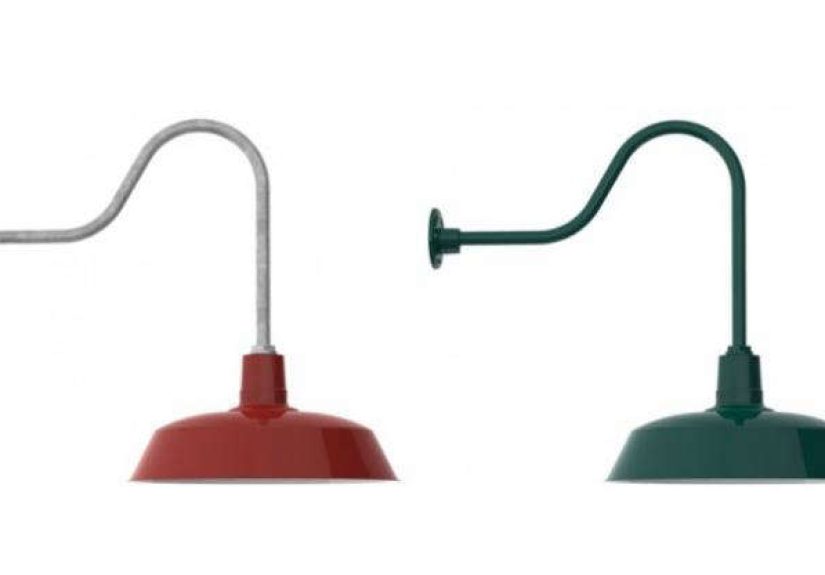
modern farmhouse porches, you already know the vibe: a generous metal shade, a curved gooseneck arm that pushes the light
outward, and a beam aimed down where humans actually live and walk. The Rodeo is part of that familyan RLM-inspired, commercial-grade
gooseneck fixture designed to deliver serious downlight without turning the night sky into a stadium scoreboard.
What “The Rodeo” Means (and Why People Keep Chasing This Look)
“Rodeo Warehouse Gooseneck Light” is best understood as a specific take on a classic warehouse/barn-light silhouette:
a large dome shade (famously in the 18–20-inch range), paired with a sturdier, longer arm that projects the light well away
from the wall. In practical terms, that projection matters. It moves the beam beyond eaves and trim, helping light land on
driveways, shop entrances, barn aisles, signage, and loading zonesplaces that need visibility, not mood lighting.
In the Barn Light Electric ecosystem, The Rodeo has been described as American-made, crafted from commercial-grade steel,
offered in both 18-inch and 20-inch shades, and paired with a “beefy” gooseneck arm (often referenced as a G24) that extends
the fixture to a 22+ inch projection. It’s also characterized as suitable for wet locations, which is a big deal if your weather
forecast includes “surprise sideways rain.” It’s the kind of fixture that looks decorative, but behaves like a tool.
One more twist: depending on where you’re shopping, you may see The Rodeo called out as discontinued. That doesn’t mean the
style is dead; it just means you may be recreating the look using similar large-shade gooseneck fixtures, warehouse shades,
or modern equivalents with comparable dimensions and ratings.
Why Gooseneck Lighting Works So Well Outdoors
1) It puts light where you need it: down and out
The gooseneck arm is basically a built-in “aiming” system. Instead of a fixture sitting tight to the wall and blasting light
into your siding (and your eyeballs), the arm moves the source outward so the beam can fall onto the ground planewalkways, doors,
thresholds, steps, work surfaces, and drive lanes.
2) It can improve visibility without the “prison yard” effect
There’s a common misconception that outdoor security lighting should be painfully bright. In reality, glare can work against you.
Extremely bright, poorly shielded lighting creates harsh contrast and deep shadowsexactly the places a person (or that one raccoon
who’s convinced your trash can is a buffet) can hide. A large-shade gooseneck fixture encourages downward distribution and reduces
uplight and spill, which can create more usable visibility.
3) It plays nicer with neighbors and the night sky
Dark-sky guidance consistently emphasizes directing light only where needed, reducing glare, and avoiding unnecessary uplight.
A warehouse shade that’s properly aimed (and not overpowered) naturally supports those principles. Translation: you can light your
entry without lighting up your neighbor’s bedroom like it’s a cameo appearance by the sun.
The Anatomy of a Rodeo-Style Gooseneck Light
The shade: big, bold, and functional
The shade isn’t just a fashion statement; it’s an optical tool. Larger shades generally create a wider pool of downlight and help
hide the light source from certain angles, reducing glare. An 18–20-inch dome is visually substantial (hello, curb appeal), but also
practical for lighting wider areas like a double garage door, a barn bay, or a workshop entrance.
The arm: projection is the secret sauce
Gooseneck arms come in different shapes and lengths. Shorter arms keep light closer to the wall; longer arms push it outward.
In the Rodeo style, the point is generous projectionuseful for doorways under overhangs, for illuminating signage, or for keeping
light from getting “stuck” on the façade.
The light source: bulb socket vs integrated LED
You’ll typically choose between:
-
Standard socket (often E26): Easy to replace, easy to customize with different bulbs, great if you’re picky about
dimming or warm-toned “vintage” light. -
Integrated LED: Cleaner look, often higher efficiency, and sometimes better weather sealing. Great when you want
long life and low maintenance.
Many modern gooseneck fixtures land in the “Goldilocks zone” of performanceenough lumens to be useful, a warm color temperature for
comfort, and good color rendering so your “navy blue” front door doesn’t look like “mystery gray.” Some outdoor gooseneck products
are listed around 1500 lumens with warm CCT options like 2700K, and high CRI values around 90an example of the kind of spec combo
that feels inviting while still being functional.
How to Choose the Right Brightness (Without Accidentally Summoning Aircraft)
Lumens: your real “brightness” number
Wattage tells you power use; lumens tell you light output. If you’re lighting a small porch, you may not need a ton of lumens.
If you’re lighting a long driveway edge, a barn aisle, or a workshop approach, you’ll want more outputor multiple fixtures spaced well.
Color temperature (Kelvin): mood meets function
Color temperature is measured in Kelvins (K). In plain English:
- 2200K–2700K: warm, cozy, classic “incandescent-ish” glow
- 3000K: still warm, but a bit crisperpopular for exterior residential
- 4000K+: cooler, more “task” oriented, can feel stark in residential settings
For Rodeo-style fixtures on homes, restaurants, and storefronts, warm to warm-neutral (roughly 2700K–3000K) tends to flatter finishes
and faces while staying practical. For work-heavy areas (like loading zones or repair bays), neutral-cool light can help with contrast,
but it’s wise to keep glare controlled and brightness reasonable.
CRI: the “why does everything look nicer?” metric
CRI (Color Rendering Index) measures how accurately colors appear under a light source compared to a reference. Higher CRI generally
means better color clarityuseful if you want your landscaping, paint colors, or signage to look like themselves instead of a weird
alternate-universe version.
Outdoor Ratings That Actually Matter
Dry vs damp vs wet: not just marketing words
Location ratings are there to prevent you from installing the wrong fixture in the wrong environment and then acting shocked when
weather does what weather does. In broad terms:
- Dry location: indoor, no meaningful moisture exposure
- Damp location: protected but humid or occasionally exposed (think covered porches)
- Wet location: directly exposed to water (uncovered exterior walls, rain, washdown areas)
If a Rodeo-style gooseneck light is going on an uncovered wall, prioritize a wet-location listed fixture. It’s also smart to remember
that “wet location” can mean more than rainsprinklers, coastal air, and seasonal storms count too.
UL and safety standards: the boring stuff that keeps your house from becoming a news story
In the U.S., outdoor luminaires are commonly evaluated against safety standards (including wet-location requirements for appropriate
products). When a product is listed for a wet location, it’s an indicator that it’s intended to handle direct exposure to water under
the conditions of its listing. It’s not a guarantee of immortality, but it’s a meaningful filter when shopping.
Materials, Finishes, and the Great “Black vs Galvanized” Debate
Rodeo-style fixtures are often associated with steel construction and durable exterior finishes. Here’s how the main options tend to
play out:
Powder coat finishes
Powder coating is popular because it’s durable, color-rich, and generally holds up well outdoors. It’s why you see gooseneck lights in
everything from classic black to cheerful reds, greens, and industrial grays. If you want your fixture to blend in, pick a finish that
matches trim, gutters, or hardware. If you want it to pop, choose a bold color and let it be the accessory your house never knew it needed.
Galvanized and metal finishes
Galvanized looks especially at home on barns, workshops, and farmhouse-inspired exteriors. It also tends to hide minor grime and weathering
better than glossy finishes. Natural metal options (like copper or brass on some product families) can develop patina, which is either
“beautiful character” or “I didn’t know it would do that,” depending on your personality.
Interior reflector color: the sneaky performance tweak
Some shades use a white interior to boost reflectance and increase perceived brightness on the ground. Dark interiors can feel moodier but
typically deliver less reflected output. If you’re lighting a work area, white interior is often your friend.
Where the Rodeo-Style Gooseneck Light Looks Best
Garages and workshops
A large shade and strong projection are perfect above garage doors, side entries, or workshop doorsareas where you want to see keys,
steps, and the occasional runaway screw that escaped your pocket.
Barns, sheds, and outbuildings
The barn-light origin story isn’t just aesthetic. These fixtures were born to light work zones: stalls, aisles, tack rooms, tool sheds,
and storage areas. A wet-rated fixture is especially helpful where dust and weather are part of daily life.
Storefronts and signage
The warehouse shade’s wide downlight works beautifully for sign illumination and entry lighting. It also reads as “intentional design,”
which is marketing you don’t have to pay extra for.
Porches and patios
The Rodeo style can look surprisingly refined on residential exteriorsespecially modern farmhouse, industrial, coastal, or “modern chateau”
looks. Pair a big shade with a warm LED and suddenly your porch feels like a place, not just a transition zone.
Installation Considerations (A.K.A. The Part Where We Don’t Wing It)
Gooseneck lights are straightforward, but outdoor wiring deserves respect. Typical installation instructions for gooseneck fixtures emphasize
disconnecting power at the panel, mounting to an appropriate junction box, and using gaskets or sealing components where specifieddetails that
matter for weather resistance and long-term reliability.
A few practical tips that help real installs go smoothly:
- Use a proper outdoor-rated box and cover: exterior mounting should be weatherproof/raintight where required.
- Mind the gasket: if the fixture includes a foam gasket or o-ring, it’s there for a reason. Use it correctly.
- Seal smart, not sloppy: quality exterior sealant can help around penetrations, but don’t block drainage paths.
- Check the aim at night: minor angle adjustments can reduce glare dramatically.
- Consider a photocell or timer: you’ll get consistent light without the “did I leave it on?” mental tax.
If you’re not comfortable working with line voltage, hire a licensed electrician. Your future self will appreciate the choiceespecially the
version of you who doesn’t enjoy troubleshooting circuits with a headlamp at 9 p.m.
“Discontinued” Doesn’t Mean “Unavailable”: How to Recreate the Rodeo Look
If you can’t buy the Rodeo by name, you can still build the effect by shopping features, not labels. Here’s the cheat sheet:
Step 1: Choose a large warehouse/barn shade
Target an 18–20-inch dome (or something in that visual weight class). This is what gives the fixture its confident, industrial silhouette
and broad downlight.
Step 2: Match the projection
Look for a longer gooseneck arm option so the fixture projects outward in the 20+ inch range. That projection is what makes the light more
useful over a driveway, walkway, or signage.
Step 3: Insist on the right rating
For uncovered exteriors, pick a wet-location listed fixture. If the area is protected (deep eaves, porch roof), damp-rated may be acceptable,
but wet-rated is often a safe “future-proof” choiceespecially in stormy climates.
Step 4: Pick a light source that matches the job
Want cozy curb appeal? Choose warm CCT and good CRI. Want task-forward visibility? Increase lumens, keep glare controlled, and consider a neutral
CCT. Either way, avoid blasting excessive brightness. You’re lighting a home or business, not interrogating the driveway.
Buying Checklist: What to Look for on the Spec Sheet
- Location rating: wet/damp as needed
- Materials: steel or aluminum with durable exterior finish
- Shade size: match scale to the building and the area you’re lighting
- Arm projection: long enough to cast light where you want it
- Lumens: right-sized for the space (more isn’t always better)
- CCT & CRI: warm/welcoming vs task/crisp; higher CRI for better color
- Controls: photocell, timer, dimming compatibility if desired
- Glare control: shade design, aiming, and beam cutoff matter
Conclusion: A Big Shade, A Smart Beam, and a Little Bit of Attitude
The Rodeo Warehouse Gooseneck Light endures because it solves a real problem with style: it delivers generous, directed outdoor light with a form
that looks equally at home on a working barn, a modern garage, or a storefront trying to look confidently timeless.
Whether you find the original fixture, track down old stock, or recreate the look with a comparable wet-rated, large-shade gooseneck light, the
winning formula stays the same: good projection, controlled glare, sensible brightness, and durable construction. Do that, and you’ll get lighting
that feels intentionallike your building dressed itself on purpose.
Real-World Experiences: Living With a Rodeo-Style Gooseneck Light (Extra )
The first thing you notice after installing a big gooseneck warehouse shade is that your building suddenly looks like it has a job. Even if your
“workshop” is technically a place where you store holiday decorations and an unopened treadmill (no judgment), that big dome shade and long arm say,
“Tools are used here. Projects happen here. At minimum, we own a screwdriver.”
In day-to-day use, projection is the quiet hero. A shorter fixture can leave you with light that lands too close to the wall, which sounds fine
until you’re trying to unlock a door with groceries, dodge a step, and avoid the slippery spot you didn’t know existed because it’s living in the
shadows like a tiny, wet villain. A Rodeo-style arm pushes the beam outward so the ground is lit where you’re actually standing. It’s a small
difference that feels huge at nightespecially in rain, when every reflective surface becomes a spotlight of chaos.
Another real-life win is the shade’s glare control. People don’t always realize how much they hate glare until it’s gone. With a big shade aimed
properly, you can walk toward your garage without squinting, and you can look up without getting flashbanged by your own house. That alone makes
the fixture feel “expensive,” even if the real upgrade was simply choosing a sensible brightness level and a warm LED.
Speaking of brightness: the temptation is real. You’ll see high-lumen options and think, “Surely brighter means safer.” Then you install it and your
driveway looks like a UFO landing pad, your dog refuses to go outside because it feels like a stage, and your neighbor starts wearing an eye mask.
The sweet spot is almost always lower than you think. A warm 2700K–3000K light with solid output can feel welcoming and still let you see clearly,
especially if the beam is directed well. If you need more coverage, adding a second fixture at the right spacing often beats one super-bright fixture
that creates harsh contrast.
Maintenance-wise, a durable finish is worth it. Outdoor fixtures live a hard life: sun, rain, dust, pollen, spider webs, and the occasional bird
with questionable priorities. Powder-coated finishes tend to clean up nicely with gentle soap and water. Galvanized finishes can be forgiving when
grime happens. If you’re in a coastal or high-humidity area, you’ll be glad you didn’t pick a bargain fixture that starts aging like it’s in a time-lapse
video.
Finally, there’s the “design ripple effect.” People install a Rodeo-style gooseneck light because they need better lighting, and then suddenly they’re
repainting trim, adding house numbers, or swapping hardware because the light made everything else more visibleliterally and aesthetically. It’s like
your home got a haircut and now you’re thinking, “Should we also upgrade the wardrobe?” The good news is: even if you stop at the light, you still win.
You’ll have a fixture that’s functional, classic, and just rugged enough to feel like it could survive a real rodeo (or at least a particularly spicy
thunderstorm).