Table of Contents >> Show >> Hide
- Why The Munsters Still Works (And Why It’s Not Just “The Other Monster Family”)
- How These Rankings Work
- The Munsters Universe Rankings: Shows, Movies, and Reboots
- #1: The Munsters (1964–1966) The Blueprint
- #2: Munster, Go Home! (1966) Bigger, Brighter, Still Munster-y
- #3: The Munsters’ Revenge (1981) The Reunion Comfort Watch
- #4: Mockingbird Lane (2012) The “Almost” That’s Fun to Argue About
- #5: Here Come the Munsters (1995) A Halloween TV-Movie Time Capsule
- #6: The Munsters Today (1988–1991) The Syndication Sandwich
- #7: The Munsters (2022 film) Big Choices, Big Opinions
- Best Munsters Episodes: A Friendly Top 10 (With Reasons)
- Character Rankings: Who Carries the Coffin… Er, the Show?
- Hot Takes (That Are Still Served Warm and Friendly)
- Experiences: How Fans Actually Live With “The Munsters” (500+ Words)
- Final Verdict: Your Ranking Is the Point
If you’ve ever looked at a “perfect American family” on TV and thought, needs more cobwebs,
welcome homepreferably to a creaky old place at 1313 Mockingbird Lane. The Munsters
has a rare superpower: it’s spooky without being mean, silly without being dumb, and sweet without
turning into a sugar coma. It’s a sitcom where the most terrifying thing isn’t Dracula Grandpa’s
capeit’s the HOA energy of the neighbors.
But here’s where things get fun (and mildly chaotic): once you fall down the Munster-sized trapdoor,
you don’t just watch the original series. You start comparing the shows, the movies, the reboots, the
pilots-that-never-became-a-series, and the episodes you swear you’ve seen… until Grandpa’s latest
“simple potion” makes you forget your own name.
So let’s do what fans have been doing for decades: rank The Munsters universe, argue politely
(or not), and crown the best of Mockingbird Heightswith love, logic, and just a pinch of werewolf hair.
Why The Munsters Still Works (And Why It’s Not Just “The Other Monster Family”)
The genius of The Munsters isn’t that it’s about monstersit’s that it’s about normal.
Herman wants to provide for his family. Lily runs the house and keeps the peace. Grandpa is basically
a walking “do not try this at home” label. Eddie is a kid trying to fit in. Marilyn is the “odd one out,”
which flips the usual sitcom script in a way that still feels clever today.
The show’s best jokes land because the Munsters are sincere. They’re not trying to scare anyone.
They’re trying to be neighborlywhile also owning a pet dragon and parking a hot rod/hearse in the driveway.
The tension comes from the outside world panicking over a family that’s actually kind.
That combinationclassic monster-movie imagery + suburban sitcom rhythmscreates a timeless comfort-watch.
Even when a gag is corny, it’s the kind of corny you want to keep in your pocket like Halloween candy
you “accidentally” didn’t share.
How These Rankings Work
Rankings are opinions wearing tiny suits. Mine uses five criteria, each worth 10 points:
- Rewatchability: Would you happily run it back?
- Munster-ness: Does it feel like this family (heart + oddball charm)?
- Comedy Hit Rate: How often do jokes actually land?
- Character Chemistry: Do the relationships sparkle?
- Cultural “Stickiness”: Did it leave a footprint bigger than Herman’s boots?
Important note: you might rank differentlyand you should. Your list says as much about your taste as it does
about the franchise. That’s the whole point.
The Munsters Universe Rankings: Shows, Movies, and Reboots
| Rank | Title | Why Fans Keep Talking About It | Score (50) |
|---|---|---|---|
| #1 | The Munsters (1964–1966) | The gold standard: cozy monster sitcom + peak cast chemistry. | 47/50 |
| #2 | Munster, Go Home! (1966) | Color, bigger canvas, and a “fish-out-of-water” twist that mostly works. | 39/50 |
| #3 | The Munsters’ Revenge (1981) | A reunion vibe with a TV-movie plotbest when Herman and Grandpa are cooking. | 36/50 |
| #4 | Mockingbird Lane (2012 special) | Ambitious tone, modern pacing, and a “what if?” that’s fun to dissect. | 34/50 |
| #5 | Here Come the Munsters (1995) | Origin-style TV movie energy; charming in spots, uneven in others. | 31/50 |
| #6 | The Munsters Today (1988–1991) | A comfort-food revivallighter bite, but it keeps the family-friendly spirit. | 30/50 |
| #7 | The Munsters (2022 film) | A bold aesthetic swing: some fans love the color-and-camp commitment, others don’t. | 28/50 |
#1: The Munsters (1964–1966) The Blueprint
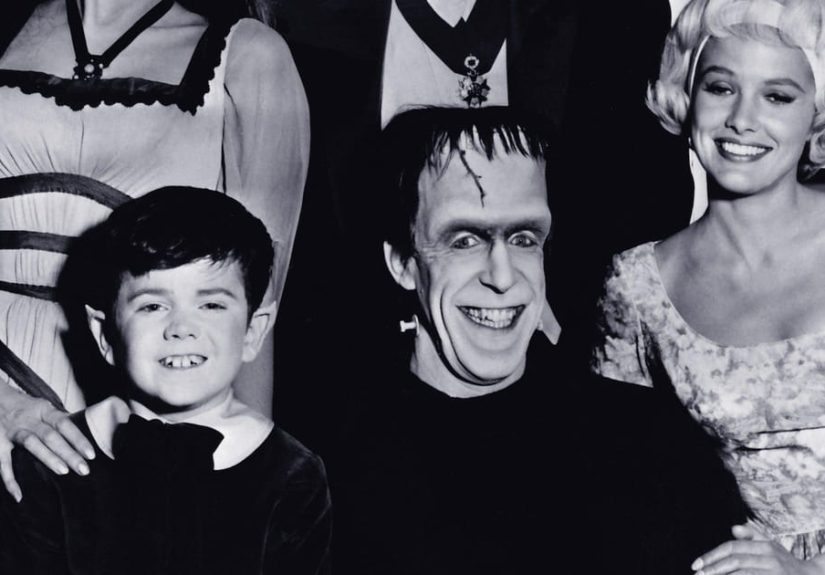
The original series is the one most rankings orbit around, because it nails the “sweet spot”:
spooky visuals + soft-hearted storytelling. Herman is huge but gentle, Lily is elegant but grounded,
Grandpa is chaotic in a way that somehow still feels like family, and the show’s suburban satire
doesn’t need a giant speech to landit just lets normal people overreact while the monsters act normal.
Also: the iconic stuff lives here. The mansion. The running gags. The vibe that says,
“Yes, we’re weird, but we brought snacks.”
#2: Munster, Go Home! (1966) Bigger, Brighter, Still Munster-y
This one gets points for expanding the world and embracing color. It’s not the same tight sitcom rhythm,
but it’s a solid “next step” after the seriesespecially if you like the idea of the Munsters colliding
with a new environment and raising eyebrows everywhere they go.
#3: The Munsters’ Revenge (1981) The Reunion Comfort Watch
TV reunion movies often feel like class reunions: some nostalgia, some awkwardness, and somebody
trying too hard to be funny. But when The Munsters’ Revenge leans on Herman/Grandpa antics,
it taps into what made the original pop. If you treat it as a bonus chapternot a replacementit’s
an easy watch.
#4: Mockingbird Lane (2012) The “Almost” That’s Fun to Argue About
Mockingbird Lane is a fascinating case study: modern style, a different tone balance, and a
“reimagining” approach that tries to stretch the concept into something part-sitcom, part-drama,
part-horror-comedy. Whether you love it or not, it’s great for debate because it asks a real question:
what does The Munsters become when you update everything except the central idea
(a loving family that doesn’t fit in)?
#5: Here Come the Munsters (1995) A Halloween TV-Movie Time Capsule
This one plays like a themed event: it wants to be an origin-ish story and a family adventure at once.
It’s not as consistently funny as the original, but it has a “cozy cable-era” charmespecially if you
like seeing how different decades interpret the same characters.
#6: The Munsters Today (1988–1991) The Syndication Sandwich
Revivals live and die by chemistry. The Munsters Today keeps the friendly tone and aims for
a lighter, modern (for its time) sitcom feel. It’s not the original lightning-in-a-bottle, but it’s
pleasantly watchableespecially if you enjoy comfort TV and don’t mind that the humor is a different flavor.
#7: The Munsters (2022 film) Big Choices, Big Opinions
The 2022 film is the most divisive entry on this list because it commits hard to a specific kind of
campy, colorful, heightened style. Some viewers love that it leans into retro goofiness; others miss
the original’s simpler sitcom warmth. Either way, it’s a reminder that tone is the real
boss battle for every Munsters reboot.
Best Munsters Episodes: A Friendly Top 10 (With Reasons)
The “best episodes” conversation is where fans turn into trial lawyers (in a fun way).
Here’s a list that balances iconic moments, strong jokes, and the episodes that best represent the show’s
heart-and-humor formula.
-
“My Fair Munster” (Season 1)
The early-series charm is strong here: misunderstandings, social awkwardness, and the Munsters being
unintentionally adorable while the “normal” folks spiral. -
“Rock-a-Bye Munster” (Season 1)
A classic misunderstanding plot with the added bonus of iconic Munsters lore and peak family chaos. -
“Family Portrait” (Season 1)
The Munsters as the “average American family” is basically the thesis of the whole showplayed for laughs
and weirdly wholesome in the best way. -
“Munster Masquerade” (Season 1)
The ideal pilot energy: it sets the world, locks the tone, and makes the family immediately likable. -
“A Walk on the Mild Side” (Season 1)
A strong example of the show’s signature move: the Munsters try to do a normal thing, and normal society
treats it like the end of civilization. -
“Hot Rod Herman” (Season 1)
If you want the “monster sitcom meets car culture” flavor, this is a standout. It’s also a great Grandpa episode
because his solutions are always… energetic. -
“Herman the Great” (Season 1)
The show’s physical comedy shines when Herman is placed in situations built for disaster (and gentle triumph). -
“Herman the Rookie” (Season 1)
Munsters + sports plots tend to deliver because Herman’s earnest confidence is comedy rocket fuel. -
“Knock Wood, Here Comes Charlie” (Season 1)
Great for the “outsiders vs. neighborhood expectations” angle, with the family’s warmth doing the heavy lifting. -
“Low-Cal Munster” (Season 1)
A time-capsule premise that still hits because it’s less about the topic and more about the characters reacting
in very Munster ways.
Pro tip: if you’re new, start with a mixone early “setup” episode, one “society freaks out” episode, and one
Grandpa-scheme episode. That three-episode sampler is basically the Munsters in miniature.
Character Rankings: Who Carries the Coffin… Er, the Show?
This is where fights start at Halloween parties (lovingly). Here’s my character power ranking, based on
comedic impact and how essential they are to the show’s heart.
#1 Herman Munster The Gentle Giant MVP
Herman is the engine of empathy. He’s goofy, sincere, and endlessly patient with a world that treats him like
a walking emergency. He’s also the show’s best “mirror”: when outsiders act cruel or petty, Herman’s decency
makes them look ridiculous.
#2 Grandpa Chaos in a Cape (Affectionate)
Grandpa is the sitcom equivalent of giving a toddler access to a chemistry lab. His plans are confident,
under-tested, and usually on fire by minute eight. He drives plots, delivers punchlines, and keeps the tone
from becoming too sweet.
#3 Lily The Secret Sauce
Lily is the household’s stabilizer and, quietly, one of the funniest characters. Her composure makes the madness
around her even funnier. She’s also the emotional glueshe loves her family fiercely, even when they’re
accidentally demolishing the living room.
#4 Marilyn The “Normal” One Who Shows What Normal Means
Marilyn’s role is clever: she’s the “ordinary” character, but she’s the one who’s constantly reminded
that “ordinary” is just a social agreement. She gives the show its outsider-within-the-family dynamic.
#5 Eddie The Kid Who Makes the Monster World Feel Like Home
Eddie adds sweetness and a child’s logic to the monster concept. He’s also a great excuse for the show to explore
school, friendships, and the awkwardness of growing upjust with slightly more fur.
Honorable Mention: Spot (Yes, the Pet Dragon)
Spot is the perfect example of Munsters logic: a literal dragon is treated like a beloved household pet.
That’s the show in one image.
Hot Takes (That Are Still Served Warm and Friendly)
1) The best Munsters stories aren’t about monstersthey’re about manners.
The funniest episodes often boil down to the family being polite while outsiders behave badly. It’s a comedy
inversion that still feels fresh because it’s fundamentally optimistic.
2) The franchise lives or dies on tone, not lore.
You can change the decade, the format, the visual stylefine. But if you lose the “sweet monster family” core,
it stops feeling like The Munsters and starts feeling like “a spooky thing that happens to have familiar names.”
3) The Munster Koach might be the most iconic “supporting character.”
Some shows have a famous couch. Some have a famous bar. The Munsters has a famous hot rod/hearse that looks like
it was built by a mad scientist who moonlights at an auto show. Respect.
Experiences: How Fans Actually Live With “The Munsters” (500+ Words)
Talking about The Munsters rankings is fun, but the real magic is how the show shows up in people’s lives.
For many fans, it’s not a “prestige TV” relationshipit’s a comfort relationship. It’s the kind of show you put on
when you want your brain to unclench. The stakes are low, the laughs are warm, and even the spooky bits feel like
a Halloween decoration that has never once tried to bite you.
A common experience (especially for newer viewers) is the surprise factor: you expect something purely dated, and
instead you get a show that’s oddly gentle. The Munsters don’t feel cynical. They don’t feel mean-spirited.
When people react to them with fear, the show usually frames that fear as the punchline. That can hit harder than
you’d think, because a lot of us have had moments where we felt “too different” for the roommaybe not
Frankenstein-dad different, but still different. Watching a family thrive while being misunderstood can be
reassuring in a sneaky way.
Rankings often start as “Which version is best?” and quickly evolve into “What am I in the mood for?” That’s why,
in practice, many fans keep multiple favorites. The original series becomes the baselineyour “pure Munsters”
option. The reunion and reboot projects become seasonal watches. Around October, you might find yourself craving the
Halloween-adjacent entries, the TV movies, or the episodes with extra monster-movie flavor. In other months, you go
back to the black-and-white series because it feels like classic comfort TV: a tidy episode, a neat ending, and a
sense that kindness wins even if the neighborhood is full of pearl-clutching weirdos.
Another shared fan experience is the “episode evangelism” ritual. One person says, “I’ve never seen it,” and
suddenly someone else becomes a curator. They’ll recommend a starter pack: an early episode for introductions,
a Grandpa-scheme episode for laughs, and a “society panics” episode for the show’s core satire. This is where the
best-episode lists become less about declaring a winner and more about building a pathway. It’s less “This is the
greatest episode ever made,” and more “This is the one that will make you get why people love this show.”
Then there’s the collector/nostalgia side. Even if you’re not a hardcore memorabilia person, the Munsters has a
distinctive visual identity that invites fandom: the mansion silhouette, the hearse-hot-rod absurdity, Grandpa’s
lab vibes, Lily’s gothic elegance. People end up expressing their fandom in small waysHalloween decor nods,
rewatch traditions, themed viewing nights, or simply quoting lines and referencing the family like they’re old
neighbors. The show is unusually shareable because it’s family-friendly without being childish, and spooky without
being intense. You can introduce it to someone who doesn’t like horror, and they’ll still be finebecause the
“scary” part is mostly aesthetic, not emotional.
Finally, one of the most relatable experiences is realizing your rankings change over time. When you’re younger,
you might rank Eddie episodes higher because kid logic is fun. Later, you might become a Lily fan because you
appreciate the quiet competence of holding a household together while your father-in-law runs experiments.
Or you might move Grandpa to the top because, honestly, adulthood teaches you that many people are one bad idea away
from becoming a Grandpa plot. That’s the enduring charm of The Munsters opinions debate: it’s not just
about what’s “best.” It’s about what feels best right now.
Final Verdict: Your Ranking Is the Point
If you want a single takeaway, it’s this: the definitive #1 for most people will always be the original
1964–1966 series, because it defines the tone and makes the characters unforgettable.
But the rest of the Munsters universe still mattersbecause each entry is a different answer to the same question:
“What happens when a loving family doesn’t fit the neighborhood’s idea of normal?”
So make your list. Defend it dramatically. Change it next year. And if anyone judges you for ranking Spot the dragon
above a human character, just tell them the Munsters would never treat a pet like thatand neither should we.