Table of Contents >> Show >> Hide
- Why Reheating Steak Is So Tricky
- The Best Overall Method: Low Oven, Then Quick Sear
- When Sous Vide Is Even Better
- The Best Method by Steak Type
- Can You Reheat Steak in the Microwave?
- Can an Air Fryer Reheat Steak?
- The Method Some Cooks Swear By: Don’t Reheat at All
- Common Mistakes That Ruin Reheated Steak
- Food Safety Tips for Leftover Steak
- Best Add-Ons That Help Reheated Steak Taste Better
- Quick Guide: Which Reheating Method Should You Use?
- Final Verdict
- Real-World Steak Reheating Experiences and What They Teach You
- SEO Tags
Leftover steak is a little like a movie sequel. Sometimes it surprises you. Sometimes it disappoints you. And sometimes it turns a glorious medium-rare ribeye into something that feels suspiciously like a leather wallet. The good news is that reheated steak does not have to be sad. With the right method, yesterday’s New York strip can come back juicy, beefy, and pleasantly crusty instead of gray, dry, and emotionally unavailable.
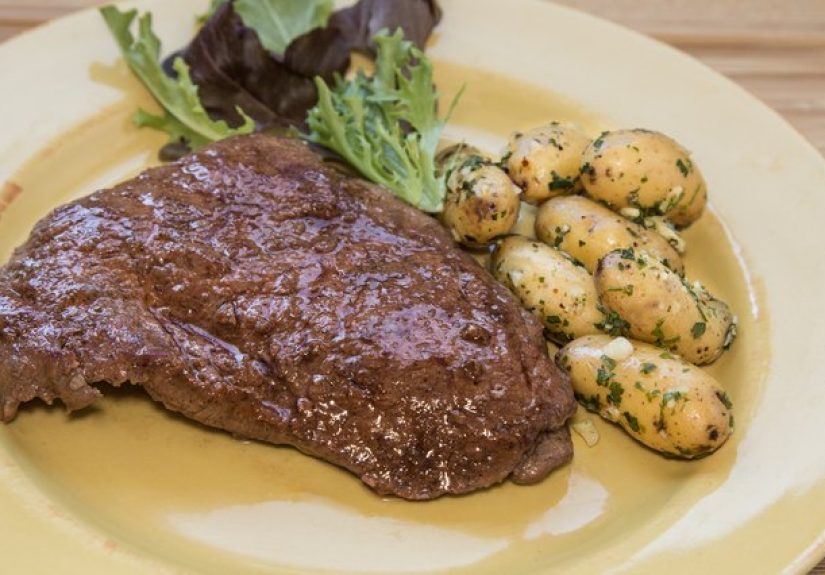
So what is the best way to reheat steaks? For most home cooks, it is a low oven followed by a fast skillet sear. This method warms the center gently, protects the juices better than blasting the steak with high heat, and brings back some of that lovely browned crust at the end. It is not magic, but it is close enough to make you feel smug in your own kitchen.
In this guide, we will break down why this method works, how to do it step by step, when sous vide might be even better, what to avoid, and how to rescue everything from a thick ribeye to sliced sirloin. If you have ever stared at leftover steak in the fridge and thought, “I paid good money for you, don’t let me down,” this one is for you.
Why Reheating Steak Is So Tricky
Steak is not like soup. Soup can be reheated half-asleep while wearing mismatched socks and still come out fine. Steak is fussier because it was probably cooked to a very specific doneness the first time. Reheat it too aggressively, and the tender pink center keeps cooking until it crosses over into dry territory.
The real problem is temperature control. If you use intense heat from the start, the outer layers of the meat overcook before the center even gets warm. That is why microwaved steak often turns rubbery and why blasting it in a skillet can leave you with a hot crust wrapped around a chewy middle. Good reheating is really about patience. It is less “attack the steak” and more “gently persuade it back to life.”
The Best Overall Method: Low Oven, Then Quick Sear
If you want the best balance of juicy interior, decent crust, and easy execution, this is the winner. Think of it as the leftover version of reverse searing. First, you warm the steak slowly in a low oven. Then you finish it in a hot skillet for just long enough to wake up the outside.
Why this method works
A low oven warms the meat gradually instead of shocking it. That gentle heat helps the center rise in temperature without squeezing out as much moisture. Finishing with a quick sear restores some browning and texture, which matters because no one dreams about eating pale steak.
What you need
- Leftover steak, preferably at least 1 inch thick
- A sheet pan
- A wire rack, if you have one
- An oven
- A skillet, ideally cast iron or stainless steel
- A little neutral oil
- An instant-read thermometer
How to do it
- Take the steak out of the fridge and let it sit for about 20 to 30 minutes. You do not need to let it lounge around for half the afternoon, but taking the chill off helps it heat more evenly.
- Preheat the oven to 250°F.
- Set the steak on a wire rack over a sheet pan. If you do not have a rack, place it directly on the pan and flip it once halfway through.
- Warm the steak until the internal temperature reaches about 100°F to 110°F. For many steaks, that takes around 20 to 30 minutes, but thickness matters more than the clock.
- Heat a skillet over medium-high to high heat with a small amount of oil.
- Sear the steak for about 30 to 60 seconds per side, just enough to refresh the crust.
- Rest it for a few minutes, slice, and serve.
The result is the best juice-to-crust ratio most home kitchens can achieve with leftover steak. It is also flexible. Ribeye, strip steak, sirloin, filet, and even a thick flank steak can all benefit from this method.
When Sous Vide Is Even Better
If you own a sous vide setup, congratulations: you have unlocked the deluxe edition of steak reheating. Sous vide is arguably the gentlest way to reheat steak because the meat warms slowly in a controlled water bath, often in its own juices. That means less moisture loss and a lower chance of overshooting the doneness.
How sous vide reheating works
Seal the steak in a food-safe bag, set the water temperature near your target serving temperature, and let the steak warm through. Then give it a brief sear in a very hot pan if you want the crust back. It is especially good for thick, expensive steaks you really do not want to ruin. The downside is obvious: not everyone has a sous vide machine hanging out next to the toaster.
So yes, sous vide may be the best technical method. But the low-oven-and-sear method remains the best practical method for most readers, which is why it gets the crown in this article.
The Best Method by Steak Type
Thick steaks
Ribeye, strip, porterhouse, T-bone, and filet do best with the oven-plus-sear method. Their thickness gives you a larger margin for error, and the quick finish helps revive the crust.
Thin steaks
Skirt, flank, or thin sirloin can go straight to a skillet over medium heat with a touch of oil. They reheat fast, so an oven step is usually unnecessary. Watch them carefully because thin steaks go from “nicely warmed” to “why is this chewing back?” in record time.
Sliced steak
If the steak is already sliced, do not try to bully it back into greatness with high heat. Warm it gently in a skillet with a spoonful of broth, pan juices, or even a little butter. Moisture is your friend here.
Can You Reheat Steak in the Microwave?
Yes. Should you? Only if convenience is the boss and quality has agreed to take a short coffee break.
The microwave can work in a pinch, especially for sliced steak going into a rice bowl, sandwich, or salad. The trick is to lower the power and go slowly.
How to make the microwave less awful
- Use medium power, not full blast
- Heat in 30-second intervals
- Cover the steak loosely with a damp paper towel or microwave cover
- Add a splash of broth or some meat juices if available
- Flip between intervals
This will not recreate a steakhouse crust. It will, however, give you a workable lunch without turning your steak into a punishment.
Can an Air Fryer Reheat Steak?
Yes, and it is surprisingly useful. An air fryer acts like a speedy mini convection oven, which means it can warm steak quickly while helping the outside stay reasonably appealing. For many people, it is a strong backup option.
Preheat to around 350°F, place the steak in the basket, and heat for 3 to 5 minutes depending on thickness. The risk is that it can go too far, too fast, especially with thinner steaks. In other words, the air fryer is helpful, but it is not the king. Think of it as a very capable understudy.
The Method Some Cooks Swear By: Don’t Reheat at All
Here is where the steak conversation gets fun. Some food writers and chefs argue that reheating steak is a lost cause and that leftover steak is better served cold or at room temperature. Honestly, they are not wrong.
Cold sliced steak can be fantastic in a salad, sandwich, wrap, grain bowl, or taco. If your original steak was beautifully cooked medium-rare, cold leftovers may preserve that texture better than any reheating method. Add arugula, shaved Parmesan, tomatoes, and a punchy vinaigrette, and suddenly you are not “eating leftovers.” You are “having a composed lunch.” Huge difference for morale.
Common Mistakes That Ruin Reheated Steak
Using heat that is too high too soon
This is the biggest mistake. High heat from the start overcooks the outside before the inside has a chance to warm.
Skipping a thermometer
Steak is not a great candidate for guessing games. If you care about results, use an instant-read thermometer.
Reheating it for too long
Even the best method cannot save a steak that spends ages in the oven. You are warming it, not cooking it from scratch again.
Expecting perfection
Let us be honest. Reheated steak can be excellent, but it will not be identical to a freshly cooked steak that just rested on the cutting board. The goal is “very good leftovers,” not “time travel.”
Food Safety Tips for Leftover Steak
Quality matters, but safety matters more. If the steak sat out too long after dinner, do not try to redeem it with a heroic reheating session. Store leftovers promptly, ideally within two hours. Keep them refrigerated and aim to eat them within a few days. If you are not planning to eat them soon, freeze them.
From a food-safety standpoint, reheating leftovers thoroughly is the safest move. From a texture standpoint, that can push a steak beyond its ideal doneness. That is the trade-off. The best strategy is to start with properly stored leftovers, reheat only what you will eat, and avoid reheating the same steak again and again like it owes you rent.
Best Add-Ons That Help Reheated Steak Taste Better
Sometimes the easiest way to improve reheated steak is not changing the steak. It is changing what goes with it.
- Pan sauce: A quick sauce with butter, shallot, broth, and black pepper adds moisture and makes leftovers feel intentional.
- Compound butter: Garlic-herb butter melting over reheated steak covers a multitude of sins.
- Broth or au jus: Especially helpful for sliced steak.
- Crisp salad: Great if you choose the “do not reheat” camp.
- Eggs: Reheated steak and eggs can turn a lonely leftover into a very respectable breakfast.
Quick Guide: Which Reheating Method Should You Use?
Choose low oven plus sear if:
- You have a thick steak
- You want the best overall texture
- You care about bringing back the crust
Choose sous vide if:
- You own the equipment
- You are reheating an expensive steak
- You want maximum juiciness with minimal stress
Choose stovetop only if:
- The steak is thin or already sliced
- You are short on time
- You can add a bit of moisture
Choose microwave if:
- You are busy
- You are hungry
- You are realistic
Choose no reheating at all if:
- Your steak was cooked beautifully the first time
- You are making salad, sandwiches, tacos, or grain bowls
- You want the easiest path to delicious leftovers
Final Verdict
The best way to reheat steaks for most people is simple: warm them slowly in a 250°F oven until they hit about 100°F to 110°F, then finish with a quick sear in a hot skillet. It is the most reliable way to protect the interior, refresh the outside, and avoid the tragedy of overcooked leftovers.
If you own a sous vide machine, that method may edge out the oven on pure tenderness. If you are dealing with thin slices, a skillet with a splash of broth can be the smarter move. And if your steak was already perfect, do not overlook the cold-salad route. Sometimes the best reheating trick is knowing when not to reheat at all.
Either way, leftover steak deserves more respect than a 90-second nuclear blast. Treat it gently, use a thermometer, and give it the kind of comeback story it deserves.
Real-World Steak Reheating Experiences and What They Teach You
Anyone who cooks steak more than once in a while learns the same lesson sooner or later: leftover steak has a personality. It does not react the same way as chicken, pasta, or chili. One night you reheat a ribeye carefully and it tastes almost restaurant-good. Another night you toss a sirloin into a screaming-hot pan because you are impatient, and suddenly dinner has the texture of a belt. That contrast is exactly why method matters so much.
A common experience goes like this: someone spends good money on a thick steak, cooks it beautifully, then stores the leftovers with every intention of enjoying them the next day. Noon arrives, hunger arrives, patience does not. The microwave gets involved. Thirty seconds seems harmless, so they do thirty more, then thirty more “just to be safe.” What comes out is technically warm, but the steak is tight, dry, and weirdly sad. The flavor is still there, but the texture has left the building.
Now compare that with the first time a home cook tries the low-oven method. It feels almost too gentle. There is a moment of doubt because nothing dramatic is happening. No sizzle, no smoke, no action-movie soundtrack. But when the steak comes out of the oven warmed through and then hits a hot skillet for a fast sear, the difference is obvious. The center stays tender, the crust perks back up, and the whole thing tastes like an intelligent decision was made.
Another very real experience is discovering that not every leftover steak should be treated the same way. Thick filet? Great candidate for oven and sear. Thin flank steak from fajita night? That one often does better sliced and quickly warmed with a little oil or broth. Already cut steak from a steak salad or rice bowl? Gentle reheating matters even more, because every cut edge is an opportunity for moisture to escape. In other words, the steak is not being dramatic. It is simply reacting to physics.
There is also the surprisingly happy experience of giving up on reheating altogether. Plenty of people discover this by accident. They try a cold slice of leftover steak while making lunch, then another, then suddenly they are building a salad with arugula, shaved Parmesan, tomatoes, and vinaigrette like they host a cooking show in their kitchen. Cold steak can be excellent. It keeps its doneness, feels intentional, and avoids the whole overcooking problem entirely.
Then there is the fancy-kitchen experience: sous vide. People who try it usually have the same reaction. They realize the steak warms evenly, stays juicy, and feels almost unfairly easy. But even they often admit that for everyday life, the low-oven-and-sear approach is the more practical winner. It uses tools most people already have and still gives excellent results.
The big takeaway from all these real-life steak moments is simple. Reheated steak is not doomed. It just punishes rushed decisions. Go low and slow, restore the crust at the end, add moisture when needed, and do not be afraid to serve it cold in the right dish. Leftover steak can still feel like a treat. You just have to stop treating it like an emergency.