Table of Contents >> Show >> Hide
- Why Heated Socks Are Worth It
- The Best Heated Socks to Buy This Winter
- The Best Heated and Cold-Weather Gear to Pair With Them
- Heated vest: ororo 5-Zone Heated Vest
- Heated jacket: Milwaukee M12 Heated Jacket
- Heated gloves or mittens: Gerbing and other winter-tested options
- Rechargeable hand warmers: Ocoopa and similar pocket-size lifesavers
- Merino base layers: Smartwool and other high-quality wool blends
- The unglamorous hero: a windproof, waterproof outer shell
- How to Choose the Right Heated Socks and Gear
- Common Winter Warmth Mistakes
- Winter Warmth Field Notes: Real-World Experiences That Actually Matter
- Conclusion
Winter has a sneaky little talent: it starts with “Wow, this snow is beautiful,” and ends with you questioning every life choice that led to standing in a parking lot with frozen toes. That is exactly why heated socks and modern cold-weather gear have become so popular. They are no longer gimmicky gadgets for one ultra-committed skier named Brad. Done right, they are practical tools that make winter walks, workdays, commutes, ski trips, football games, hunting mornings, and dog patrols dramatically more comfortable.
The trick, however, is knowing what heated gear can actually do. Heated socks are fantastic for boosting warmth at the feet, especially if you deal with poor circulation or spend long stretches standing still. But they are not magic. If your boots are too tight, your socks are sweaty, your base layers are cotton, and the wind is slicing through your jacket like it has a personal grudge against you, even expensive heated gear will struggle. The best setup is a system: dry base layers, insulation, weather protection, and targeted heat where you need it most.
That is why the smartest winter shoppers are not just looking for the hottest socks. They are building a warmer, more efficient kit. Below is the gear that stands out this season, plus the features that matter most if you want to stay warm without waddling around like a microwave burrito in boots.
Why Heated Socks Are Worth It
The biggest reason heated socks work so well is simple: cold feet can ruin everything. You can have a warm torso, a solid jacket, and a heroic attitude, but once your toes go numb, the day starts to feel personal. Heated socks target one of the hardest areas to keep comfortable because feet are trapped in boots, exposed to snow and slush, and often dealing with reduced circulation in cold weather.
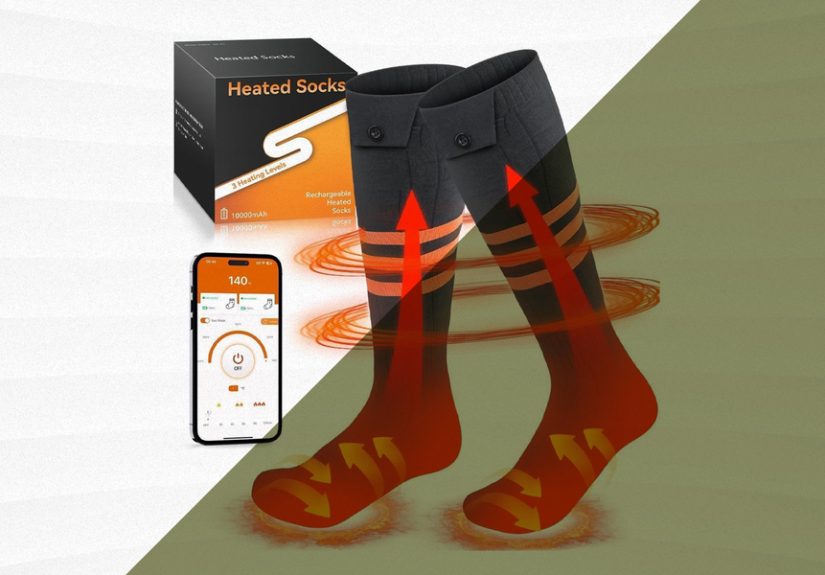
Good heated socks usually warm the toe box or forefoot area, offer multiple heat settings, and pair with rechargeable batteries mounted near the upper calf. The better models do not just blast heat; they balance warmth, moisture management, and fit. That is important, because bulky socks can create pressure inside boots, and pressure reduces circulation. Translation: a sock can technically be “warmer” and still make your feet feel colder if the fit is wrong. Winter is rude like that.
The Best Heated Socks to Buy This Winter
1. Best overall for serious winter use: Therm-ic Powersocks Heat Fusion
If you want heated socks that feel designed for actual winter use rather than “I found these online at 2 a.m.” use, Therm-ic remains one of the strongest picks. The brand’s Heat Fusion line is especially appealing for skiers, winter hikers, and anyone who wants cleaner fit and strong battery performance. The big selling point is balanced warmth around the toes, a technical sock build, and battery options that can stretch runtime significantly depending on the pack you choose.
These are the socks for people who want a premium setup and do not mind paying for it. They work especially well when you need long-duration warmth and a more performance-oriented feel inside winter boots or ski boots. If your winter plans involve chairlifts, dawn starts, and the phrase “wind chill” appearing too often, this is a top-tier choice.
2. Best for maximum warmth: Gerbing 7V Ultimate Wool Heated Socks
Gerbing is a familiar name in heated apparel, and its heated socks are made for people who are not interested in “mildly less cold.” They want actual heat. The Gerbing 7V models are a strong option for anyone who spends hours outside at a time, whether that means hunting, working outdoors, spectating, or walking into weather that feels legally suspicious. Wool blend construction also helps with moisture management and comfort, which matters more than people realize.
The brand is particularly attractive if you want a heated gear ecosystem. If you end up loving the socks, it is easy to move into Gerbing gloves or other heated pieces without learning a whole new battery universe. Winter gear people love an ecosystem almost as much as they love saying “merino.”
3. Best for skiing and dialed-in fit: Hotronic XLP P series
Hotronic has a strong reputation among skiers for one reason: fit matters a lot inside a ski boot, and clunky gear gets annoying fast. The XLP P series is built to keep the battery and heating system less obtrusive, which is a major advantage for people wearing snug, performance-fit boots. When your footwear is already locked in like a handshake from a retired boxer, low-profile design is not optional.
If your main concern is keeping your toes warm without wrecking the fit of your boots, this is one of the smartest premium options on the market. It is less about lounging in cozy warmth and more about staying functional in technical winter gear.
4. Best value heated socks: ActionHeat 5V Wool Heated Socks
ActionHeat makes heated socks that hit a useful middle ground for shoppers who want real warmth without going straight to the high-end ski-shop price bracket. These are a practical choice for casual winter wear, outdoor chores, cold commutes, and weekend trips where you want extra comfort but do not necessarily need a full alpine-grade setup.
The value play here is easy to understand: decent warmth, straightforward operation, and a wool-based build that feels more like real winter apparel and less like a science project. For many people, that is enough. If your goal is “keep my feet warm while shoveling the driveway and watching the kids’ game,” this category makes a lot of sense.
The Best Heated and Cold-Weather Gear to Pair With Them
Heated vest: ororo 5-Zone Heated Vest
A heated vest is one of the smartest winter buys because it warms your core without piling bulk onto your arms. That means better movement for commuting, walking, working, or layering under a shell. ororo continues to be one of the most recognizable names in this category, and its multi-zone heated vests are especially appealing because they spread warmth across the torso and collar while staying surprisingly wearable.
If heated socks are the answer for cold feet, a heated vest is the answer for people who always say, “My body is warm enough, but I still feel chilled.” Core warmth changes everything. Once your torso is comfortable, your whole system tends to work better.
Heated jacket: Milwaukee M12 Heated Jacket
If your winter is less “ski lodge chic” and more “I have to be outside because life is unfair,” Milwaukee’s heated outerwear deserves a look. These jackets are built with workwear sensibilities, which means durability, weather resistance, and heating zones focused on core areas and pockets. They are especially useful for tradespeople, property maintenance crews, outdoor workers, and anyone who wants warmth that feels rugged rather than delicate.
The appeal is not just heat. It is heat plus function. If you need a jacket that can deal with actual winter conditions instead of looking pretty near a latte, Milwaukee makes a compelling case.
Heated gloves or mittens: Gerbing and other winter-tested options
Hands and feet usually freeze together like an awful buddy comedy. So if you are serious about staying warm, pair heated socks with heated gloves or very warm insulated mittens. Heated gloves are ideal for ski days, long outdoor events, and work situations where dexterity still matters. Mittens remain the warmer choice for lower-activity days because fingers share heat better together. Yes, your kindergarten teacher was right all along.
If you spend more time standing still than moving, adding hand heat often does more for comfort than upgrading your jacket again. Extremities are drama queens in winter. Keep them happy.
Rechargeable hand warmers: Ocoopa and similar pocket-size lifesavers
Rechargeable hand warmers are one of the best “small but mighty” additions to a winter kit. They are useful when you do not want full heated gloves, and they are easy to stash in pockets, coat liners, or daypacks. Good models heat quickly, offer several settings, and last long enough for games, walks, and travel days. They are also handy as backup warmth when your gloves are not quite cutting it.
For travelers and commuters, this category punches above its weight. A tiny rechargeable warmer can turn an irritatingly cold day into a manageable one, which is honestly the kind of character development most of us are looking for between November and March.
Merino base layers: Smartwool and other high-quality wool blends
Heated gear works better when your first layer is doing its job. That means wicking moisture, regulating temperature, and staying comfortable against skin. Merino wool base layers continue to earn their reputation because they are warm, breathable, naturally odor-resistant, and more versatile than many budget synthetics. Smartwool’s all-season merino options are a strong example of the category done right.
This is the piece many people skip, then blame the socks. Do not blame the socks. If your base layer traps sweat or stays damp, your body loses heat faster and everything above it has to work harder.
The unglamorous hero: a windproof, waterproof outer shell
Let us give a quick standing ovation to the shell jacket and shell pants. They are not exciting. Nobody gasps when you say, “This is my moisture-resistant outer layer.” But wind and wet conditions destroy warmth. The best heated socks and vest in the world will feel underwhelming if cold wind is ripping through your clothing and snowmelt is creeping into your boots.
Think of heated gear as a boost, not a substitute for real layering. A shell keeps the weather out. Insulation keeps heat in. Heated elements add targeted comfort. That trio is where winter starts to feel beatable.
How to Choose the Right Heated Socks and Gear
Prioritize fit over raw heat
A sock that feels too thick inside your boot can compress your foot and reduce circulation. That defeats the purpose. Look for heated socks that match your intended use: slimmer for ski boots, roomier for snow boots and casual winter footwear.
Watch the battery life claims
Runtime usually depends on the heat setting. Manufacturers love to advertise the maximum number, but that is often on the lowest setting. Real-world winter use lives somewhere in the middle. For all-day use, strong batteries and adjustable settings matter more than flashy heat-blast promises.
Choose moisture-wicking materials
Merino wool blends and technical synthetics are much better choices than cotton. Once moisture hangs around your feet, warmth drops quickly. Dry feet are warm feet. This is one of winter’s least glamorous truths and one of its most important.
Think about your activity level
If you are hiking uphill, snowshoeing, or doing physical work, you may need less active heat and more breathability. If you are sitting in a blind, watching a game, or standing at a lift line, heated gear becomes much more valuable. Buy for your real life, not your fantasy life where you are apparently an arctic explorer every weekend.
Common Winter Warmth Mistakes
The biggest mistake is overdressing in the wrong way. People pile on layers, sweat, then get colder. The second mistake is stuffing thick socks into tight boots and cutting off circulation. The third is assuming heated gear means you can ignore weatherproofing. You cannot. Wet cold is a different beast, and it wins arguments quickly.
Another mistake is running heated gear at maximum output from the start. Often, it is smarter to begin at a medium setting, let your body warm up gradually, and save the highest setting for ugly weather or long inactive stretches. That gives you better comfort and better battery management.
Winter Warmth Field Notes: Real-World Experiences That Actually Matter
The most convincing thing about heated socks and warm winter gear is not the spec sheet. It is the moment you realize your day is still enjoyable after two hours outside. That is the real magic.
Take the early-morning dog walker. It is 6:15 a.m., still dark, and the sidewalk has that crunchy, slightly menacing layer of old snow. Usually, the walk begins with optimism and ends with numb toes by the second block. Add heated socks, a merino base layer, a heated vest, and a weatherproof shell, and suddenly the walk feels manageable. The dog still acts like every shrub is breaking news, but at least your feet are not filing complaints.
Then there is the parent on the sidelines at a weekend soccer tournament that should absolutely not be happening in forty-degree drizzle. Heated socks inside waterproof boots, a rechargeable hand warmer in the coat pocket, and a heated vest under a rain shell can turn “Why did I agree to this?” into “Okay, this is survivable.” That matters because comfort changes patience, and patience is a precious winter resource.
For skiers, the experience is different. The goal is not just warmth. It is warmth without bulk. A good pair of heated socks with a low-profile battery system can solve that miserable mid-mountain toe freeze that happens after a few lift rides and too much standing around. Add a breathable merino base layer and a shell that blocks wind without trapping a swamp of sweat, and the whole day runs better. You spend less time stomping around in the lodge trying to resurrect your feet and more time actually skiing.
Outdoor workers tell a different story. Their issue is not a cute winter outing. It is hours of exposure, often before sunrise, often in sloppy conditions. In that situation, a rugged heated jacket, dependable gloves, insulated boots, and heated socks are not luxuries. They can be the difference between working effectively and counting the minutes until you can get back into the truck. When your job keeps you outside, warmth is productivity.
Even travel changes with the right gear. Airports, winter city trips, outdoor holiday markets, and cold train platforms all feel better when you do not have to dress like a stuffed sleeping bag. A heated vest under a normal-looking coat, warm socks, and a pocket-size hand warmer can give you flexibility without the Michelin Man silhouette. You can stay comfortable, look reasonably human in photos, and avoid buying emergency souvenir gloves that say something like “Snow Much Fun!”
The common theme in all these experiences is simple: winter feels a lot less dramatic when your core, hands, and feet stay dry and warm. Heated gear does not need to turn you into a human toaster. It just needs to close the gap between cold misery and actual comfort. And once you cross that gap, winter becomes a season you can use instead of just endure.
Conclusion
The best heated socks and winter gear are not about chasing gimmicks. They are about solving real cold-weather problems with smarter layers, better materials, and targeted heat where your body loses comfort first. If your feet freeze easily, start with quality heated socks. If your torso always feels chilled, add a heated vest. If you work outdoors or spend long hours in brutal conditions, a heated jacket and reliable gloves can make a huge difference.
But the real secret is balance. Choose moisture-wicking base layers, protect yourself from wind and wet weather, make sure your footwear is not too tight, and use heated gear as part of a complete winter system. Do that, and winter goes from enemy to inconvenience. And honestly, that is a huge upgrade.