Table of Contents >> Show >> Hide
- What Is Sugar Wax?
- What Is Traditional Waxing?
- Sugar Wax vs. Waxing: The Main Differences
- Benefits of Sugar Wax
- Benefits of Traditional Waxing
- Risks and Side Effects of Sugar Waxing and Waxing
- Who Should Avoid Sugar Waxing or Waxing?
- How Long Should Hair Be Before Sugar Waxing or Waxing?
- DIY Sugar Wax Recipe
- How to Use Sugar Wax at Home
- How to Wax Safely at Home
- Aftercare: What to Do After Sugar Waxing or Waxing
- Sugar Wax vs. Waxing: Which Is Better?
- Real-Life Experiences and Practical Lessons
- Conclusion
Hair removal has a talent for turning ordinary people into brave little warriors. One minute you are standing in your bathroom with a spatula, a strip, and a dream; the next minute you are negotiating with your leg like it owes you rent. Among the many ways to remove unwanted hair, two methods keep getting compared: sugar wax, also called sugaring, and traditional waxing.
Both sugar waxing and waxing remove hair from the root, which means smoother skin for longer than shaving. But they are not identical twins. Sugar wax is usually made from sugar, lemon juice, and water, while traditional waxes may contain resins, oils, beeswax, synthetic ingredients, or soothing additives. Sugaring is often praised as the gentler, easier-to-clean cousin of waxing. Traditional waxing, meanwhile, is fast, widely available, and excellent for larger or coarser areas when done correctly.
So which one deserves a spot in your beauty routine? Let’s compare sugar wax vs. waxing in plain English: how each works, benefits, risks, who should avoid them, aftercare tips, and a simple DIY sugar wax recipe you can make at home without turning your kitchen into a candy laboratory.
What Is Sugar Wax?
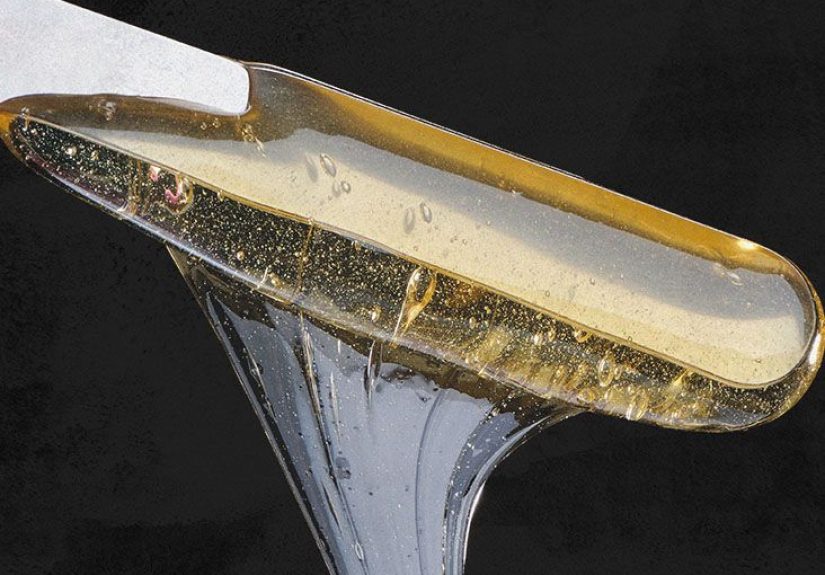
Sugar wax is a sticky hair removal paste made from sugar, lemon juice, and water. Some recipes add a small amount of salt or honey, but the classic version is beautifully simple. The ingredients are heated until they become a thick, amber-colored paste. Once cooled to a safe, warm temperature, the paste is applied to the skin and removed quickly to pull hair out from the root.
Sugaring is not new. It is often described as an ancient hair removal method, and it has recently become popular again among people who want a more natural, minimal-ingredient option. The big selling point is that sugar paste is water-soluble. In everyday terms, that means leftover stickiness rinses away with warm water instead of clinging to your skin like a bad decision.
What Is Traditional Waxing?
Traditional waxing uses warm or cold wax to grip the hair and remove it from the follicle. There are two common types: soft wax and hard wax. Soft wax is applied thinly and removed with a cloth or paper strip. Hard wax is applied in a thicker layer, hardens slightly, and is removed without a strip.
Waxing is common for legs, arms, underarms, bikini lines, backs, chests, and facial areas such as the upper lip or brows. When done well, it can leave skin smooth for three to six weeks, depending on hair growth, hormones, genetics, and how dramatically your follicles choose to behave.
Sugar Wax vs. Waxing: The Main Differences
1. Ingredients
Sugar wax usually contains only sugar, lemon juice, and water. Traditional wax can contain resin, waxes, oils, fragrances, colorants, and other additives. This does not automatically make one good and the other bad. “Natural” does not always mean irritation-free, and synthetic ingredients are not automatically villains in tiny lab coats. However, people who prefer short ingredient lists often like sugaring.
2. Application and Removal Direction
In many sugaring techniques, the paste is applied against the direction of hair growth and removed in the direction of growth. Traditional waxing is often applied with the direction of hair growth and pulled off against it. This difference is one reason sugaring fans say it may cause less hair breakage and fewer ingrown hairs.
3. Skin Adhesion
Sugar paste is commonly described as sticking more to hair and dead skin cells than to live skin. Wax can adhere more strongly to the skin’s surface, which may make waxing feel more intense and can increase the chance of redness, tenderness, or skin lifting, especially on delicate facial skin.
4. Temperature
Sugar wax is usually used warm or at room temperature. Traditional wax often needs to be heated. If wax gets too hot, it can burn the skin. This is especially important with microwave wax kits, because heating can be uneven. One side of the container may feel fine while the middle is basically lava with branding.
5. Cleanup
Sugar wax dissolves in water, making cleanup easier. Traditional wax may need oil-based removers. If you have ever tried to remove wax residue from your ankle while standing on one foot and questioning your choices, you understand why this matters.
Benefits of Sugar Wax
Gentler Feel for Some Skin Types
Many people find sugaring less painful than waxing, especially on sensitive areas. Because sugar paste may not grip the skin as aggressively as traditional wax, it can feel less harsh. That said, sugaring still removes hair from the root, so it is not exactly a spa nap. Expect a quick sting, not a lullaby.
Simple, Familiar Ingredients
Sugar, lemon juice, and water are easy to recognize. This is appealing to people who are cautious about fragrances, dyes, or resin-based products. Fewer ingredients may mean fewer possible irritants, though lemon juice can still bother sensitive skin.
Water-Soluble and Easy to Rinse
Sugar paste rinses off with warm water. This makes cleanup less frustrating and may reduce the need for heavy oils after hair removal. It also makes sugaring easier for beginners who are learning at home and do not want sticky evidence on every towel in the house.
May Reduce Breakage
Because sugaring is often removed in the direction of hair growth, some people experience less hair breakage. Less breakage can mean smoother results and potentially fewer ingrown hairs, although technique and aftercare matter just as much.
Can Be Affordable at Home
A homemade sugar wax recipe costs very little compared with salon appointments. If you already have sugar and lemon juice in the kitchen, you are halfway there. Just remember that cheap does not mean careless. Hot sugar can burn, and a bad technique can irritate skin.
Benefits of Traditional Waxing
Fast and Efficient
Waxing can cover larger areas quickly, especially legs, arms, backs, and chests. A skilled professional can wax a large area in less time than many sugaring sessions. If your goal is speed, traditional waxing is hard to beat.
Works Well on Coarse Hair
Traditional wax can be very effective for thick or coarse hair. Hard wax, in particular, is often used on sensitive areas because it can grip stubborn hair without always requiring strips.
Widely Available
Waxing services are easy to find in salons, spas, and brow studios. Sugaring is becoming more popular, but it is still not available everywhere. If you live in a smaller town, waxing may be the more realistic option.
Long-Lasting Smoothness
Since waxing removes hair from the root, results generally last longer than shaving. Many people notice smoother skin for several weeks. With consistent waxing, some hair may grow back softer or finer over time, though results vary.
Risks and Side Effects of Sugar Waxing and Waxing
Both methods can be safe when done correctly, but neither is risk-free. Any time hair is pulled from the root, the skin experiences stress. Think of it as a tiny eviction notice for each hair follicle. The skin may object.
Redness and Irritation
Temporary redness, tenderness, and mild swelling are common after both sugaring and waxing. This usually fades within a few hours to a day. Sensitive areas such as the face, underarms, and bikini line may react more strongly.
Ingrown Hairs
Ingrown hairs happen when removed hair grows back into the skin instead of up and out. They can appear as red bumps, dark spots, itchy patches, or painful little troublemakers. People with curly or coarse hair may be more prone to ingrown hairs.
Burns
Burns are more common with heated wax or overheated sugar paste. Hot sugar is especially dangerous because it sticks to the skin and can continue burning until removed. Always test temperature before applying any wax or paste to a larger area.
Skin Lifting
Skin lifting occurs when the top layer of skin is pulled away along with the hair. This can happen with traditional waxing, especially on the face or when the skin barrier is already weakened. People using retinoids, retinol, acne medications, exfoliating acids, or certain prescription treatments should be extra cautious.
Post-Inflammatory Hyperpigmentation
Any irritation or injury can lead to temporary dark marks, especially in medium to deep skin tones. This is called post-inflammatory hyperpigmentation. It can happen after waxing, sugaring, burns, picking, or inflamed ingrown hairs.
Folliculitis and Infection
Folliculitis is inflammation of the hair follicle and may look like small pimples or tender bumps. Infection risk increases if tools are dirty, wax is reused, skin is broken, or aftercare is ignored. Double-dipping sticks at a salon is a major hygiene red flag. Your wax pot should not be a community soup.
Who Should Avoid Sugar Waxing or Waxing?
Skip sugaring or waxing on skin that is sunburned, irritated, inflamed, bruised, cut, infected, or actively breaking out. Do not wax over warts, moles, fresh scars, rashes, or open wounds. Avoid waxing areas treated recently with chemical peels, laser treatments, or strong exfoliants unless your dermatologist says it is safe.
Be careful if you use retinoids, retinol, tretinoin, adapalene, isotretinoin, alpha hydroxy acids, beta hydroxy acids, or acne prescriptions. These products can make the skin more fragile. Facial waxing while using retinoids can lead to skin lifting, raw patches, or burns.
If you have diabetes, poor circulation, eczema, psoriasis, a history of keloids, immune system concerns, or frequent skin infections, ask a healthcare professional before waxing or sugaring. Professional advice is not dramatic; it is practical. Your skin is not a testing ground for internet confidence.
How Long Should Hair Be Before Sugar Waxing or Waxing?
For the best results, hair should usually be about one-fourth to three-fourths of an inch long. If it is too short, the wax or sugar paste may not grip it well. If it is too long, the process can feel more painful and messy. Trim longer hair carefully with clean safety scissors before starting.
DIY Sugar Wax Recipe
This simple sugar wax recipe uses the classic 2:1 sugar-to-liquid ratio. It is best for people who already understand basic kitchen safety and are willing to test carefully before applying it to skin.
Ingredients
- 1 cup white granulated sugar
- 1/4 cup lemon juice
- 1/4 cup water
Tools
- Medium saucepan
- Wooden spoon or heat-safe spatula
- Candy thermometer, if available
- Clean glass jar or heat-safe container
- Powder, such as cornstarch or arrowroot, for skin prep
Instructions
- Add sugar, lemon juice, and water to a saucepan.
- Heat over medium heat, stirring gently until the sugar dissolves.
- Let the mixture simmer until it turns golden honey or light amber.
- Remove from heat before it gets dark brown. Dark sugar wax can become too hard.
- Carefully pour it into a clean heat-safe container.
- Let it cool until warm, flexible, and safe to touch. Never apply hot sugar wax to your skin.
Texture Test
Once cooled, the paste should be thick and stretchy, not watery and not rock-hard. If it is too runny, it may need slightly more cooking. If it is too hard, you may have cooked it too long. This is normal for beginners. Sugar wax has a learning curve, and sometimes the first batch becomes caramel with commitment issues.
How to Use Sugar Wax at Home
- Cleanse the area and dry it completely.
- Lightly dust the skin with cornstarch or arrowroot to absorb moisture.
- Take a small ball of cooled sugar paste.
- Spread it against the direction of hair growth.
- Hold the skin taut.
- Flick or pull the paste off in the direction of hair growth.
- Repeat only if the skin is tolerating it. Do not attack the same spot again and again.
- Rinse residue with warm water and apply a gentle, fragrance-free moisturizer.
How to Wax Safely at Home
If you choose traditional waxing, follow the product directions exactly. Test the wax temperature on a small area first. Apply wax in the recommended direction, keep the skin taut, and remove quickly. Hesitation makes waxing more painful, like slowly removing a Band-Aid while making eye contact with your own fear.
Never wax over the same irritated patch repeatedly. Do not wax right after a hot shower, intense workout, tanning session, or exfoliating treatment. Avoid using numbing creams unless recommended by a healthcare professional, because some topical pain-relief products can be risky when used heavily or under occlusion.
Aftercare: What to Do After Sugar Waxing or Waxing
Good aftercare can make the difference between smooth skin and a red, bumpy rebellion. For the first 24 to 48 hours, avoid hot baths, saunas, heavy sweating, tight clothing, fragranced lotions, tanning, and harsh exfoliants. Keep the area clean, cool, and calm.
After a couple of days, gentle exfoliation may help prevent ingrown hairs. Use a soft washcloth or a mild chemical exfoliant if your skin tolerates it. Do not scrub aggressively. Your skin just had hair pulled out by the root; it does not need a second career as sandpaper.
Sugar Wax vs. Waxing: Which Is Better?
Choose sugar wax if you want a simple ingredient list, easier cleanup, and a potentially gentler experience. It may be especially appealing for sensitive skin, smaller areas, or people who dislike wax residue.
Choose traditional waxing if you want speed, professional availability, and strong performance on coarse or dense hair. Waxing may be more convenient for large areas such as legs, backs, and chests.
The best choice depends on your skin, hair type, pain tolerance, budget, and technique. A skilled professional using traditional wax may give better results than a beginner using sugar wax at home. Likewise, a careful sugaring appointment may be kinder to sensitive skin than a rushed wax job. The method matters, but the person doing it matters just as much.
Real-Life Experiences and Practical Lessons
Experience teaches hair removal lessons that no product label can fully explain. For example, many beginners assume sugar wax will behave like soft wax from a drugstore kit. It does not. Sugar paste has a personality. If it is too warm, it may spread everywhere. If it is too cool, it may refuse to move. If your skin is damp, it may lose its grip and slide around like it is avoiding responsibility. The first lesson is patience. Work in small sections, especially on curved areas like knees, ankles, underarms, and bikini lines.
Another common experience is underestimating hair length. When hair is too short, both sugar wax and traditional wax struggle to grab it. People then keep reapplying, tugging, and irritating the same area. The result is not smooth skin; it is angry skin with a personal grudge. Waiting until hair is long enough may feel annoying, but it usually makes the process cleaner and more effective.
Pain also varies more than people expect. The first session often feels the strongest because the hair is dense and firmly rooted. Over time, regular removal may feel easier for some people. Areas with thinner skin or denser nerve endings, such as the upper lip, bikini line, and underarms, usually sting more than legs or arms. Breathing out during the pull helps. So does not looking at the strip like it is a horror movie villain.
People with sensitive skin often learn that preparation matters more than bravery. A gentle cleanse, completely dry skin, light powder, and clean tools can improve results. On the other hand, waxing after exfoliating, using retinol, tanning, or shaving too recently can lead to irritation. Many “waxing disasters” are not caused by wax alone; they are caused by timing.
Post-care is another area where experience speaks loudly. Tight leggings after a leg wax may seem harmless until friction creates bumps. A sweaty gym session after underarm sugaring can turn tenderness into irritation. Fragranced body lotion may smell like vanilla cupcakes, but freshly waxed skin may interpret it as betrayal. For the first day or two, boring products are best: cool water, loose clothing, fragrance-free moisturizer, and restraint.
DIY sugar wax can be rewarding, but it is not always the easiest place to start. Beginners often do better practicing on lower legs before trying underarms, bikini areas, or the face. Facial skin is thinner and more reactive, so professional help is wise if you are unsure. If a batch of sugar wax fails, do not treat it as a personal flaw. Even experienced DIY fans occasionally overcook or undercook a batch. The sugar does not care about your confidence.
Salon experiences vary too. A good professional should ask about medications, retinoids, skin conditions, recent exfoliation, sun exposure, and allergies. The space should look clean, tools should be sanitary, and applicator sticks should not be double-dipped. If something feels off, leave. Smooth skin is nice, but safe skin is better.
The biggest lesson from comparing sugar wax vs. waxing is that there is no universal winner. Sugaring may be better for one person’s sensitive underarms, while traditional hard wax may work beautifully for another person’s coarse bikini-line hair. Some people rotate methods by body area. Others decide shaving, trimming, threading, laser hair removal, or simply leaving the hair alone is the better choice. Hair removal is optional, not a moral achievement. Your skin does not need to pass a smoothness exam.
Conclusion
Sugar wax and traditional waxing both remove hair from the root and can leave skin smooth for weeks. Sugar wax stands out for its simple ingredients, water-soluble cleanup, and potentially gentler feel. Traditional waxing wins points for speed, availability, and effectiveness on larger or coarser areas. Both can cause redness, irritation, ingrown hairs, burns, folliculitis, or discoloration if done incorrectly or on vulnerable skin.
If you are new to hair removal, start small, patch test, follow directions, and respect your skin’s limits. Skip waxing or sugaring when your skin is irritated, sunburned, recently exfoliated, or affected by medications that increase sensitivity. When in doubt, ask a dermatologist or licensed professional. The goal is smooth skin, not a dramatic bathroom origin story.