Table of Contents >> Show >> Hide
- What People Mean When They Say “Steamed Eggs”
- Why Steaming Makes Eggs So Tender
- The Golden Rule: Gentle Steam, Not a Violent Sauna
- Method 1: Silky Chinese-Style Steamed Egg Custard
- Method 2: Fluffy Korean Steamed Eggs (Gyeran-jjim)
- Method 3: Japanese Chawanmushi (Savory Steamed Egg Custard)
- Method 4: Steaming Eggs in the Shell (Soft to Hard)
- Flavor Upgrades That Make Steamed Eggs Dinner-Worthy
- Serving Ideas: From Breakfast Bowl to Weeknight Shortcut
- Food Safety and Storage (Quick, Practical, Not Scary)
- Common Mistakes (and the Fix That Actually Works)
- Conclusion: The Softest, Coziest Egg Technique You’ll Ever Learn
- Experience Notes: What Making Steamed Eggs Teaches You (After a Few Batches)
Steamed eggs are proof that the universe loves us and wants breakfast to be soft, warm, and spoonable.
Whether you’re thinking of silky Chinese-style steamed egg custard, fluffy Korean gyeran-jjim, delicate Japanese chawanmushi,
or even eggs steamed in the shell for easy peeling, the magic is the same: gentle heat + moisture = tender eggs that don’t taste like rubber erasers.
This guide breaks down the most popular styles, the “why” behind the technique, and the little fixes that turn
“hmm… interesting texture” into “I’m making this every week.” Expect practical ratios, timing, and lots of options for flavorbecause plain eggs are fine,
but eggs with scallions, sesame oil, and a drizzle of soy? That’s a personality.
What People Mean When They Say “Steamed Eggs”
1) Silky steamed egg custard (Chinese-style)
This is the smooth, glossy, tofu-soft egg dish often served with a light soy-based sauce and toppings.
The texture is closer to savory custard than scrambled eggsthink “spoonable comfort.”
2) Fluffy Korean steamed eggs (gyeran-jjim)
Gyeran-jjim is airy and cloud-like, often cooked in a small pot (sometimes earthenware) so it puffs up dramatically.
It’s usually seasoned with scallions, sesame oil, and sometimes salted shrimp or fish sauce for a deep savory hit.
3) Japanese savory egg custard (chawanmushi)
Chawanmushi is a silky custard seasoned with dashi, soy sauce, and mirin (or similar seasonings),
served in small cups with goodies like mushrooms, shrimp, chicken, or fish cake tucked inside.
4) Eggs steamed in the shell
This is the “why didn’t I do this sooner?” method for soft- or hard-cooked eggs using steam instead of boiling.
Many cooks find steaming gives consistent results and can make peeling easier.
Why Steaming Makes Eggs So Tender
Eggs tighten and firm up as their proteins coagulate. High, aggressive heat makes that tightening happen too fast,
squeezing out moisture and creating curds that feel tough. Steam cooking is gentler: it surrounds the eggs with moist heat,
helping them set evenly instead of seizing and weeping.
The goal is controlled cooking: set the eggs just until they’re safe and pleasantly firm, not until they’re staging a protest.
For egg dishes, a commonly recommended safe target is 160°F in the center. If you like precision, a quick thermometer check removes all doubt.
The Golden Rule: Gentle Steam, Not a Violent Sauna
If your steamed eggs look like a sponge (lots of bubbles or “honeycomb”), the steam was too aggressive.
If they’re watery, you likely undercooked them or used too much liquid. The fix for both problems is usually the same:
keep the water at a low simmer, not a rolling boil, and don’t rush the set.
- Use simmering water: Small bubbles are fine. A raging boil will rough up the custard.
- Cover smartly: A lid traps steam, but condensation can drip and pockmark the surface.
- Easy trick: Wrap the lid with a clean kitchen towel (or cover your dish with foil) to stop water droplets from falling onto the eggs.
Method 1: Silky Chinese-Style Steamed Egg Custard
This style lives and dies by ratio and temperature. You want a smooth mixture, strained, then steamed gently until it wobbles like very soft tofu.
Once you nail the base, toppings can take it in a dozen directions.
Best egg-to-liquid ratio (and how to choose yours)
A great starting range is:
1 part egg to 1.5–2 parts liquid (by volume or weight, depending on how you measure).
Less liquid = firmer custard. More liquid = softer, silkier custard.
Example: If your beaten eggs measure 1/2 cup, add 3/4 cup liquid for a slightly firmer set,
or up to 1 cup liquid for a softer, more delicate custard. Use water, broth, or a mix.
Step-by-step (stovetop steamer method)
- Beat gently: Whisk eggs with a pinch of salt until smooth. Avoid whipping in lots of air.
- Add warm liquid: Stir in warm water or broth (warm helps the custard steam more evenly).
- Strain: Pour through a fine-mesh strainer into a heatproof dish or ramekins for a cleaner texture.
- Remove bubbles: Tap the dish lightly and skim surface foam if needed.
- Cover: Use foil or a plate to reduce condensation droplets.
- Steam gently: Set over simmering water. Steam until just set and jiggly in the center, typically 10–15 minutes depending on depth and vessel.
- Rest 1–2 minutes: Carryover heat finishes the center without overcooking the edges.
Simple topping ideas (pick 1–2 and call it a meal)
- Classic: Light soy sauce + sesame oil + sliced scallions
- Spicy: Chili crisp + scallions (add a tiny splash of black vinegar if you like tang)
- Seafood-friendly: A few shrimp or crab pieces (added before steaming) + ginger + scallions
- Mushroom umami: Soy-glazed mushrooms + sesame seeds
- Comfort deluxe: Warm chicken broth base + shredded rotisserie chicken on top
Troubleshooting: the three most common steamed egg problems
- Honeycomb / bubbles inside: Steam was too hot, or you whisked in too much air. Lower heat; strain; cover.
- Watery center: Needs more time, or your dish is too deep. Steam longer at gentle heat; use smaller ramekins for faster set.
- Curdled edges: Too much direct heat. Keep the water simmering, not boiling, and avoid high flame under the steamer.
Method 2: Fluffy Korean Steamed Eggs (Gyeran-jjim)
If Chinese-style steamed eggs are “silk pajamas,” gyeran-jjim is “marshmallow duvet.”
It’s still tender and custardy, but usually more aerated, often puffing up as it cooks.
Stovetop version (the puffy pot method)
- Whisk eggs: Beat eggs with salt and a little water or broth until smooth.
- Season: Add sliced scallions. Optional: a small spoon of salted shrimp, or a splash of fish sauce for depth.
- Heat gently: Pour into a small pot over low heat. Stir slowly at first as it begins to set (this helps prevent a solid “egg puck”).
- Cover and finish: Once the eggs start forming soft curds, cover and cook until puffed and just set.
- Finish: Drizzle sesame oil and sprinkle sesame seeds.
Microwave version (fast, but still tender)
Microwave gyeran-jjim works because you cook in short bursts and stir, letting the eggs set gradually instead of blasting them into rubber.
Use a larger bowl than you think you needthese eggs can rise like they’ve got something to prove.
- Whisk eggs, water, and seasoning in a microwave-safe bowl.
- Microwave 2 minutes, stir gently.
- Microwave another 1–2 minutes, stir again.
- Continue in short bursts until the center is set but still tender.
Method 3: Japanese Chawanmushi (Savory Steamed Egg Custard)
Chawanmushi is all about elegance: a delicate custard flavored with dashi and seasoned lightly so the fillings shine.
The technique is similar to Chinese steamed egg custard, but the ratio often leans “softer,” and straining is especially helpful for a pristine texture.
Classic ratio
A common guideline is 1 part egg to 2.5–3 parts dashi. More liquid yields a softer custard.
Measure your eggs (volume or weight), then multiply to calculate your dashi.
How to assemble (with fillings that won’t sink your dreams)
- Prep fillings: Slice shiitake mushrooms; lightly cook chicken; peel shrimp; blanch greens if using.
- Make the custard: Whisk eggs gently. Add warm (not boiling) dashi seasoned with soy sauce and mirin. Mix without foaming.
- Strain: Strain into a bowl or measuring cup for a smoother custard.
- Fill cups: Place fillings in cups, then pour custard over them.
- Steam gently: Cover cups (foil or lids) and steam at a low simmer until just set and jiggly.
The doneness sweet spot is “silky wobble.” If it looks firm like flan and doesn’t move, it may be overcooked.
If it sloshes like soup, give it more time.
Method 4: Steaming Eggs in the Shell (Soft to Hard)
If you want peel-friendly eggs without babysitting a boiling pot, steaming is a strong move.
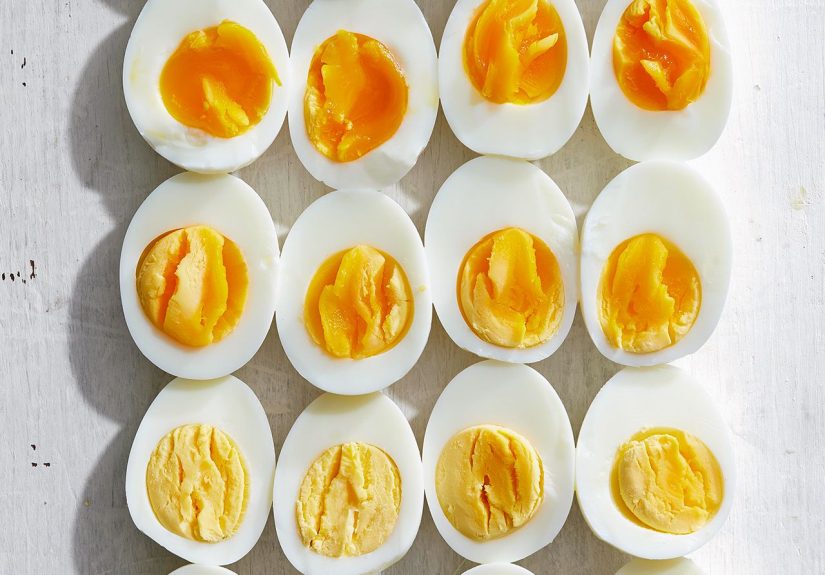
The setup is simple: a steamer basket (or colander) over simmering water, lid on, timer set, then an ice bath to stop the cooking.
- Runny yolk: about 6 minutes
- Jammy yolk: about 8–9 minutes
- Hard-cooked: about 12–14 minutes
Timing varies with egg size, fridge-cold vs room-temp eggs, and how strong your steam is.
Once you find your perfect time, it’s wonderfully repeatable.
Flavor Upgrades That Make Steamed Eggs Dinner-Worthy
Steamed eggs are like a blank canvasexcept this canvas is edible and encourages naps.
Here are easy ways to add protein, vegetables, and big flavor without complicating the method:
Liquids and seasonings
- Swap water for broth: Chicken, mushroom, or seafood stock adds depth fast.
- Go aromatic: A tiny amount of grated ginger or a few drops of toasted sesame oil wakes everything up.
- Keep salt light: You can always season at the end with soy sauce or a finishing salt.
Mix-ins (add before steaming)
- Small shrimp, crab, or flaked fish
- Shiitake mushrooms, enoki, or sautéed cremini
- Frozen peas or corn (thaw first so they don’t cool the custard too much)
- Soft tofu cubes (yes, tofu on tofu-texturedouble comfort)
Toppings (add after steaming)
- Scallions, chives, cilantro
- Chili crisp, chili oil, or a pinch of gochugaru
- Soy sauce + a touch of sugar + sesame oil (a quick “restaurant-ish” finish)
- Toasted sesame seeds, furikake, or crispy shallots
Serving Ideas: From Breakfast Bowl to Weeknight Shortcut
- With rice: Spoon steamed egg custard over hot rice and top with scallions and soy sauce.
- With toast: Serve coddled-style steamed eggs with buttered toast points for dipping.
- With noodles: Pair a soft steamed egg custard with simple garlic noodles or ramen for a soothing side.
- As a side: Korean gyeran-jjim loves being next to kimchi and grilled meatsor honestly, just next to you.
Food Safety and Storage (Quick, Practical, Not Scary)
Eggs are friendly, but they still have rules. For cooked egg dishes, aim for a safe internal temperature and cool/store properly.
For raw shell eggs, keep them refrigerated and don’t leave them out too long.
- Cook thoroughly: Many food safety guidelines recommend egg dishes reach 160°F.
- Refrigerate promptly: Store eggs cold (generally around 40°F or below) and return cooked eggs to the fridge after cooling.
- Time matters: Don’t leave eggs or egg dishes at room temperature for more than about 2 hours.
Common Mistakes (and the Fix That Actually Works)
Mistake: “I cranked the heat because I’m hungry.”
Fix: Lower the heat. Steamed eggs reward patience. A gentle simmer sets the custard evenly and keeps it silky.
Mistake: “My custard looks like the surface of the moon.”
Fix: Cover the dish (foil/plate) and keep the lid from dripping condensation. Steam is good; random water droplets are rude.
Mistake: “It’s watery, so I guess I failed.”
Fix: It may just be undercooked. Steam a few more minutes. If it’s consistently watery, reduce the liquid ratio next time or use shallower vessels.
Conclusion: The Softest, Coziest Egg Technique You’ll Ever Learn
Steamed eggs are the ultimate “low effort, high comfort” move. Once you understand two thingsratio and gentle heatyou can
make silky Chinese-style custard, fluffy Korean gyeran-jjim, refined Japanese chawanmushi, or perfectly steamed eggs in the shell.
And unlike many kitchen skills, this one pays you back immediately, usually in under 15 minutes.
Start simple: eggs + warm liquid + strain + gentle steam. Then customize with broth, mushrooms, shrimp, scallions, chili crisp, or whatever is in your fridge
begging to be useful. Congratulations in advance on your new favorite comfort food.
Experience Notes: What Making Steamed Eggs Teaches You (After a Few Batches)
The first time many people try steamed eggs, the result is usually one of two extremes: either it’s strangely watery (like “egg soup with ambition”),
or it’s full of tiny holes and bubbles that make it look like a kitchen sponge got a makeover. If that’s you, welcome to the clubsteamed eggs are simple,
but they’re also honest. They show you exactly what your heat and mixing habits are doing.
A common “aha” moment is realizing that steaming is not the same as boiling. The water underneath should look calm and polite, not like it’s auditioning
for a disaster movie. Once you switch to a gentle simmer, the custard starts setting evenly. The texture becomes noticeably smootherless curd, more silk.
People often describe the second or third attempt as the turning point, because that’s when you stop fighting the method and let the steam do its job.
Another real-world lesson: straining isn’t fussyit’s strategic. Many cooks skip it once, decide it’s “fine,” then notice little egg-white threads
or uneven bits in the finished custard. The next time they strain, the difference is obvious: the surface looks cleaner, the bite feels more uniform, and the custard
has that restaurant-style delicacy. It’s one of those steps that takes 20 seconds and saves you from thinking, “Why is my egg… lumpy?”
People also tend to develop a personal preference for texturealmost like choosing your favorite pillow. Some like a firmer set that you can cut with a spoon,
while others want it barely holding together, wobbling like soft tofu. That preference usually becomes clear when you start adjusting the liquid ratio.
A slightly lower liquid ratio feels heartier and more “egg-forward,” while a higher ratio feels lighter and more soothing. You don’t have to memorize anything:
you just notice what you liked, then nudge the ratio next time.
In everyday kitchens, toppings become the fun part. Someone will make plain steamed egg custard once, then immediately try a drizzle of soy sauce and sesame oil.
Next time, it’s scallions. Then chili crisp. Then mushrooms. Then suddenly it’s a full dinner with leftover chicken and a bowl of rice. Steamed eggs have a way of
turning “I have nothing to cook” into “I accidentally made comfort food,” which is arguably the best kind of accident.
Finally, there’s the patience muscle. Steamed eggs don’t like being rushed, but they do like being checked gently. Home cooks often learn to look for the
“soft jiggle” in the center rather than waiting for the whole thing to become firm. That jiggle means it’s nearly there, and carryover heat will finish the job.
When you stop overcooking “just to be safe,” the eggs stop being tough. And when your steamed eggs turn out silky and perfect, you will feel a strange urge to
announce it to someone nearbypossibly the catbecause that’s what victory looks like in a bowl.