Table of Contents >> Show >> Hide
- What Are Shingles Videos from Healthline?
- Understanding Shingles: The Basics
- Why Video Education Helps People Recognize Shingles Faster
- Common Shingles Symptoms Explained
- Shingles Treatment: What Doctors Usually Recommend
- Possible Complications of Shingles
- Shingles Prevention and the Shingrix Vaccine
- How to Use Healthline Shingles Videos Wisely
- Common Myths About Shingles
- Practical Tips After Watching Shingles Videos
- Experiences Related to “Shingles Videos from Healthline”
- Conclusion
Shingles is one of those health topics that sounds simple until it shows up uninvited, wearing a tiny jacket made of fire ants. One day your skin feels oddly sensitive, the next day a painful rash appears in a neat little stripe, and suddenly you are Googling phrases like “is my shirt attacking me?” That is where educational resources such as shingles videos from Healthline can be useful. A clear, visual explanation can help people understand what shingles looks like, why it happens, when it needs urgent care, and how treatment may reduce complications.
This article explores the value of shingles videos, especially Healthline-style health education videos, while also explaining the facts behind shingles: symptoms, causes, treatment, prevention, home care, and common myths. The goal is not to replace a doctor, dermatologist, pharmacist, or other healthcare professional. Instead, think of this as a friendly guide that helps translate medical information into plain Englishminus the waiting-room pamphlet energy.
What Are Shingles Videos from Healthline?
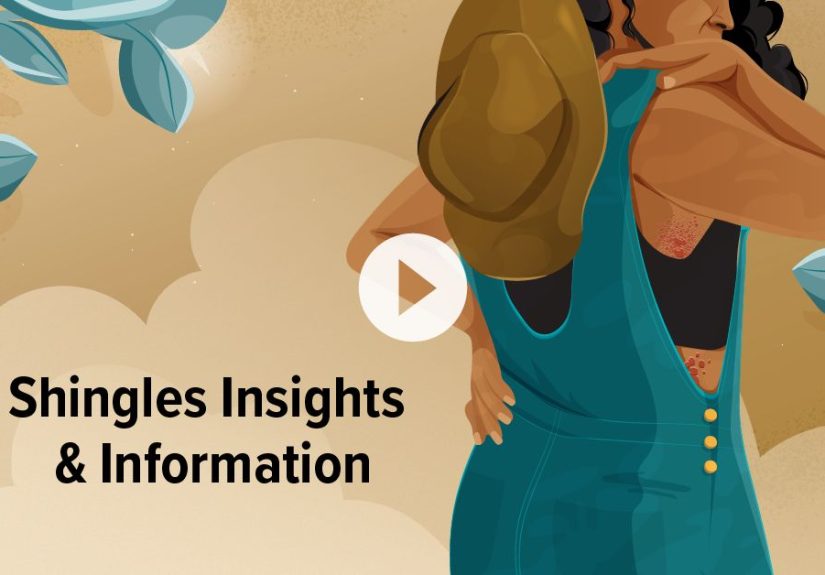
Healthline is known for creating patient-friendly health content, including articles, illustrations, explainers, and video-style educational resources. Shingles videos from Healthline typically aim to make the condition easier to understand by showing or explaining what shingles is, how symptoms develop, what the rash may look like, and what steps people can take after noticing warning signs.
For many readers, video content is easier to digest than dense medical text. Shingles involves visual symptoms, so a video can be especially helpful. Seeing a typical shingles rash pattern, hearing the difference between shingles and chickenpox, and learning why early treatment matters can make the information stick. It is one thing to read that shingles often appears in a band-like pattern on one side of the body; it is another thing to see a simple visual that makes you say, “Ah, so that is what doctors mean by a stripe.”
Understanding Shingles: The Basics
What causes shingles?
Shingles, also called herpes zoster, is caused by the varicella-zoster virusthe same virus that causes chickenpox. After someone recovers from chickenpox, the virus does not fully leave the body. Instead, it remains inactive in nerve tissue. Years or decades later, it can reactivate and travel along nerve pathways to the skin, causing the painful rash known as shingles.
Anyone who has had chickenpox can develop shingles. The risk rises with age, especially after 50. People with weakened immune systems, certain chronic illnesses, cancer treatments, organ transplants, or immune-suppressing medications may also have a higher risk. Stress and illness may contribute to immune changes, but shingles is not simply a “stress rash.” It is a viral reactivation, not your body being dramatic for entertainment purposes.
Is shingles contagious?
Shingles itself is not passed from person to person like a cold. However, the varicella-zoster virus can spread from the fluid in active shingles blisters. If someone who has never had chickenpox and has not been vaccinated against chickenpox touches the blister fluid, they may develop chickenpoxnot shingles. Later in life, that person could potentially develop shingles if the virus reactivates.
This is why people with active shingles should keep the rash covered, avoid scratching, wash hands often, and avoid close contact with pregnant people who have not had chickenpox or the vaccine, newborns, and people with weakened immune systems until the blisters have crusted over.
Why Video Education Helps People Recognize Shingles Faster
Shingles is often easier to treat when recognized early. Educational videos can help viewers identify warning signs before the rash becomes severe. Many people assume shingles begins with blisters, but pain, burning, tingling, or unusual sensitivity often appears first. A shirt brushing against the skin may feel strangely painful. Some people describe it as an electric, stabbing, or burning sensation.
Healthline-style shingles videos may explain these early clues in a memorable way. That matters because antiviral medications usually work best when started as soon as possible, often within the first 72 hours after the rash appears. The earlier someone contacts a healthcare professional, the better the chance of reducing symptom severity and lowering the risk of complications.
Common Shingles Symptoms Explained
Early warning signs
Before the rash appears, shingles may cause pain, itching, tingling, burning, numbness, or sensitivity on one side of the body or face. Some people also experience headache, fever, chills, fatigue, upset stomach, or sensitivity to light. These symptoms can be confusing because they may appear before any visible skin change. At first, shingles can masquerade as a pulled muscle, sunburn, allergic reaction, or “I slept weird and now my ribs hate me.”
The shingles rash
The classic shingles rash usually appears as a painful cluster of blisters on one side of the body. It often forms a band or belt-like shape around the torso, but it can also appear on the face, neck, scalp, arms, legs, or around the eye. The rash may begin as red, pink, brown, or purple patches depending on skin tone, then develop into fluid-filled blisters. Over several days, the blisters may break, crust, and scab.
Most shingles rashes heal within a few weeks, but the pain can be intense. Some people have mild symptoms, while others feel as if their nerves are hosting a tiny fireworks show without permission.
When shingles affects the eye or face
Shingles near the eye is a medical emergency. If a rash appears on the forehead, eyelid, nose, or around the eye, urgent medical care is needed. Eye-related shingles can cause serious complications, including vision problems or even permanent vision loss if not treated quickly. Facial shingles may also affect nerves connected to hearing, balance, or facial movement.
Shingles Treatment: What Doctors Usually Recommend
Antiviral medications
There is no instant cure for shingles, but prescription antiviral medicines can help shorten the illness and reduce the risk of complications. Common antiviral options include acyclovir, valacyclovir, and famciclovir. These medications are most effective when started early, which is why prompt diagnosis matters.
A doctor may prescribe antivirals based on the rash, symptoms, age, immune status, and location of the outbreak. People with severe symptoms, weakened immunity, widespread rash, or face and eye involvement may need more urgent or specialized treatment.
Pain relief
Shingles pain can range from irritating to severe. Healthcare professionals may recommend over-the-counter pain relievers, prescription pain medication, topical treatments, or nerve-pain medications depending on the situation. It is important not to self-medicate heavily without guidance, especially for older adults or people with kidney disease, liver disease, stomach ulcers, blood-thinning medications, or multiple prescriptions.
Skin care at home
Home care can help reduce discomfort while the rash heals. Common strategies include cool compresses, loose clothing, fragrance-free cleansing, calamine lotion, colloidal oatmeal baths, and sterile nonstick dressings. People should avoid scratching the blisters because scratching can increase the risk of bacterial infection and scarring. Hot water, tight clothing, and heavy creams may make irritation worse.
Possible Complications of Shingles
Postherpetic neuralgia
The most common complication of shingles is postherpetic neuralgia, often shortened to PHN. This is lingering nerve pain that continues after the rash clears. It may last weeks, months, or sometimes longer. The risk of PHN increases with age and may be higher when the original shingles pain is severe.
PHN can feel like burning, stabbing, aching, or extreme skin sensitivity. Even light touch, such as bedsheets brushing the skin, may feel painful. This is one reason shingles prevention and early treatment are so important. A rash that looks small can still involve irritated nerves underneath, and nerves are not famous for being quiet when annoyed.
Other complications
Shingles may also lead to bacterial skin infection, scarring, eye problems, hearing problems, facial weakness, pneumonia, inflammation of the brain, or neurological complications in rare cases. These outcomes are uncommon, but they show why shingles should not be dismissed as “just a rash.” A rash with nerve pain deserves respectand probably a phone call to a healthcare provider.
Shingles Prevention and the Shingrix Vaccine
The main way to reduce the risk of shingles and its complications is vaccination. In the United States, the recombinant zoster vaccine, commonly known as Shingrix, is recommended for adults age 50 and older. It is also recommended for certain adults age 19 and older who are or will be immunocompromised because of disease or treatment.
Shingrix is given as a two-dose series. The second dose is usually given two to six months after the first dose, although people with certain immune conditions may follow different timing under medical guidance. The vaccine is not used to treat an active shingles outbreak, but it can help prevent future shingles and reduce the risk of postherpetic neuralgia.
Common side effects may include sore arm, redness, swelling, fatigue, muscle aches, headache, fever, chills, stomach discomfort, or nausea. These side effects usually resolve in a few days. In plain terms, the vaccine may make your arm complain, but shingles can make your nerves write a strongly worded letter for weeks.
How to Use Healthline Shingles Videos Wisely
Use videos for education, not self-diagnosis
Videos can help you understand symptoms, but they cannot examine your skin, review your medications, or check your immune status. A shingles rash can sometimes resemble other conditions, including herpes simplex, contact dermatitis, insect bites, eczema, allergic reactions, impetigo, or other blistering disorders. If you suspect shingles, contact a healthcare professional promptly.
Look for medically reviewed information
Good shingles videos should be medically reviewed or based on reliable sources. Look for content that explains both symptoms and next steps. A helpful video should not promise miracle cures, shame people for getting sick, or suggest replacing antivirals with random kitchen experiments. Cool compresses? Helpful. Rubbing mysterious internet paste on open blisters? Let’s not give bacteria a housewarming party.
Pay attention to urgent-care signs
Educational videos should emphasize when to seek immediate help. Get medical care quickly if the rash is near the eye, on the face, widespread, very painful, accompanied by confusion or severe headache, or if the person has a weakened immune system. Also seek help if the rash shows signs of infection, such as increasing redness, warmth, swelling, pus, fever, or worsening pain.
Common Myths About Shingles
Myth 1: Only older adults get shingles
Older adults have a higher risk, but younger adults can develop shingles too, especially if their immune system is weakened. Age is a major factor, but it is not the only factor.
Myth 2: You can catch shingles from someone else
You cannot directly catch shingles from another person. However, the virus from shingles blisters can cause chickenpox in someone who has never had chickenpox or the chickenpox vaccine.
Myth 3: Shingles always appears on the torso
The torso is common, but shingles can appear anywhere along nerve pathways, including the face, scalp, mouth, eye area, arms, or legs. Location matters because face and eye involvement can be serious.
Myth 4: If the rash is small, it is not serious
The size of the rash does not always match the intensity of nerve pain. A small rash can still hurt significantly or lead to lingering pain.
Practical Tips After Watching Shingles Videos
If you watch a Healthline shingles video and think your symptoms match, take action rather than falling into the endless scroll of medical panic. First, note when the pain or rash started. Second, take a clear photo of the rash to track changes. Third, call a healthcare professional, urgent care clinic, or pharmacist for guidance. Fourth, keep the rash clean and covered. Fifth, avoid contact with high-risk people until the blisters crust over.
Do not pop blisters, scratch the rash, apply harsh chemicals, or assume that pain will simply disappear overnight. Shingles often improves, but it deserves careful management. Early treatment may be the difference between a miserable few weeks and a much longer nerve-pain saga.
Experiences Related to “Shingles Videos from Healthline”
Many people turn to shingles videos because they are trying to understand something that feels strange, painful, and a little alarming. Reading about shingles is useful, but watching a calm explanation can feel more reassuring. A video can show the timeline of symptoms in a way that makes the condition less mysterious: first comes tingling or burning, then a rash, then blisters, then crusting and healing. That sequence helps viewers recognize that shingles often has a pattern, even when the first symptoms seem vague.
One common experience is the “I thought it was something else” moment. A person may feel pain around the ribs and assume they strained a muscle. Another may notice sensitivity on one side of the face and think it is a dental issue. Someone else may see a few bumps and blame laundry detergent. Shingles videos can help connect the dots by explaining that nerve pain may arrive before the rash. That small insight can encourage people to seek care earlier instead of waiting until the rash becomes more obvious.
Another helpful part of video education is emotional reassurance. Shingles can look dramatic, and pain can make people worry that something terrible is happening. A good educational video explains that shingles is common, treatable, and often improves with proper care. It also makes clear that certain situations, especially rash near the eye, require urgent attention. This balance is important: viewers need enough concern to act, but not so much fear that they spiral into midnight internet doom.
Videos are also useful for caregivers. If someone is helping a parent, spouse, or older relative, a short shingles video can explain why the person may need rest, loose clothing, medication reminders, and help covering the rash. Caregivers may not realize how painful light touch can be during shingles. After watching a clear explanation, they may better understand why even a soft shirt or bedsheet can feel uncomfortable. That understanding can lead to kinder care and fewer “Are you sure it hurts that much?” conversations.
People also use shingles videos to prepare questions for a doctor. After watching, they may ask whether antiviral medication is appropriate, how to manage pain safely, when they are no longer contagious, whether they should receive the shingles vaccine later, and what symptoms would require urgent care. These questions make appointments more productive. The best patient is not the one who memorizes every medical term; it is the one who notices symptoms, asks clear questions, and follows practical guidance.
Finally, Healthline-style shingles videos can help people understand prevention. Many adults have heard of the shingles vaccine but are unsure whether they need it, especially if they already had chickenpox, already had shingles, or feel generally healthy. Video explainers can make vaccine recommendations easier to understand by focusing on risk, age, immune status, and the two-dose schedule. When prevention is explained clearly, it feels less like a chore and more like a smart favor to your future self.
Conclusion
Shingles videos from Healthline can be a useful starting point for understanding shingles symptoms, rash patterns, treatment options, prevention, and warning signs. Because shingles affects the nerves and skin, visual education can make the condition easier to recognize. However, videos should support medical care, not replace it. If you suspect shingles, especially if the rash is near the eye or face, contact a healthcare professional quickly.
The big takeaway is simple: shingles is common, painful, and often treatable, but timing matters. Early antiviral treatment may reduce the severity and duration of symptoms, while vaccination can lower the risk of future shingles and complications. Watch the videos, learn the signs, take the rash seriously, and give your nerves fewer reasons to become internet-famous for all the wrong reasons.
Note: This article is for educational purposes only and is based on reputable U.S. medical and public-health information, including guidance commonly reflected by Healthline, CDC, Mayo Clinic, Cleveland Clinic, Johns Hopkins Medicine, the American Academy of Dermatology, MedlinePlus, NIH resources, and FDA vaccine information. It should not replace diagnosis or treatment from a qualified healthcare professional.