Table of Contents >> Show >> Hide
- What Exactly Is a “Serviette Mot Rouge” Napkin?
- Why One Red Word Changes the Whole Table
- How to Style a Serviette Mot Rouge Napkin
- Napkin Etiquette, Minus the Stiffness
- Fabric Matters: Linen, Damask, Cotton, and the “Feel” of the Table
- Care and Keeping: How to Make Embroidered Napkins Last
- Is It “Worth It” to Use Cloth Napkins Now?
- How to Build a Set Without Making It Feel Matchy-Matchy
- of Experiences Related to “Serviette Mot Rouge Napkin”
- SEO Tags
Some tables whisper “dinner.” Others announce “an experience.” The Serviette Mot Rouge Napkin
lands firmly in the second categorylike a tiny textile billboard that says, “Welcome. You’re about to eat well,
and also feel something.”
If the name sounds fancy, that’s because it is (a little). Serviette is French for napkin, and
mot rouge translates to “red word.” Put it together and you get the whole idea:
a napkin featuring a single word stitched in red threadsimple, bold, and surprisingly charming.
What Exactly Is a “Serviette Mot Rouge” Napkin?
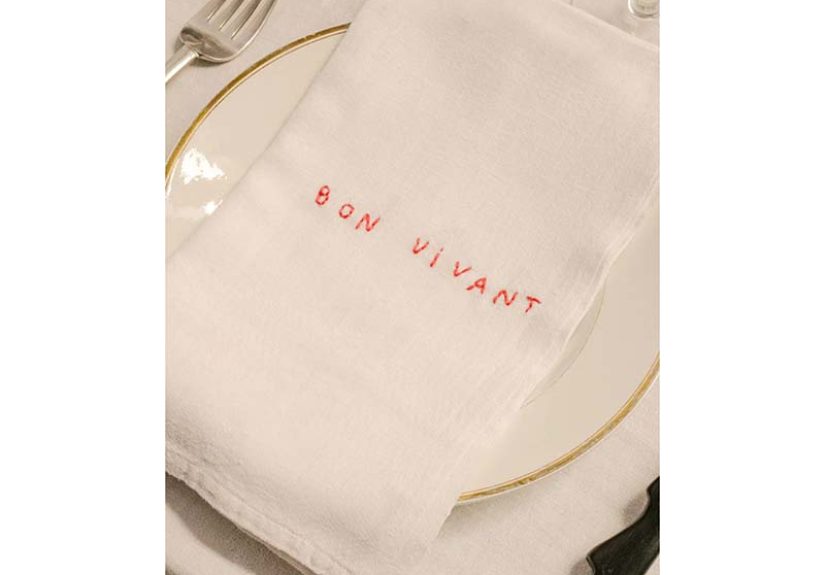
At its core, a Serviette Mot Rouge Napkin is a cloth napkinoften linen or damask-style fabricembroidered with
one striking red word. Depending on the design, the word might be romantic (Amour), reflective
(Souvenirs), or delightfully dinner-party-coded (Bon Vivant).
This isn’t just decoration for decoration’s sake. The “red word” concept nods to old-school traditions of
embroidered household linenswhere initials or meaningful markings turned everyday textiles into heirlooms.
The modern twist is that instead of initials, you get a word: a mood, a message, or a wink.
Think of it as the napkin equivalent of a great tattoo: small, intentional, and guaranteed to start a conversation
without you having to do any heavy lifting. (Your guests will do that for you. Between bites.)
Why One Red Word Changes the Whole Table
1) It sets the tone before the first bite
Hosting is storytelling. A plain napkin says, “I bought napkins.” A red-word napkin says,
“This evening has a themeand it might be feelings, or friendship, or carbs.”
If you’re planning a cozy winter dinner, a word like Famille feels warm and intentional.
For a celebratory brunch, Moment or Unique quietly raises the stakes.
You’re still serving eggs, but now they’re eggs with emotional support.
2) It makes place settings feel personal (without name tags)
Not everyone loves a formal place card. A one-word napkin gives a similar “you belong here” energyminus the
pressure of writing names in your best fake calligraphy.
You can even assign words based on personalities (gently, kindly, and with minimal psychological damage).
Your funniest friend might get Bon Vivant. Your sentimental aunt might get Souvenirs.
Your most punctual guest gets… Humble. (Kidding. Mostly.)
3) It photographs beautifully, which matters now
Like it or not, modern tablescapes often end up on cameraholiday dinners, birthdays, engagement parties,
or “Tuesday but I finally used the nice plates.” Red embroidery pops against white or neutral linen,
and it reads clearly in photos without needing a filter.
How to Style a Serviette Mot Rouge Napkin
Go classic: white napkin, simple flatware, one standout detail
The easiest win is to keep everything else calm. Crisp plates, clean glassware, and minimal clutter let the
embroidered word do its job. If your napkin says something bold, your centerpiece doesn’t need to audition for
a movie role.
Try a “quiet luxury” mix: natural textures + one strong accent
Pair the napkin with wood chargers, stoneware plates, or matte flatware. Add one accent colordeep green,
black, or brassand the red stitching becomes a deliberate punctuation mark.
Use folds strategically (yes, folding can be strategic)
Fold the napkin so the word is visible, centered, and not hidden like a plot twist.
Popular folds for modern place settings include:
- The flat fold: simple rectangle on the plateclean, modern, and foolproof.
- The pocket fold: a tidy “slot” for flatware that looks polished without trying too hard.
- The loose knot: casual, artsy, and great for textured linen (especially outdoors).
If you’re going for a more celebratory vibeholidays, weddings, big family mealsdecorative folds can add drama.
Just remember: the napkin is not supposed to upstage the food. The food has worked hard.
Napkin Etiquette, Minus the Stiffness
A napkin can be stylish and functional. Here are the basics that keep you confidently within the
“polished host” zone, not the “help, what do I do with my hands?” zone.
Where it goes before the meal
In many place settings, the napkin sits to the left of the fork or on the plateboth are common and acceptable.
If you’re styling a Serviette Mot Rouge Napkin, placing it on the plate often shows off the embroidery best.
When guests should use it
A simple rule: once everyone is seated (or once the host begins), the napkin goes on the lap.
No dramatic snapping. No cape-like flourishes. This is dinner, not a magic show.
What to do when someone steps away
If a guest leaves the table briefly, the napkin is typically placed on the chair or to the sideloosely,
not refolded perfectly, and definitely not wadded up like it lost a fight with a burrito.
End-of-meal placement
When the meal is done, the napkin is usually left loosely folded to the left of the plate.
The message is subtle: “I’m finished, and I’m civilized, but not in a scary way.”
Fabric Matters: Linen, Damask, Cotton, and the “Feel” of the Table
The Serviette Mot Rouge style is often associated with vintage-feeling fabricsespecially damask-like cloth
and linen. Here’s why that matters.
Linen: relaxed, absorbent, and heirloom-adjacent
Linen tends to feel breathable and substantial. It also wrinkles (that’s not a flaw; it’s a personality trait).
If you like an effortless, European-cafe vibe, linen is your best friend.
Damask-style cloth: pattern without loudness
Damask weaves can show subtle patterns through texture rather than colorso you get depth and richness while
keeping the palette quiet. That’s perfect when you want the red word to be the star.
Cotton: sturdy, familiar, easy for everyday
If your household is busy, cotton napkins can be the “wear it daily” option.
They’re dependable, wash well, and don’t demand you treat dinner like a museum exhibit.
Care and Keeping: How to Make Embroidered Napkins Last
A red-word napkin is meant to be used, not stored forever like a delicate artifact. The key is smart care:
gentle washing, fast stain treatment, and avoiding heat that sets stains or shrinks fabric.
Washing best practices
- Wash sooner rather than later: stains are easier to remove when they’re fresh.
- Choose mild detergent and a gentle cycle when possible.
- Avoid fabric softener if you want napkins to stay absorbent.
- Skip high heat: it can cause shrinkage and can lock in stains.
Stain removal that actually works in real kitchens
Different stains respond to different tactics, but a few methods show up again and again in reliable cleaning advice:
- Grease stains: blot first, then use dish soap or an enzyme detergent before washing.
-
Set-in food stains: a mix of gentle oxygen-based brighteners (when safe for the fabric)
and patience goes a long way. - “Mystery stains”: test a small hidden area first, and don’t machine-dry until the stain is gone.
One more embroidery-specific note: if the napkin has a stitched word in red thread, it’s smart to turn it inside
out for washing and ironing, and to avoid harsh bleach that could weaken fibers or affect color.
Ironing (the optional flex)
If you want the napkin to look crisp and hold a fold well, ironing helps. If you don’t?
Embrace the relaxed looklinen is allowed to look like linen.
Is It “Worth It” to Use Cloth Napkins Now?
Cloth napkins used to be considered “special occasion” items, but more people are bringing them back to daily life.
Why? They elevate even basic meals, they reduce disposable waste over time, and they feel nicer to use.
From a sustainability standpoint, the reusable-vs-disposable question depends on how often you reuse and how you
wash (efficient loads beat tiny, frequent washes). Practically, though, a small rotation of cloth napkins can
replace a surprising amount of paperand your table immediately looks more intentional.
A Serviette Mot Rouge Napkin adds an extra layer: it’s not just reusable, it’s meaningful.
You’re not reaching for “a napkin.” You’re reaching for Amour. That’s a vibe.
How to Build a Set Without Making It Feel Matchy-Matchy
The fun of the red-word concept is that a “set” doesn’t have to be identical. In fact, it’s better when it isn’t.
A simple approach
- Pick a base: same fabric, same color (often white or ivory).
- Choose a word family: romance words, nostalgia words, “dinner-party” wordskeep it cohesive.
- Repeat the red detail: the thread color becomes the unifying element.
Ideas for word themes
- Celebration: Joy, Cheers, Moment, Unique
- Cozy dinner: Famille, Amitié, Souvenirs, Humble
- Date night: Amour, Romantique, Rêveuse
- Food-forward: Bon Vivant, Sensible (because dessert requires wisdom)
of Experiences Related to “Serviette Mot Rouge Napkin”
The best way to understand why a Serviette Mot Rouge Napkin works is to picture it in real momentsbecause this
isn’t a museum piece. It’s a conversation-starter that happens to be laundry-safe.
One common hosting experience: the “quietly upgraded Tuesday.” Someone decides they’re tired of meals feeling like
a pit stop between work and sleep, so they set the table with actual cloth napkins. The red word is visible on the
platesomething like Moment. No one announces it. But people notice. The meal slows down. Phones stay off
the table a little longer. The napkin becomes a tiny signal that dinner matters, even if it’s just pasta and a
salad you assembled like a tired architect.
Another familiar scene is the holiday gathering where generations mix. The older relatives recognize the
embroidery vibe (it feels like tradition), while younger guests treat it like design. A napkin that reads
Souvenirs lands at the seat of someone who loves telling stories. Suddenly, you’re hearing about a
grandmother’s wedding dress or the time an uncle tried to deep-fry a turkey and learned humility in real time.
The napkin didn’t force the memoryit just invited it.
Then there’s the gifting experience, which is where this napkin style shines. People struggle to buy gifts for
hosts because most adults already own at least three cutting boards and a suspicious number of scented candles.
A red-word embroidered napkin feels personal without being overly intimate. It’s a “small luxury” giftsomething
you wouldn’t always buy for yourself, but you’ll absolutely use. Words like Amitié and Famille
work beautifully for housewarmings, engagement parties, or anyone building a home life they actually enjoy.
In wedding-related settings, the experience becomes more symbolic. Couples often want details that feel timeless,
not trendy. A single embroidered word can nod to heritage linenslike the older tradition of embroidered initials
while still feeling modern. At a reception, you might see a mix of words that reflect the couple: Amour
at the sweetheart table, Bon Vivant for the friends who keep the dance floor alive, and Humble
tucked in as a joke for the person who always claims they “didn’t do much” while doing everything.
Finally, there’s the everyday practical experience: cloth napkins make messy food less stressful. Barbecue,
saucy wings, anything involving melted cheesepaper napkins wave a white flag pretty quickly. Cloth feels sturdier.
A red-word napkin proves you can be both functional and a little poetic. You wipe your hands, laugh with friends,
toss the napkin in the wash, and do it again next timebecause the point of a beautiful table isn’t perfection.
It’s repeatable joy.