Table of Contents >> Show >> Hide
- What Happened When Al Roker Crashed the Live Interview?
- Why This Today Moment Worked So Well
- Jordan Litz Deserves Credit, Too
- What the Moment Says About Al Roker’s Role on Today
- Why Viewers Love Unscripted Today Show Moments
- The Bigger Lesson: Small TV Moments Can Become Big Cultural Moments
- Experience Section: Why a Moment Like This Feels So Good to Watch
- Conclusion
Live television is a little like brunch with toddlers: charming, chaotic, and always one spilled coffee away from a story. That is exactly why viewers could not get enough of the moment Al Roker crashed a live interview on Today and turned a perfectly normal morning segment into pure breakfast-hour comedy. What should have been a straightforward chat with Broadway star Jordan Litz became an instant reminder that the best television moments are often the ones nobody could have storyboarded in advance.
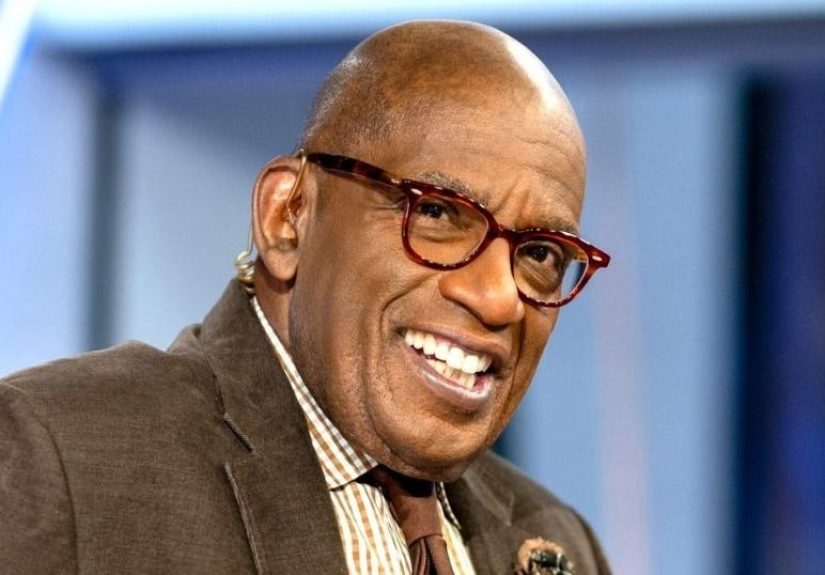
On the 3rd Hour of Today, hosts Craig Melvin, Sheinelle Jones, and Dylan Dreyer were interviewing Litz about an athletic and theatrical flex that sounds made up even though it is real: he ran the New York City Marathon and then went on to perform two shows of Wicked the same day. While the conversation rolled on, Al Roker appeared outside Studio 1A, coffee in hand, casually haunting the background like the world’s friendliest weather-themed jump scare. The hosts lost it. Viewers loved it. And suddenly, a simple live interview became one of those delightful Today show moments people replay because it feels so unmistakably human.
What Happened When Al Roker Crashed the Live Interview?
The setup was innocent enough. Jordan Litz, who plays Fiyero in Broadway’s Wicked, was explaining what it felt like to complete the New York City Marathon and then step right back into a physically demanding stage role. It was the kind of segment morning shows do well: inspiring, impressive, and just polished enough to make the rest of us feel guilty about complaining after carrying groceries up one flight of stairs.
Then came the visual curveball. As the cameras rolled, Al Roker suddenly appeared outside the studio window, visible behind the hosts and their guest. He was not in his normal seat. He was not delivering a weather update. He was simply there, looming in the most cheerful possible way and instantly destroying everyone’s concentration. Craig Melvin called attention to him, the hosts started laughing, and the segment shifted from admirable guest interview to glorious on-air distraction.
That alone would have been enough. But Roker, being Roker, did not settle for one cameo. He kept moving around outside, reappearing from different angles like a sitcom neighbor who knows exactly how funny he is. At one point, Sheinelle Jones joked that he kept popping up everywhere. Craig Melvin teased him for “coming in” to work despite clearly not being there to actually, you know, work. Dylan Dreyer added the kind of bemused reaction that only live TV can produce when your co-host is playing background gremlin while you are trying to do a segment with a Broadway guest.
In other words, Al Roker did not merely crash a live interview on Today. He committed to the bit. That commitment is what made the moment feel epic rather than random. It was silly without being forced, spontaneous without becoming messy, and distracting in the exact way audiences secretly hope live television will be.
Why This Today Moment Worked So Well
It Was Perfectly Timed Chaos
There is an art to a good on-air interruption. Too big, and it derails the segment. Too small, and nobody remembers it ten minutes later. Roker hit the sweet spot. He was visible enough to crack everyone up, but not so disruptive that the interview collapsed. The guest stayed engaged, the hosts kept the conversation moving, and the surprise unfolded in layers. First, somebody noticed him. Then everyone noticed him. Then he reappeared. Then the hosts started roasting him. That rhythm gave the whole thing comic momentum.
It Showed Off Real Chemistry
Morning television runs on chemistry more than almost any other format. Yes, viewers want information, interviews, weather, and headlines. But they also want warmth. They want hosts who feel like real colleagues, not polished robots reading lines off a teleprompter with excellent dental care. Roker’s cameo worked because Melvin, Jones, and Dreyer reacted like people who know him well enough to be both annoyed and delighted at the same time.
That balance matters. Nobody looked stiff. Nobody overperformed the joke. Nobody tried to turn the whole thing into a viral clip while it was happening. They simply responded in the way real co-workers do when one of them decides to become the office distraction on his day off. The result felt natural, which is exactly why it spread.
It Gave Viewers a Reason to Laugh With the Show
Plenty of TV moments are engineered to go viral. This one did not feel engineered. It felt earned. There is a difference. Viewers can tell when a show is trying too hard to manufacture “fun.” But when a veteran personality like Al Roker casually slips into the background of a serious-ish live interview and the rest of the table visibly struggles to keep it together, the laughter becomes contagious.
That is the magic of unscripted TV. The audience is in on the joke at the same moment the people on screen are discovering it. No rewind required. No dramatic setup. Just instant, communal amusement over a weather legend deciding that the sidewalk outside Studio 1A was apparently his stage now.
Jordan Litz Deserves Credit, Too
There is another reason this moment played so well: Jordan Litz handled it like a pro. That matters more than it sounds. Guests on live television are already juggling bright lights, fast pacing, and the strange pressure of sounding relaxed while millions of people can see whether you are sweating through your blazer. Add an off-duty Al Roker popping up behind you, and the segment could have turned awkward fast.
Instead, Litz came across as game, composed, and likable. That helped preserve the segment’s original appeal. His story was genuinely fascinating: he completed the marathon, then jumped into two Broadway performances of Wicked, a feat that sounds like it should come with a cape, electrolyte sponsorship, and a mandatory three-day nap. The interview still had substance, even with the comic sideshow happening inches away.
That mix of sincerity and silliness is part of why the clip traveled. Viewers got two kinds of entertainment for the price of one: an impressive guest story and a perfectly timed Roker cameo. In SEO terms, that is a dream. In TV terms, that is breakfast gold.
What the Moment Says About Al Roker’s Role on Today
Al Roker has spent decades becoming more than a weather anchor. He is one of those rare television personalities whose presence alone changes the mood of a segment. Even when he is not technically “on,” he is somehow still on. That is part of the brand, part of the charm, and part of why viewers reacted so strongly to this particular stunt.
There is also something telling about the timing. Recent coverage of Roker has included talk about his longevity on Today and his attitude toward retirement, and he has made clear that he still loves the job. That perspective makes this live interview crash even funnier. It was not the energy of someone quietly fading into the background. It was the energy of someone who still enjoys the circus and, frankly, still knows how to steal a scene without being mean about it.
In a media landscape full of carefully clipped sound bites and algorithm-bait reactions, Roker’s best quality may be that he still feels like a broadcaster shaped by live television rather than by social media performance. He understands timing. He understands audience instinct. And he understands that sometimes the funniest possible choice is to say nothing at all and simply appear in the window holding coffee like a man who knows exactly what he is doing.
Why Viewers Love Unscripted Today Show Moments
The Today show has always worked best when it balances professionalism with personality. Viewers tune in for information, but they stay for familiarity. They want to feel as if they are spending part of the morning with people they know. That emotional equation is fragile. Too formal, and the show feels cold. Too chaotic, and it feels amateurish. The best unscripted moments split the difference.
Roker’s interview crash did exactly that. It added life without breaking the format. It reminded people that live TV is not supposed to be frictionless. It is supposed to feel alive. A little wobble is not a flaw. It is proof that what you are watching is happening right now, with real people responding in real time.
That immediacy is increasingly valuable. In an era when so much content is trimmed, filtered, optimized, and flattened into interchangeable clips, genuine spontaneity feels almost luxurious. It is why bloopers, surprise cameos, and accidental comedy still hit so hard. They break the invisible glass between viewer and program. Suddenly, you are not just watching a show. You are sharing a moment.
The Bigger Lesson: Small TV Moments Can Become Big Cultural Moments
Not every memorable pop culture beat comes from a blockbuster premiere, a major award show, or a shocking headline. Sometimes it comes from a veteran morning-show host deciding that his day off is the perfect time to troll his own co-workers. That is what makes this clip so replayable. It is tiny in scale but huge in personality.
It also shows how modern entertainment coverage works. A small live-TV gag can leap from broadcast to social chatter to entertainment reporting in hours because it checks every box: familiar faces, authentic reactions, a visual punch line, and a built-in feeling of “did you see that?” The segment did not need scandal or spectacle. It just needed timing and likability.
That is part of why the phrase “Al Roker crashed a live interview on Today” instantly sounds clickable. It promises surprise, humor, and live-TV unpredictability. Then the clip delivers exactly that. No bait. No switch. Just Al, a window, a coffee, and the kind of mischief that makes morning television feel less like programming and more like a shared daily ritual with a very funny cast.
Experience Section: Why a Moment Like This Feels So Good to Watch
For longtime morning-show viewers, a moment like this lands on a strangely personal level. You are usually not watching Today from a perfectly styled sofa while wearing linen and sipping artisan tea with both hands. You are watching while packing lunches, checking email, brushing your teeth, finding your keys, or pretending you are absolutely going to leave the house on time today. Morning TV lives in the middle of ordinary life. That is why unscripted moments hit differently there than they do in prime time.
When Al Roker drifted into that interview shot, the gag worked not just because it was funny, but because it matched the rhythm of a real morning. Mornings are interruptions. Mornings are trying to focus while someone waves at you from another room, the dog barks, the coffee spills, and your phone reminds you that yes, you are in fact late. Watching polished TV briefly behave like real life creates a tiny spark of recognition. It feels familiar. It feels earned. It feels like the show is happening in the same universe as the rest of us.
There is also something deeply satisfying about seeing veteran broadcasters enjoy themselves. Viewers can sense when chemistry is authentic. They can hear it in the laughs that arrive a half-second too fast to be staged. They can see it when a host tries to stay professional and then completely loses the battle. That was the pleasure of this Today segment. It was not just that Roker was funny in the background. It was that Melvin, Jones, and Dreyer reacted like co-workers who have lived through enough mornings together to know exactly how absurd he can be.
And from a viewer experience standpoint, those moments build loyalty. You may forget a celebrity interview from three weeks ago. You may not remember every cooking demo or product segment. But you remember the time somebody accidentally turned a live interview into a comedy sketch without meaning to. Those are the clips that make audiences feel rewarded for showing up live instead of catching highlights later. They create the little social currency of everyday pop culture: the text message to a friend, the “did you just see that?” moment, the office chat that starts with laughter instead of weather complaints.
Even for people who do not watch Today every single day, the appeal is easy to understand. The clip captures a low-stakes joy that feels increasingly rare. Nobody was fighting. Nobody was melting down. Nobody was manufacturing outrage for attention. It was just a beloved TV personality being playfully ridiculous and a group of professionals trying, unsuccessfully, to keep a straight face. In a noisy media environment, that kind of harmless spontaneity feels refreshing.
Maybe that is the real reason the Al Roker live interview crash resonated. It reminded viewers that television can still surprise them in a pleasant way. It can still feel communal, light, and immediate. It can still deliver a moment that is funny not because it was written by a room full of comedians, but because it emerged naturally from people who know each other well and trust the audience to come along for the ride. That is not just good TV. On a busy morning, it is practically medicinal.
Conclusion
So yes, Al Roker crashed a live interview on Today, and yes, it was epic. Not because it was loud or scandalous or overproduced, but because it captured everything viewers like about live morning television in one compact, coffee-fueled package. It had timing, chemistry, warmth, and the rare kind of spontaneity that cannot be faked without looking fake.
What began as an interview about Jordan Litz’s jaw-dropping marathon-to-Broadway accomplishment became a showcase for something equally valuable: the enduring appeal of personalities who understand how to make live TV feel alive. Al Roker did not need a monologue, a punch line, or a formal entrance. He just needed a window, a mug, and a willingness to be an absolute menace in the background. Honestly, that is star power.