Table of Contents >> Show >> Hide
- What Was the Original Market Spotlight Really Highlighting?
- Who Is Behind Edible Gardens LA?
- Why Edible Gardens LA Stands Out in the World of Edible Landscaping
- What the Brand Teaches Homeowners About Building a Better Edible Garden
- The Market Side: Why the Objects Matter
- How Edible Gardens LA Feels So Relevant Now
- What Homeowners Can Borrow From the Edible Gardens LA Aesthetic
- Final Thoughts on Remodelista LA Market Spotlight: Edible Gardens LA
- A 500-Word Experience Section: What the Edible Gardens LA World Feels Like
- SEO Tags
If Los Angeles had an official love language, it might be this: “I made you lunch from my backyard.” That is the spirit behind Edible Gardens LA, the design-minded edible gardening company founded by Lauri Kranz and featured in a memorable Remodelista LA market spotlight. The original spotlight was small, stylish, and very LA in the best possible way: part garden philosophy, part market edit, part proof that a tomato patch can look as chic as a living room vignette.
But the real story of Edible Gardens LA is bigger than a few beautiful products. It is about a way of living that makes food production feel intimate, elegant, and totally doable. It treats an edible garden not as a dusty side project for hardcore homesteaders, but as a legitimate part of home design. In that world, raised beds are not eyesores, herbs are not an afterthought, and a garden apron can be just as thoughtfully chosen as your favorite linen throw.
This is what makes the Remodelista LA Market Spotlight: Edible Gardens LA worth revisiting. It was never just about what was for sale. It was about a broader idea: that beauty and bounty belong together. In a city where outdoor space is precious, climates are tricky, and everyone is trying to look breezy while secretly fighting with irrigation timers, Edible Gardens LA offers a wonderfully grounded answer. Grow food. Make it beautiful. Make it useful. Make it feel like home.
What Was the Original Market Spotlight Really Highlighting?
The original Remodelista feature introduced readers to Lauri Kranz as one of LA’s go-to organic vegetable gardeners and highlighted the Edible Gardens LA online market as an extension of her garden work. That detail matters. The market was not random merchandise tossed onto a website like a panicked holiday gift guide. It reflected the same sensibility behind the gardens themselves: practical objects, made with care, with a distinct local and collaborative spirit.
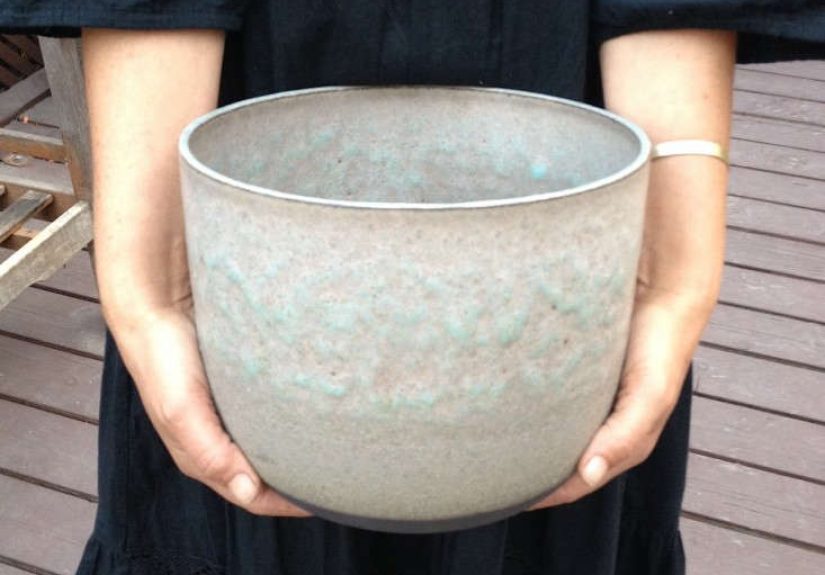
At the time, the market included pieces such as custom pots and planters, a Japanese denim apron, granola made in collaboration with local creatives, and even an organic pumpkin jam created with chef Suzanne Goin. That product mix told you almost everything you needed to know about the brand. This was not a “buy some seeds and good luck” operation. It was a lifestyle ecosystem built around food, craft, utility, and understated California style.
In other words, the spotlight was doing what good market spotlights should do: showing not just products, but a point of view. The point of view here was very clear. Gardens are not separate from design. Cooking is not separate from growing. And an edible landscape can be as visually compelling as any ornamental garden, maybe more so because you can actually eat it. Imagine that: a decorative scheme that eventually becomes lunch.
Who Is Behind Edible Gardens LA?
Lauri Kranz, founder of Edible Gardens LA, has long been associated with organic vegetable gardens that are both lush and deeply livable. Over time, her work expanded from designing and sustaining edible landscapes to a wider world that includes farm produce delivery, workshops, events, and the book A Garden Can Be Anywhere. That evolution feels natural. Once people see a beautiful edible garden, the next question is almost always, “Okay, how do I get one without ruining my weekend, my yard, or my will to live?”
Kranz’s answer, across interviews and brand materials, has been refreshingly consistent: start with the site, respect the light, feed the soil, mix in flowers and herbs, and remember that beauty is part of the function. That philosophy explains why her work resonates beyond hardcore gardeners. She is not selling guilt or grim self-sufficiency. She is selling possibility. A front yard can become productive. A patio can become fragrant and useful. A raised bed can be structured enough to feel intentional and abundant enough to feel generous.
There is also a deeply Los Angeles quality to the brand’s story. Edible Gardens LA sits at the intersection of design, food culture, wellness, and outdoor living. It makes sense in a city where chefs, stylists, gardeners, and homeowners all cross-pollinate ideas. One day it is basil and heirloom tomatoes; the next it is a hand-thrown planter and a workshop on wellness herbs. Somehow, none of it feels forced. It just feels like California doing what California does best: making daily life look artful without pretending it happened by magic.
Why Edible Gardens LA Stands Out in the World of Edible Landscaping
1. It treats edible gardening as design, not just production
One of the most compelling ideas associated with Edible Gardens LA is that edible landscaping should be arranged with the same care as any other designed outdoor space. In practical terms, that means thinking about texture, color, form, seasonality, and layout. Rows can be beautiful, but so can looser combinations of herbs, vegetables, and flowers that create movement and contrast. Purple basil next to silver-green foliage, climbing beans near a trellis, tomatoes paired with blossoms that attract pollinatorsthis is gardening with both appetite and aesthetics in mind.
2. It makes room for flowers, pollinators, and pleasure
An edible garden is not just a grid of hardworking vegetables standing at attention like they are waiting for inspection. The most successful edible gardens often include flowers and aromatic herbs that attract bees, butterflies, and beneficial insects. They also make the garden more inviting for humans, which is important because nobody wants a food garden that feels like a punishment. A productive space should also be a place where you want to linger with coffee, a watering wand, and unrealistic plans for growing perfect melons.
3. It works with Los Angeles, not against it
Los Angeles gardening comes with real challenges: heat, dry spells, shifting microclimates, and ongoing pressure to use water wisely. The Edible Gardens LA approach fits that reality better than fantasy-garden thinking ever could. Raised beds, compost-rich soil, mulch, smart placement, and efficient watering all make sense in Southern California. So does blending food crops with climate-appropriate supporting plants and pollinator-friendly choices. The goal is not to mimic an English cottage garden dropped from the sky onto a sun-baked hillside. The goal is to create abundance that belongs where it is.
What the Brand Teaches Homeowners About Building a Better Edible Garden
Even if you are not hiring a garden designer, the Edible Gardens LA philosophy offers useful lessons for anyone planning a home garden.
Start with sun, not wishful thinking
One of the smartest recurring pieces of advice in edible gardening is to study your light before planting. Full sun opens the door to crops like tomatoes, melons, and peppers, while partial sun still supports many herbs, peas, beans, and leafy greens. This is not the glamorous part of garden planning, but it is the part that prevents later heartbreak. The tomato did not “betray” you. It simply never had a chance next to that charming but aggressively shady fence.
Build soil like you mean it
Healthy edible gardens begin underground. Rich organic soil, compost, and ongoing top-dressing make a massive difference in plant health and flavor. Raised beds can give gardeners better control over soil quality, drainage, and maintenance, especially in urban settings. Add mulch to help conserve moisture and moderate soil temperature, and suddenly your garden is not fighting you quite so hard. It still may have opinions, of course. Gardens are humble little democracies. But the soil is where you earn cooperation.
Use water like a Californian
In Southern California, outdoor water use matters. An edible garden can absolutely be part of a water-wise landscape when it is planned well. Drip irrigation, mulch, thoughtful crop selection, and replacing thirsty lawn areas with productive beds or mixed edible plantings are practical strategies. Water-wise does not mean joyless. It means intentional. It means understanding that sustainability is not a buzzword you sprinkle on top of your rosemary. It is part of the design brief.
Make the garden emotionally useful too
One reason Edible Gardens LA resonates is that the gardens are not presented as mere production zones. They are meant to support real life: meals, family rituals, morning routines, dinner-party inspiration, and quiet moments outside. That emotional usefulness matters. A garden you enjoy is a garden you will actually tend. And the best edible gardens are not the ones that look perfect for a week in May. They are the ones that become woven into the life of the house.
The Market Side: Why the Objects Matter
It would be easy to dismiss the market portion of the original spotlight as decorative fluff, but that would miss the point entirely. The objects connected to Edible Gardens LA help translate gardening into everyday living. A well-made planter, apron, or pantry item does more than fill a shelf. It creates an entry point into the lifestyle. Suddenly, the garden is not out there in some intimidating realm of soil chemistry and seasonal timing. It is right here, in the kitchen, on the patio, near the back door, folded over a hook, waiting to be used.
This is also why the collaborations worked. They placed Edible Gardens LA in conversation with chefs, makers, and designers. That kind of crossover gives a garden brand cultural depth. It says the harvest belongs not just in the yard, but in the broader creative life of the city. In Los Angeles, that idea lands especially well because so many people move between disciplines. Food influences design. Design influences hospitality. Hospitality influences how we think about home. The market spotlight captured that ecosystem in miniature.
How Edible Gardens LA Feels So Relevant Now
If anything, the original Remodelista spotlight feels more relevant today than it did when it first ran. People are more interested in growing food, using outdoor space better, buying with intention, and creating homes that support wellness in tangible ways. The idea that nourishment and beauty are not separate goals now sounds less like a niche garden philosophy and more like a sensible response to modern life.
Edible Gardens LA also anticipated a shift in how people think about luxury. Increasingly, luxury is not about excess; it is about access to experiences that feel grounded, healthy, and personal. A handful of sun-warm cherry tomatoes from your own garden. Mint clipped for tea. Basil that actually smells like basil instead of damp disappointment. A front yard that feeds people and pollinators. That is a compelling kind of richness.
And unlike many aspirational lifestyle ideas, this one can scale. You do not need an estate, a celebrity chef, or a team of gardeners in matching linen uniforms. You can start with containers. You can start with herbs. You can start with one raised bed and a little humility. The point is not perfection. The point is participation.
What Homeowners Can Borrow From the Edible Gardens LA Aesthetic
- Mix beauty with utility: Combine vegetables, herbs, and flowers instead of separating “pretty” from “productive.”
- Choose materials with intention: Raised beds, planters, and tools should feel durable, simple, and pleasant to use.
- Design for real routines: Put herbs near the kitchen, make paths easy to walk, and keep watering convenient.
- Think seasonally: An edible garden changes constantly; good design embraces that movement.
- Favor local logic: In Los Angeles, that means smart sun exposure, soil care, mulch, and water efficiency.
Final Thoughts on Remodelista LA Market Spotlight: Edible Gardens LA
The lasting charm of Remodelista LA Market Spotlight: Edible Gardens LA is that it captured something rare: a garden business with a coherent aesthetic, a strong practical philosophy, and a sense of place. It showed that edible gardening could be useful without looking utilitarian, stylish without becoming silly, and aspirational without floating off into fantasy.
At its best, Edible Gardens LA represents a deeply modern version of gardening. It is design-savvy, food-focused, ecologically aware, and emotionally intelligent. It recognizes that people do not just want a harvest. They want a life that feels more connectedto their homes, their meals, their neighborhoods, and the changing seasons. The original market spotlight gave readers a stylish peek into that world. The reason it still sticks is simple: it offered more than products. It offered a believable, beautiful way to live.
And honestly, that may be the greatest trick an edible garden can pull off. One minute you think you are shopping for a planter. The next minute you are pricing soil, debating trellis placement, and saying things like, “Maybe the front yard should be fennel.” This is how it starts. Delightfully. Irreversibly. With snacks.
A 500-Word Experience Section: What the Edible Gardens LA World Feels Like
Imagine arriving at a home in Los Angeles expecting a nice backyard and instead walking into something that feels halfway between a kitchen garden, a design studio, and a quiet little rebellion against boring landscaping. That is the emotional pull of the Edible Gardens LA experience. The first thing you notice is not necessarily one grand feature. It is the layering. The scent of herbs warming in the sun. The way flowers soften the geometry of raised beds. The little moments of abundancegreen tomatoes, floppy bean vines, a pepper catching light like it knows it is being admired.
There is also a kind of generosity built into the atmosphere. A purely ornamental garden can be lovely, but an edible garden invites interaction. You do not just look at it and nod like you are in a museum. You touch the leaves. You ask what is ripe. You start plotting dinner without meaning to. Suddenly, rosemary is not just a shrub. It is roasted potatoes. Basil is not decor. It is pasta, salad, and an excuse to buy mozzarella you definitely were not planning to buy. The garden begins rearranging your day in the most charming way possible.
What makes the experience especially memorable in LA is the contrast with the city’s usual pace. The wider culture can feel hurried, curated, and a little too polished. An edible garden slows that down. It asks you to notice seasonality, weather, and timing. It reminds you that no amount of aesthetic confidence will make a tomato ripen faster. Nature remains gloriously unimpressed by our schedules. That is part of the therapy. You can fuss over layout and beautiful pots all you want, but at some point you have to water, wait, and accept that the zucchini will either thrive or decide to become an emotional lesson.
There is a tactile pleasure to the Edible Gardens LA style too. The materials tend to feel honest: soil, wood, ceramic, galvanized metal, linen, denim, baskets, bunches of greens. Nothing feels too precious to use. That matters, because the best garden experiences are participatory. You want to grab the apron, step outside barefoot even though that is probably unwise, and cut herbs for lunch. You want the garden to be integrated with life, not staged around it.
And then there is the social side. A space like this changes how people gather. Guests wander toward the beds. Conversations start over what is growing. Someone inevitably says, “Wait, can you really eat that flower?” Someone else starts pretending they have always wanted to grow cucumbers. A child yanks a carrot too early. An adult gets weirdly competitive about basil. It is all very human and very good.
That is why the Remodelista LA Market Spotlight: Edible Gardens LA still has staying power. It points to an experience, not just a brand. It captures the feeling of a home that feeds you literally, aesthetically, and emotionally. Not bad for a garden. Not bad at all.