Table of Contents >> Show >> Hide
If you’ve ever ordered a sandwich and found a tiny garden cascading out of it, you’ve already met raw sprouts. They look innocent, taste fresh, and scream “I’m healthy!” in a whispery, crunchy way. But behind that wholesome image, there’s a more complicated story. Raw sprouts are a little bit like that friend who’s fun at parties but occasionally starts dramagreat benefits, but some very real risks.
What Exactly Are Raw Sprouts?
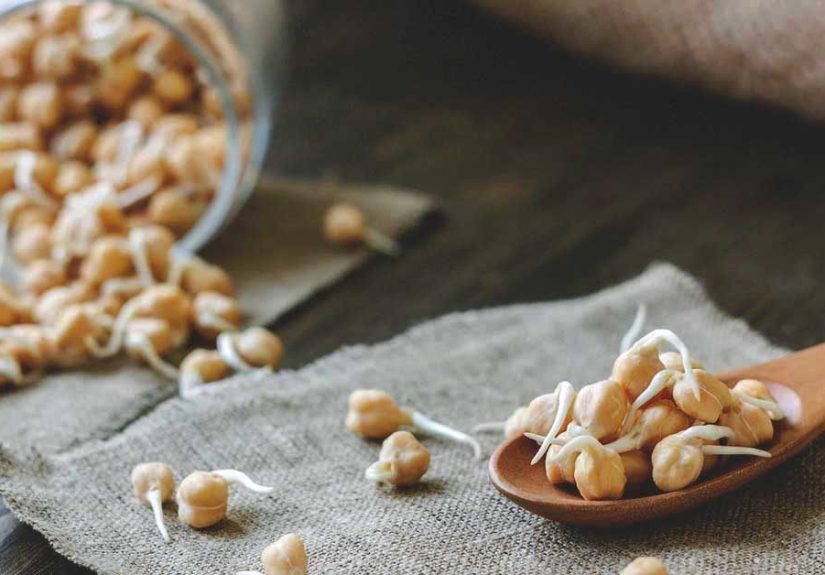
Sprouts are simply seeds that have just begun to grow. With a little water, warmth, and timeusually just a few daysbeans, grains, or vegetable seeds wake up and push out a tiny shoot. That shoot, plus the softened seed, is what we call a sprout.
Common types of raw sprouts include:
- Alfalfa sprouts – the delicate, grassy sprouts often piled on salads and sandwiches.
- Mung bean sprouts – the thicker, crunchy sprouts used in stir-fries and spring rolls.
- Broccoli sprouts – tiny but powerful sprouts loved for their potential cancer-fighting compounds.
- Radish, clover, lentil, and pea sprouts – peppery, sweet, or earthy options used in bowls and wraps.
Because they’re eaten very fresh and usually raw, they keep many of the nutrients that might be lost with longer cookingone of the main reasons health-conscious eaters love them.
Health Benefits of Raw Sprouts
1. Dense Nutrition in a Tiny Package
Sprouting turns a dormant seed into a living plant, and that process changes the seed’s nutritional profile. As seeds sprout, enzymes activate and begin breaking down starches and storage compounds. This can slightly boost certain vitamins and make some nutrients easier to absorb.
Depending on the type, sprouts can provide:
- Vitamins C and K – especially in broccoli and alfalfa sprouts.
- Folate and other B vitamins – important for cell growth and energy metabolism.
- Plant-based protein – lentil, mung bean, and other legume sprouts supply a modest protein boost.
- Fiber – to support digestive health and help you stay full.
- Minerals like iron, magnesium, and potassium.
Sprouts are low in calories but high in volume, meaning they easily bulk up salads and sandwiches without adding much energyhelpful if you’re trying to manage weight while still feeling satisfied.
2. Improved Digestibility Compared With Unsprouted Seeds
Some people find beans and seeds tough on the digestive system. Sprouting helps by partially breaking down complex carbohydrates and reducing certain compounds that can cause gas and bloating. At the same time, sprouting can decrease levels of phytic acid, a “anti-nutrient” that can interfere with the absorption of minerals like iron and zinc.
This doesn’t turn sprouts into a miracle cure for every digestive issue, but for some people, sprouted beans or grains are easier on the stomach than their fully raw, unsprouted counterparts.
3. Powerful Plant Compounds and Antioxidants
One of the biggest reasons sproutsespecially broccoli sproutsget so much attention is their high content of bioactive compounds. Broccoli sprouts, for example, are rich in precursors to sulforaphane, a compound being studied for potential anti-inflammatory and anticancer effects.
Other sprouts contain flavonoids, carotenoids, and other antioxidants that help neutralize free radicals and may support overall cellular health. While sprouts are not a replacement for medical treatment, they can be part of a plant-forward eating pattern associated with better long-term health.
4. Supporting Heart and Metabolic Health
Early research suggests that regularly incorporating certain sprouts into your diet may help improve markers related to heart and metabolic health. Some small studies have found potential benefits such as:
- Slight reductions in LDL (“bad”) cholesterol.
- Improvements in insulin sensitivity in certain groups.
- Better antioxidant capacity in the blood.
These findings are promising but not definitive. Think of sprouts as a high-quality supporting actor in a big ensemble cast that includes fruits, vegetables, whole grains, and healthy fats.
The Other Side: Potential Risks of Raw Sprouts
For all their benefits, raw sprouts come with a serious catch: foodborne illness. This isn’t a small, theoretical concernit’s a well-documented risk that health agencies in the United States keep talking about for a reason.
1. Why Sprouts Are So Vulnerable to Germs
To grow sprouts, you need three things: warmth, moisture, and time. Unfortunately, those are exactly the same conditions that bacteria like Salmonella, E. coli, and Listeria love.
Here’s the tricky part: if the seed is contaminated before sprouting, washing the finished sprouts won’t necessarily fix the problem. Bacteria can be on the surface of the seed or tucked into tiny crevices. As the seed sprouts, any present bacteria can multiply rapidly. By the time those sprouts hit your plate, the bacterial load can be high enough to make you sick, even if they look fresh and smell fine.
2. Real Outbreaks, Not Just Hypothetical Risk
Since the mid-1990s, raw sprouts have repeatedly been linked to outbreaks of foodborne illnesses in the United States and other countries. Different types of sproutsincluding alfalfa, clover, radish, and mung beanhave been associated with illnesses caused by Salmonella and E. coli.
Public health agencies have investigated outbreaks tied to both retail products and restaurant meals. In some cases, hundreds of people across multiple states have become sick. This pattern is one of the reasons the U.S. Food and Drug Administration (FDA) and the Centers for Disease Control and Prevention (CDC) classify raw and lightly cooked sprouts as high-risk foods.
3. Who Should Avoid Raw Sprouts Altogether?
For most healthy adults, the decision to eat raw sprouts is a personal risk calculation, similar to eating raw oysters or runny eggs. But for some groups, the advice is much more clear: skip them.
Major U.S. health authorities recommend that the following people avoid raw or undercooked sprouts:
- Pregnant people.
- Young children.
- Older adults.
- Anyone with a weakened immune system (for example, due to cancer treatment, diabetes with complications, organ transplant, or certain medications).
For these groups, a bout of food poisoning can be far more serious and may lead to hospitalization or complications. In that context, the crunchy texture just isn’t worth the risk.
4. Symptoms to Watch For
If you’ve eaten raw sprouts and later develop symptoms of food poisoning, it’s worth remembering the connectionespecially if there has been a recent recall or outbreak.
Common symptoms include:
- Diarrhea (sometimes bloody).
- Stomach cramps and abdominal pain.
- Nausea and vomiting.
- Fever and chills.
- Headache and overall fatigue.
Most healthy people recover on their own, but severe symptoms, dehydration, or illness in vulnerable individuals should be evaluated by a healthcare professional.
Can You Make Raw Sprouts Safer?
Is it possible to make raw sprouts completely safe? Realistically, no. But you can reduce risk and make smarter choices if you decide to keep them in your diet.
1. Cook Them When You Can
The single best way to reduce the risk from sprouts is to cook them thoroughly. High heat can kill harmful bacteria, turning a risky food into a safer one. Stir-frying mung bean sprouts until they’re steaming hot, adding them to soups at a full simmer, or tossing them into hot dishes just before serving are all examples of safer use.
Cooking might slightly change their texture and some heat-sensitive vitamins, but you still get fiber, minerals, and many beneficial plant compoundsplus peace of mind.
2. Choose Your Source Carefully
If you buy sprouts at the store or eat them in restaurants, look for signs that food safety is taken seriously:
- Sprouts that are properly refrigerated and look fresh, not slimy, wilted, or musty.
- Vendors who follow food safety guidance and recall alerts.
- Restaurants that are willing to leave sprouts off your dish if you ask.
At home, keep sprouts in the refrigerator and use them quicklyideally within a few days. The longer they sit, the more opportunity bacteria have to multiply.
3. What About Home Sprouting?
Growing your own sprouts can feel like a fun science experiment with edible results. You soak seeds, drain them, rinse them a couple of times a day, and watch them turn into a lush jar of green. But home sprouting is not automatically safer than commercial production.
The problem is the same: if the seeds are contaminated before they reach you, the warm, moist conditions you create are perfect for bacteria. While you can lower risk by:
- Buying seeds specifically labeled for sprouting.
- Keeping equipment and jars very clean.
- Rinsing sprouts regularly and storing them in the fridge once they’re ready.
…you still can’t guarantee that harmful germs won’t be present. If you or anyone in your household is in a high-risk group, it’s safer to cook sprouts thoroughly or avoid them.
How to Enjoy Sprouts More Safely
1. Smart Ways to Use Cooked Sprouts
If you love the flavor and crunch of sprouts but want to play it safer, try these ideas:
- Stir-fries: Toss mung bean sprouts into a hot wok with veggies, tofu, or chicken and cook until they’re fully heated.
- Soups and noodle bowls: Add sprouts during the last few minutes of cooking so they soften and heat through.
- Warm grain bowls: Mix lightly cooked sprouts into brown rice or quinoa dishes.
- Omelets or scrambled eggs: Sauté sprouts briefly before adding eggs for extra texture and nutrition.
You’ll still get a pleasantly crunchy bite, but with much lower risk than piling raw sprouts onto your sandwich.
2. Alternatives to Raw Sprouts for Crunch and Nutrients
If you decide that raw sprouts aren’t worth the gamble, you can still build nutritious, crunchy meals. Try:
- Shredded cabbage or Brussels sprouts (washed well and eaten raw or lightly cooked).
- Thinly sliced radishes or carrots.
- Microgreens grown under cleaner conditions and eaten quickly after harvest.
- Lightly steamed broccoli or snap peas for salads and grain bowls.
These options offer fiber, vitamins, and vibrant texture without the same level of food safety concern.
Balancing Benefits and Risks: Should You Eat Raw Sprouts?
So where does that leave us? Raw sprouts are undeniably nutritious, flavorful, and fun to add to meals. They deliver vitamins, minerals, and powerful plant compounds in a small package. But they’re also one of the more frequently cited foods when it comes to outbreaks of foodborne illness.
For healthy adults who understand the risk and consume them occasionally, raw sprouts may be an acceptable choice, especially when sourced carefully and stored properly. For vulnerable individualsor for anyone who simply doesn’t want to roll the microbial dicecooked sprouts or crunchy alternatives are the smarter move.
Like many food decisions, it’s not about declaring sprouts “good” or “bad.” It’s about matching your personal risk tolerance with what we know from public health experience, and then choosing the version of that food that makes you feel both well-nourished and safe.
Real-Life Experiences With Raw Sprouts: What People Actually Report
Beyond lab data and official guidelines, people’s real-world experiences with raw sprouts reveal the full pictureboth the good and the not-so-good. While individual stories aren’t scientific proof, they do show how this food fits into everyday life.
1. The “Sprout Lover” Perspective
Ask someone who’s been eating raw sprouts for years without trouble, and you’ll often hear a similar story: they feel lighter after meals, like the sprouts “brighten up” their food, and they enjoy the sense of eating something fresh and alive. Many people first meet sprouts at health-food cafés, juice bars, or vegetarian restaurants, and they quickly become a habit.
Some people even say that broccoli or alfalfa sprouts were their “gateway” to a more plant-forward lifestyle. Once they started sprinkling sprouts on sandwiches and grain bowls, they became more comfortable experimenting with other vegetables, fermented foods, and whole grains. For them, sprouts represent a small, daily commitment to eating closer to the natural state of food.
2. Stories From People Who Got Sick
On the other side are people who’ve had a very different experience. Accounts of food poisoning linked to sprouts often share a similar pattern: the sprouts looked perfectly fine, maybe added as a garnish to a sandwich, salad, or wrap. Within a day or two, the person started feeling unwellstomach cramps, diarrhea, maybe fever and chills.
In milder cases, it was “just” a rough few days and a new item on the personal “never again” list. But some individuals, especially those with medical conditions, have described being hospitalized after what seemed like a harmless lunch. For them, sprouts went from “healthy topping” to “food to avoid forever” in one bad week.
3. Experiences With Home Sprouting
Home sprouters often talk about the satisfaction of watching jars on the counter transform from dry seeds into fluffy handfuls of greens. Many enjoy experimenting with different seedslike lentils, chickpeas, radishes, or broccolijust to see how they taste.
Those who’ve been doing it for years usually develop strict routines: sterilizing jars, rinsing with care, watching for off smells, and chilling sprouts as soon as they’re ready. Some say they feel more in control because they know how their sprouts were handled. Others, however, still choose to cook most of their sprouts or reserve raw ones for rare occasions, especially if they live with kids or older family members.
4. The Restaurant and Café Point of View
Chefs and café owners also have their own relationship with sprouts. Many love the way sprouts instantly make a plate look more vibrant and fresh. A handful of alfalfa or pea shoots can turn a simple sandwich into something that looks “gourmet.”
At the same time, food safety regulations and outbreak history have made some restaurants cautious. Some choose to avoid raw sprouts altogether to reduce liability. Others keep them on the menu but are quick to honor requests to leave them off, or they switch to cooked sprouts in hot dishes. If you’re unsure, you can always ask how the sprouts are handled or whether they can be omitted.
5. Finding Your Own Comfort Level
Ultimately, people land in different places with raw sprouts based on their health status, experiences, and personality. Some are comfortable eating them occasionally, especially from trusted sources. Others won’t touch them after experiencing or seeing a severe case of food poisoning. And many people land in the middle: they might happily enjoy cooked mung bean sprouts in a stir-fry but skip the raw alfalfa on a sandwich.
If you’re healthy, love the taste, and decide to keep raw sprouts in your diet, being informed is your best tool. Stay aware of recalls, buy from reputable producers, store them cold, and don’t serve them to friends or family members in high-risk groups. If the risks feel too high for your comfort, there are plenty of delicious, crunchy alternatives.
Either way, sprouts are a powerful reminder that “natural” doesn’t always mean “risk-free.” Respecting both their benefits and their potential dangers lets you make choices that fit your health goalsand lets you enjoy your meals with fewer worries.