Table of Contents >> Show >> Hide
- How we got here: the perfect storm in the medicine cabinet
- What “prescription drug harm” looks like in a school building
- How prescription drug misuse damages the educational system
- What schools and families can do that actually helps
- Start with a truth everyone can agree on: medication can be both helpful and risky
- Lock it up, clean it out, and don’t treat the medicine cabinet like a junk drawer
- Make school medication policies realistic (and consistently enforced)
- Teach refusal skills and decision skills, not just “don’t do drugs”
- Screen early, refer fast, follow up like it matters (because it does)
- Prepare for emergencies without turning school into a police station
- Reduce the “pressure incentives” that make pills feel like a solution
- A more accurate headline (but we’ll keep yours): misuse is killing students, and schools are paying the bill
- Experiences from the front lines (real-world snapshots)
- Snapshot 1: The “finals week favor”
- Snapshot 2: The nurse’s locked cabinet and the rumor mill
- Snapshot 3: A parent discovers the medicine cabinet is a supply chain
- Snapshot 4: The counselor who stops asking “What’s wrong with you?”
- Snapshot 5: A school community builds a safety net, not a scare campaign
If modern school had a spirit animal, it would be a half-charged Chromebook, a cold cup of coffee, and a calendar notification screaming “MIDTERMS.” In that kind of pressure cooker, it’s easy to see why a pill can start to look like a shortcut: focus faster, sleep faster, calm down faster, hurt less faster. The problem is that “faster” has a nasty habit of turning into “riskier”especially when medications are shared, misused, stored loosely, or replaced by counterfeit look-alikes sold as “prescription” pills.
Let’s say the quiet part out loud: prescription drugs themselves are not the villain. For millions of students, medications for ADHD, anxiety, depression, asthma, diabetes, and pain are the reason they can show up, participate, and learn. What’s “killing students and the educational system” is the ecosystem around prescription drugsdiversion, nonmedical use, unsafe storage, untreated substance use disorders, counterfeit pills, stigma, and school policies that lag behind a fast-changing reality.
This article breaks down what’s happening, why it hits schools so hard, and what actually helpswithout moral panic, without finger-wagging, and without pretending the solution is “just tell kids to stop.” (If that worked, no one would ever eat Hot Cheetos for breakfast, and yet…)
How we got here: the perfect storm in the medicine cabinet
1) Academic pressure + “performance culture”
In many schools, achievement has become a competitive sport: AP classes, test prep, extracurriculars, sports, jobs, family responsibilities, and the constant hum of social comparison. Under that pressure, some students start experimenting with prescription stimulants not prescribed to them, believing it’s a safe “study hack.” It isn’t. Even when the pill is real, nonmedical stimulant use can mess with sleep, appetite, anxiety, and judgmentexactly the things students need to think clearly and learn well.
2) Meds that are common at home become common at school
Many families have leftover prescriptionsespecially pain medications after procedures, or sedatives used short-term. When these medications aren’t locked up or disposed of, they can become “available” in the simplest way possible: a friend, a sibling, or a curious moment in a bathroom cabinet. A lot of misuse starts with access, not a grand plan.
3) Counterfeit “prescription” pills raised the stakes
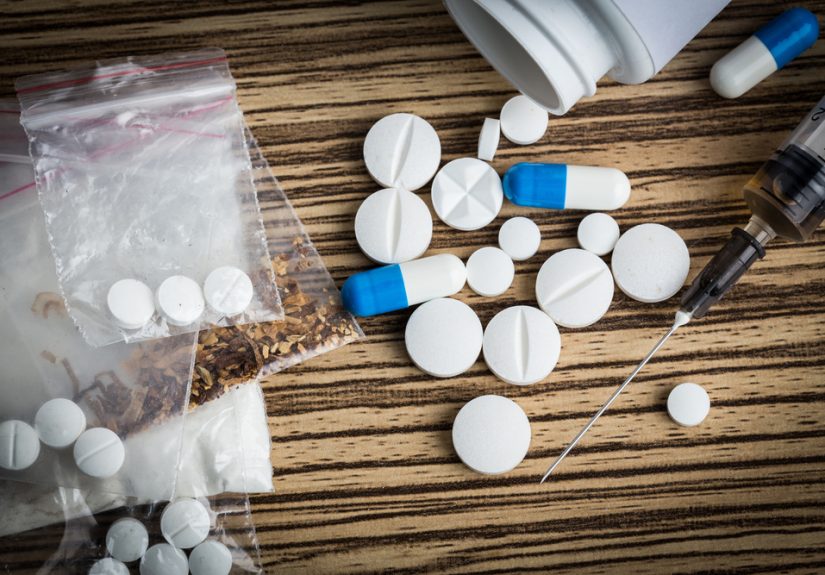
One reason this crisis feels so unforgiving is that counterfeit pills can look like real medications. These fakes are often marketed as familiar drugs for anxiety, ADHD, or painand students may not realize what they’re actually taking. In other words, some teens aren’t choosing “hard drugs”; they’re being fooled by packaging, shape, or a social-media sales pitch that mimics legitimacy.
4) A health system that treats symptoms but misses the context
Schools are where the consequences show up first: drowsiness in first period, panic during a quiz, irritability at lunch, a disciplinary referral, a nurse visit, a sudden drop in grades, a withdrawal from friends. Meanwhile, families and clinicians are often trying to manage real conditions (pain, ADHD, anxiety, insomnia) while also navigating limited time, uneven access to mental health care, and confusing information.
What “prescription drug harm” looks like in a school building
Stimulants: the “study pill” myth that backfires
Prescription stimulants can be life-changing when properly prescribed and monitored for ADHD. But when used without a prescriptionor used differently than prescribedthey can trigger insomnia, agitation, anxiety, and a crash that makes the next day worse. The academic irony is brutal: students misuse a pill to “perform,” then lose sleep, miss class, and struggle to retain information. It’s like trying to fix a leaky faucet with a fire hose.
Sedatives and anxiety meds: “calm” can come with a cost
Some medications that slow the nervous system can impair attention, memory, and reaction timeespecially when mixed with other substances or taken in ways that aren’t prescribed. In a classroom, that can show up as fogginess, slowed processing, or “zoning out,” which teachers may misread as disengagement or defiance.
Opioids: pain relief, plus real risk when mishandled
Opioid pain medications have a role in specific medical situations, but they carry risks that are widely recognized in public health guidanceespecially when shared, taken in higher doses than prescribed, or left unsecured in the home. A school might only see “sleepy,” “absent,” or “sick,” while the actual issue is happening off campus.
Discipline, stigma, and the “double punishment” problem
When a student is caught with someone else’s medication, the response often becomes purely punitive: suspension, referral, athletics ban, removal from clubs, a record that follows them. Accountability matters, but punishment alone can backfire when the real issue is substance misuse, mental health distress, or a dangerous counterfeit-pill situation. The student loses support systems at the exact moment they need more, not less. Schools end up “managing” the crisis instead of reducing it.
How prescription drug misuse damages the educational system
1) Attendance and engagement take the first hit
Substance misuse is strongly linked with truancy, lower academic engagement, and poorer school outcomes. The mechanism isn’t mysterious: disrupted sleep, mood instability, conflict at home, health problems, and disciplinary consequences all make it harder to show up and stay focused. Even occasional misuse can create a cycle of “miss class → fall behind → stress → more risky coping.”
2) School nurses and counselors become the emergency system
When communities don’t have enough accessible behavioral health care, schools become the default clinic. Nurses manage medication storage and administration, assess students who feel unwell, and coordinate with families. Counselors juggle academic planning, crisis response, trauma support, and referrals. This is meaningful workbut it also pulls time and resources from proactive prevention and everyday academic support.
3) Classroom time gets replaced with crisis time
Teachers aren’t trained to be toxicologists, but they’re often the first adults to notice a sudden shift: a student who can’t keep their eyes open, a student unusually agitated, a student disappearing to the bathroom repeatedly, a student who was thriving and now can’t finish work. When schools lack clear protocols and coordinated support, the burden lands on individual staff members, and learning time gets eaten by constant troubleshooting.
4) Safety planning becomes part of “basic operations”
Many districts now plan for medical emergencies that were rare in school settings a generation ago. That can include training, partnerships with local health organizations, and stocking emergency medications. This isn’t “schools doing too much.” It’s schools adapting to a public health reality that doesn’t politely stop at the front doors.
What schools and families can do that actually helps
Start with a truth everyone can agree on: medication can be both helpful and risky
The most effective messaging doesn’t demonize prescriptions. It distinguishes between: medical use (prescribed, monitored, taken as directed) and nonmedical use (shared, misused, taken differently than directed, or counterfeit). This matters because students who legitimately need medication shouldn’t be shamed into skipping it, and students who are misusing medication shouldn’t be lectured into secrecy.
Lock it up, clean it out, and don’t treat the medicine cabinet like a junk drawer
Safe storage is boringand boredom is underrated in public health. Keeping controlled medications in a locked location reduces casual access. Disposing of unused meds through take-back programs reduces “leftover supply.” Many national agencies emphasize that take-back options are the best disposal route when available.
Make school medication policies realistic (and consistently enforced)
Schools need clear, practical policies for medication administration and secure storage, including who has access and how documentation works. When policies are vague, enforcement becomes inconsistent, and students learn the wrong lesson: “This isn’t serious until someone gets caught.” Strong policy also protects students who need medication during the school day by ensuring privacy and safe handling.
Teach refusal skills and decision skills, not just “don’t do drugs”
A surprising amount of teen prescription misuse happens through social pathways: “My friend gave it to me,” “Someone offered it before finals,” “It was in the house,” “It looked legit.” Prevention programs are most useful when they train students to handle those real moments: how to say no without losing face, how to exit a situation, how to get help for a friend, and how to recognize that “prescription” does not mean “safe for me.”
Screen early, refer fast, follow up like it matters (because it does)
When a student shows signs of substance misuse, the goal should be rapid support: confidential assessment, family engagement, and connections to treatment or counseling. Schools can’t provide all care, but they can reduce frictionhelp families navigate referrals, coordinate with school-based health centers where available, and keep students connected to learning while they stabilize.
Prepare for emergencies without turning school into a police station
Some schools and health partners have implemented overdose prevention education and made reversal medication available on campus as part of broader safety planning. The key is balance: preparation and training paired with prevention, counseling, and clear communication. The goal isn’t to frighten students; it’s to reduce deaths and serious harm while building a pathway to help.
Reduce the “pressure incentives” that make pills feel like a solution
This is the part that doesn’t fit on a poster, but it matters: if students feel like they can’t fall behind, can’t rest, can’t ask for help, and can’t admit they’re struggling, risky coping becomes more attractive. Schools can counter this by normalizing support: tutoring that isn’t a punishment, mental health days with structure, flexible deadlines when appropriate, and honest conversations about sleep, stress, and realistic workload.
A more accurate headline (but we’ll keep yours): misuse is killing students, and schools are paying the bill
Prescription medications help millions of students learn and function. But nonmedical use, diversion, unsafe storage, and counterfeit pills have turned “medicine” into a high-stakes risk factor in many communities. The education system feels the impact through absenteeism, discipline, staff burnout, and crisis response.
The fix isn’t one magic program or one scary assembly. It’s a layered approach: safer storage and disposal at home, realistic school medication policies, prevention education that matches real student life, strong mental health support, and emergency readiness that treats every student’s life as worth protecting. If we can do fire drills without calling students “arsonists,” we can do overdose prevention and medication safety without turning struggling kids into villains.
Note: This article is for educational purposes and isn’t medical or legal advice.
Experiences from the front lines (real-world snapshots)
Snapshot 1: The “finals week favor”
A teacher notices a high-performing student suddenly unraveling: missed homework, irritability, falling asleep in class. Later, the student admits they took a friend’s stimulant “just for finals week.” The student didn’t feel like they were “doing drugs”they felt like they were borrowing a tool. What the teacher learns (and what many families don’t realize) is how quickly the side effects can sabotage learning: no sleep, no appetite, big anxiety, and then a crash. The turning point isn’t a lecture. It’s a calm conversation plus practical support: a counselor visit, a reduced load for a week, and a plan for tutoring. The student starts to see that asking for academic help is less risky than self-medicating.
Snapshot 2: The nurse’s locked cabinet and the rumor mill
A school nurse implements stricter storage for student medications after a near-miss: pills brought in a backpack “for later” go missing. The new system is safer, but rumors spread: “The nurse is treating us like criminals.” The nurse holds a short information session for students and parents: secure storage protects everyone, including students who rely on medication daily. The mood shifts when students realize privacy is part of the plan, too. The nurse isn’t trying to control students; she’s trying to make sure nobody’s health becomes somebody else’s experiment.
Snapshot 3: A parent discovers the medicine cabinet is a supply chain
A parent cleaning the bathroom finds an old pain prescription from a past procedure. It’s not a dramatic discoveryuntil they realize their teen has friends over often, and the cabinet is easy access. The parent doesn’t panic; they get practical. They use a take-back option, buy a small lockbox for current medications, and have a no-shame conversation: “If you’re stressed or hurting, we solve it together. We don’t improvise with pills.” The surprising part? The teen seems relieved. The boundary removes temptation and removes a social trap: “Can you get me something from home?”
Snapshot 4: The counselor who stops asking “What’s wrong with you?”
A student is repeatedly disciplined for “defiance,” but the behavior doesn’t fit the student’s history. A counselor reframes the question from “Why are you acting like this?” to “What’s happening to you?” The student finally shares that they’ve been using someone else’s anxiety medication because they can’t sleep and feel panicky. The counselor coordinates with the family, helps schedule an evaluation, and keeps the student connected to school through a support plan. Progress isn’t instant. But the student starts learning that coping skills, therapy, and legitimate medical care beat secret pill-swaps that can spiral fast.
Snapshot 5: A school community builds a safety net, not a scare campaign
After a frightening incident in the community, a district partners with local public health staff to run a parent night and student workshops. The tone is intentionally non-dramatic: facts, not fear. Students practice refusal language and learn why “it’s prescription” doesn’t guarantee safetyespecially in a world of counterfeit pills. Parents learn storage and disposal basics and how to spot warning signs without turning the house into an interrogation room. The district also updates protocols and trains staff. The biggest win isn’t one assembly. It’s the ongoing message: you can ask for help early, you’ll be taken seriously, and you won’t be treated like a lost cause.