Table of Contents >> Show >> Hide
- What polycythemia vera does to the body in the first place
- So, what does polycythemia vera skin actually look like?
- What PV skin usually does not look like
- Why the itching can be so intense even when the skin looks normal
- Could treatment affect the skin too?
- When to call a doctor right away
- How doctors usually manage PV-related skin symptoms
- Tips for making daily life a little easier
- Experiences people often describe with PV skin symptoms
- Final thoughts
Polycythemia vera, or PV, is a blood cancer that can make your skin send some pretty loud signals. The tricky part is that those signals do not always look like a classic rash. In many people, PV skin looks more flushed than bumpy, more itchy than dramatic, and more “something is definitely off” than “Aha, this is obviously a skin disease.” In other words, PV does not always arrive wearing a name tag.
If you are wondering what polycythemia vera skin looks like, the shortest honest answer is this: it can look red, warm, blotchy, or unusually flushed, especially on the face, hands, and feet. It can also feel intensely itchy, particularly after a warm shower or bath, even when there is little or nothing visible on the skin. That invisible itch is one of the most frustrating parts of the condition. Your skin may look mostly normal while acting like it is holding a grudge.
This article breaks down the skin symptoms linked to PV, what is common, what is not, when to worry, and what day-to-day life with PV-related skin changes can actually feel like.
What polycythemia vera does to the body in the first place
PV happens when the bone marrow makes too many blood cells, especially red blood cells. That extra cell load thickens the blood and slows circulation. Once blood flow becomes less smooth, the body can start showing signs in places where circulation matters a lot, including the skin. This is one reason people with PV may notice redness, warmth, burning sensations, itching, or changes in how their hands, feet, and face look.
Skin symptoms do not mean PV is “just a skin problem.” Far from it. They are often clues that the blood itself is behaving differently. So while the mirror may catch the redness first, the story usually starts much deeper.
So, what does polycythemia vera skin actually look like?
There is no single PV rash that shows up in every person. Instead, several skin-related patterns are more common than others.
A flushed or ruddy face
One of the best-known visual signs is a face that looks unusually red, warm, or “ruddy.” Some people describe it as looking like a constant blush. Others say it resembles a mild sunburn that forgot to leave. This facial redness can be persistent or come and go. In some cases, the ears may also look redder than usual.
The color change is often tied to increased blood cell volume and altered blood flow. It is not the same thing as acne, rosacea, or an allergic rash, although it can be mistaken for all three. The difference is that PV flushing tends to fit into a larger picture that may also include headaches, dizziness, fatigue, itching, or abnormal blood counts.
Redness, heat, and burning in the hands or feet
PV can also affect the skin on the hands and feet. Some people develop episodes of redness and warmth with a burning or tingling feeling. These areas may look bright red or feel hot to the touch. This symptom pattern is often described as erythromelalgia, which is a fancy word for “my skin feels like it is auditioning for a role as a stovetop.”
When this happens, the skin may look inflamed even though the main problem begins in the blood vessels and circulation. The discomfort can range from mildly annoying to truly miserable, especially after activity, heat exposure, or long periods on your feet.
Itching after a shower, bath, or water exposure
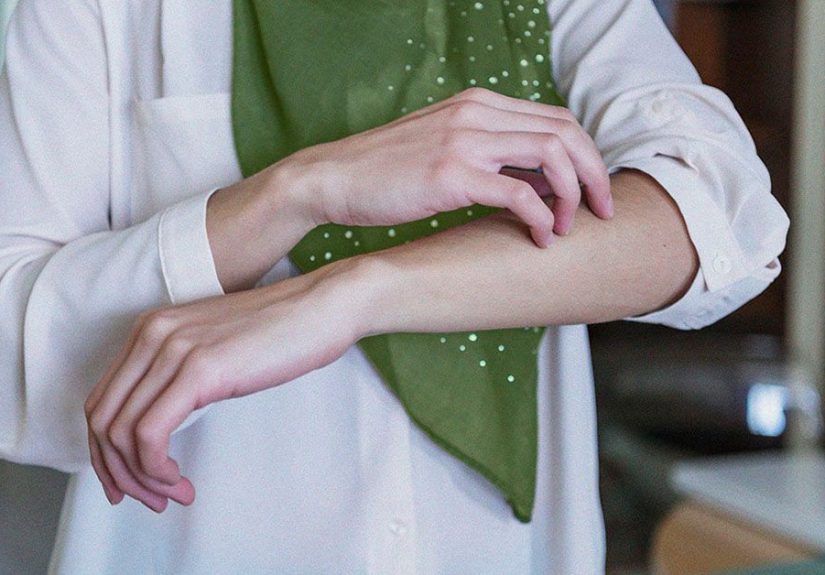
This is one of the most talked-about PV skin symptoms, and for good reason. Many people with PV experience intense itching after contact with water, especially warm water. Doctors often call this aquagenic pruritus. The odd and maddening part is that the skin may show little to no rash at all.
Instead of visible bumps, you may get an all-over prickling, stinging, tingling, or crawling sensation. Some people say it starts within minutes of bathing. Others say it hits after they dry off. The itch may last a few minutes or stick around much longer, making an ordinary shower feel like an unnecessarily spicy life event.
This symptom matters because it can show up before PV is diagnosed. In some people, the shower-related itch is one of the earliest clues that something more than dry skin is going on.
Blotchy or uneven redness
Not everyone with PV develops smooth, even flushing. Some people notice patchy or blotchy redness, particularly on the face, neck, arms, or legs. The skin may look uneven in tone, almost as if it cannot decide whether it is embarrassed, overheated, or irritated by the entire concept of existing.
These blotches are not always raised. They can be flat, dry-looking, and itchy. Warm water, heat, stress, or friction may make them more noticeable.
Scratch marks, dryness, and irritated skin from the itch itself
PV does not always create a visible rash, but the scratching that follows severe itching can absolutely create visible damage. Over time, people may develop dry patches, excoriations, scabs, or skin that looks raw from repeated rubbing and scratching. In some cases, the skin can become darker or lighter in certain areas after chronic irritation.
So if you are looking at PV skin and seeing scratch marks, rough texture, or broken skin, those changes may be secondary. In plain English: the itch came first, and the visible skin damage showed up later.
Bruising or tender superficial vein changes
Because PV affects blood flow and clotting risk, some people may notice bruising more easily or symptoms related to veins near the skin surface. A painful, tender, cord-like area under the skin or a warm, reddened track along a vein deserves medical attention. That is not the sort of thing to shrug off and blame on “weird skin.”
What PV skin usually does not look like
PV is often misread because its skin symptoms can be dramatic in sensation but subtle in appearance. In general, PV skin does not usually look like:
- A classic hive outbreak with raised welts
- A blistering rash as the main hallmark of the disease
- A scaly plaque disorder such as psoriasis
- An oozing infection with pus-filled lesions
- A textbook allergic rash covering the body
That does not mean a person with PV cannot also have eczema, hives, contact dermatitis, or another skin issue. It simply means that PV itself tends to be more famous for flushing, itching, burning, and circulation-related skin changes than for a single signature rash pattern.
Why the itching can be so intense even when the skin looks normal
This is the part that confuses many people. They feel intense itching, but the skin may appear nearly normal. That happens because itch can be driven by internal changes, not just surface irritation. In PV, abnormal blood cell activity, inflammatory signaling, and changes tied to circulation may all play a role.
That is why a dermatologist may not see a dramatic rash, yet the patient is still very uncomfortable. It also explains why moisturizers alone do not always solve the problem. Dry skin can make itching worse, sure, but in PV the itch may be rooted in the disease itself.
Could treatment affect the skin too?
Yes. This is an important twist. Sometimes the skin problem is related to PV, and sometimes it is related to treatment used for PV. For example, a doctor may ask whether a new rash, leg sore, or irritated patch started after a medication change. That distinction matters because the fix may involve changing skin care, adjusting treatment, or checking for another cause entirely.
So if you have PV and notice new ulcers, unusual sores, blistering, or worsening skin damage, it is smart to bring that up promptly rather than assuming it is “just part of PV.”
When to call a doctor right away
Some skin-related symptoms in PV need urgent attention, especially when they may point to clotting or poor circulation. Contact a healthcare professional quickly if you notice:
- Sudden swelling, pain, or redness in one arm or leg
- A limb that becomes pale, bluish, or unusually cold
- Severe burning pain with major color change in hands or feet
- Skin breakdown, nonhealing sores, or ulcers
- Shortness of breath, chest pain, sudden weakness, or confusion along with skin changes
PV carries a real risk of blood clots, so skin symptoms should always be read in context. Redness is one thing. Redness plus pain, swelling, or breathing trouble is a different story.
How doctors usually manage PV-related skin symptoms
Treatment depends on what is driving the skin problem. If the main issue is the underlying PV, managing blood counts often helps reduce symptoms. Common strategies may include phlebotomy, low-dose aspirin when appropriate, and medicines used to control the disease itself. For itching, doctors may consider options such as antihistamines, selective serotonin reuptake inhibitors, interferon-based therapy, JAK inhibitor therapy, or supervised ultraviolet light treatment in selected cases.
At home, some people feel better by taking cooler showers, avoiding very hot water, using gentle fragrance-free cleansers, patting the skin dry instead of scrubbing, and applying moisturizer right after bathing. Those steps are not glamorous, but neither is scratching yourself into a bad mood, so practical wins still count.
Tips for making daily life a little easier
If PV is affecting your skin, daily habits matter more than most people expect. Keep showers warm instead of hot. Moisturize while the skin is still slightly damp. Wear breathable fabrics. Track whether heat, stress, exercise, or certain soaps make symptoms worse. If burning in the feet flares at night, note the pattern and tell your clinician. If the itch is keeping you from sleeping, mention that too. Sleep loss is not a side note; it can wreck quality of life all by itself.
It also helps to take photos of visible redness or blotchy episodes when they happen. Skin symptoms are notorious for calming down the minute you reach the appointment room, like they suddenly remember their professional reputation.
Experiences people often describe with PV skin symptoms
Living with PV skin symptoms can be surprisingly isolating because the discomfort is often bigger than the visible evidence. Many people say the hardest part is trying to explain an itch that feels severe while the skin looks almost normal. Friends or family may assume it is dry skin, stress, a soap issue, or “just one of those things.” But for the person dealing with it, the sensation can be intense enough to affect bathing, clothing choices, exercise, sleep, and mood.
A common experience is learning to dread the shower. Something that should feel relaxing turns into a careful strategy session. Water temperature gets negotiated like a peace treaty. Too warm, and the itching may roar to life. Too long, and the skin may start prickling or stinging. Some people rush through bathing; others avoid it longer than they would like because they know what may happen afterward. That sounds minor until you remember this is a basic daily activity, not a high-risk sport.
Another frequently described experience is the feeling of being visibly “off” without looking obviously sick. A flushed face may attract comments like, “Were you out in the sun?” or “You look warm.” Red, burning feet or hands can make ordinary routines feel strangely difficult. Standing in line, walking through a store, or wearing snug shoes may suddenly become a much bigger deal than they used to be. The skin is not always screaming for attention, but it is definitely sending memos.
People with PV-related itching also talk about the mental drain. Chronic itch is not just a skin sensation. It can chip away at patience, concentration, and sleep. Some describe feeling irritable for reasons they cannot fully explain until they realize they have been uncomfortable all day. Others say the unpredictability is what gets them. One shower is fine, the next one feels awful. One day the face looks only mildly flushed, and the next day the redness is impossible to ignore.
There can also be a long road to recognition. A person may see a clinician for itching, flushing, headaches, or fatigue before anyone connects those symptoms to a blood disorder. That can make the eventual diagnosis feel both frightening and validating. Frightening, because nobody enjoys hearing the word “cancer.” Validating, because at last there is a reason the body has been acting so strangely.
Many people report real relief once treatment starts helping. Some notice that regular phlebotomy reduces the facial redness or the overall sense of pressure and warmth. Others say better disease control calms the itching or the burning in their hands and feet. Relief may not be instant, and it may not be complete, but even partial improvement can feel huge. When an ordinary shower no longer feels like a trap, that is not a tiny win. That is a parade-worthy improvement.
Perhaps the most important shared experience is this: PV skin symptoms are real, even when they are subtle. A person does not need a dramatic rash to be dealing with significant discomfort. That is why symptom tracking, honest conversations with a hematology team, and practical skin-care adjustments matter so much.
Final thoughts
Polycythemia vera skin usually looks less like a classic rash and more like a pattern of flushing, redness, heat, burning, and intense itching, especially after warm water exposure. The face may appear ruddy. The hands and feet may look red and feel hot. The skin may itch fiercely without showing much at all. And when scratching becomes constant, secondary marks such as dryness, scabs, or irritated patches can follow.
If that combination sounds familiar, it is worth raising the question with a healthcare professional. In PV, the skin can be an early messenger. It may not always be subtle, but it is often misunderstood. Knowing what to look for makes it easier to spot the difference between a routine skin annoyance and a symptom that deserves a closer look.