Table of Contents >> Show >> Hide
- Start With a Photo Walkthrough (Yes, Like a Home Tour, But for Safety)
- Picture Checklist: 18 Poison-Adjacent Products Hiding in Plain Sight
- 1) Medicines, vitamins, and “gummy everything”
- 2) Pain relievers and cold/flu meds in the kitchen
- 3) Laundry detergent pods and packets
- 4) Dishwasher pods and rinse aids
- 5) Bleach and strong disinfectants
- 6) Drain openers (the “do not mess with me” bottle)
- 7) Ammonia-based cleaners and bathroom sprays
- 8) Rubbing alcohol and hand sanitizer
- 9) Essential oils (yes, the “natural” stuff)
- 10) Nicotine e-liquids and vape refills
- 11) Pesticides, weed killers, and bug sprays
- 12) Antifreeze and auto fluids
- 13) Paint thinners, solvents, and fuel
- 14) Button batteries and coin batteries
- 15) Carbon monoxide sources (not a “product,” but a household poison)
- 16) Lead paint and lead dust risks (especially in older homes)
- 17) Mothballs
- 18) “Mystery bottles” and decanted containers
- Red Flags Your Photos Might Reveal (and What to Do About Them)
- How to Stay Safe: Storage, Use, Ventilation, and Disposal
- 1) Store it like it’s trying to escape (because it is)
- 2) Read label signal words and pictograms (they’re the product’s “mood ring”)
- 3) Ventilation is not optional when cleaning indoors
- 4) Don’t mix cleaners (your sink is not a chemistry lab)
- 5) Dispose of leftovers and expired products the right way
- If Exposure Happens: Quick, Calm Next Steps
- A Simple Home Poison Prevention Checklist (Print This, Screenshot It, Tattoo It on Your Brain)
- Common Experiences and Real-Life Lessons (500+ Words)
- Conclusion
Your home is supposed to be a safe place. And it is… until you remember you’re basically living in a tiny,
well-decorated chemistry set. The good news: you don’t need to panic, purge your cabinets, or wrap your
house in bubble wrap. You just need to know what’s risky, spot it quickly,
and store it smarter.
This guide is a photo-first “home safety audit” you can do in under an hour. You’ll take (or plan) pictures of
common poisonous or toxic household products, learn what the photos should reveal, and walk away with
practical steps to protect kids, pets, roommates, and your future self who absolutely will forget where you put
that industrial-strength drain cleaner.
Start With a Photo Walkthrough (Yes, Like a Home Tour, But for Safety)
When people hear “poisonous products,” they often imagine skull-and-crossbones bottles in a villain lair.
In real life, the troublemakers are usually the normal-looking items we use every day: detergents, medicines,
cleaners, batteries, and even “natural” products like essential oils.
The fastest way to spot hazards is to see your home the way a curious toddler, a bored pet, or a distracted adult
might: “What looks like candy? What smells interesting? What’s easy to open? What’s stored near food?”
Your photos help you notice patternslike storing dishwasher pods next to snacks (oops) or keeping
mothballs in a container that looks suspiciously like peppermints (double oops).
How to do the photo audit
- Pick 6 zones: kitchen, bathroom, laundry area, garage/workshop, yard/patio storage, and “random drawer kingdom.”
- Take wide shots (where things live) and close-ups (labels, caps, warning icons, and damage/leaks).
- Photograph storage height and access (low cabinet? unlocked? easy twist cap?).
- Look for “decanting” (chemicals moved into drink bottles, unlabeled jars, or cute containers meant for soap).
Picture Checklist: 18 Poison-Adjacent Products Hiding in Plain Sight
Below are common household items that can be toxic if swallowed, inhaled, splashed in eyes, absorbed through skin,
or even just used incorrectly. For each one, you’ll see what your picture should capture and the simplest safety move.
1) Medicines, vitamins, and “gummy everything”
Photo tip: Open the medicine cabinet (or drawer) and take a picture showing the shelf height and whether bottles are locked away.
Why it matters: Many medicationsand even supplementscan be dangerous if taken by the wrong person or in the wrong dose. Gummies can look like candy.
Safer move: Store meds “up and away,” not on counters or in bags. Pay attention to purses, backpacks, and pill organizers.

2) Pain relievers and cold/flu meds in the kitchen
Photo tip: Snap the “just in case” stashoften near coffee, snacks, or the junk drawer.
Why it matters: Storing medicine near food increases the chance of mix-ups, especially at night or when you’re rushing.
Safer move: Keep all meds together in a designated, secure spot. Don’t “free-range” bottles around the house.
3) Laundry detergent pods and packets
Photo tip: Photograph the container and whether it’s sealed, latched, and out of sight.
Why it matters: Pods can look like candy. Exposure can cause serious injuryespecially to eyesand kids can access them fast.
Safer move: Keep pods in original packaging, sealed, and locked up. Don’t let children handle them “to help.”

4) Dishwasher pods and rinse aids
Photo tip: Capture under-sink storage. Include the cabinet door open and the product labels visible.
Why it matters: Many kitchen cleaners are concentrated and irritating. Under-sink cabinets are toddler-height for a reason (not a good one).
Safer move: Add a child safety latch/lock and store pods up high if young kids visit.
5) Bleach and strong disinfectants
Photo tip: Zoom in on label signal words like “Danger” or “Warning,” and take a picture of nearby products.
Why it matters: Bleach is powerfuland mixing it with other cleaners (especially ammonia) can create toxic gases.
Safer move: Never mix cleaners. Use one product at a time, and ventilate when cleaning indoors.
6) Drain openers (the “do not mess with me” bottle)
Photo tip: Photograph the cap type and any corrosion warnings on the label.
Why it matters: Many drain cleaners are highly corrosive and can burn skin and eyes. They’re also easy to confuse with other bottles if decanted.
Safer move: Store locked up, upright, and in the original containernever in a beverage bottle, ever.
7) Ammonia-based cleaners and bathroom sprays
Photo tip: Show what’s stored together in your cleaning caddy or under-sink cabinet.
Why it matters: Mixing incompatible products is a common “accidental science fair.” Bleach + ammonia is a famous bad combo.
Safer move: Separate strong products and read labels. If you can’t pronounce the ingredients, don’t combine them.
8) Rubbing alcohol and hand sanitizer
Photo tip: Photograph where these liveoften on nightstands, desks, or near snacks.
Why it matters: These are useful but not meant to be swallowed, and children may imitate adults.
Safer move: Keep larger bottles stored away, use small pump bottles where needed, and supervise around younger kids.
9) Essential oils (yes, the “natural” stuff)
Photo tip: Take a close-up of tiny bottles, roll-ons, and diffusersespecially if stored in low drawers or on open shelves.
Why it matters: Some essential oils can be harmful if swallowed or misused, and they’re often packaged like cosmetics.
Safer move: Use only as directed on labels and store where kids and pets can’t access them.

10) Nicotine e-liquids and vape refills
Photo tip: Photograph refills and devices, especially if they’re left on counters or in bags.
Why it matters: Nicotine liquids can be highly toxic to children and pets, even with small accidental exposures.
Safer move: Store locked, sealed, and out of reachnever in pockets, purses, or on nightstands where a toddler can “discover” them.
11) Pesticides, weed killers, and bug sprays
Photo tip: Take a picture of the front label where the signal word appears (Danger/Warning/Caution).
Why it matters: Signal words indicate acute toxicity and help you gauge risk. Many pesticides require careful handling.
Safer move: Follow label directions exactly and store in original containers in a locked area away from food and animal feed.
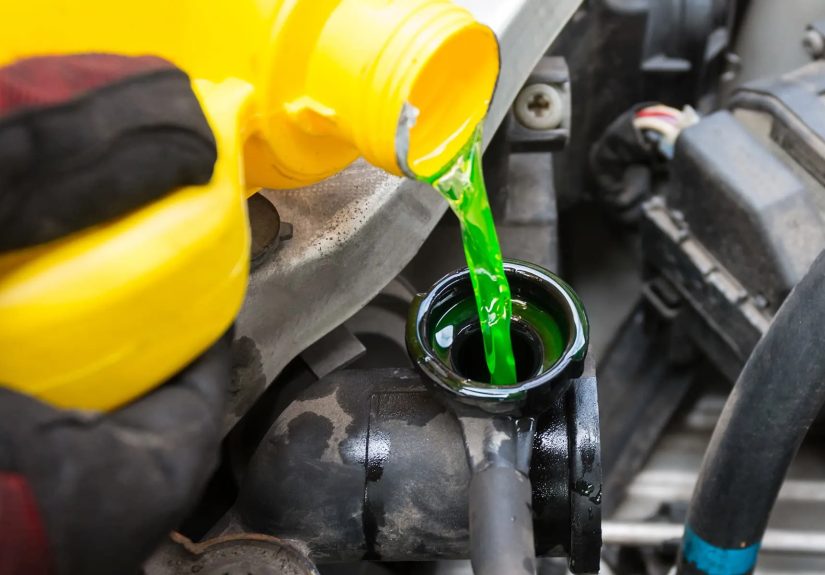
12) Antifreeze and auto fluids
Photo tip: Photograph containers and check for leaks, crusty caps, or evidence of spills.
Why it matters: Antifreeze can be extremely dangerous if swallowed by kids or pets.
Safer move: Keep it locked up, don’t use it when kids/pets are nearby, and clean spills immediately.
13) Paint thinners, solvents, and fuel
Photo tip: Wide shot of the garage/workshop shelf plus close-ups of any containers without labels.
Why it matters: Many solvents are flammable and toxic to inhale. Unlabeled containers are an accident waiting to happen.
Safer move: Label everything, keep lids tight, store away from ignition sources, and dispose of leftovers properly.
14) Button batteries and coin batteries
Photo tip: Take pictures of remotes, key fobs, toys, and greeting cardsanything with a battery compartment.
Why it matters: Button batteries are a serious ingestion hazard for young children and can cause severe internal injury quickly.
Safer move: Keep spare batteries locked up and ensure battery compartments are secured (screws or child-resistant design).

15) Carbon monoxide sources (not a “product,” but a household poison)
Photo tip: Photograph fuel-burning appliances (furnace, water heater) and your garage door leading into the home.
Why it matters: Carbon monoxide (CO) is odorless and can build up from engines or appliances in enclosed spaces.
Safer move: Install CO alarms on each level and outside sleeping areas. Never run a car in an attached garageeven with the door open.
16) Lead paint and lead dust risks (especially in older homes)
Photo tip: If your home was built before 1978, take pictures of peeling paint, dusty windowsills, and high-friction areas like doors and frames.
Why it matters: Lead-contaminated dust from old paint can expose children, especially when paint deteriorates or during renovation.
Safer move: Keep painted surfaces in good condition and use lead-safe practices for renovations. Hire certified pros for lead-related work when needed.
17) Mothballs
Photo tip: Photograph how mothballs are storedespecially if they’re in open containers or reachable drawers.
Why it matters: Mothballs can release fumes and are poisonous if swallowed; they also resemble candy to small children.
Safer move: Store sealed, in original packaging, and out of reachor use safer pest prevention methods when possible.
18) “Mystery bottles” and decanted containers
Photo tip: Take pictures of anything stored in drink bottles, food jars, or unlabeled spray bottles.
Why it matters: This is one of the most common causes of household poison accidentsmistaken identity.
Safer move: Keep chemicals in original containers. If you must transfer something (like diluted cleaner), label it clearly and store it safely.
Red Flags Your Photos Might Reveal (and What to Do About Them)
Red flag: Dangerous products stored low and unlocked
Under-sink cabinets are convenient for adults and irresistible for toddlers. If your photos show cleaners, pods,
pesticides, or batteries within easy reach, the fix is usually simple: add cabinet latches, move high-risk items up high,
or use a lockbox.
Red flag: Products stored next to food or drinks
If your picture shows chemicals next to pantry items (or in a fridge… it happens), relocate them immediately.
A good rule: food stays with food, and chemicals stay in a separate zone.
Red flag: Mixed product “cocktails” and cluttered caddies
A cleaning bucket with bleach, ammonia, vinegar, and “mystery spray” is basically a suspense novel. Separate products,
read labels, and never mix chemicals unless the label explicitly says it’s safe.
Red flag: Leaks, crusty lids, or damaged packaging
Your photos may catch what your eyes ignore in real time: drips, bulging containers, torn pod bags, or pesticide sprayers
that look like they’ve seen too much. Replace damaged packaging and clean spills promptly.
How to Stay Safe: Storage, Use, Ventilation, and Disposal
1) Store it like it’s trying to escape (because it is)
- Lock up high-risk products (meds, pods, pesticides, batteries, auto fluids).
- Keep items in original containers with labels intact.
- Use height + barriers: high shelves plus latches beats “I hope they don’t look there.”
- Separate categories: cleaners away from food; chemicals away from pet items; batteries away from toys accessible to kids.
2) Read label signal words and pictograms (they’re the product’s “mood ring”)
Signal words like Danger, Warning, and Caution are there for a reason.
Many products also use hazard pictograms (like corrosion symbols). Your photos should capture these so you can quickly
sort products by risk and storage priority.
3) Ventilation is not optional when cleaning indoors
If your photos show you cleaning in tiny bathrooms or closed laundry rooms, add ventilation to your routine:
open windows and doors when possible and avoid breathing fumes. “Fresh air” is an underrated safety tool.
4) Don’t mix cleaners (your sink is not a chemistry lab)
Mixing products can create dangerous gases. The classic hazard is bleach + ammonia, but other combinations can also be risky.
If you’re switching products, rinse the surface with water and give it time before applying something new.
5) Dispose of leftovers and expired products the right way
Some itemslike certain paints, solvents, oils, batteries, and pesticidescan count as household hazardous waste and
need special disposal. For unused medicines, many communities offer take-back options through pharmacies or law enforcement
facilities. When in doubt, check local guidelines and use designated drop-off programs.
If Exposure Happens: Quick, Calm Next Steps
This is not a substitute for medical advicebut it is a smart, safety-forward starting point.
If someone may have been poisoned, contact Poison Control right away for guidance.
If the person collapses, has trouble breathing, has a seizure, or can’t be awakened, call emergency services immediately.
What to do while you call for help
- Have the product nearby (or your photo of the label) so you can read ingredients and directions.
- Do not “try a home remedy” unless instructed by Poison Control or a medical professional.
- For fumes: move to fresh air.
- For skin contact: rinse with running water and remove contaminated clothing.
- For eye exposure: rinse gently with water and get expert guidance immediately.
Save Poison Control in your phone now. It’s one of those contacts you hope you never uselike “Spare Key Friend”but you’ll be glad it’s there.
A Simple Home Poison Prevention Checklist (Print This, Screenshot It, Tattoo It on Your Brain)
- All medicines, vitamins, and gummies stored up high or locked.
- Cleaning supplies not stored with food, dishes, or pet items.
- Pods (laundry/dishwasher) sealed in original packaging and secured.
- No chemicals stored in drink bottles or food containers.
- Spare batteries locked up; battery compartments secured.
- CO alarms installed on each level and outside sleeping areas (and tested regularly).
- Older-home lead risks addressed (peeling paint, dusty windowsills, renovation plans).
- Hazardous waste and unused medicines disposed of through proper programs.
Common Experiences and Real-Life Lessons (500+ Words)
The most useful safety lessons don’t come from scary labelsthey come from the “I can’t believe that almost happened”
moments people share afterward. The stories below are common scenarios reported by families, safety educators, and poison-prevention campaigns.
They’re not meant to frighten you; they’re meant to make you think, “Oh wow, that could be my house,” and then fix one small thing today.
The pod-on-the-washer problem
Someone buys laundry detergent pods because they’re convenient. The bag sits on top of the washing machine “just for now”
because the cabinet is full. A toddler visits for a weekend. The shiny pod looks like a squishy toyor a snack. Chaos follows.
The lesson isn’t “never buy pods.” It’s: convenience storage becomes permanent storage. If something has a child-resistant closure,
treat that as a sign it needs a child-resistant location, too. A locked cabinet or high shelf takes less time than a panicked phone call.
The “I’ll just refill this cute spray bottle” trap
People love aesthetic containers. A clean, reusable bottle makes the cleaning shelf look like a home décor catalog.
The problem starts when multiple products end up in similar bottles, labels fall off, or someone forgets what’s inside.
A roommate grabs the wrong one. A babysitter uses it around kids. Or someone sprays it in a small bathroom with no ventilation and
wonders why their eyes feel like they’re auditioning for a tear-jerker. The fix is simple: keep harsh products in original containers.
If you dilute something for daily use, label it clearly with the product name and date, and keep it away from food and drink areas.
The garage “sip mix-up” that happens faster than you think
In garages and workshops, it’s common to keep fluidsfuel, solvents, auto productsnear tools and storage bins.
The danger spikes when someone pours a chemical into a drink bottle “temporarily” or leaves an unmarked cup on a workbench.
A distracted adult takes a quick gulp. A teen grabs what looks like water while helping with chores. A younger sibling copies the behavior.
The takeaway: never store chemicals in food or beverage containers, even if you swear you’ll remember.
The whole point of accidents is that you don’t get a calendar invite beforehand.
The button battery “it was just a remote” moment
Button batteries are tiny, common, and easy to underestimate. Families often discover a battery missing from a remote or toy only after the fact.
Sometimes there’s no obvious sign right away. The scary part is that the most dangerous situations can be unwitnessed.
The practical response is prevention: check battery compartments during your photo audit, secure loose batteries, and replace damaged
battery doors. If you have little kids visiting, treat button batteries like you’d treat medication: locked up and monitored.
The carbon monoxide near-miss during a cold snap
When the power goes out or it’s bitterly cold, people get creative. Some run cars in garages “with the door open,”
or bring grills and fuel-burning devices closer to the house for warmth. Carbon monoxide is dangerous because it’s invisible and doesn’t smell.
The lesson here is twofold: CO alarms are non-negotiable, and “almost outdoors” isn’t outdoors.
If you have an attached garage, make a household rule: no running vehicles insideever. It’s boring advice, which is exactly what you want
from safety guidance. Boring = you’re alive to complain about it.
If you take nothing else from these experiences, take this: most poison emergencies don’t start with reckless behavior.
They start with normal routineslaundry, cleaning, fixing a car, organizing a cabinetplus one small oversight.
A photo audit turns “small oversights” into “easy fixes,” and that’s the whole game.