Table of Contents >> Show >> Hide
- The myth of physician powerlessness
- The job is not just to prescribe less. It is to practice better.
- What physicians can do tomorrow morning
- Better systems make better physicians possible
- This is not about blame. It is about responsibility.
- Experiences from the front lines: what this looks like in real practice
There is a particular kind of exhaustion that shows up in medicine when opioids enter the room. A patient asks for help with pain. Another returns after an overdose scare. A third has been bounced between urgent care, the emergency department, and a half-dozen well-meaning clinicians who all agree on one thing: this is bad. What nobody agrees on is what to do next.
That is usually the moment when powerlessness sneaks in wearing a white coat and a tired expression. It whispers that addiction is somebody else’s specialty, somebody else’s clinic, somebody else’s problem. The physician, it says, can document carefully, frown professionally, and hope the patient finds help somewhere between the parking lot and the next crisis.
That story is comfortable. It is also wrong.
Physicians are not powerless against opioid addiction. They are not omnipotent either, which is a good thing because medicine tends to get weird when it confuses “helpful” with “heroic.” But doctors do have meaningful power: to prevent avoidable harm, to recognize opioid use disorder early, to treat it like the medical condition it is, and to create a path to recovery that starts today instead of “whenever someone calls you back.”
The opioid crisis has changed shape over the years, but it has not disappeared. Prescription opioids, illicit fentanyl, chronic pain, mental health conditions, trauma, social instability, and fragmented care still collide in exam rooms every day. That means physicians still matter every day. Not as spectators. Not as referees. As clinicians.
The myth of physician powerlessness
Many doctors did not wake up one morning and decide to feel helpless. The feeling was earned. They trained in a system that often split pain care from addiction care, then split addiction care from primary care, then split primary care from behavioral health, and finally acted surprised when patients fell into the cracks like loose change in an old couch.
Some physicians were taught to fear opioids but not how to manage dependency. Others were told to spot misuse without being taught how to treat opioid use disorder in a regular practice setting. Many inherited patients on long-term opioid regimens and learned, sometimes painfully, that abrupt changes can damage trust, worsen suffering, and push people toward more dangerous sources of relief.
So yes, there are reasons doctors feel stuck. But “stuck” is not the same as “powerless.” The first is a systems problem. The second is a surrender.
Why the myth persists
It persists because addiction still carries stigma, even in places with fancy badges and excellent coffee. It persists because physicians worry about time, reimbursement, regulations, training gaps, and the possibility of getting treatment wrong. It persists because some clinicians assume they must become addiction specialists before they can help at all.
That last idea deserves a respectful but firm trip to the recycling bin. A physician does not need to do everything to do something important. Identifying opioid use disorder, offering evidence-based treatment, prescribing naloxone, reducing risky opioid exposure, coordinating follow-up, and avoiding stigmatizing language are not tiny gestures. They are core medical acts.
The job is not just to prescribe less. It is to practice better.
For years, conversations about opioids were flattened into a simplistic slogan: prescribe fewer pills, and the problem improves. Thoughtful prescribing absolutely matters. Safer pain care matters. But opioid addiction is not solved by making doctors afraid of their own prescription pads. It is solved by better clinical judgment before, during, and after opioid exposure, paired with direct treatment when opioid use disorder is present.
Treat pain without sleepwalking into risk
Good physicians do not deny pain. They evaluate it. They ask what is causing it, what has already been tried, what function the patient is losing, what risks are present, and what success would actually look like. Sometimes success is not “pain score zero.” Sometimes it is sleeping through the night, walking the dog, getting back to physical therapy, or making it through a work shift without feeling like the lumbar spine has declared war.
When opioids are considered, the best care is individualized, cautious, and honest. That means weighing benefits and risks, favoring the lowest effective exposure when opioids are appropriate, discussing non-opioid options, checking for overdose risk factors, and making a real plan for reassessment instead of a ceremonial “follow up as needed.” If the patient is already receiving opioids, the answer is not panic. The answer is clinical review, shared decision-making, and safer ongoing management.
In other words, good medicine is not anti-pain. It is anti-autopilot.
Recognize opioid use disorder early and call it what it is
Physicians also reclaim power the moment they stop treating opioid use disorder like a scandal and start treating it like a diagnosis. Patients do not benefit when a chart says “drug-seeking behavior” where a careful assessment should have said “possible opioid use disorder.” They do not benefit when repeated early refill requests, escalating use, overdose history, or loss of control are treated as moral failures instead of clinical data.
Naming the condition matters. It opens the door to evidence-based care. It shifts the conversation from suspicion to treatment. It helps patients hear, often for the first time, that their struggle is neither a character defect nor a permanent sentence.
A physician can say: “I’m concerned that this may be opioid use disorder. That is a medical condition, and there are effective treatments. We can start addressing it.” That sentence may not win a literary prize, but it can change a life.
Treat the addiction, not just the aftermath
This is where physician agency becomes most obvious. Opioid use disorder has effective treatment. Not perfect treatment. Not effortless treatment. Effective treatment. Medications for opioid use disorder, including buprenorphine, methadone, and naltrexone, improve outcomes and reduce the risk of overdose. Pretending otherwise in 2026 is not skepticism. It is outdated practice wearing a skeptical hat.
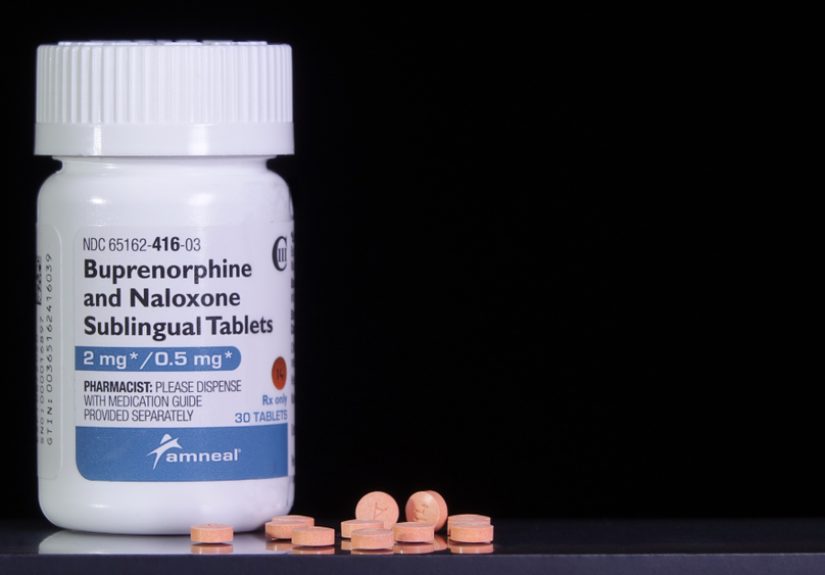
For many physicians, buprenorphine has become the clearest symbol of what is possible. Office-based treatment is not a theoretical future. It is available now. A patient does not need a dramatic movie montage, a three-week quest through phone trees, or a spiritual awakening in a parking garage before evidence-based treatment begins. They need a clinician willing to start.
That does not mean every doctor must manage every case forever. It means physicians can begin care, stabilize patients, collaborate with behavioral health, and refer intelligently when specialty support is needed. Starting treatment is not overstepping. It is medicine.
What physicians can do tomorrow morning
Build a low-barrier path into care
Patients with opioid use disorder often vanish during the gap between “You need treatment” and “The next available appointment is in three weeks.” A low-barrier approach narrows that gap. In practical terms, that means same-day evaluations when possible, warm handoffs instead of passive referrals, telemedicine when appropriate, streamlined follow-up, and fewer hoops that exist mainly because healthcare enjoys paperwork the way toddlers enjoy glitter.
Low-barrier care is not careless care. It is care designed around reality. People with opioid use disorder may be dealing with unstable housing, transportation problems, fear of stigma, legal stress, chronic pain, depression, or childcare issues. When physicians reduce friction, they are not lowering standards. They are raising the odds that treatment actually happens.
Make naloxone ordinary, not awkward
Naloxone should not be treated like a dramatic confession that something terrible is being anticipated. It should be as routine as discussing seat belts in a fast car or sunscreen in July. If a patient is at elevated risk for overdose, offering naloxone is good clinical practice. Full stop.
The conversation can be calm and matter-of-fact: “Because opioids can slow breathing, I recommend naloxone as a safety tool.” That framing helps patients and families understand that overdose prevention is part of responsible care, not a judgment about their worth. Ordinary language saves lives because ordinary language gets used.
Choose words that open doors
Language is not decorative in addiction medicine. It changes whether patients feel safe enough to tell the truth. Terms such as “addict,” “abuser,” or “clean/dirty” carry stigma that can quietly poison care. Person-first language is not political correctness with a stethoscope. It is clinical skill.
Saying “a patient with opioid use disorder” instead of “an opioid addict” sounds simple because it is simple. Simplicity is often underrated in medicine. So is dignity. When clinicians speak as though recovery is possible and treatment is normal, patients notice. Teams notice too.
Use the whole team
No physician should try to build opioid care alone out of grit and caffeine. Nurses, pharmacists, behavioral health clinicians, social workers, care coordinators, and peer support staff can all strengthen outcomes. A doctor’s role is often to set the tone and create the pathway. Once that happens, the work becomes more consistent and less dependent on individual heroics.
That matters because heroics burn out. Systems endure.
Better systems make better physicians possible
Individual doctors can do a great deal, but the best results come when healthcare organizations stop acting as if opioid addiction is an occasional inconvenience rather than a standard part of modern practice. Clinics need workflows. Hospitals need protocols. Emergency departments need pathways for initiation and follow-up. Health systems need training, decision support, referral networks, and leadership that rewards treatment instead of quietly discouraging it.
Primary care is especially important. It is where continuity lives. It is where chronic illness gets managed over time. And opioid use disorder is, in many cases, exactly that: a chronic medical condition that benefits from repeated contact, medication management, relapse prevention, and integrated behavioral support.
Emergency physicians matter too. Hospitalists matter. Surgeons matter. Obstetricians matter. Pediatricians and family physicians matter when counseling families. The crisis does not belong to one specialty, which is precisely why no specialty gets to shrug and point down the hall.
What real physician agency looks like
It looks like a family doctor who reviews a long opioid medication list and chooses careful reassessment over automatic renewal. It looks like an emergency physician who starts treatment after an overdose instead of sending a patient back into the night with a brochure and a prayer. It looks like an internist who screens for substance use, a psychiatrist who collaborates on coexisting depression, and a health system that makes follow-up possible before motivation evaporates.
Agency also looks smaller and quieter than people expect. It can be a doctor who stops using shaming language. A doctor who checks whether benzodiazepines and opioids are being combined. A doctor who offers naloxone without embarrassment. A doctor who says, “You are not a lost cause, and we are not done here.”
This is not about blame. It is about responsibility.
Some physicians resist these conversations because they hear accusation in them. But the point is not that doctors caused every addiction, can fix every addiction, or should carry the entire crisis on their backs like tragic Victorian characters wandering the moors. The point is simpler: physicians are too important to opt out.
The profession has already learned painful lessons about overprescribing, fragmented care, stigma, and delayed treatment. The next lesson should be more hopeful. Doctors do not have to choose between naïve overconfidence and defeated passivity. There is a better middle ground: humility paired with action.
That middle ground is where medicine becomes useful again. Physicians can listen carefully, prescribe thoughtfully, diagnose honestly, treat directly, and coordinate relentlessly. They can reduce risk without abandoning people. They can support recovery without pretending relapse never happens. They can stop asking whether they have enough power to solve the entire crisis and start using the power they already have to help the person in front of them.
That is not a small thing. In opioid addiction, small things done consistently are often the difference between another missed opportunity and the first real step toward recovery.
Experiences from the front lines: what this looks like in real practice
A primary care physician in a busy community clinic once described the turning point this way: the moment she stopped seeing opioid use disorder as a disruption to “real medicine” and recognized that it was real medicine. She had a patient with chronic back pain who kept cycling through urgent visits, early refill requests, and escalating distress. For months the team argued about whether he was manipulative, irresponsible, or “noncompliant,” which is healthcare’s favorite way of admitting it has run out of imagination. When the physician finally sat down, reviewed the pattern without judgment, and named opioid use disorder directly, the conversation changed. The patient did not storm out. He cried. Treatment started. The chaos dropped. Not overnight, not magically, but measurably.
An emergency physician told a similar story from a completely different angle. She had grown used to seeing the same names after overdose reversals and feeling that the emergency department was a revolving door with fluorescent lighting. Then her department adopted an ED-initiated buprenorphine pathway with a clear follow-up process. Suddenly the visit was not just rescue and discharge; it was rescue and treatment. She said the most surprising part was not that the protocol worked, but that it made clinicians feel like clinicians again instead of witnesses to preventable harm.
A hospitalist described the quieter challenge of language. He realized that even competent, compassionate doctors sometimes used shorthand that carried a punch: “drug-seeking,” “failed rehab,” “dirty urine.” None of those phrases made patients safer, but all of them made teams more cynical. He started modeling person-first language during rounds. It sounded small, almost annoyingly small. Yet over time it changed the tone of discussions, made residents more thoughtful, and seemed to lower the temperature in difficult cases. It turns out dignity is not just kind. It is efficient.
One family physician in a rural practice said the biggest barrier was never willingness. It was logistics. Patients had transportation problems, spotty phone service, jobs without flexible hours, and no patience for referral mazes built by people who clearly drove to work in peace. Once the clinic simplified scheduling, normalized telehealth when appropriate, trained staff, and made naloxone part of routine safety counseling, more patients stayed in care. The doctor did not become an addiction celebrity. He became organized. That was enough to save time, build trust, and improve outcomes.
Perhaps the most honest experience comes from physicians who admit they were initially afraid to treat opioid use disorder at all. Afraid of saying the wrong thing. Afraid of attracting “too many complicated patients.” Afraid of legal complexity, relapse, conflict, or failure. Many of those fears eased only after they began. That may be the most important lesson of all. Power in medicine rarely arrives as confidence first. More often, it arrives as action, then competence, then the quiet realization that what once felt impossible has become part of ordinary care. And ordinary care, done well, is exactly how physicians stop being powerless.
Note: This article is intended for educational publishing. It reflects current U.S. clinical and policy guidance but does not replace individual clinical judgment, local protocols, or state and federal legal requirements.