Table of Contents >> Show >> Hide
- What happened (and why it matters)
- Which pasta meals were affected?
- Why listeria triggers serious warnings
- How investigators connect outbreaks to specific foods
- What to do if you bought one of these meals
- “But I heated itdoesn’t heat kill bacteria?”
- What retailers and brands typically do during incidents like this
- What this recall reveals about the ready-to-eat food pipeline
- Smart ways to stay ahead of future recalls
- FAQs
- Real-life experiences: what a pasta-meal recall actually feels like (and what people learn)
- Experience #1: The “wait… I literally ate that yesterday” moment
- Experience #2: Freezer surprise (aka “why do I still have this?”)
- Experience #3: The refund run
- Experience #4: The deep-clean spiral (and how to keep it sane)
- Experience #5: The “I’m cooking everything from scratch forever” vow (that lasts 48 hours)
- Conclusion
Quick vibe check: a microwavable pasta dinner is supposed to save your eveningnot become the main character of your week. But in late 2025, a cluster of prepared pasta meals sold through major retailers (including Trader Joe’s and Walmart) landed in the spotlight after officials flagged potential Listeria monocytogenes contamination tied to a multistate outbreak.
This article breaks down what happened, which products were involved, why listeria is taken so seriously, and what to do if you’ve got one of these meals in your fridge or freezer. (Yes, freezer. Because listeria loves a good plot twist and can hang around in cold temps.)
What happened (and why it matters)
Federal health and food-safety agencies investigated a multistate listeria outbreak linked to prepared pasta mealsthe kind you grab from the refrigerated case when you’re hungry and optimistic. The investigation initially focused on certain chicken fettuccine alfredo products, then expanded as additional meals were connected through testing and traceback.
By the time agencies issued major updates in fall 2025, the outbreak had grown and included severe outcomes. Listeria is not the “I’ll just sleep it off” kind of foodborne illness for many peopleespecially those who are pregnant, older adults, and anyone with a weakened immune system.
Which pasta meals were affected?
The situation involved a mix of recalls, voluntary withdrawals, and public health alerts tied to meals made or distributed by large prepared-food producers and sold under different brand names at different retailers. In plain English: the same ingredient can travel through multiple products and labels, so the list can feel like it keeps evolving.
Products commonly cited in alerts and recall coverage
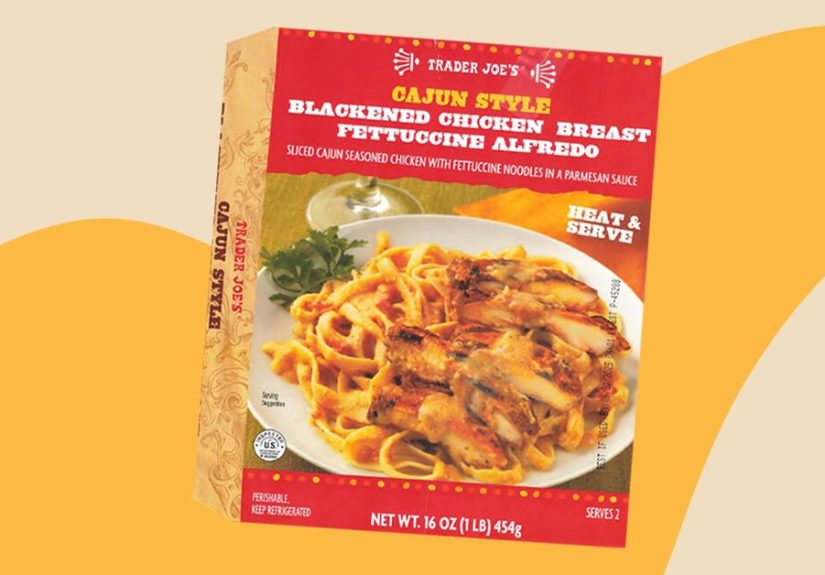
- Trader Joe’s Cajun Style Blackened Chicken Breast Fettuccine Alfredo (refrigerated prepared meal)
- Walmart Marketside Linguine with Beef Meatballs & Marinara Sauce (refrigerated prepared meal)
- Walmart Marketside Grilled Chicken Alfredo with Fettuccine (multiple sizes were referenced in coverage)
- Home Chef Chicken Fettuccine Alfredo (sold through major grocery distribution)
- Scott & Jon’s Shrimp Scampi with Linguini Bowls
- Other downstream items such as certain pasta salads sold by large grocery chains and deli departments (these were tied to recalled pasta used as an ingredient)
What should you look for? For many prepared-meal alerts, the packaging includes a USDA inspection mark and an establishment number (for example, codes that begin with “EST.”). In some of the widely reported alerts, consumers were told to check specific “best by” dates and establishment numbers tied to the products in question.
A practical “don’t overthink it” rule
If your meal matches the name and is within the reported best-by/use-by windows discussed in official updates and major recall roundups, treat it as “do not eat.” When there’s uncertainty, the safest move is to throw it away or return it.
Why listeria triggers serious warnings
Listeria isn’t like some food bugs that mainly cause a rough day and a vow to never trust potato salad again. Listeria monocytogenes can cause listeriosis, and in higher-risk groups it can become invasivespreading beyond the gut and leading to severe illness and hospitalization.
Who is most at risk?
- Pregnant people (even a mild illness can lead to pregnancy complications)
- Adults ages 65+
- People with weakened immune systems
- Newborns (risk is tied to pregnancy-related infection)
Symptoms to know (because Google at 2 a.m. is not a medical plan)
Symptoms vary, but can include fever, muscle aches, tiredness, nausea, vomiting, or diarrhea. In more severe cases, symptoms can involve headache, stiff neck, confusion, loss of balance, or convulsions. Another tricky part: symptoms can start days lateror weeks laterso people don’t always connect the dots to a meal they ate “back when I was still pretending to meal prep.”
How investigators connect outbreaks to specific foods
Modern outbreak investigations are part detective work, part lab science, and part logistics marathon. Health investigators interview sick people, test food and facility samples, and trace ingredients through supply chains. One key tool is genetic fingerprinting (often discussed as whole genome sequencing), which helps match bacteria found in foods to bacteria found in patients.
In this outbreak, testing and traceback discussions publicly pointed to prepared meals and, importantly, to pasta used as an ingredient that was distributed to other companies for use in additional products. That matters because it explains why multiple brands and retailers can appear in the same outbreak story: one contaminated ingredient can end up everywhere.
What to do if you bought one of these meals
Here’s a clear, low-stress checklist. (Okay, it’s a little stress. But the goal is control, not panic.)
1) Don’t eat it
If the product name and timing line up with the meals under alert/recall coverage, do not taste-test it “just to see.” Listeria is not impressed by bravery.
2) Return it or toss it safely
Many retailers provide refunds for recalled/alerted products. If you’d rather not carry a questionable alfredo through the store like a sad briefcase, you can discard it. Seal it in a bag before trashing if possible.
3) Clean your fridge like it owes you money
Listeria can survive and spread in cold environments. Clean any shelves, drawers, containers, and surfaces that might have touched the meal or its packaging.
- Wash removable fridge parts with hot, soapy water.
- Wipe down interior surfaces.
- Sanitize using a kitchen-safe sanitizing approach recommended by public health guidance (often discussed as a diluted bleach solution used appropriately).
- Wash your hands after handling the product and after cleaning.
4) Pay attention to symptomsespecially if you’re high-risk
If you are pregnant, 65+, or immunocompromised and you develop symptoms after eating a recalled/alerted product, contact a healthcare provider promptly. If you’re not in a higher-risk group, listeria can still make you sick, but severe complications are less common.
“But I heated itdoesn’t heat kill bacteria?”
Heat can kill many pathogens when food is heated thoroughly and evenly to safe temperatures. The issue with outbreaks tied to prepared meals is that:
- People don’t always heat foods evenly (hello, microwave cold spots).
- Some items may be eaten before heating, tasted cold, or cross-contaminate surfaces and ready-to-eat foods.
- Listeria can spread inside a fridge from packaging drips or contact with shelves/drawers.
So yes, thorough reheating is important for safetybut it’s not a “get out of recall free” card when a product is under recall or public health alert.
What retailers and brands typically do during incidents like this
In major prepared-food investigations, you often see several layers of action:
- Public health alerts (a strong warning to consumers, even if a formal recall is still developing)
- Voluntary recalls or withdrawals by retailers/brands “out of an abundance of caution”
- Supplier recalls of ingredients (such as pasta lots) that may have been used downstream
- Expanding product lists as more items are traced and tested
That’s why the best consumer strategy is to rely on product name + date/code matching, and to check updates when an outbreak is active.
What this recall reveals about the ready-to-eat food pipeline
Prepared meals are a modern convenience miracleuntil you remember how many steps it takes for that miracle to exist. A typical prepared pasta meal can involve:
- A pasta supplier producing large lots for commercial clients
- A meal manufacturer combining ingredients (pasta, proteins, sauces)
- Packaging at scale and distribution nationwide
- Retail labeling under multiple brands and store lines
From a safety perspective, the risk isn’t that prepared meals are “bad.” It’s that when something goes wrong, the blast radius can be wide. And with listeria, refrigeration doesn’t automatically stop the bacteria the way it does for many other germs. That’s why listeria-related events are treated with extra urgency.
Smart ways to stay ahead of future recalls
Use your phone for good (for once)
- Sign up for recall alerts from trusted public health sources.
- Keep digital receipts when possibleespecially for ready-to-eat foods you buy often.
- When you hear about a recall, check your fridge/freezer immediately. “I’ll do it later” is how mystery meals become freezer fossils.
Label-reading habits that actually pay off
- Look for best-by/use-by dates and keep foods rotated (“first in, first out” is not just for restaurant kitchens).
- Notice establishment numbers or inspection marks on prepared meals.
- When in doubt, toss it. The cost of one meal is not worth the risk.
FAQs
Is this only a risk for pregnant people and older adults?
No. Anyone can get sick, but severe illness is more likely in pregnant people, older adults, and those with weakened immune systems.
Should I sanitize the whole kitchen?
Focus on what touched the product: fridge shelves/drawers, countertops, reusable bags or containers, and your hands. If the package leaked, treat the surrounding area as contaminated until cleaned.
What if I already ate it and feel fine?
Many people won’t get sick. But because symptoms can take time to appear, be mindful for several weeksespecially if you’re in a higher-risk group. If symptoms develop, contact a healthcare provider.
Real-life experiences: what a pasta-meal recall actually feels like (and what people learn)
Now for the part nobody puts on the label: the human experience of a recall. Not the “official guidance” (important, yes), but the messy, relatable realitybecause if you’ve ever tried to organize a refrigerator, you already know it’s less “Pinterest” and more “archaeological dig.”
Experience #1: The “wait… I literally ate that yesterday” moment
A lot of shoppers describe the same sequence: you’re scrolling your phone, half-watching a show, and you see a headline about a Trader Joe’s or Walmart pasta meal under a listeria alert. Your brain does a quick inventoryDid I buy that? Then you remember the very specific moment you grabbed a creamy alfredo because you “deserved something easy.” Suddenly, dinner from last night feels like it’s applying for a villain role.
The takeaway most people share: don’t rely on memory alone. They check the fridge, take a photo of the label, and compare the product name and date codes. Even if it turns out to be a different meal, that quick check replaces anxiety with facts.
Experience #2: Freezer surprise (aka “why do I still have this?”)
Recalls have a funny way of revealing your freezer habits. Someone hears about a recall, checks the fridgenothing. Then they open the freezer and find the exact meal they bought weeks ago “just in case.” It’s wedged behind frozen fruit, a bag of mystery dumplings, and something labeled “SOUP??” in permanent marker.
People often say this is when they finally create a small system: one bin for ready-to-eat meals, a note on the fridge with what’s in there, or a simple rule like “prepared meals live on the front row.” Not because you’re trying to become a domestic superherojust because it’s easier to check products quickly when safety alerts pop up.
Experience #3: The refund run
When stores offer refunds, some customers bring the product back; others bring photos of the packaging, depending on store policies and what guidance says. The experience is usually less dramatic than you’d expect: customer service says, “Yep, we’ve been seeing these,” processes the refund, and everyone silently agrees that modern life is weird.
What shoppers say helps: keep receipts when you can, save order confirmations if you used pickup/delivery, and don’t feel awkward. Recalls are a normal part of food safety systems working as intendedunpleasant, but protective.
Experience #4: The deep-clean spiral (and how to keep it sane)
The most common “overreaction” is understandable: someone hears “listeria survives in the fridge” and immediately wants to disinfect the entire kitchen, possibly the neighborhood. In real life, the calmer approach wins: clean the areas that touched the product, wash removable fridge parts, sanitize appropriately, wash hands, and move on.
People who’ve been through a recall before say it’s helpful to treat it like a checklist, not a personal failure. You didn’t “mess up” by buying dinner. You’re responding responsibly to new information. That’s the whole point of alerts and recalls: to give you a chance to act before more people get sick.
Experience #5: The “I’m cooking everything from scratch forever” vow (that lasts 48 hours)
After a recall headline, it’s common to see a burst of motivation: “That’s it. I’m making homemade sauce. I’m growing basil. I’m churning my own butter.” Two days later, reality returns and you’re back to convenience foodsjust a bit wiser about checking dates, reheating thoroughly, and staying aware of alerts.
The real long-term change most people keep isn’t extreme. It’s small: they clean the fridge more regularly, avoid leaving ready-to-eat foods lingering too long, and pay closer attention to product notices. In other words, they don’t quit prepared mealsthey just stop trusting them blindly.
Conclusion
The recall and alerts involving prepared pasta meals sold at Trader Joe’s and Walmart are a sharp reminder that convenience foods still need a safety radar. When a listeria concern is tied to an active outbreak, the safest move is simple: don’t eat the product, check labels and dates, clean anything it touched, and contact a healthcare provider quickly if you’re high-risk and develop symptoms.
Prepared meals can absolutely be part of a normal, busy life. The goal isn’t to fear your fridgeit’s to keep your fridge from becoming the plot device in a food-safety headline.