Table of Contents >> Show >> Hide
- What Makes an Oatmeal-Raisin Cookie Great (Not Just “Fine”)
- The Ingredient Blueprint (And Why Each One Matters)
- Technique That Changes Everything (Chewy, Crisp, or Both)
- A Foolproof Oatmeal-Raisin Cookie Recipe (Chewy Centers, Crisp Edges)
- Troubleshooting: Fix the Usual Cookie Crimes
- Flavor Variations That Still Taste Like “Oatmeal-Raisin”
- Storage, Freezing, and “Future You” Plans
- Conclusion: The Cookie You Thought You Didn’t Like
- Kitchen Field Notes: of Real-World Oatmeal-Raisin Cookie Moments
- 1) The “Why are my raisins so angry?” moment
- 2) The “I blinked and now they’re overbaked” moment
- 3) The “my dough feels weirdly loose” moment
- 4) The “quick oats vs. rolled oats” experiment
- 5) The “toasting oats feels extra… until it doesn’t” moment
- 6) The spice discovery
- 7) The “salt is the secret” realization
- 8) The size-and-time connection
- 9) The freezer flex
- 10) The great raisin peace treaty
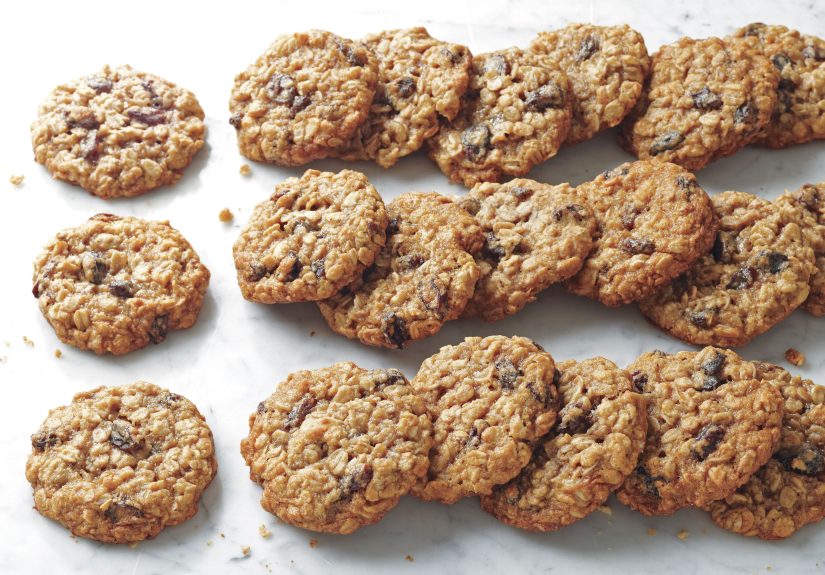
Oatmeal-raisin cookies are the underdogs of the cookie jar. They sit there quietly, wearing their sensible sweater of oats, while the chocolate chip cookies strut around like they own the place. But here’s the twist: a really great oatmeal-raisin cookie is a texture-and-flavor masterpiececrisp edges, a chewy middle, warm spice, buttery caramel notes, and raisins that taste like tiny jammy fireworks (yes, raisins can do fireworks; they’ve been underestimated their whole lives).
This guide breaks down what makes oatmeal-raisin cookies actually worth craving, how to control chew vs. crisp, and how to avoid the classic disappointments (dry, bland, “why is this so… beige?”). You’ll get a foolproof recipe framework, smart technique tweaks, and flavor variations that can win over even the most suspicious raisin skeptics.
What Makes an Oatmeal-Raisin Cookie Great (Not Just “Fine”)
The best oatmeal-raisin cookies don’t rely on sugar alone. They build flavor in layers: toasted graininess from oats, deep sweetness from brown sugar, a little vanilla, a pinch of salt, and spice that hits your nose before the bite even lands. Then the texture shows up like a well-timed punchline: soft and chewy center, edges that snap just a little, and raisins that are plump (not sad, shriveled, or stuck in your teeth like tiny flavor booby traps).
The three texture goals
- Chewy center: enough moisture + the right oat choice + not overbaking.
- Crisp edges: good fat distribution + proper bake time + cooling on the sheet.
- Balanced bite: oats and raisins evenly dispersed so every cookie tastes intentional.
The Ingredient Blueprint (And Why Each One Matters)
Oats: rolled vs. quickchoose your vibe
Old-fashioned rolled oats are the classic choice for a hearty, chewy texture and distinct oat structure. They keep cookies from turning cakey and help you get that signature “oatmeal cookie” bite. Quick oats absorb liquid faster and can push cookies toward softer, drier, more uniform texture. That’s not always badbut if you want bakery-style chew with visible oats, rolled oats usually win.
Raisins: not optionaljust misunderstood
Raisins bring concentrated sweetness and fruity depth. The key is moisture. If raisins are dry, your cookie will taste dry. If raisins are plump, your cookie tastes like it has tiny pockets of caramel-fruit softness baked inside. Dark raisins are classic; golden raisins are lighter and a bit more honey-like. Mix them if you want extra dimension.
Brown sugar: the “chewy” switch
Brown sugar pulls a lot of weight: moisture, chew, and that caramel/molasses warmth that makes oatmeal-raisin cookies taste nostalgic even if you’ve never owned a lunchbox. A higher ratio of brown sugar generally means a softer, chewier cookie.
Butter (and friends): flavor and spread control
Butter is the main character for flavor. If you brown the butter, you add nutty, toasted notes that pair ridiculously well with oats and raisins. Want a slightly thicker cookie? Some bakers mix in a little shortening for structure and softness, but you can make excellent cookies with butter alone.
Flour, leavening, salt: the quiet architects
Flour gives structure. Baking soda encourages spread and browning; baking powder adds lift. Salt makes everything taste more like itself (yes, even sweetness). If your cookies taste “flat,” it’s often a salt issue, not a sugar issue.
Spices and vanilla: warmth without chaos
Cinnamon is the standard. Nutmeg is the secret handshake. A little clove or allspice can be nicejust don’t turn your cookie into a candle. Vanilla ties everything together.
Technique That Changes Everything (Chewy, Crisp, or Both)
1) Plump your raisins
If your raisins feel like they could chip a tooth, soak them for 10 minutes in warm water, then drain and pat dry. You can also soak them in warm apple juice, tea, or even a splash of bourbon if you want a grown-up cookie energy (still family-friendly if you cook off the alcohol, but always be mindful of preferences).
2) Toast the oats (optional, but wildly rewarding)
Toasting oats for a few minutes deepens their flavor and gives your cookies a more complex, nutty base. Think “oat granola vibes,” but in cookie form. Cool the oats before mixing so you don’t melt your dough into a puddle.
3) Bloom your spices in warm fat
If you’re browning butter, stir in cinnamon (and nutmeg) while the butter is still warm. Warm fat wakes spices uplike turning on the lights in a room you thought was already bright.
4) Rest or chill the dough
Even 60 minutes makes a difference. Resting gives oats time to hydrate and lets flavors settle. Chilling also helps control spread and can improve chew. If you’re impatient (no judgment), you can bake right awaybut the “best version” usually likes a short nap in the fridge.
5) Don’t overbake (the #1 oatmeal cookie heartbreak)
Oatmeal-raisin cookies should come out when the edges look set and lightly golden, while the centers still look a bit soft. They finish baking on the hot sheet. If you bake until the center looks “done” in the oven, you often end up with a dry cookie that tastes like it’s filing taxes.
6) Cool on the sheet first, then move
Give cookies 5 minutes on the baking sheet so they set properlyespecially if you like crisp edges. Then move to a rack so they don’t steam-soften on the pan forever.
A Foolproof Oatmeal-Raisin Cookie Recipe (Chewy Centers, Crisp Edges)
This is a classic, well-balanced formula you can customize. It’s designed for flavor (brown sugar + spice), texture (rolled oats + proper bake), and consistency (no weird steps, no mystery ingredients).
Ingredients (makes about 24 medium cookies)
- 1 cup (226g) unsalted butter (brown it if you want extra flavor), cooled to warm
- 1 cup (200g) packed brown sugar (light or dark)
- 1/2 cup (100g) granulated sugar
- 2 large eggs
- 2 tsp vanilla extract
- 1 1/2 cups (190g) all-purpose flour
- 1 tsp baking soda
- 1/2 tsp fine salt
- 1 1/2 tsp ground cinnamon
- 1/4 tsp nutmeg (optional, but recommended)
- 3 cups (270g) old-fashioned rolled oats
- 1 cup (150g) raisins (plumped if dry)
- Optional: 3/4 cup chopped toasted pecans or walnuts
Steps
- Prep: Heat oven to 350°F. Line baking sheets with parchment. If soaking raisins, do that now, then drain and pat dry.
- Butter (optional upgrade): Brown the butter in a saucepan until nutty and amber. Cool until warm, not hot. If using warm butter, this may soften doughchilling later helps.
- Mix wet: In a large bowl, whisk butter, brown sugar, and granulated sugar until glossy. Whisk in eggs and vanilla.
- Mix dry: In a separate bowl, whisk flour, baking soda, salt, cinnamon, and nutmeg.
- Combine: Stir dry ingredients into wet just until no flour streaks remain. Fold in oats, raisins, and any nuts.
- Rest: Cover and rest 30–60 minutes (room temp) or chill 1 hour for thicker cookies and deeper flavor.
- Scoop: Portion dough into 2-tablespoon mounds (about 35–40g each). Space 2–3 inches apart.
- Bake: 10–12 minutes, until edges are golden and centers look slightly underdone.
- Cool: Cool 5 minutes on the sheet, then transfer to a rack.
Troubleshooting: Fix the Usual Cookie Crimes
“My cookies are dry.”
- Pull them earliercarryover baking is real.
- Use rolled oats (and consider resting dough so oats hydrate).
- Plump your raisins and don’t skimp on brown sugar.
- Measure flour correctly (spoon and level, or use a scale).
“They spread too much.”
- Chill the dough 60 minutes.
- Make sure your butter isn’t hot when mixing.
- Use parchment and cool your baking sheet between batches.
“They’re puffy and cakey.”
- Don’t overdo flour or baking powder.
- Try sticking with rolled oats instead of quick oats.
- Mix only until combinedovermixing can change texture.
Flavor Variations That Still Taste Like “Oatmeal-Raisin”
Classic-plus
- Toasted nuts: pecans or walnuts for crunch next to soft raisins.
- Maple hint: replace 1–2 tbsp sugar with maple syrup for warm sweetness (reduce butter slightly if needed).
- Orange zest: brightens raisins like a spotlight in a jazz club.
For the raisin skeptics (peace treaty options)
- Half raisins, half chocolate chips (the “truce cookie” strategy).
- Swap raisins for dried cherries or cranberries for tang.
- Add shredded coconut for chew and aroma.
Diet-friendly without tasting like punishment
- Gluten-free: use certified GF oats + a 1-to-1 GF flour blend.
- Dairy-free: use plant-based butter; chill dough to manage spread.
- Egg-free: use a flax egg (1 tbsp ground flax + 3 tbsp water per egg), expect slightly softer cookies.
Storage, Freezing, and “Future You” Plans
Store baked cookies in an airtight container at room temperature for a few days. If you want them softer, add a slice of bread in the container (it helps maintain moisture). For make-ahead happiness, scoop dough into balls and freeze on a tray, then store in a freezer bag. Bake from frozen by adding 1–2 minutessuddenly you’re the type of person who “just has fresh cookies,” which is an elite lifestyle.
Conclusion: The Cookie You Thought You Didn’t Like
Oatmeal-raisin cookies aren’t boringthey’re just often baked badly. When you treat oats like an ingredient (not filler), plump your raisins, build warm spice flavor, and bake with a lighter touch, you get a cookie that’s chewy, fragrant, buttery, and genuinely exciting. It’s the kind of classic that doesn’t need to shout to be memorablethough it may cause a few “Wait… can I have another?” moments.
Kitchen Field Notes: of Real-World Oatmeal-Raisin Cookie Moments
Let’s talk about the stuff that happens in real kitchensthe little moments that turn oatmeal-raisin cookies from “I followed a recipe” into “I understand the cookie.” These are common experiences bakers run into, and each one comes with a quick lesson (and a little comedy, because flour clouds deserve a laugh track).
1) The “Why are my raisins so angry?” moment
You bite into a cookie and the raisin is… tough. Not chewy. Tough. Like it’s been training for a granola-bar decathlon. The fix is simple: soak your raisins briefly, then pat them dry. The cookie suddenly tastes more luxurious, because the raisins melt into the bite instead of arguing with your molars.
2) The “I blinked and now they’re overbaked” moment
Oatmeal cookies go from “perfect” to “dry” faster than your phone battery at an airport. Pull them when the edges are golden and the centers still look a little soft. They’ll finish setting on the hot pan. If you wait for a fully firm center in the oven, you’ll get a cookie that crunches like it’s trying to become cereal.
3) The “my dough feels weirdly loose” moment
This often happens if your butter was too warm (especially after browning) or if you measured flour lightly. Don’t panic. Cover the bowl and chill for an hour. The dough firms up, the oats hydrate, and suddenly your cookie scoops don’t look like pudding trying to escape.
4) The “quick oats vs. rolled oats” experiment
Many bakers try quick oats expecting the same cookie and are surprised: the texture can become more uniform and sometimes a bit cakey or dry if the recipe wasn’t designed for it. Rolled oats keep that hearty chew and visible oat structure. If you only have quick oats, you can still bakejust consider resting the dough longer and watching bake time carefully.
5) The “toasting oats feels extra… until it doesn’t” moment
Toasting oats can feel like an unnecessary step right up until you taste the difference. The cookie becomes nuttier and more aromatic, like someone turned the flavor contrast up a notch. It’s one of those “small effort, big payoff” moves that makes your cookies taste like you planned them.
6) The spice discovery
Cinnamon is familiar, but adding a pinch of nutmeg (and maybe a whisper of clove) makes the cookie smell like a holiday without being seasonal-only. Even better: stir spices into warm butter so they bloom. The flavor becomes more evenly distributedno random “spice pocket” that tastes like you accidentally baked a potpourri sachet.
7) The “salt is the secret” realization
If your cookies taste sweet but not exciting, add a little more salt next time (in small increments). Salt doesn’t make cookies saltyit makes oats taste toastier, butter taste richer, and raisins taste fruitier. It’s basically the sound engineer of flavor.
8) The size-and-time connection
Smaller scoops bake quickly and can get crisp all the way through if you’re not careful. Larger scoops give you a gooey center window, but need a slightly longer bake and proper spacing. Consistent scoop size is the hidden cheat code for even baking.
9) The freezer flex
Freezing dough balls is one of the most practical cookie habits you can build. It turns baking into a “fresh cookie on demand” situation. Also, it makes you look like the kind of person who’s effortlessly prepared for surprise guestswhich is hilarious because you’re really just hoarding cookie dough like a responsible snack dragon.
10) The great raisin peace treaty
In mixed company, a half-and-half batch (raisins + chocolate chips) is often the most diplomatic dessert on the table. Raisin lovers feel seen. Chocolate loyalists stop acting like they’ve been tricked. And you get to enjoy a cookie with both caramel-fruit chew and chocolate richness, which is objectively a win for civilization.