Table of Contents >> Show >> Hide
- What Is a Numerar Countertop, Exactly?
- Solid Wood vs. Thick Veneer: What You’re Really Buying
- Choosing the Right Numerar Countertop for Your Space
- Installation Basics: Heavy Wood, Light Regret
- Finishing and Sealing: The Great Oil vs. Film Debate
- Sinks and the Splash Zone: Where Wood Countertops Get Real
- Cleaning and Maintenance: Stay Chill, Stay Consistent
- Is the Numerar Countertop Discontinued?
- Real-World Numerar Countertop Experiences (About )
- Conclusion: Should You Get a Numerar Countertop (or Its Modern Equivalent)?
If kitchen countertops had a high school yearbook, the Numerar countertop would absolutely win
“Most Likely to End Up in Everyone’s Renovation Photos.” It’s the wood worktop people bought because it was
warm, affordable, and felt way fancier than its price tag had any right to be. And thenlike so many IKEA
legendsNumerar became harder to find, sparking the kind of internet scavenger hunts usually reserved for
concert tickets and limited-edition sneakers.
This guide breaks down what a Numerar countertop is (and what it isn’t), how to install and finish it without
turning your kitchen into a woodworking-themed soap opera, and how to keep it looking greatespecially if you
plan to put it near the sink, aka “the splash zone.”
What Is a Numerar Countertop, Exactly?
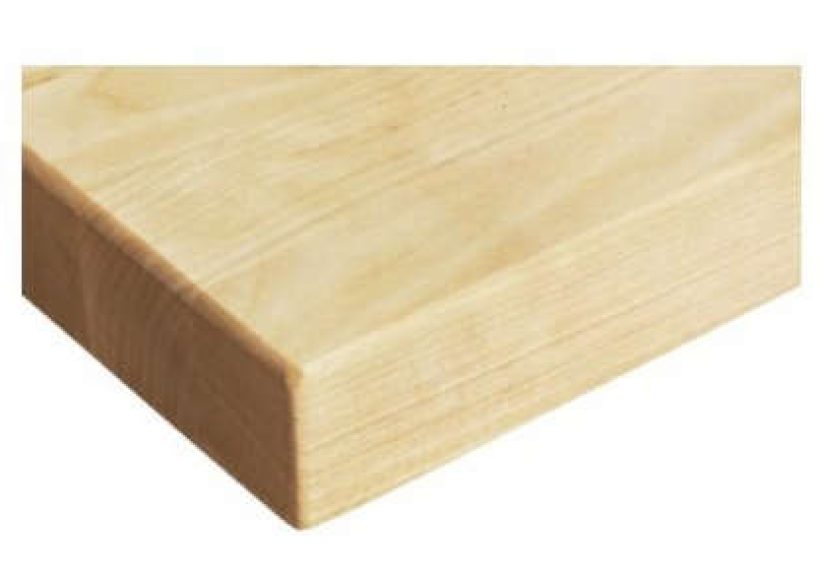
“Numerar” refers to an IKEA line of wood countertops (often discussed as IKEA Numerar butcher block
countertops) that became a go-to for DIY kitchen upgrades. The appeal was simple: real wood vibes,
DIY-friendly sizing, and the ability to refinish when life (or a dropped cast-iron pan) happened.
Over time, IKEA’s wood countertop offerings evolved. Many shoppers talk about “old” Numerar as solid wood
butcher block, while newer IKEA wood worktops are commonly built as thick veneer over a stable core.
If you’re shopping secondhand for Numeraror trying to match an older installunderstanding this construction
difference is everything.
Solid Wood vs. Thick Veneer: What You’re Really Buying
Here’s the countertop truth: wood countertops aren’t one single species of product. Two tops can look identical
online and behave totally differently in a real kitchen.
1) Solid wood butcher block (the “classic Numerar” mythos)
Many long-time DIYers describe earlier Numerar installs as solid wood through-and-throughmeaning if you cut it,
route it, or sand it down, you’re still in real wood. That’s why people loved it: you could refinish it multiple
times, erase stains with sanding, and generally feel powerful.
2) Thick veneer construction (common in newer IKEA wood countertops)
A lot of current IKEA wood countertops use a layered build: a thick real-wood veneer on top, backed by a core
designed for stability. In IKEA product descriptions, you’ll see language about a particleboard core with a wood
top layer, plus notes about improved stability and resistance to humidity-related movement. This matters because
veneer can be sanded and maintainedbut not infinitely. Think “refinishable,” not “immortal.”
Why IKEA (and many brands) like thick veneer
- Stability: layered construction can reduce bending/splitting compared to some solid tops.
- Resource efficiency: you get a real wood surface using less solid lumber overall.
- Consistency: fewer surprises during install (wood can be delightfully unpredictable).
Practical takeaway: if you found a “Numerar countertop” online, verify whether it’s solid wood or thick veneer.
That single fact influences your finishing options, long-term maintenance, and how aggressive you can be with
sanding later.
Choosing the Right Numerar Countertop for Your Space
Whether you’re tracking down Numerar secondhand or choosing a modern equivalent, treat this like adopting a pet:
don’t just pick the cutest onepick the one that fits your lifestyle and you won’t resent during cleanup.
Dimensions and layout: start with the math (then double-check the math)
IKEA’s pre-cut wood countertops commonly come in lengths around the mid-70-inch range with a depth around 25–26
inches, which works nicely for standard base cabinets. Thickness varies by line. If you’re doing an island
overhang, don’t “wing it.” Overhangs may require supporting legs or brackets, and spacing rules matter so your
countertop doesn’t slowly become a very expensive diving board.
Color and grain: wood is never a copy-paste material
Wood has natural variationgrain shifts, knots, and color changes over time. That’s part of the charm and also
part of why you should avoid planning your kitchen around “this exact shade from that one photo.” If you stain,
test on an offcut or the underside first. Your future self will thank you.
Installation Basics: Heavy Wood, Light Regret
Installing a Numerar countertop is very doable, but it helps to approach it like a careful adult and not like a
reality TV contestant in a timed challenge.
Let it acclimate
Give the countertop time to adjust to your home’s temperature and humidity before you cut or install it. Wood
moves. It doesn’t move a lotbut it moves enough to make you question your life choices if you ignore it.
Plan your cuts like you’re defusing a bomb (calmly)
Measure, mark, re-measure, and then make your cut. If you’re cutting openings for a cooktop or sink, use a
template and take your time. Precision matters even more with wood than with some other materials because
wood cut edges need protection.
Seams and joins: don’t pretend they don’t exist
If your layout needs multiple pieces, you’ll likely have seams. A good seam plan includes tight joins,
appropriate adhesive/fastening methods, and a realistic expectation that wood is not a single slab of quartz.
A thoughtful seam is better than a “hope and vibes” seam.
Finishing and Sealing: The Great Oil vs. Film Debate
If there’s one universal butcher block lesson, it’s this: a wood countertop is not “done” when it’s installed.
It’s done when it’s properly finished. And the finish you choose should match how you actually live.
(If you’re the type who leaves a wet sponge on the counter overnight, we need to talk.)
Option A: Penetrating oils (mineral oil, tung oil, and friends)
Penetrating oils soak into the wood and keep it conditioned. They’re popular because they’re easy to apply and
refreshwipe on, wait, wipe off. Mineral oil is widely used for butcher block care and is a common “go-to”
for sealing. The tradeoff is durability: you’ll be reapplying periodically, especially in high-use areas.
Tung oil (and some specialized penetrating oil finishes) can offer stronger protection than basic mineral oil
while still keeping a natural feel. Just be sure you’re choosing products appropriate for countertop use and
following cure times like they’re the rules of a board game you actually want to win.
Option B: Hardwax oil finishes
Hardwax oil sits in a sweet spot: it penetrates, but also leaves a more protective surface than straight oil.
Many modern IKEA thick-veneer tops are described as being pre-treated with a hard wax oil, which helps with
installation and early maintenance. Still, “pre-treated” doesn’t mean “invincible.” It means you got a head start.
Option C: Film finishes (polyurethane, varnish, Waterlox-style systems)
Film finishes create a protective layer on top of the wood. This can be a big win near sinks or coffee stations
where water and stains are frequent flyers. Polyurethane, for example, can offer longer-lasting protection once
fully cured. The tradeoff is repair style: scratches and wear may require sanding and refinishing sections (or
the whole top) rather than quick spot-oiling.
Many DIYers love Waterlox-style approaches for wood countertops because they can deliver strong water resistance
and a classic look. The downside? It’s a commitment. You’ll be thinking about cure times, coats, ventilation,
and whether you should have started a simpler hobbylike knitting. (Kidding. Mostly.)
Pro finishing tips (the ones people learn after the “oops”)
- Sand before sealing if the surface needs it or you’re changing finishesprep is everything.
- Protect end grain (especially around sink cutouts). End grain drinks water like it’s at happy hour.
- Test stain colors first. Wood can surprise you, and not always in a fun way.
- Respect cure times. “Dry to the touch” is not the same as “ready for spaghetti night.”
Sinks and the Splash Zone: Where Wood Countertops Get Real
A wood countertop near a sink is absolutely possible, but it requires extra care. Water is not wood’s mortal enemy
neglect is. Water just happens to be neglect’s favorite sidekick.
Undermount sink with a Numerar countertop: can you do it?
Yesmany homeowners do. The key is protecting the cutout and seam. Pros who build wood countertops often recommend
details like a gentle radius on the sink opening (sharp corners can concentrate stress), thoughtful sink setback,
and designing the wood overhang so water naturally falls into the sink rather than pooling on a ledge.
You’ll also want to use silicone strategically and choose a finish that can handle frequent moisture. The area
around the faucet, soap dispenser, and sponge zone is where wood countertops either thrive…or slowly develop
the personality of a neglected boat dock.
Drop-in (top-mount) sinks: the lower-stress option
Drop-in sinks can be more forgiving because the rim covers the cut edge. If you’re nervous about water exposure,
or your kitchen tends to become a splash festival, a top-mount sink can reduce risk. You still need to seal the
wood, but you’ll have a bit more margin for error.
Cleaning and Maintenance: Stay Chill, Stay Consistent
The best Numerar countertop care routine is the one you’ll actually do. Aim for simple, repeatable habitslike
a low-effort skincare routine, but for your kitchen.
Daily cleaning
- Wipe with a soft cloth and mild dish soap and water.
- Dry the surfaceespecially near seams and sink edges.
- Avoid harsh abrasives that can scratch or dull your finish.
Occasional sanitizing (without going full mad scientist)
For butcher block, many homeowners use a diluted vinegar-and-water spray for disinfecting, then wipe clean.
Don’t let acidic cleaners sit and “marinate” on the woodthis is cleaning, not pickling.
Oiling and refreshing
If you’re using a penetrating oil system, plan on reapplying periodicallyoften every month or two at first,
then adjusting based on how the wood looks and feels. Dull, dry, or thirsty-looking wood is asking for a refresh.
If you’re using a film finish, your routine may be more about gentle cleaning and occasionally buffing or
renewing high-wear areas.
Scratches, stains, and small disasters
One reason people love a butcher block countertop is that many imperfections are repairable.
Minor scratches can often be sanded lightly and re-oiled. For stains, some people use gentle methods like lemon
and salt for spot treatment, then recondition afterward. The main rule: fix the problem, then restore the finish.
Don’t “dry scrub and pray.”
Is the Numerar Countertop Discontinued?
In many places, yesNumerar has been described by DIYers as discontinued or hard to find, which is why it pops up
so often in secondhand listings and “what’s the replacement?” forum threads. If you can’t find Numerar new, you
can still get the same general look and function with IKEA’s current wood countertop families (often thick veneer)
or other butcher block options.
Modern IKEA alternatives that scratch the same itch
If what you loved about Numerar was “warm wood, practical sizing, DIY-friendly,” then today’s IKEA wood tops like
KARLBY/VRENA/PINNARP-style offerings (names vary by region and lineup changes over time) are the closest cousins.
They’re commonly described as thick veneer surfaces that can be sanded and maintained, often with a pre-treated
finish to simplify installation.
Real-World Numerar Countertop Experiences (About )
Let’s talk about what it’s actually like to live with a Numerar countertopor a close equivalentbecause the
internet doesn’t run on specs. It runs on stories. Usually posted at 11:48 p.m. with a caption like,
“Is this water stain forever?”
Experience #1: The “This Wood Is So Warm and Cozy” Honeymoon
The first week is magical. Your kitchen looks like a catalog. You start taking photos of your coffee mug like
you’re a lifestyle influencer. You run your hand over the grain and whisper, “We’re going to have a great life
together.” Then someone sets down a wet glass and you discover the emotional range of wood includes “dramatic.”
The good news: with the right finish and a calm response (wipe, dry, maintain), most early scares are manageable.
Experience #2: The Sink Zone Becomes a Personality Test
Put a wood countertop near a sink and you’ll learn who you are. Are you the person who wipes up splashes as they
happen? Greatwood will reward you. Are you the person who leaves a damp sponge on the counter while you
“just answer one email” (and then it’s tomorrow)? Wood will also reward you, but in the form of blotchy spots and
a sudden interest in sanding. Homeowners who succeed long-term tend to seal cut edges carefully, use silicone in
smart places, and keep water from camping out around fixtures.
Experience #3: Maintenance Is RealBut Not a Full-Time Job
People often describe two different “happy paths.” One path is the oil-and-refresh routine: quick wipe-downs,
occasional re-oiling, and accepting a slightly lived-in patina. The other path is the protective film finish:
more effort up front, less frequent reapplications, but repairs can be a little more involved if damage breaks
through the surface. Either way, owners who stay happiest tend to keep a few habits: wiping water quickly, using
cutting boards, and treating hot pans like they’re carrying tiny countertop-destroying gremlins.
Experience #4: The Joy of Repairability
This is the part that converts people into wood-countertop evangelists. With stone, a chip can feel catastrophic.
With wood, many issues are fixable: light sanding, a little oil, and suddenly your countertop looks like it went
to a spa. Scratches become stories. Dings become “character.” And if you ever get tired of the color? Many DIYers
love that wood can be refinished or re-toned far more easily than most countertop materials.
Experience #5: The One Thing Everyone Wishes They’d Done
Nearly every long-term owner eventually says some version of: “I wish I had taken finishing more seriously at
the start.” Not because it’s complicated, but because it sets the tone for everything that follows. The right
sealer choice, careful treatment of sink cutouts, and respecting cure times can turn Numerar from “pretty but
stressful” into “pretty and practical.”
Conclusion: Should You Get a Numerar Countertop (or Its Modern Equivalent)?
A Numerar countertop is for people who want warmth, character, and the satisfying feeling that
their kitchen has a heartbeat. It’s not for people who want “install it and never think about it again.” Wood
asks for a little attentionmostly in the form of smart finishing choices and basic cleanup habits.
If you can find true Numerar secondhand and it’s solid wood, you may get a highly refinishable classic.
If you’re buying a newer IKEA thick-veneer wood countertop, you’ll likely get a stable, resource-efficient top
that still looks and feels like real woodjust with a more limited sanding/refinishing margin. Either way,
choose your finish based on your real life, not your fantasy life, and you’ll have a countertop that ages with
you in the best way: gracefully, and with a few good stories.