Table of Contents >> Show >> Hide
- Why These DIY Light Up Skulls Are So Popular
- What Makes the Dollar Tree Version So Smart
- How to Make DIY Dollar Tree Light Up Skulls
- Best Ways to Use Light Up Skulls at Home
- Design Tips That Make the Project Look More Expensive
- Mistakes to Avoid
- Are New Dollar Tree DIY Light Up Skulls Actually Worth Making?
- Experience: What It Feels Like to Actually Make and Live With DIY Light Up Skulls
If Halloween decorating had a favorite hobby, it would absolutely be turning cheap little oddities into dramatic, glowing masterpieces. And that is exactly why the new wave of Dollar Tree DIY light up skulls is having such a moment. These projects hit the sweet spot between spooky and affordable, which is a magical place where your wallet does not scream louder than your decorations.
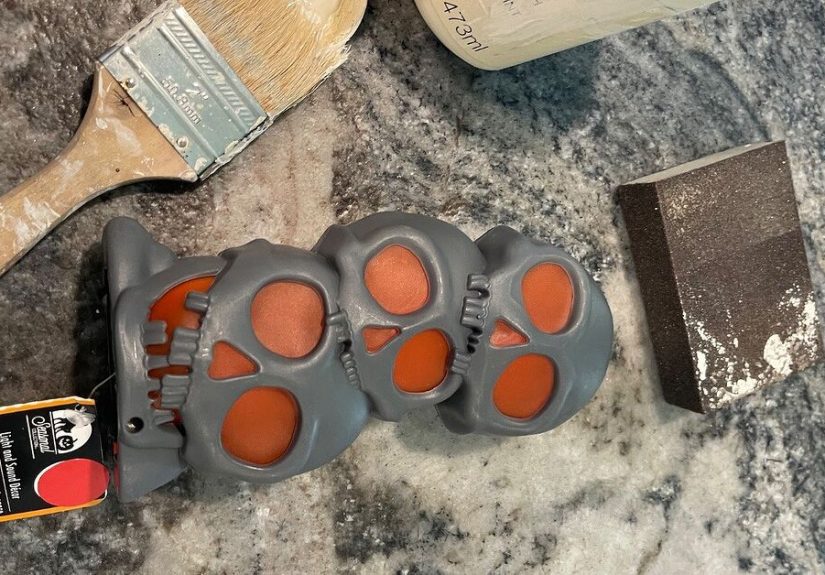
The appeal is obvious. Dollar Tree-style Halloween crafting lets you start with simple skulls, mini skull accents, budget lights, faux florals, ribbon, and a few craft basics, then build something that looks far more expensive than it really is. One minute you are holding a plain plastic skull that looks like it just woke up from a nap in a cardboard box. Ten minutes later, it is glowing on your mantel like it owns a haunted estate.
That transformation is the whole charm. Light up skull DIYs feel dramatic without being difficult. They can lean gothic, playful, glam, creepy-cute, or full-on “my front porch now answers to the underworld.” They also work in almost every corner of the house: entry tables, bookshelves, tiered trays, porch steps, dining centerpieces, party bars, wreaths, topiaries, and even moody bedroom shelves if your decorating style lives somewhere between cozy and mildly cursed.
Better yet, this trend fits the bigger Halloween decor movement perfectly. Home decor publishers have been pushing skull wreaths, skull centerpieces, skeleton topiaries, dark florals, paper lantern lights, and elevated Halloween styling for several seasons now. In other words, the light up skull is not just a random craft. It is part of a larger decorating shift toward budget-friendly statement pieces that feel personalized instead of pulled straight from a giant plastic bin of sadness.
Why These DIY Light Up Skulls Are So Popular
First, they are easy to customize. A plain skull can go in a dozen directions depending on your paint, lighting, and styling choices. Matte black gives it a sleek haunted-house look. Aged stone gray makes it feel like it came from a very suspicious museum basement. Metallic gold or silver pushes it into glam Halloween territory, which is perfect for people who want “spooky” with a side of champagne energy.
Second, lighting changes everything. A skull on its own is just decor. A skull with a soft warm glow inside becomes an instant focal point. The light adds depth to eye sockets, cheekbones, and teeth, creating that eerie dimension that makes guests stop mid-conversation and say, “Okay, wait, where did you get that?” That is the universal sign of a successful DIY.
Third, the project feels high-impact without requiring advanced crafting skills. You do not need a workshop, a complicated pattern, or the patience of a Renaissance sculptor. In many cases, all you really need is a skull, battery-operated lights, glue, paint, and a little nerve. The result looks layered and intentional, even if you built it while reheating pizza rolls.
And finally, this idea works because Halloween decor is one of the few places where being a little extra is not only accepted, it is encouraged. A glowing skull is not trying to be subtle. It is trying to steal the scene. That confidence is inspiring.
What Makes the Dollar Tree Version So Smart
Budget Halloween crafting is not new, but Dollar Tree makes it especially useful because the store often carries a mix of skulls, mini skulls, seasonal craft supplies, decorative accents, and lighting-friendly add-ons that can be combined into bigger projects. That means you are not buying one expensive finished piece. You are building a custom look from smaller, low-cost parts.
This matters because DIY gives you control. Maybe store-bought skull decor is too cheesy. Maybe it is too flashy. Maybe it costs enough to make your soul leave your body. A DIY version lets you adjust scale, color, texture, and glow level to suit your space. You can make one moody tabletop skull for a reading nook, or create an entire glowing skull vignette that looks like your dining room is about to host a séance with excellent snacks.
Dollar Tree-inspired projects also reward creative layering. Add black moss, cheesecloth, faux roses, miniature ravens, potion bottles, velvet ribbon, or tiny bats, and suddenly the skull is not a single object. It is a scene. That is where budget decor starts looking editorial instead of accidental.
How to Make DIY Dollar Tree Light Up Skulls
Basic Supplies
- Plastic decorative skulls or mini skulls
- Battery-operated LED fairy lights or micro string lights
- Hot glue gun and glue sticks
- Craft paint or spray paint
- Black, gray, cream, gold, or metallic paint for detailing
- Small floral stems, ribbon, moss, lace, or cheesecloth
- Craft knife or scissors if openings need adjusting
- Optional: glitter, rub-on wax, faux gems, tiny spiders, or florals
Step 1: Pick the Mood Before You Pick the Paint
Do you want haunted mansion? Witchy cottage? Gothic romance? Playful party decor? Decide that first. A lot of DIY projects go wrong because people start gluing things together before they know whether they are making “elegant graveyard chic” or “monster prom afterparty.” Both are valid. They are just not the same vibe.
Step 2: Prep the Skull
Wipe the skull clean and check the openings. If the skull already has visible eye sockets or gaps, great. That makes lighting easier. If not, you may need to carefully enlarge an opening in the back or base so the battery pack and lights can fit. Keep the access point hidden if possible so the finished piece looks polished from the front.
Step 3: Paint for Depth
Even if the skull starts out white, a quick paint treatment makes a huge difference. Try dry-brushing gray into the creases, adding black around the eye sockets, or brushing metallic color over raised details. The goal is not perfection. The goal is dimension. Flat plastic looks cheap. Shaded texture looks intentional.
Step 4: Add the Lights
Tuck battery-operated LED lights inside the skull and arrange them so the glow spreads evenly. Warm white gives a candlelit effect. Cool white feels more ghostly. Colored LEDs can be fun for parties, but use them carefully. Too much purple and green can make your skull look less “haunting statement piece” and more “discount alien dentist.”
Step 5: Hide the Hardware
Conceal the battery pack with moss, black fabric, florals, or by placing the skull on a decorative tray. This one step separates a crafty project from one that genuinely looks shelf-ready. Nobody wants the first thing guests notice to be two AA batteries lounging in plain sight.
Step 6: Style the Outside
This is where the fun begins. Wrap the base in lace. Add black roses for gothic drama. Use orange florals for a classic Halloween palette. Add tiny ravens, faux spiders, or curling vines if you want the skull to feel like it emerged from an enchanted garden that took a very dark turn.
Step 7: Test the Glow in Low Light
DIY skulls nearly always look different at night than they do under bright kitchen lighting. Test yours in the room where it will live. You may want to rearrange the lights, add more shading, or tone down the embellishments once the glow is on. Halloween decor is part design, part theater.
Best Ways to Use Light Up Skulls at Home
1. Entryway Statement Piece
Place a glowing skull on a console table with a mirror behind it, then surround it with taper candles, books, and dried branches. Instant mood. It says, “Welcome in,” but also, “Maybe do not touch anything that looks cursed.”
2. Front Porch Decor
Light up skulls work beautifully on porch steps, especially when paired with pumpkins, lanterns, black planters, or posed skeletons. This creates depth and gives your outdoor Halloween setup a layered look instead of a random pile of seasonal panic.
3. Wreaths and Door Swags
Skulls and florals are a surprisingly stylish combination. Add one or two lit skull accents to a wreath or dramatic door swag for a look that feels bold but still curated. It is spooky with manners.
4. Table Centerpieces
For parties, use a light up skull as the anchor of a tablescape. Surround it with dark florals, mini pumpkins, potion bottles, or candlesticks. It works especially well if the rest of the table is simple, because the skull becomes the star instead of fighting with everything else for attention.
5. Bookshelf or Mantel Styling
If you prefer subtle Halloween decor, a smaller glowing skull tucked among books, framed art, and neutral fall pieces can look incredibly chic. This is how you decorate for Halloween when you want guests to say, “Oh wow, that is clever,” instead of “So… when did your house join a cult?”
Design Tips That Make the Project Look More Expensive
Stick to one palette. Black and cream, silver and gray, moody jewel tones, or dusty pink with black all work well. Too many colors make the project feel cluttered.
Mix textures. Plastic on its own can look flat. Add velvet ribbon, dried moss, matte paint, metallic wax, feathers, lace, or florals to create contrast.
Use odd numbers. A display of one, three, or five skulls usually looks more natural and styled than an even-number grouping.
Give the skull a story. A little styling goes a long way. Maybe it is part of a dark floral arrangement. Maybe it is guarding a candy bowl. Maybe it is perched on vintage books like it has opinions about Edgar Allan Poe. Decor feels richer when it suggests a scene.
Do not over-glitter the poor thing. Unless your goal is disco crypt, restraint is your friend.
Mistakes to Avoid
The biggest mistake is using harsh lighting. Bright, exposed LEDs can make the skull look cheap and plasticky. Diffused light usually works better. Tuck the lights deeper inside, or use fewer bulbs than you think you need.
The second mistake is skipping paint. Even a quick wash of gray or black makes a basic skull look more realistic and more finished. Unpainted plastic can work in playful decor, but for a dramatic light-up effect, depth matters.
Third, do not overload the design with every spooky object in a ten-foot radius. A skull, moss, ribbon, lights, spiders, florals, bats, glitter, chains, feathers, and twelve miniature tombstones might sound exciting in theory, but in practice it can look like Halloween lost a bar fight.
Finally, remember safety. Battery-operated lights are the smarter option for this kind of project, especially around fabric, paper, florals, and other decorative materials. Keep anything electrical in good condition, avoid damaged wires, and do not place open flames near lightweight or flammable embellishments.
Are New Dollar Tree DIY Light Up Skulls Actually Worth Making?
Absolutely. They are one of those rare seasonal projects that check all the boxes: affordable, easy to personalize, visually dramatic, and surprisingly versatile. They also photograph well, which matters if you enjoy sharing your decor online or just want proof that your house looked cooler than usual for one glorious month.
But the real reason they are worth making is simpler than that. Halloween decor should be fun. It should invite a little imagination into the room. It should let adults behave like art-school goblins for an afternoon and call it “seasonal styling.” A DIY light up skull does exactly that.
You start with a plain object that costs very little, and with a few tweaks, it becomes memorable. That is satisfying in a way store-bought decor often is not. The finished piece reflects your taste, your humor, your patience level, and maybe your ability to hot-glue without bonding yourself to the dining table.
In other words, this trend is not just about decorating. It is about creating atmosphere on a budget and having a ridiculous amount of fun while doing it.
Experience: What It Feels Like to Actually Make and Live With DIY Light Up Skulls
There is something unexpectedly enjoyable about making a Dollar Tree light up skull from scratch. At first, the supplies do not look like much. You have a plastic skull, a wad of fairy lights, a glue gun that may or may not be plotting against your fingertips, and a few decorative extras spread across the table like a tiny Halloween yard sale. It does not scream “masterpiece.” It whispers, “Well, let’s see what happens.”
Then the project starts to come together. The moment you add paint, the skull begins to lose that toy-like look. It develops shadows, character, and the kind of attitude that suggests it knows all your secrets. Once the lights go inside, everything changes. Suddenly the eye sockets glow. The cheekbones catch the light. The face looks deeper, moodier, and way more dramatic than any budget craft has a right to look.
That reveal is the best part. It feels a little like turning on café lights in a backyard and realizing the whole space became charming in two seconds. Only here, instead of charming, it becomes gloriously creepy. You get that deeply satisfying DIY moment where you think, “Hold on. I made this? With discount supplies and questionable confidence?”
Living with the finished skull is fun in a different way. During the daytime, it works like a styled decorative object. It can sit on a stack of books, on a tray beside pumpkins, or in the middle of a dining table and still look intentional. But at night, it completely changes personality. When the room gets darker and the lights switch on, the skull becomes theatrical. Not in a cheap jump-scare way, but in a moody, cinematic way that gives the whole room more atmosphere.
It also becomes a conversation magnet. People notice it immediately. Some laugh. Some lean in closer. Some ask where you bought it, and that is a very satisfying question because the answer is not a fancy boutique or a trendy specialty shop. The answer is that you made it yourself from simple seasonal finds and a little creative chaos.
Another part of the experience is how easy it is to keep tweaking the design. Maybe after a few days you decide it needs black roses. Maybe you swap warm white lights for orange ones. Maybe it moves from the mantel to the entryway because it deserves more attention. A good Halloween DIY is flexible, and this one definitely is.
Most of all, light up skulls make decorating feel playful again. They are dramatic without being precious. If one style does not work, you repaint it. If the setup feels too plain, you add moss or ribbon. If the vibe is too scary, soften it with florals. It is low-risk creativity, which is often the most enjoyable kind.
By the time Halloween arrives, the skull no longer feels like a cheap craft project. It feels like part of the home’s seasonal personality. That is the magic of this trend. It starts as plastic and batteries, but ends as atmosphere, humor, and a little handmade weirdness in the very best sense.