Table of Contents >> Show >> Hide
- What Is Nettle Tea, Exactly?
- The 4 Most Talked-About Health Benefits
- How to Make Nettle Tea at Home (Without Making It Weird)
- Choosing Nettle Tea: Tea Bags vs. Loose Leaf vs. Foraging
- The Warning: Who Should Avoid Nettle Tea (or Ask a Clinician First)
- Quick FAQ
- Conclusion
- Extra: Real-World Experiences People Commonly Report (Plus Smart Tips)
Nettle tea sounds like a prank your outdoorsy friend would pull: “Try this teadon’t worry, it only used to sting.” But once stinging nettle (Urtica dioica) is dried (or properly prepared), it turns into a surprisingly pleasant herbal tea with a long history in traditional useand a modern “maybe!” from some early research.
Let’s be real, though: nettle tea isn’t a magical potion, a detox cheat code, or a replacement for actual medical care. What it can be is a low-caffeine (read: caffeine-free) ritual that may support certain health goalswith some important safety notes, especially if you take medications or have certain conditions.
What Is Nettle Tea, Exactly?
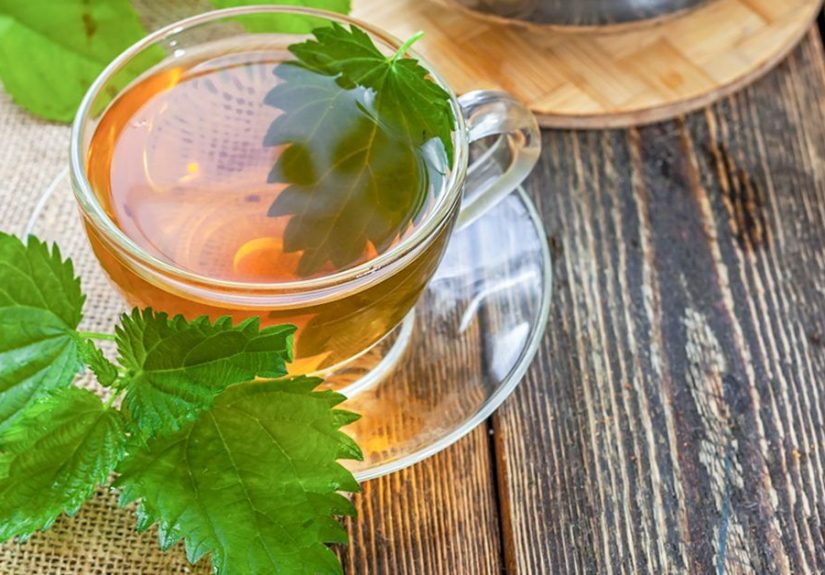
Nettle tea is typically brewed from dried nettle leaves (sometimes labeled “nettle leaf” or “stinging nettle leaf”). Fresh nettle leaves have tiny hair-like structures that can cause a burning, itchy reaction on contactso tea is usually made from dried leaves or pre-packaged tea bags. That drying process (plus steeping) takes this plant from “ow!” to “ahh.”
Nettle contains a mix of plant compounds (including polyphenols and other antioxidants) and nutrients. Exactly what ends up in your mug depends on the source, the plant part used, and how you brew it. So think of nettle tea as a gentle herbal beverage, not a standardized supplement dose.
The 4 Most Talked-About Health Benefits
Here are four benefits you’ll see mentioned most oftenalong with what the evidence actually suggests and where the hype tends to sprint ahead of the facts.
1) May Help with Mild Seasonal Allergy Symptoms (Maybe)
If you’ve ever battled seasonal allergies, you know the drill: tissues everywhere, eyes doing their best impression of a leaky faucet, and your nose acting like it’s auditioning for a trumpet solo. Nettle gets mentioned in the allergy conversation because it has anti-inflammatory activity in lab and early human research, and some people report it helps with hay fever symptoms.
Reality check: Evidence is mixed. Some sources note it may help mild symptoms, while others emphasize that it’s not a sure thingand that proven allergy meds (like antihistamines) are still the main event. If you’re curious, nettle tea may be something you try alongside standard strategies, not instead of them.
Practical example: Some people use nettle tea during pollen season as part of an “allergy routine” (hydration, showering after outdoor time, keeping windows closed on high pollen days). If it helps, great. If not, your tea can still be a warm consolation prize.
2) May Support Joint Comfort Thanks to Anti-Inflammatory Activity
Nettle has a reputation in herbal traditions for supporting comfort in achy joints and muscles. Modern research has explored nettle’s anti-inflammatory activity through multiple pathways (again: not a miracle, but biologically plausible). Some studies look at nettle preparations for inflammatory conditions, including joint discomfort.
What this means for tea drinkers: Brewing nettle leaf tea is not the same as taking a concentrated extract, and we don’t have a giant pile of large clinical trials proving nettle tea cures arthritis. Still, as a supportive habitespecially if you’re already doing the basics (movement, sleep, nutrition, clinician guidance)a cup of nettle tea can be a low-drama add-on.
Practical example: People who like nettle tea for “joint days” often pair it with other sensible comfort tactics: gentle stretching, heat packs, and hydration. The tea is part of the ritual, not the only strategy.
3) May Support Blood Sugar and Metabolic Markers (Small Studies)
One reason nettle tea keeps popping up on wellness lists is research exploring nettle’s potential impact on blood sugar and related metabolic markers. Some small clinical studies of nettle preparations suggest possible benefits like lower fasting blood sugar or improved markers in people with type 2 diabetes.
Important nuance: “Nettle preparations” can mean extracts or supplementsnot necessarily tea brewed at home. Also, “small studies” means promising but not definitive. If you have diabetes or take medications that affect blood sugar, nettle can potentially push levels lower, which is why it belongs in the “talk to a clinician first” category.
Practical example: If you’re already working on blood sugar goals, nettle tea may fit as a swap for sweetened drinks. That alone can be helpfulbecause replacing sugar-sweetened beverages is one of the most consistently useful steps for many people. The “nettle effect” is a bonus possibility, not the foundation.
4) May Support Prostate and Urinary Symptoms (Mostly Root Extract Evidence)
Nettle is widely discussed for prostate health, particularly for symptoms related to benign prostatic hyperplasia (BPH), such as frequent urination or a weak stream. Clinical research has explored nettle root extracts for urinary symptoms, and some studies suggest improvements.
Here’s the catch: Many BPH studies focus on root extracts or combination products, not leaf tea. If you’re drinking nettle leaf tea, you’re not necessarily matching what was studied. Still, nettle’s popularity for urinary support has a research trailjust not always the exact “teacup version.”
Practical example: If someone wants to try nettle for urinary symptoms, they should avoid DIY guessingespecially because urinary issues can have multiple causes. It’s a “get evaluated” situation, not a “just drink more tea” situation.
How to Make Nettle Tea at Home (Without Making It Weird)
You don’t need a wizard hat or a forest apprenticeship. You need dried nettle leaves, hot water, and the patience to let plants do their thing.
Basic Nettle Tea Recipe (Hot)
- Ingredients: 1–2 teaspoons dried nettle leaf (or 1 tea bag), 8–12 oz hot water
- Optional: lemon slice, honey, mint, or ginger
- Bring water to a boil, then turn off the heat (or let it cool for a minute).
- Add dried nettle leaf to a mug, tea infuser, or teapot.
- Pour hot water over it and cover (this helps keep aromatic compounds from drifting away like they have somewhere better to be).
- Steep for 5–10 minutes. Shorter steep = lighter taste. Longer steep = stronger, earthier flavor.
- Strain and drink. Add lemon or honey if you like.
Iced Nettle Tea (Easy Mode)
- Brew a stronger concentrate: use about double the dried nettle leaf for the same amount of water.
- Steep 10 minutes, strain, then pour over ice.
- Add lemon or a splash of juice if you want it more “summer drink” and less “garden memoir.”
Tips for Better Taste
- Flavor profile: grassy, green, slightly earthylike a nicer version of “I eat vegetables.”
- Brighten it: lemon helps a lot.
- Make it cozy: honey + ginger is a classic.
- Blend it: nettle + mint is refreshing; nettle + chamomile is calming.
Choosing Nettle Tea: Tea Bags vs. Loose Leaf vs. Foraging
Tea bags are convenient and consistent. Loose leaf often tastes fresher and stronger. Foraging is… a hobby for people who like both nature and mild danger.
If You Buy It
- Look for products labeled “stinging nettle leaf” or “nettle leaf”.
- Choose reputable brands that provide quality information (testing, sourcing, or at least clear labeling).
- If you’re on medications, consider checking with a pharmacistherbal interactions are a real thing.
If You Forage It (Please Read This Twice)
Fresh nettle can sting on contact. If you forage, you need to correctly identify the plant and avoid areas exposed to pesticides, roadside runoff, or contamination. Use gloves and long sleeves. And if you’re not confident, skip the DIY wilderness tea and buy dried nettle instead.
The Warning: Who Should Avoid Nettle Tea (or Ask a Clinician First)
Here’s the part where nettle tea stops being cute and starts being responsible.
Watch Out for Medication Interactions
Nettle may interact with several medications. In particular, sources commonly flag caution with:
- Blood thinners / anticoagulants (and medications affected by clotting factors)
- Blood pressure medications
- Diuretics (“water pills”)
- Diabetes medications (risk of blood sugar dropping too low)
- Lithium (possible issues due to diuretic-like effects)
- Aspirin and certain anti-inflammatory medications (caution advised)
Translation: If you take any of these, don’t treat nettle tea like it’s just flavored water. Ask a clinician or pharmacist firstespecially if you drink it daily or in large amounts.
Pregnancy and Breastfeeding
Many resources advise avoiding nettle during pregnancy unless your clinician specifically OKs it, due to safety uncertainty and potential uterine effects discussed in some references. Breastfeeding guidance is also cautiousespecially with topical use and allergy risk in infants. When in doubt, don’t experiment.
Allergies and Skin Reactions
Some people are sensitive to nettle. Fresh plant contact can cause a rash, burning, itching, or welts. Tea made from dried leaves is usually better tolerated, but allergic reactions are still possible. If you notice hives, swelling, trouble breathing, or other severe symptoms, seek emergency medical care.
Possible Side Effects
Even when it’s generally well tolerated, nettle can cause side effects in some people, including stomach upset. Because it may have mild diuretic effects, overdoing it can be dehydratingespecially if you’re already taking medications that affect fluid balance.
Quick FAQ
Does nettle tea have caffeine?
No. Nettle tea is naturally caffeine-free.
How often can I drink nettle tea?
Many people treat it like an occasional herbal tea (a few times per week). If you want to drink it dailyespecially if you take medicationscheck with a clinician or pharmacist first.
Is nettle tea the same as nettle supplements?
No. Supplements and extracts can be far more concentrated and may use different plant parts (like nettle root). Tea is typically a gentler preparation.
Conclusion
Nettle tea is one of those rare wellness trends that’s both old-school and genuinely interesting. The best version of nettle tea isn’t the one that promises to “fix everything.” It’s the one that fits into your life as a pleasant, caffeine-free herbal teawith potential benefits for mild allergies, inflammation support, blood sugar-friendly habits, and even prostate/urinary health conversations (especially in research on nettle root).
But don’t ignore the warning label nature didn’t print: nettle can interact with medications and may not be appropriate for pregnancy, breastfeeding, or certain conditions. Enjoy it like a grown-up: curious, consistent, and safety-first.
Extra: Real-World Experiences People Commonly Report (Plus Smart Tips)
(This section adds practical “what it’s like” detailbecause knowing nettle tea might help is one thing, but knowing what to expect in real life is what makes you actually drink it.)
1) The first sip usually surprises peoplein a boring way. If you’re expecting something spicy or bitter, nettle tea often tastes… green. Like a gentle herbal “leafy” flavor, sometimes compared to mild spinach water (said with love). The surprise is that it’s not intense. That’s why so many people end up adding lemon. Lemon gives nettle tea a brighter, cleaner finish and turns “yard vibes” into “tea shop vibes.”
2) People who enjoy rituals love nettle tea. A big part of herbal tea benefits comes down to behavior: you pause, you hydrate, you breathe, you take a minute away from scrolling. Nettle tea fits that ritual nicely because it feels “functional” without tasting like medicine. People often describe it as a comforting habit during busy weekssomething they can do that feels healthy even when life is chaotic.
3) During allergy season, some people treat it like a supportive sidekick. The common experience isn’t “I drank nettle tea and my allergies vanished.” It’s more like: “I’m already doing the normal stuff, and nettle tea feels soothing.” Warm liquids can be comforting when you’re congested, and staying hydrated helps your body handle the general misery of pollen season. If nettle helps on top of that, it’s a nice bonus. If it doesn’t, you still got hydration and a warm drink out of the deal.
4) Some people notice they pee a bit more. Nettle is frequently discussed as having mild diuretic-like properties. In real life, this shows up as “I drank a couple cups and made extra trips to the bathroom.” That’s not automatically bad, but it’s a clue not to overdo itespecially if you’re also drinking coffee, exercising hard, or taking medications that affect fluids and blood pressure. A practical tip people share: if nettle tea becomes a daily habit, pair it with a water bottle habit so you don’t accidentally drift into dehydration.
5) Consistency matters more than intensity. Many people who keep nettle tea in their routine do it because it’s easy to repeat. They’re not mega-steeping a swamp-strength concentrate. They’re making one normal mug, a few times a week, often at the same time of day (after lunch, mid-afternoon, or evening wind-down). The experience is less “biohacking” and more “a small, sustainable choice.”
6) The “warning crowd” tends to be people who learned the hard way to check interactions. In online anecdotes and wellness communities, you’ll see people mention they stopped nettle tea because it didn’t mix well with their medication routine or because their clinician advised caution. The most common lesson is not that nettle is dangerous for everyoneit’s that herbs can be active, and “natural” isn’t the same as “neutral.” A smart, real-life approach is: if you take prescriptions (especially for blood pressure, blood sugar, or clotting), treat nettle like you’d treat any supplementsomething you clear with a professional.
7) The easiest way to make nettle tea taste better is to blend it. People who drink it long-term often mix it with peppermint, lemon balm, or chamomile. This isn’t just tasteit’s habit design. If you enjoy the flavor, you’ll actually drink it. If you don’t, it becomes another half-used bag of “healthy” stuff in a drawer, next to the chia seeds you forgot about.
Bottom line from real-life patterns: Nettle tea tends to work best as a gentle routinehydrating, calming, and possibly supportiverather than a dramatic “results in 3 days” experiment. Keep it simple, keep it safe, and let it be a helpful extra, not your whole plan.