Table of Contents >> Show >> Hide
- Why torture feels “worse” when it shows up outside horror
- What counts as a torture scene in non-horror movies?
- 10 messed-up torture scenes in non-horror movies (and why they linger)
- 1) Marathon Man the “Is it safe?” dental-chair nightmare
- 2) Casino Royale Bond’s brutal “welcome to the reboot”
- 3) Reservoir Dogs the dance that rewired a pop song forever
- 4) The Deer Hunter Russian roulette as a metaphor that hurts to watch
- 5) Prisoners when desperation turns a parent into an interrogator
- 6) Zero Dark Thirty “enhanced interrogation” and the argument it started
- 7) 12 Years a Slave slavery’s violence shown without flinching
- 8) A Clockwork Orange the Ludovico Technique: torture disguised as “treatment”
- 9) Looper time travel turns pain into a real-time countdown
- 10) The Princess Bride fairy-tale charm with a surprisingly dark device
- What these scenes reveal about power (and about us)
- How to watch wisely without “ruining” movies
- Viewer experiences: why these scenes stick with you (about )
- Conclusion
- SEO Tags
Horror movies are supposed to scare you. They show up wearing a “WARNING: SCARY” T-shirt, hand you a flashlight with dying batteries,
and politely ask you to scream into a pillow.
Non-horror movies, though? They’ll be a classy spy thriller or a prestige drama, and thenwithout so much as a “you okay, champ?”they
drop a torture scene so upsetting you suddenly remember you left the oven on in 2014.
Heads-up: This article discusses intense and disturbing scenes from films (without graphic detail) and focuses on how filmmakers use
torturephysical, psychological, and systemicto raise stakes, reveal character, or comment on power.
Why torture feels “worse” when it shows up outside horror
In horror, violence is often the genre’s currencystylized, expected, and framed as part of a scare machine. In non-horror, torture can hit harder because
it arrives as a narrative ambush. You came for a courtroom debate, a war epic, or a sleek action set-piece… and suddenly the movie forces you to sit with
helplessness, humiliation, and moral compromise.
These scenes also tend to feel uncomfortably “real.” Not realistic in every detail, but emotionally recognizable: restraint, coercion, isolation, interrogation,
and the weaponization of uncertainty. That’s the secret sauce. Your brain doesn’t file it under “monster movie.” It files it under “this could happen to a person.”
What counts as a torture scene in non-horror movies?
Not every punch, fight, or battlefield injury is torture. Torture is about control: intentionally inflicted suffering to break someone, extract something
(information, obedience, confession), or punish and degrade. In film, it can be physical (pain), psychological (fear, sensory overload, humiliation),
or systemic (institutions doing harm with paperwork-level calm).
10 messed-up torture scenes in non-horror movies (and why they linger)
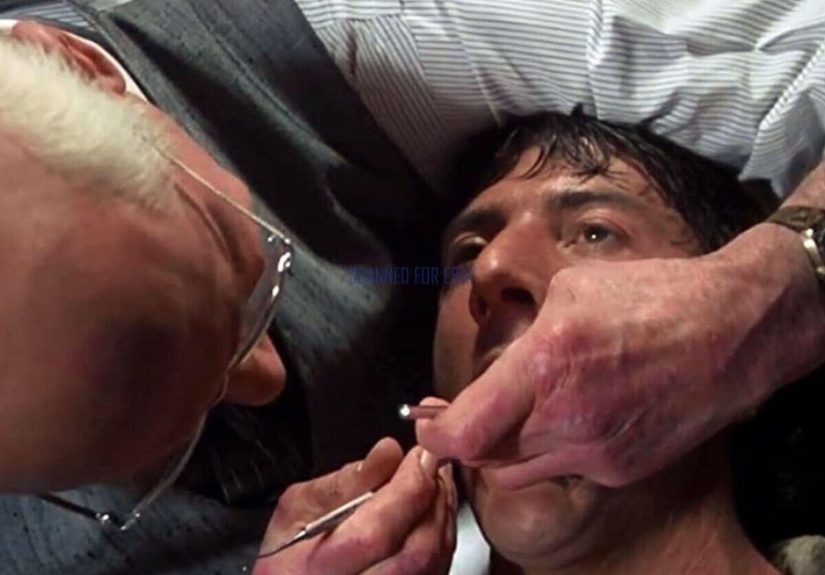
1) Marathon Man the “Is it safe?” dental-chair nightmare
This thriller taps into a universal fear: the vulnerability of being trapped in a chair while someone calmly decides what happens next. The scene’s power
isn’t goreit’s the clinical tone, the repetition of a simple question, and the way confusion becomes its own form of punishment. Critics have long noted how
relentlessly effective the movie is as a suspense machine, and this sequence is the gear that makes everyone squirm.
2) Casino Royale Bond’s brutal “welcome to the reboot”
The Craig-era Bond reintroduction includes an interrogation that’s shocking precisely because it collides with the franchise’s usual fantasy polish.
It’s staged like a confidence test: can the iconic hero be stripped of glamor, control, and dignityand still refuse to break? Behind the scenes, coverage has
noted the filmmakers intentionally pulled back to keep the scene within a Bond movie’s boundaries, which (ironically) makes what remains feel even sharper.
3) Reservoir Dogs the dance that rewired a pop song forever
A crime film, not a horror filmyet this is one of modern cinema’s most infamous torture moments. The scene’s sick genius is contrast: a breezy, catchy track
paired with cruelty. Tarantino’s direction keeps the viewer trapped in the same room with it, and smart choices about what the camera does (and doesn’t) show
turn anticipation into dread. Pop-culture writing has pointed out how the scene “owns” the song now, because the mood shift is impossible to unlearn.
4) The Deer Hunter Russian roulette as a metaphor that hurts to watch
This isn’t “torture” in a laboratory senseit’s torture as forced spectacle: violence turned into a game where chance becomes the weapon.
The scene is designed to be psychologically crushing, not just suspenseful. Reviewers have argued the roulette becomes the film’s organizing symbol:
random violence, coerced participation, and the way trauma rewires the mind long after the “game” ends.
5) Prisoners when desperation turns a parent into an interrogator
What makes this thriller so queasy isn’t only what happensit’s who does it. The film forces the audience to sit in an ethical vise:
a father believes he’s racing against time, and the movie refuses to hand out clean answers. Reviews have highlighted how the torture-adjacent questioning
is meant to make post-9/11 audiences squirm, because the moral math never comes out neatly.
6) Zero Dark Thirty “enhanced interrogation” and the argument it started
The film’s early sequences sparked major debate about whether it implies torture “works.” Human rights analysis at the time argued the movie wrongly suggests
torture was useful and central to the hunt it dramatizesan issue made thornier by the film’s procedural realism and journalistic vibe. Regardless of where viewers
land, the scenes are disturbing because they’re presented with a matter-of-fact, institutional calm that feels colder than any movie villain speech.
7) 12 Years a Slave slavery’s violence shown without flinching
This is not “torture for thrills.” It’s torture as historyan unignorable depiction of power enforced through brutality and humiliation.
Coverage of the film emphasized how unflinching it is, especially in sequences where violence becomes routine, authorized, and public.
The effect is devastating because the movie frames it as a system, not a one-off act: the horror is social, normalized, and sustained.
8) A Clockwork Orange the Ludovico Technique: torture disguised as “treatment”
Kubrick’s dystopia presents a particularly nauseating twist: suffering packaged as rehabilitation. The scene weaponizes cinema itselfforced viewing,
sensory assault, the loss of agencymaking the audience aware of how images can be used to condition behavior.
Film craft coverage has discussed the sequence’s meticulous construction and its role in turning the protagonist into a “patient” under state control.
9) Looper time travel turns pain into a real-time countdown
The movie hits you with a conceptually horrifying idea: violence committed in the present reshapes a person in the future, instantly, like reality is being edited
with a blade. The scene works because it’s not about goreit’s about inevitability. You watch someone realize that the body they live in is now a message board
for someone else’s power. Interviews and explainers around the film often stress that it’s meant to play “moment-to-moment,” which is exactly how the scene attacks you: one moment, then the next.
10) The Princess Bride fairy-tale charm with a surprisingly dark device
Yes, really. This beloved adventure is warm, funny, and romanticand it still contains a torture device that’s framed like a storybook invention.
The tonal whiplash is the point: it reminds you that fairy tales often hide cruelty under whimsy. Even behind-the-scenes craft coverage has treated the device as an
iconic piece of designmemorable because it looks absurdly “invented,” yet still triggers a real sense of dread when the dial turns.
What these scenes reveal about power (and about us)
Across genresspy thrillers, war dramas, crime storiestorture scenes tend to do one of three things:
- They test identity: Who is someone when stripped of control? (Hero, villain, bystander, system.)
- They “raise stakes” fast: Nothing says “you are not safe” like helplessness on-screen.
- They sell (or critique) a myth: That pain produces truth, that desperation justifies cruelty, that evil is a necessary tool.
And that last point matters. Research on torture portrayal in popular film has found that entertainment often depicts torture as effectivean easy narrative shortcut
that can shape perceptions even when the real world is far messier.
How to watch wisely without “ruining” movies
If you’re seeking out disturbing movie scenes (or trying to avoid them), a few practical moves help:
- Use content notes: Many streaming platforms and review sites flag “disturbing violent content” or “torture scenes.”
- Give yourself permission to skip: You don’t have to “earn” a movie by enduring its worst moment.
- Talk after: These scenes often land harder in silence. A two-minute debrief can defuse the aftertaste.
- Know your triggers: Interrogation, restraint, humiliation, medical settingsdifferent viewers have different tripwires.
Viewer experiences: why these scenes stick with you (about )
If you’ve ever watched a non-horror movie with friends and suddenly felt the room go quietlike someone hit “mute” on everyone’s personalityyou already know
the weird social power of a torture scene. People stop snacking. Someone checks their phone “for a second” and never looks up again. Laughter doesn’t just die;
it gets evicted.
That reaction isn’t just squeamishness. It’s your brain recognizing a shift in rules. In most mainstream genres, violence is choreographed: it’s either heroic,
“cool,” or safely distant (lasers! explosions! dramatic slow motion!). Torture yanks violence out of the highlight reel and forces it into intimacy. The camera
lingers. The sound design gets personalbreathing, straps, footsteps, a too-calm voice. Even when a filmmaker avoids explicit visuals, the scene can feel
more invasive because it’s about the loss of control rather than the spectacle of injury.
Viewers also tend to report a very specific physical response: shoulders tightening, jaw clenching, a weird sympathy-pain in places you didn’t realize had empathy.
Scenes like Marathon Man hit hard because they exploit everyday vulnerability (medical settings, restraint, being talked down to). You’re not watching an alien
attack a spaceshipyou’re watching a human being trapped in a scenario where “please stop” is meaningless.
Another common experience is the “moral hangover.” In movies like Prisoners or Zero Dark Thirty, the discomfort isn’t only what’s happening on-screen;
it’s what the film is asking you to do emotionally. Are you supposed to hope the suffering produces answers? Are you meant to condemn it? Are you meant to feel torn?
That tension can follow you after the credits, because it pokes at real-world questions about fear, safety, and what we’re willing to excuse when someone claims the
stakes are high enough.
Then there’s the memory effect: a torture scene can “overwrite” a whole movie. People might forget subplots, side characters, even endingsbut remember a single
moment of coercion with photographic clarity. Music is a notorious carrier for this. Once a song is linked to cruelty (hello, Reservoir Dogs), it can change
how you hear that track forever. The brain loves shortcuts, and emotional shock is the fastest shortcut of all.
If you’re writing about these scenesor just trying to process themit helps to name what you’re reacting to. Is it the helplessness? The humiliation? The
institutional vibe? The idea that pain equals truth? Once you identify the ingredient, the scene becomes less like an ambush and more like a crafted choice you can
analyze. And that’s the healthiest “behind-the-scenes” trick of all: turning a gut punch into a conversation.
Conclusion
Torture scenes in non-horror movies can feel uniquely upsetting because they violate the genre contract: they show up where you least expect them, then demand
you sit with powerlessness. When used thoughtfully, they reveal character, critique institutions, and force moral questions into the open. When used lazily,
they risk glamorizing cruelty as a shortcut to “results.” Either way, they’re hard to forgetand that’s exactly why filmmakers keep reaching for them.