Table of Contents >> Show >> Hide
- What “Magic Mushrooms” Mean in Medicine
- The Strongest Evidence: Where Psilocybin Looks Most Promising
- How Psilocybin Might Work: Brain Chemistry Meets Brain Networks
- Safety, Side Effects, and Why “Medical” Means Supervised
- What Psilocybin-Assisted Therapy Usually Involves (High-Level Overview)
- Legal and Medical Reality in the United States
- So… What Are the Medical Benefits of Magic Mushrooms, Really?
- Experiences in Supervised Psilocybin Care (What People Commonly Report)
- Conclusion
“Magic mushrooms” might sound like something you’d find in a fantasy novel (or at the back of your fridge, quietly plotting your downfall).
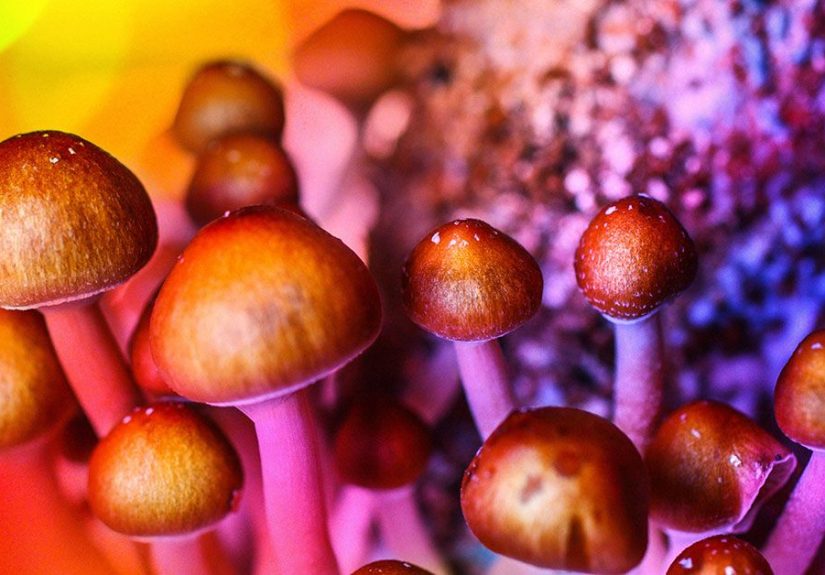
In real life, the “magic” comes from psilocybin, a naturally occurring compound in certain mushrooms that the body converts to
psilocina substance that affects serotonin signaling in the brain.
Over the last decade, psilocybin has re-entered serious medical research with a very specific goal: not to make people see unicorns,
but to help treat stubborn mental health conditionsespecially when standard treatments haven’t worked well enough.
The key phrase here is medical research: the strongest evidence comes from carefully controlled clinical trials with screening,
professional psychological support, and follow-up care.
This article breaks down what science currently suggests about the medical benefits of magic mushrooms, where the evidence is strongest,
what risks matter most, and why “promising” does not mean “DIY.”
What “Magic Mushrooms” Mean in Medicine
In medical contexts, researchers aren’t handing out random mushrooms and hoping for the best.
Clinical studies use measured psilocybin (or a standardized formulation) with safety protocols. Most trials pair psilocybin with
structured psychological supportoften called psilocybin-assisted therapy or psychedelic-assisted therapy.
Why combine a drug session with therapy? Because psilocybin can temporarily change perception, emotional processing, and the sense of self.
In trials, the “medicine” isn’t just the moleculeit’s the molecule plus preparation, support during the session, and integration afterward.
The Strongest Evidence: Where Psilocybin Looks Most Promising
Research is still evolving, but several areas stand out. Think of the evidence like a ladder:
some uses have multiple randomized controlled trials (stronger), others are early-stage (interesting, but not settled).
1) Depression (Including Hard-to-Treat Depression)
Depression is currently the headline use case. In multiple studies, psilocybin combined with psychological support has been linked to
rapid reductions in depressive symptoms for many participantssometimes within daysfollowed by effects that can last weeks to months.
That speed is a big deal, because many conventional antidepressants take longer to work and don’t help everyone.
For example, randomized trials in adults with major depressive disorder have found that a single psilocybin session (with support)
can produce meaningful symptom improvement compared with controls. Trials in treatment-resistant depression also show symptom reduction,
though results can be mixed depending on study design, comparison groups, and follow-up duration.
The most responsible takeaway is this: psilocybin-assisted therapy is not “a guaranteed cure,” but it has repeatedly shown a signal strong enough
that larger, longer trialsand careful regulatory attentionare continuing.
2) Anxiety and Depression in Serious Illness (Especially Cancer-Related Distress)
Some of the most striking early findings came from studies involving people facing life-threatening cancer diagnoses.
In these trials, psilocybin with structured support was associated with reductions in anxiety and depression,
plus improvements in quality of life and existential distress for many participants.
Researchers have suggested that psilocybin may help patients relate differently to fear, rumination, and lossless like being stuck in a mental
revolving door, more like finding a new exit sign. That said, these studies often have small sample sizes, and the context (serious illness,
specialized care teams) matters a lot.
3) Alcohol Use Disorder
Alcohol use disorder is another area with encouraging randomized trial evidence. In a notable clinical trial, psilocybin combined with psychotherapy
was associated with reductions in heavy drinking days compared with psychotherapy plus an active placebo.
Why might it help? Some researchers think psilocybin can “loosen” rigid habit loopsespecially when therapy targets motivation, coping skills,
and relapse prevention. But it’s not magic (mushroom pun unavoidable): participants still needed structured support, and outcomes varied.
4) Tobacco Use Disorder (Smoking Cessation)
Smoking cessation research includes smaller studies and follow-ups suggesting unusually high quit rates in some participants receiving psilocybin
within a comprehensive treatment program. This line of research is still developing, and larger randomized trials are underway.
The important nuance: these results did not come from casual use.
They came from carefully designed programs that combined behavioral treatment, coaching, and supervised sessions.
5) Other Conditions Under Study (Early, Mixed, or Limited Evidence)
Researchers are also exploring psilocybin for conditions like obsessive-compulsive disorder, certain anxiety disorders, and other forms of distress.
Some areas are intriguing but earlymeaning we don’t yet have enough large, rigorous trials to say it “works” in the way medicine usually means it.
If you see bold claims online (especially ones that sound like they were written by a mushroom wearing a trench coat),
treat them as hype until they’re backed by high-quality clinical evidence.
How Psilocybin Might Work: Brain Chemistry Meets Brain Networks
Psilocybin’s best-known biological target is the serotonin 5-HT2A receptor.
Serotonin signaling is involved in mood, cognition, and perceptionso it makes sense that a strong 5-HT2A effect could shift how the brain processes
emotion and meaning.
But the story isn’t just receptors. Brain imaging research suggests psychedelics can temporarily alter communication patterns between brain networks.
One frequently discussed network is the default mode network, linked to self-focused thinking and rumination.
In depression, rumination can act like a mental playlist stuck on the saddest trackon repeatat full volume.
Psilocybin may temporarily disrupt overly rigid network patterns, increasing flexibility in how the brain connects and processes information.
Some studies also suggest changes related to neuroplasticitythe brain’s ability to adapt and form new connectionsthough exactly
how these biological changes map onto long-term symptom improvement is still being studied.
Just as important are psychological mechanisms. In clinical settings, participants often report shifts in perspective:
reduced avoidance of difficult emotions, increased acceptance, and a new ability to step back from negative thought loops.
Therapy then helps translate that “window” into practical life changes.
Safety, Side Effects, and Why “Medical” Means Supervised
Psilocybin is not risk-free. In clinical trials, adverse effects are often described as mild to moderate, but “mild” is still not “nothing,”
and serious psychological reactions can occurespecially outside controlled environments.
Commonly Reported Effects in Research Settings
- Short-term anxiety, fear, or panic during the acute experience
- Nausea or stomach discomfort
- Headache (sometimes after the session)
- Temporary increases in heart rate and blood pressure
- Emotional intensity, including challenging memories or feelings
Key Psychological Risks
The biggest safety line in bold marker is mental health vulnerability.
People with personal or family histories of psychotic disorders, or who are prone to mania, may be at higher risk for adverse psychiatric outcomes.
That’s why legitimate studies screen participants and exclude those with certain risk factors.
Another major risk is unsupervised use: without screening, dosing controls, a safe environment, or trained support,
people can experience severe distress, dangerous behavior due to impaired judgment, or worsening mental health symptoms.
“Natural” does not automatically mean “safe.” Poison ivy is natural tooand it has never once paid anyone’s therapy copay.
Medication and Health Considerations
Clinical programs typically review medications and medical history carefully.
Psilocybin can raise blood pressure and heart rate, which may be risky for some cardiac conditions.
Certain drug interactions may also increase risk, which is one reason medical supervision matters.
This is not a “mix-and-match” situation.
What Psilocybin-Assisted Therapy Usually Involves (High-Level Overview)
Psilocybin therapy is often described in three phases. Details vary by protocol, but the structure is surprisingly consistent:
Preparation
Participants meet with trained clinicians or facilitators to review goals, mental health history, and coping strategies.
This phase builds trust and sets expectations, including how to handle difficult emotions if they arise.
Supervised Session
The session occurs in a controlled environment with trained monitors present.
Safety is the point: support is available if anxiety spikes, confusion sets in, or the experience becomes overwhelming.
Integration
Afterward, participants process the experience with professionals, connecting insights to real-life actions:
healthier routines, more adaptive thinking patterns, relationship repairs, and relapse-prevention plans (when relevant).
Integration is where “a powerful day” becomes “a healthier next month.”
Legal and Medical Reality in the United States
Here’s the split-screen reality: psilocybin remains illegal under U.S. federal law outside approved research settings,
but medical research is progressing, and some states have created regulated access programs for adults.
Federal Status and the FDA
Psilocybin is still classified as a Schedule I controlled substance federally, meaning it’s not approved for general medical use nationwide.
However, the FDA has issued guidance for clinical investigations of psychedelic drugs, reflecting the growing pipeline of research.
The agency has also recognized the need for rigorous trial design, safety monitoring, and careful interpretation of outcomes.
State-Level Programs (Adults Only)
Oregon launched a regulated psilocybin services system for adults, with licensed service centers opening in 2023.
Colorado has also built a regulatory framework for supervised natural medicine services, with licensing milestones rolling out in stages.
These programs are not the same as FDA-approved medical treatment, and they do not automatically mean insurance coverage, affordability,
or universal clinical standards.
Also worth stating plainly: these programs are designed for adults. If you’re under 21, legal access through these systems is not on the table.
So… What Are the Medical Benefits of Magic Mushrooms, Really?
Based on current evidence, the most supported potential benefits of psilocybin-assisted therapy include:
- Reduced symptoms of depression, including major depressive disorder and some treatment-resistant cases
- Reduced anxiety and depression related to serious illness, including existential distress in cancer care
- Improved outcomes in substance use treatment when combined with psychotherapy (especially alcohol; tobacco research is evolving)
- Potential improvements in well-being and quality of life for some patients in carefully controlled settings
But the honest, science-aligned conclusion is not “mushrooms fix everything.”
It’s this: psilocybin is a powerful psychoactive compound that appears to offer meaningful benefits for some people,
under medical-grade conditions, for specific conditionswhile still carrying real risks and plenty of unanswered questions.
Experiences in Supervised Psilocybin Care (What People Commonly Report)
This section focuses on experiences described by participants and clinicians in legal programs and clinical research.
It’s not a “how-to,” and it’s not an endorsement of unsupervised usebecause the safety context is the whole point.
Before the session, many participants describe a mix of hope and nerves. Prep meetings can feel surprisingly practical:
reviewing mental health history, naming fears (“What if I panic?”), learning grounding techniques, and setting intentions that are more human than mystical.
Some people expect fireworks; clinicians often encourage something more realisticcuriosity, patience, and a willingness to experience whatever shows up.
If that sounds less like a party and more like a serious appointment… congratulations, you’ve found the medical version.
During the supervised session, reports often center on emotional intensity rather than entertainment.
People describe experiences that can feel meaningful, symbolic, or deeply personalsometimes accompanied by temporary changes in perception and time.
A common theme is that emotions that were previously “locked behind a door” become accessible.
That can be relieving (like finally exhaling after holding your breath for years), but it can also be challenging.
Some participants report periods of anxiety, fear, grief, or mental struggle before reaching calmer moments.
In clinical settings, support staff help participants stay safe and oriented.
When difficult moments happen, the goal isn’t to “fight” the experienceit’s to help the person move through it without harm.
Participants often say the presence of trained monitors changes everything: it reduces fear, prevents unsafe decisions,
and helps keep the session from turning into a worst-case scenario.
After the session, many people describe feeling mentally “tender,” like their brain ran an emotional marathon.
Sleep, hydration, and quiet time are commonly emphasized. In the days and weeks that follow, integration sessions can feel like the bridge between
insight and change. People often describe noticing fewer rigid thought loops, less rumination, or a new ability to pause before spiraling.
Some describe improved mood and motivation; others describe a shift in how they relate to their depression or anxietyless fused with it,
more able to observe it.
Importantly, experiences are not universally positive, and benefits are not guaranteed.
Some participants feel great for a while and then relapse; others feel unsettled or disappointed if the session didn’t match expectations.
Researchers also note that outcomes can be influenced by ongoing therapy, life events, and the support system around a person.
In other words: psilocybin isn’t a “one-day personality update.” It’s a clinical intervention that may open a window,
and then the work is what you do with that window.
Finally, real-world experiences highlight practical issues that don’t fit in a meme:
supervised services can be expensive, insurance coverage is limited, and access can be uneven.
As programs and research expand, the medical conversation increasingly includes ethics, equity, clinician training, and patient protections
because “promising” needs to become “safe, fair, and reproducible” before it becomes routine care.
Conclusion
The medical story of magic mushrooms is less about counterculture and more about clinical evidence.
Psilocybin-assisted therapy has shown promising resultsespecially for depression, cancer-related distress, and certain substance use outcomeswhen delivered
with screening, professional support, and follow-up care. It also carries real risks, especially for vulnerable individuals or unsupervised use.
The future likely depends on larger trials, clearer standards, and thoughtful regulationso the science can move forward without the safety getting left behind.