Table of Contents >> Show >> Hide
- What Are Kettal ZigZag Planters, Exactly?
- Sizes, Proportions, and Why Scale Matters
- Materials and Color: Rope, Aluminum, and a Surprisingly Sophisticated Palette
- Why ZigZag Planters Work in Real Outdoor Spaces
- Styling Ideas: Where ZigZag Planters Look Their Best
- Planting Tips That Make a Designer Planter Look Even Better
- Care and Maintenance: Keeping Rope and Frame Looking Sharp
- Buying Notes: What to Expect with Designer Outdoor Accessories
- Quick FAQ
- Real-World Experiences with Kettal ZigZag Planters (The Extra You Asked For)
- Conclusion
Some planters are basically “dirt buckets.” They show up, hold soil, and quietly do their job like a reliable coworker who never asks for credit. And then there are planters that walk into your patio like they own the place. Kettal ZigZag Planters fall squarely into the second category.
These are sculptural, rope-wrapped, modern outdoor planters designed to look as intentional as the furniture around thembecause they’re made by the same kind of people who treat outdoor space like a real room, not a forgotten bonus level. If you’ve ever looked at a gorgeous terrace photo and thought, “Why does my patio look like a folding-chair convention?” this is one of the upgrades that changes the entire vibe.
What Are Kettal ZigZag Planters, Exactly?
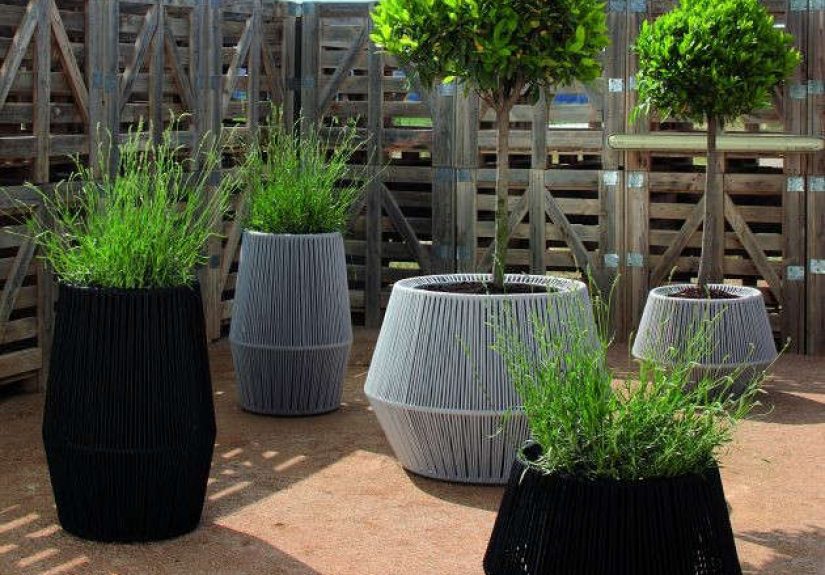
Kettal is known for high-end outdoor furniture and accessories, and the ZigZag line lives in that “Objects” universe: the finishing pieces that make an outdoor space feel designed, not merely furnished. The ZigZag planters were created by Emiliana Design Studio, and they’re built around a clean, circular form with a distinctive “waist” detaillike a geometric hourglass for your plants (but, you know, supportive and non-judgmental).
The signature look comes from the contrast of materials: a sturdy internal structure paired with a handwoven rope exterior. That rope isn’t just decorationit’s texture, shadow, and color in one move. In the same way a great rug can make a living room feel complete, a ZigZag planter can make an outdoor seating area feel finished.
Sizes, Proportions, and Why Scale Matters
ZigZag planters typically come in two sizes. The smaller option is substantial enough to hold a statement plant without eating your whole patio. The larger one is a full-on anchor pieceideal for entryways, pool decks, and big terraces where “cute little pot” energy gets swallowed by open space.
Typical sizing you’ll see in specs
- Smaller planter: about 28 inches wide and about 21 inches tall (great for medium shrubs, compact trees, and layered plantings).
- Larger planter: about 40 inches wide and about 30 inches tall (built for real presencethink olive tree, citrus, or a dramatic grass arrangement).
Here’s the design truth most people learn the hard way: large outdoor spaces need large planters. The bigger ZigZag planter doesn’t just hold more soilit holds the composition together. On a wide deck, it can visually “ground” a seating group the way a coffee table does indoors.
Materials and Color: Rope, Aluminum, and a Surprisingly Sophisticated Palette
The ZigZag planter’s personality comes from its rope exterior and structured frame. The effect is clean and modern, but not cold. The rope creates soft vertical lines that catch light during the day and look especially good at night when outdoor lighting hits the texture.
Color is where these planters get sneaky-powerful. Depending on the rope tone, they can read as natural and calm (think stone, sand, driftwood vibes) or bold and playful (think a punch of teal or deep blue against pale concrete). In many showrooms and dealer listings, you’ll see a wide range of rope shadesenough to coordinate with outdoor upholstery, tile, wood decking, or even the color of your front door.
If you want “designer” without shouting, choose a neutral rope color and let the texture do the talking. If you want the planter to act like outdoor art, choose a saturated hue and pair it with simpler planting.
Why ZigZag Planters Work in Real Outdoor Spaces
Great outdoor design is always a balancing act: durability meets comfort, function meets beauty, and “this will survive the weather” meets “I want to post it.” ZigZag planters hit that balance for a few practical reasons:
- Texture without clutter: Rope adds visual interest without making a space feel busy.
- Modern shape, warm finish: The geometry feels contemporary, but the woven exterior keeps it from feeling sterile.
- Outdoor-friendly build: These are made with outdoor use in mind, so you’re not babying them like an indoor ceramic pot that panics at a raindrop.
- They photograph absurdly well: Not essential… but let’s not pretend it doesn’t matter.
Styling Ideas: Where ZigZag Planters Look Their Best
A ZigZag planter is versatile, but it shines when you use it deliberatelylike a design “period” at the end of a sentence.
1) The front entry “Welcome, we have taste” move
Place a pair of ZigZag planters on either side of a front door or gate. Go symmetrical for a formal look (olive trees, dwarf citrus, or tall grasses), or asymmetrical for something more modern (one tall plant, one low layered arrangement).
2) Pool deck: minimal, but not boring
Pool areas love simple forms. Use the larger planter as a sculptural element: a single architectural plant (like a palm or cleanly pruned shrub) keeps it sleek. Bonus: the rope texture plays beautifully against water reflections.
3) Rooftop terrace: soften hard edges
Rooftops can feel sharpmetal railings, concrete pavers, lots of straight lines. ZigZag planters bring in curve and texture. Use them to define zones (lounge area vs. dining area) without needing screens or bulky dividers.
4) Dining patio: the “human-scale” divider
Restaurants and hospitality patios often need separation without walls. A row of large planters can guide traffic, create privacy, and still feel open. Choose plantings that won’t shed constantly into someone’s appetizer (that’s a real design category: “cute but messy”).
5) Small patios: one statement beats five random pots
If you’re working with limited space, don’t scatter tiny planters like breadcrumbs. Use one smaller ZigZag planter as the hero piece. A single intentional object looks more “designed” than a collection of whatever was on sale.
Planting Tips That Make a Designer Planter Look Even Better
Here’s the thing: a luxury planter won’t fix chaotic planting. The planting is the outfit; the planter is the tailoring. You want both working together.
Start with drainage and the right soil
Healthy container plants come down to three unglamorous basics: drainage, lightweight potting mix, and consistent watering. Make sure your setup allows excess water to escape so roots aren’t sitting in soggy soil. Use a quality potting mix designed for containers rather than heavy garden soil that compacts over time.
Use the “Thriller, Filler, Spiller” method (yes, it works)
If you want your ZigZag planter to look like a magazine photo instead of a science fair project, try this structure:
- Thriller: the tall centerpiece (small tree, upright grass, bold tropical).
- Filler: the mid-height body (mounding flowers, herbs, foliage plants).
- Spiller: the trailing edge-softener (creeping thyme, ivy, trailing petunia, etc.).
For the smaller ZigZag planter, keep it editedone thriller plus two or three fillers is often enough. For the larger size, you can do a small tree plus an underplanting ring (seasonal color, herbs, or low foliage) without overcrowding.
Plant combinations that look “expensive” on purpose
- Coastal-modern: olive tree + lavender + trailing rosemary
- Desert-clean: agave + sedum + trailing succulent
- Tropical-terrace: dwarf palm + coleus + trailing sweet potato vine
- Minimal-green: fountain grass + all-green foliage (let the rope color be the accent)
Care and Maintenance: Keeping Rope and Frame Looking Sharp
Outdoor planters are basically in a constant battle with sun, dust, pollen, and “mystery stains” that appear overnight. The good news: maintenance guidance for rope-and-frame outdoor pieces is usually refreshingly simplethink gentle cleaning, no harsh scrubbing, and prompt stain attention.
- Routine cleaning: mild soap, soft sponge or cloth, gentle wipe-down.
- Don’t get aggressive: avoid abrasive pads and harsh chemicals that can damage finishes.
- Stains: address sooner rather than later; dried-in grime is the villain of outdoor living.
- Seasonal reset: rinse, clean, let fully dry, and refresh soil/planting as needed.
Practical pro tip: if you live in a high-pollen area, the rope texture will collect dust more than a smooth pot. That’s not a flawit’s just texture doing texture things. A quick hose rinse plus gentle soap is usually the easiest way to bring it back.
Buying Notes: What to Expect with Designer Outdoor Accessories
Designer outdoor pieces often come with two realities: lots of options and variable lead times. Many retailers list ZigZag planters as “price upon request,” because finish and configuration choices affect final pricing. It’s also common to see longer shipping windows for special-order colors.
If you’re planning a project (especially for a renovation, hospitality patio, or a “we’re hosting an event” deadline), order early. A ZigZag planter is not the kind of thing you want to be panic-ordering two weeks before guests arrive, unless your guests enjoy watching you improvise with a plastic nursery pot and a prayer.
Quick FAQ
Are ZigZag planters only for outdoors?
They’re designed for outdoor use, but they can work indoors tooespecially in sunrooms, lobbies, or airy spaces where you want a statement container without glossy ceramic shine.
Do they work for real plants, or just “staging plants”?
They’re absolutely functional planters. Just treat them like any premium container: use proper potting mix, respect drainage, and don’t overwater.
What plants look best in them?
Architectural plants (olive, citrus, palms, grasses, agave) look especially strong because the planter itself has a sculptural silhouette. Layered seasonal planting also looks great if you keep the palette cohesive.
Real-World Experiences with Kettal ZigZag Planters (The Extra You Asked For)
Experience #1: The rooftop that finally feels “finished.” A common story goes like this: someone invests in a rooftop lounge setupnice chairs, a table, maybe even outdoor lightingbut the space still feels a little empty. The missing piece is usually scale. When a larger ZigZag planter is added near the seating area, it acts like a visual anchor. Suddenly the rooftop looks intentional: a “room” with boundaries, not furniture floating in open air. Owners often notice that guests naturally gravitate toward the planterstanding near it while talking, leaning in for photos, and using it as a subtle landmark (“Meet by the big planter”). Practical note: rooftops get wind, so heavier containers and stable plantings matter. A compact tree with a balanced canopy tends to behave better than tall, floppy plants that catch every breeze like a sail.
Experience #2: The entryway upgrade that earns compliments from delivery drivers. People underestimate how powerful the front entry is. A pair of ZigZag planters by the door instantly makes a home feel more curatedlike the inside is probably put together too (even if there’s a laundry basket situation happening just out of sight). Homeowners who go symmetrical often say it feels “hotel-like” in the best way. Those who go asymmetrical love the modern vibe: one taller plant on the side with more open space, one fuller, lower arrangement on the other. The big lesson here is consistency. Using two planters from the same collection creates order, and the rope texture keeps the order from feeling stiff.
Experience #3: The pool deck that becomes a photo backdrop. On pool patios, ZigZag planters often become a background feature in the best waylike the plant-and-planter combo is part of the architecture. Owners tend to choose simpler planting here: a single statement plant or a tight palette. That’s because water already adds movement and sparkle; the planter provides structure. The rope texture also reads beautifully in daylight, especially when paired with natural materials like teak, light stone, or even plain concrete. Practical reality: sunscreen fingerprints happen. A gentle, regular cleaning routine keeps things looking crisp without turning maintenance into a second job.
Experience #4: The hospitality patio that needs “privacy without walls.” In restaurants and hotels, planters are rarely just decorativethey’re functional tools for managing space. ZigZag planters fit that world because they look upscale while doing a job: defining walkways, separating tables, and creating a sense of intimacy without blocking airflow. Operators often choose tough plants that don’t drop leaves constantly and can handle heat, sun, and the occasional accidental chair bump. The planter becomes part of the brand experience: guests remember the vibe, not the SKU number, but the vibe is built from details like this.
Experience #5: The small patio that stops trying to be everything at once. In smaller spaces, people sometimes buy multiple small pots, hoping variety equals style. The result is usually visual noise. A ZigZag planter encourages a different approach: pick one great piece, choose one great plant concept, and let it carry the design. Owners who do this often report the same surprise: the patio feels bigger. That’s because fewer, stronger elements create calm. The planter becomes a focal point, and the rest of the space gets to breathe.
Conclusion
Kettal ZigZag Planters aren’t just containersthey’re outdoor design objects that happen to hold plants. They bring texture, color, and structure to patios, rooftops, entryways, and commercial terraces, and they look especially good when paired with clean planting choices and smart container-gardening basics. If you want your outdoor space to feel intentional (and not like you grabbed random pots during a hardware-store sprint), ZigZag planters are the kind of upgrade that quietly does a lot of heavy liftingwithout ever looking like it’s trying too hard.