Table of Contents >> Show >> Hide
- First, what counts as “itchy skin with no rash”?
- Why your skin can itch even when it looks “normal”
- Common (and usually harmless) causes of itchy skin with no rash
- Less obvious skin-related causes (where the “rash” is subtle or hiding)
- Systemic causes of itchy skin with no rash (the “check the dashboard lights” category)
- 10) Chronic kidney disease-associated itch (CKD-aP)
- 11) Liver or bile flow problems (cholestasis)
- 12) Thyroid disease
- 13) Diabetes and blood sugar issues
- 14) Iron deficiency or blood disorders (including aquagenic pruritus)
- 15) Nerve-related itch (neuropathic pruritus)
- 16) Cancer (rare, but worth mentioning honestly)
- Symptom patterns that help you (and your clinician) narrow the cause
- When to see a doctor for itchy skin with no rash
- How clinicians diagnose “itchy skin no rash”
- Treatments for itchy skin with no rash (step-by-step)
- Prevention: how to avoid future “mystery itch” episodes
- Conclusion
- Experiences: What Itchy Skin No Rash Feels Like in Real Life (and What People Try)
Disclaimer: This article is for general education and isn’t a substitute for medical advice. If your itching is severe, persistent, or comes with other symptoms, a clinician can help you get to the bottom of it.
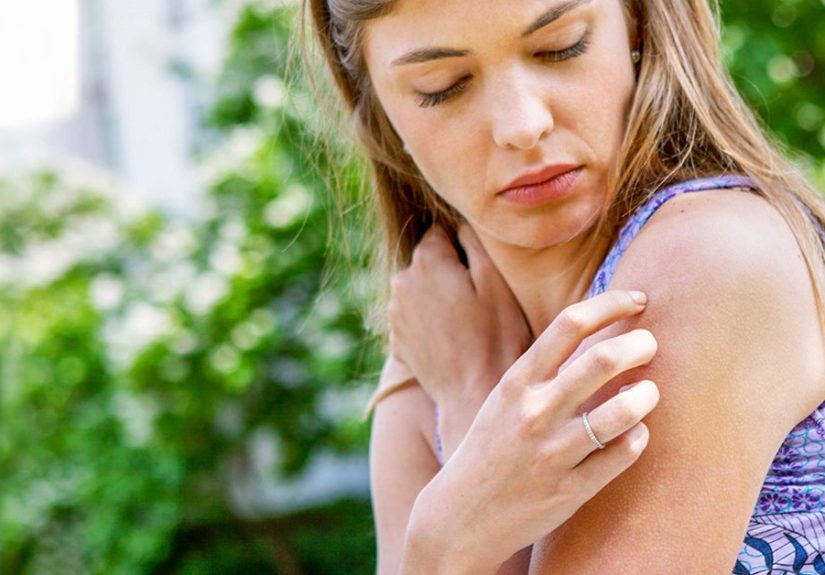
An itch without a rash is like a smoke alarm with no visible smoke: it’s annoying, it’s hard to ignore, and it makes you wonder what’s going on behind the walls.
The good news? In many cases, itchy skin with no rash is caused by something simple (hello, dry air and hot showers).
The trickier truth? Sometimes it’s your body’s way of waving a tiny flag that says, “Hey, can we check a few things?”
In this guide, we’ll break down the most common causes of itchy skin no rash, the clue-y patterns that can point to the “why,” and the best
treatments for itchy skinfrom quick at-home fixes to when it’s time to call in a pro.
First, what counts as “itchy skin with no rash”?
Clinicians often use the word pruritus for itching. “No rash” usually means there are no primary skin changes like hives, bumps,
plaques, or obvious redness. You might still have secondary markslike scratch lines, scabs, or thickened skinbecause, well… you’re human and your fingernails are persuasive.
Timing matters, too. If itching lasts more than six weeks, it’s often considered chronic. Chronic itch deserves a little more detective work,
especially if it’s widespread or disrupting sleep.
Why your skin can itch even when it looks “normal”
Itch is a nerve signal. Your skin’s nerve endings can be triggered by dryness, irritation, inflammation, nerve changes, or internal chemical shifts in the body.
Sometimes the trigger is local (like soap), and sometimes it’s systemic (like changes related to kidney or liver function).
Think of itch as your body’s overly enthusiastic notification system. Most notifications are harmless. Some deserve a click.
Common (and usually harmless) causes of itchy skin with no rash
1) Dry skin (xerosis): the #1 usual suspect
Dry skin can itch intensely even before it looks flaky. It’s more common in winter, in dry climates, with indoor heating, and as we get older.
Long showers, hot water, and frequent cleansing can strip oils that help your skin barrier hold onto moisture.
Clues: tight or “papery” feeling skin, itch that’s worse after bathing, rough patches (especially on legs, arms, and hands).
2) Hot showers + harsh soap = “I accidentally turned myself into beef jerky”
Hot water feels relaxing, but it can pull moisture out of the skin. Add a strongly scented cleanser or frequent scrubbing, and your skin barrier may rebelloudly.
Clues: itching after bathing, itching in winter, itching in areas you wash most aggressively.
3) Irritants and allergens (even without an obvious rash)
Laundry detergents, fabric softeners, fragrances, new lotions, disinfectants, and even “natural” essential oils can irritate sensitive skin.
Not everyone gets a dramatic rashsometimes you just get the itch.
Clues: timing lines up with a new product, itch in areas that touch clothing or bedding, symptoms improve on vacations (aka “I left my detergent at home”).
4) Temperature, sweat, and friction
Heat can amplify itch signals. Sweat and friction can do the sameespecially in skin folds or under tight clothing. If your itch appears with workouts,
hot weather, or stress-sweat, this may be a big piece of the puzzle.
Clues: itching after exercise, itching in warm rooms, itching under tight waistbands or bras.
5) Stress, anxiety, and the mind-skin loop
Stress doesn’t “make it up,” but it can crank up your nervous system and make itch feel louder. Plus, stress can nudge people into more scratching, which
creates more irritation, which causes more itch. It’s a circle. A very itchy circle.
Clues: itch worsens during stressful periods, improves with relaxation/sleep, or comes with other tension symptoms.
6) Medications and supplements
Some medications can cause itching as a side effect or through allergic-type reactions. The itch may show up without a rash, especially early on.
Common culprits can include certain pain medications, antibiotics, and other prescriptions (and occasionally supplements).
Clues: itching began soon after starting (or increasing) a medication. Always talk to your prescriber before stopping anything.
Less obvious skin-related causes (where the “rash” is subtle or hiding)
7) Early eczema or dermatitis
Eczema (atopic dermatitis) can start with dryness and itch before obvious inflammation appears. Contact dermatitis can also begin as itch first, rash later.
Sometimes the only visible changes are from scratching.
Clues: personal/family history of eczema, asthma, or allergies; recurring itch in the same spots; sensitive skin that reacts to many products.
8) Scalp itch, fungal issues, or very mild inflammation
If the itch is mostly on your scalp, eyebrows, or around the nose, mild inflammatory conditions can be present even if it doesn’t look dramatic.
Fungal overgrowth can also contribute, sometimes without obvious redness.
9) Infestations (sometimes subtle at first)
Some infestations (like scabies) can cause intense itching and may have minimal visible findings early onespecially if the affected areas are small or
the lesions are hard to see. Clinicians often check finger webs, wrists, waistline, and other tucked-away regions during an exam.
Clues: itching worse at night, close contacts also itchy, itch concentrated in typical “scabies zones,” or itch that spreads over time.
Systemic causes of itchy skin with no rash (the “check the dashboard lights” category)
If your itching is widespread, persistent, or new with no clear skin trigger, clinicians may consider internal causes.
This doesn’t mean something scary is happeningit means the differential diagnosis is bigger.
10) Chronic kidney disease-associated itch (CKD-aP)
People with chronic kidney diseaseespecially more advanced disease or those on dialysiscan experience significant itching. The exact cause is complex
and likely involves immune changes, nerve signaling, and metabolic shifts.
Clues: itch that’s generalized, often worse at night, sleep disruption, known kidney disease or risk factors.
11) Liver or bile flow problems (cholestasis)
Itching related to cholestasis can be intense and is classically described on the palms and soles, though it may be widespread.
It often worsens at night. Sometimes there’s no rashonly scratch marks.
Clues: dark urine, pale stools, yellowing of eyes/skin (jaundice), fatigue, itch especially on hands/feet, or itch during pregnancy.
12) Thyroid disease
Thyroid disorders can influence skin moisture and nerve sensitivity. An overactive thyroid can be associated with itch, and an underactive thyroid can cause
dryness that leads to itching.
Clues: changes in weight, heart rate, temperature tolerance, hair/skin texture, or energy levels.
13) Diabetes and blood sugar issues
Diabetes can contribute to itching through dry skin, nerve changes, or increased risk of certain infections. Not everyone with diabetes has itch, but it can be
a piece of the pictureespecially if other signs are present.
Clues: frequent urination, increased thirst, slow-healing wounds, numbness/tingling, or known prediabetes/diabetes.
14) Iron deficiency or blood disorders (including aquagenic pruritus)
Low iron stores can be associated with generalized itching in some people. Another special “pattern clue” is aquagenic pruritusitching triggered by water
contact (like a shower) without hives or a visible rash. Aquagenic pruritus can be associated with certain blood conditions (though it can also occur without a clear cause).
Clues: itch after bathing, fatigue, shortness of breath with exertion, headaches, or unusual flushing.
15) Nerve-related itch (neuropathic pruritus)
Itch can come from the nervous systemsometimes after shingles (even after the rash is gone), from spinal nerve compression, or from other neurologic conditions.
Neuropathic itch can feel like prickling, burning, or “bugs crawling,” and may follow a nerve pattern.
Clues: itch localized to one side or band-like area, odd sensations (tingling/burning), history of shingles, neck/back issues.
16) Cancer (rare, but worth mentioning honestly)
People often worry that itch without a rash means cancer. In reality, itch alone is usually not a strong predictor of cancer.
Still, certain cancersespecially some lymphomascan be associated with itching.
The key is context: clinicians pay closer attention when itching is persistent and paired with other warning signs.
Clues that warrant medical evaluation: unexplained weight loss, drenching night sweats, persistent fevers, new swollen lymph nodes, severe fatigue.
Symptom patterns that help you (and your clinician) narrow the cause
- Localized itch (one spot): think irritant exposure, nerve-related itch, insect bites, scalp conditions, or a localized dermatitis.
- Generalized itch (whole body): think dry skin, medication effects, systemic causes, or widespread irritant exposure.
- Nighttime itch: common with dry skin, scabies, kidney-related itch, or liver-related itch.
- Itch after bathing: can point to dry skin, hot water irritation, or aquagenic pruritus.
- Hands/feet itch (especially palms/soles): can be seen with cholestasis-related itch.
- New itch + new product: suspect detergent, fragrance, lotion, or household chemical exposure.
When to see a doctor for itchy skin with no rash
Consider getting checked if:
- The itching lasts more than 2–6 weeks, is worsening, or keeps returning.
- It’s severe enough to disrupt sleep, daily activities, or mental health.
- You have jaundice, dark urine, pale stools, significant fatigue, or abdominal pain.
- You have kidney disease (or symptoms like swelling, changes in urination, or severe fatigue).
- You have unexplained weight loss, drenching night sweats, persistent fever, or enlarged lymph nodes.
- You’re pregnant and develop new significant itching (especially on hands/feet) call your OB/GYN.
- You see signs of infection from scratching (spreading redness, warmth, pus, fever).
How clinicians diagnose “itchy skin no rash”
If there’s no obvious rash, clinicians typically start with a thorough history and a careful skin exam (including places people don’t always check on their own).
If itching is generalized or chronic, they may order screening labs to look for common systemic contributors.
Common tests your clinician might consider include:
- Complete blood count (CBC) (can flag anemia or other blood abnormalities)
- Kidney function tests (creatinine, BUN)
- Liver tests (including bilirubin and alkaline phosphatase)
- Thyroid-stimulating hormone (TSH)
- Fasting glucose or A1C
- Iron studies (especially if anemia or symptoms suggest low iron)
Additional tests depend on your symptoms, risk factors, and exam findings. The goal isn’t to “test everything,” but to test smartbased on clues.
Treatments for itchy skin with no rash (step-by-step)
Step 1: Repair your skin barrier (the highest ROI move)
- Short, lukewarm showers (think “warm tea,” not “lava spa”).
- Use gentle, fragrance-free cleanser only where needed (armpits/groin/feet), not necessarily head-to-toe every day.
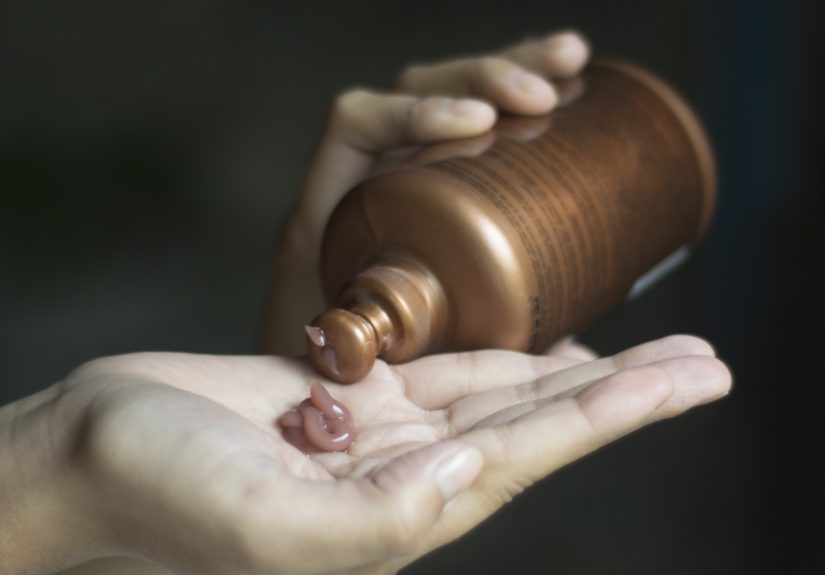
- Moisturize immediately after bathing (within a few minutes). Thicker is often better: ointments > creams > lotions.
- Switch to fragrance-free laundry products and skip fabric softener if you’re itchy.
- Run a humidifier if indoor air is dryespecially in winter.
- Wear soft, breathable fabrics (cotton beats scratchy wool when you’re already itchy).
Step 2: Calm the itch signal
- Cool compresses for flare-ups.
- Colloidal oatmeal bath or lukewarm soak (not hot).
- Keep nails short and consider cotton gloves at night if you scratch in your sleep.
- Try “press, don’t scratch”: firm pressure or tapping can reduce itch without damaging the skin.
Step 3: Over-the-counter options (when skin care alone isn’t enough)
- Anti-itch lotions with pramoxine, menthol/camphor, or calamine can reduce itch sensations.
- 1% hydrocortisone may help short-term if there’s mild inflammation (use sparingly and follow label directions).
- Oral antihistamines can help in some itch types (especially allergy-related), but some cause drowsinessuse caution with driving and daytime tasks.
Step 4: Prescription and condition-specific treatments
If itching is persistent or tied to a systemic cause, treatment works best when it targets the underlying issue. Depending on the cause, a clinician might consider:
- Prescription topical therapies for dermatitis/eczema patterns (stronger anti-inflammatory creams or non-steroid options).
- Phototherapy for certain chronic itch conditions.
- Neuropathic itch treatments (medications that calm nerve signaling may be used in selected cases).
- Cholestatic itch treatments with a stepwise approach; bile acid-binding medications are often first-line, with other options used if needed.
- CKD-associated pruritus treatments may include targeted therapies for moderate-to-severe itch in people on hemodialysis, plus other supportive options.
Prevention: how to avoid future “mystery itch” episodes
- Moisturize daily (especially after bathing) even when you feel finethink of it as maintenance, like brushing your teeth.
- Avoid fragrance-heavy products if you’re sensitive.
- Keep showers shorter and cooler than your instincts want.
- Address stress and sleepyour nervous system is part of the itch circuit.
- If itch returns in a pattern, track triggers (new foods, meds, products, travel, water hardness, weather changes).
Conclusion
Itchy skin with no rash is commonand often fixable. Dry skin, irritants, and hot showers are frequent causes, but persistent or widespread itch deserves a more careful look.
Pay attention to patterns, support your skin barrier, and don’t hesitate to seek medical care when red flags show up. Your skin may look calm, but your nerves are clearly filing complaints.
The goal is to stop the complaint at the sourcewithout turning your body into a scratch-off lottery ticket.
Experiences: What Itchy Skin No Rash Feels Like in Real Life (and What People Try)
If you’ve ever had itchy skin with no rash, you already know the strangest part: it can feel wildly intense while your skin looks… completely normal.
Many people describe it as an “invisible sweater made of fiberglass” or a “mosquito bite that forgot to show up.” The mismatch can be frustrating
not only because it’s uncomfortable, but because it can make you wonder if you’re imagining it. You’re not. Itch is a real nerve signal, and it can be loud.
One of the most common experiences is the winter itch scenario: you take a hot shower (because it’s cold and you deserve joy),
then you towel off andbamyour legs start itching like they’re auditioning for a percussion section. People often notice it’s worst on the shins and calves,
especially in dry indoor air. The first instinct is to scratch. The second instinct is to scratch harder. The third instinct is to wonder why lotion feels like it “does nothing.”
What usually helps in this scenario is switching to lukewarm showers, moisturizing immediately after bathing with a thicker product, and adding a humidifier at night.
It’s not glamorous, but neither is doing the “itchy leg dance” in your hallway at midnight.
Another real-life pattern is the “new product, new itch” mystery. Someone changes laundry detergent, tries a new scented body wash, or starts using a “clean”
essential-oil-heavy lotion. Nothing looks red. No hives. Just itchespecially where clothes rub: waistbands, underarms, bra lines, inner thighs.
People often fix this by doing a brief “product reset”: fragrance-free detergent, skipping fabric softener, and using a simple cleanser and moisturizer for a couple of weeks.
If the itch fades, that’s a very loud clue.
Some people notice itch that ramps up with stress. The skin still looks normal, but the sensation feels sharper and harder to ignore during anxious periods.
The experience is often described as “my skin is buzzing.” When stress is part of the picture, practical strategiescool compresses, distractions, breathing exercises,
and sleep supportcan make the itch feel less amplified. It doesn’t mean the itch is “in your head.” It means your nervous system and your skin are on the same group chat.
Then there’s the oddly specific experience of itch after bathing with no rashsometimes immediately, sometimes within minutes.
People describe stepping out of the shower and feeling prickly all over, even though the skin looks totally fine. In many cases, dryness and hot water are the drivers.
In rarer cases, a clinician may consider conditions like aquagenic pruritus, especially if it happens consistently and intensely.
Either way, people often experiment with cooler showers, shorter time under water, gentle cleansers, and immediate moisturizingand many notice at least partial relief.
A final common experience is the “nighttime itch spiral.” The day is manageable, but once you’re in bed, the itch gets louder.
People may scratch in their sleep and wake up with little scabseven though they never saw a rash. Helpful habits here tend to be boring-but-effective:
moisturizing before bed, keeping the bedroom cool, wearing breathable pajamas, trimming nails, and using a humidifier.
If the itch keeps you up night after night, that’s also a good reason to get checkedbecause sleep deprivation makes everything worse, including itch.
The big takeaway from these experiences: itch without a rash is common, real, and often responsive to smart skin care plus pattern tracking.
And if it isn’t improvingespecially after a few weeks of good barrier caregetting medical guidance can turn a vague mystery into an actual plan.