Table of Contents >> Show >> Hide
- Why Make a Whole Chicken in the Instant Pot?
- Instant Pot Whole Chicken Recipe Overview
- Ingredients for Instant Pot Whole Chicken
- How to Make Instant Pot Whole Chicken
- Step 1: Prepare the Chicken
- Step 2: Season Generously
- Step 3: Stuff with Aromatics
- Step 4: Add Liquid and Trivet
- Step 5: Place the Chicken in the Pot
- Step 6: Pressure Cook
- Instant Pot Whole Chicken Cook Time Chart
- Step 7: Let the Pressure Release Naturally
- Step 8: Check the Internal Temperature
- Step 9: Optional Broil for Crispy Skin
- How to Make It Taste Like Rotisserie Chicken
- Fresh vs. Frozen Whole Chicken
- Best Seasoning Variations
- What to Serve with Instant Pot Whole Chicken
- How to Store Leftovers
- Best Ways to Use Leftover Instant Pot Chicken
- Common Mistakes to Avoid
- Frequently Asked Questions
- Extra Experience Notes: What I’ve Learned Making Instant Pot Whole Chicken
- Conclusion
There are two kinds of weeknight cooks: the people who lovingly roast a chicken for two hours while sipping something sparkling, and the rest of us, who remember dinner exists at 5:47 p.m. and would like a miracle with a lid. Enter the Instant Pot whole chicken recipe: juicy, tender, deeply seasoned, and ready without heating up the whole kitchen like a tiny poultry sauna.
This recipe gives you the comfort of rotisserie-style chicken with the convenience of pressure cooking. The meat turns moist enough for dinner, meal prep, chicken salad, tacos, soups, rice bowls, and the noble midnight forkful straight from the fridge. The skin will not become oven-roasted crispy inside the pressure cooker, because steam is not a magician with a blowtorch. But a quick broil at the end fixes that beautifully.
Below, you’ll find a complete guide to making a flavorful whole chicken in the Instant Pot, including seasoning ideas, cooking times by weight, troubleshooting tips, leftover uses, and real-world experience notes that make the difference between “nice chicken” and “why did I ever buy dry supermarket rotisserie again?”
Why Make a Whole Chicken in the Instant Pot?
The Instant Pot is excellent for whole chicken because pressure cooking surrounds the bird with steam, broth, aromatics, and seasoning. Instead of slowly drying out in hot air, the chicken cooks in a sealed environment that helps keep the meat tender. This is especially useful for white meat, which has a dramatic personality and likes to become dry if ignored for approximately twelve seconds.
A pressure cooker whole chicken is also practical. You can cook one bird and turn it into several meals. Serve the thighs and drumsticks for dinner, slice the breast meat for sandwiches, shred leftovers for soup, and save the bones for broth. It is budget-friendly, low-waste, and perfect for busy families, meal preppers, or anyone who wants homemade food without assembling a 14-pan dinner situation.
Instant Pot Whole Chicken Recipe Overview
This recipe uses a simple savory spice rub, chicken broth, lemon, garlic, onion, and herbs. The chicken cooks on a trivet so it stays above the liquid instead of boiling directly in it. The pressure cooking does the heavy lifting, then a short rest helps the juices settle before carving.
Recipe Snapshot
- Prep time: 10–15 minutes
- Pressure cook time: About 6 minutes per pound
- Natural release: 10–15 minutes
- Best chicken size: 3 to 5 pounds
- Doneness temperature: 165°F in the thickest part of the thigh
- Optional finish: Broil 4–6 minutes for crispier skin
Ingredients for Instant Pot Whole Chicken
You do not need fancy ingredients for this recipe. The trick is balance: salt for flavor, aromatics for depth, paprika for color, herbs for that cozy roast-chicken aroma, and broth for steam.
Main Ingredients
- 1 whole chicken, 3 to 5 pounds, giblets removed
- 1 cup low-sodium chicken broth or water
- 1 tablespoon olive oil or melted butter
- 1 lemon, halved
- 1 small onion, quartered
- 4 garlic cloves, smashed
- 2 teaspoons kosher salt
- 1 teaspoon black pepper
- 2 teaspoons smoked paprika or sweet paprika
- 1 teaspoon garlic powder
- 1 teaspoon onion powder
- 1 teaspoon dried thyme
- 1 teaspoon dried rosemary or Italian seasoning
- Optional: 1/2 teaspoon poultry seasoning
Optional Flavor Boosters
Add fresh rosemary, thyme, sage, celery, bay leaves, or a splash of apple cider vinegar to the pot. For a brighter flavor, squeeze lemon juice over the finished chicken. For deeper color, mix a pinch of brown sugar into the spice rub. Just do not add too much sugar if you plan to sear first, because sugar can scorch faster than your patience on a Monday.
How to Make Instant Pot Whole Chicken
Step 1: Prepare the Chicken
Remove the chicken from its packaging and check the cavity for giblets. Pat the chicken very dry with paper towels. Drying the surface helps the seasoning stick and improves browning if you decide to broil or sauté the chicken later. Do not rinse raw chicken, because splashing water can spread bacteria around the sink and nearby surfaces.
Step 2: Season Generously
Rub the chicken with olive oil or melted butter. In a small bowl, combine salt, pepper, paprika, garlic powder, onion powder, thyme, rosemary, and poultry seasoning. Sprinkle the mixture all over the chicken, including the underside. If you can gently loosen the skin over the breast, rub a little seasoning under the skin as well. That is where flavor goes from “pleasant” to “please leave me alone with this plate.”
Step 3: Stuff with Aromatics
Place the lemon halves, onion quarters, and smashed garlic cloves inside the cavity. This will not make the chicken taste aggressively lemony or garlicky. Instead, it perfumes the meat from the inside and adds flavor to the broth below.
Step 4: Add Liquid and Trivet
Pour 1 cup of chicken broth into the Instant Pot insert. Add the trivet. The liquid is necessary for pressure cooking because steam creates the pressure. The trivet keeps the chicken elevated so it cooks evenly without sitting directly in the broth.
Step 5: Place the Chicken in the Pot
Set the chicken on the trivet, breast side up. Some cooks prefer breast side down for extra-moist breast meat, but breast side up keeps the presentation prettier and makes removing the chicken easier. Use whichever matters more to you: beauty or maximum juiciness. No judgment. Chicken is not a runway model.
Step 6: Pressure Cook
Secure the lid and set the valve to sealing. Cook on high pressure using the timing guide below. A reliable general rule is about 6 minutes per pound for a fresh whole chicken, followed by a natural release. The Instant Pot will also need time to come to pressure before the countdown begins, usually around 10–15 minutes depending on the chicken size and temperature.
Instant Pot Whole Chicken Cook Time Chart
| Chicken Weight | High Pressure Cook Time | Natural Release |
|---|---|---|
| 3 pounds | 18 minutes | 10–15 minutes |
| 3.5 pounds | 21 minutes | 10–15 minutes |
| 4 pounds | 24 minutes | 10–15 minutes |
| 4.5 pounds | 27 minutes | 10–15 minutes |
| 5 pounds | 30 minutes | 10–15 minutes |
Step 7: Let the Pressure Release Naturally
When the cook time ends, let the pressure release naturally for 10–15 minutes. This helps the chicken stay tender and reduces the chance of juices rushing out. After that, carefully turn the valve to venting to release any remaining pressure.
Step 8: Check the Internal Temperature
Use an instant-read thermometer to check the thickest part of the thigh, avoiding the bone. The chicken is safe to eat when it reaches 165°F. If it is not there yet, return the lid and cook for another 3–5 minutes on high pressure, then release pressure again.
Step 9: Optional Broil for Crispy Skin
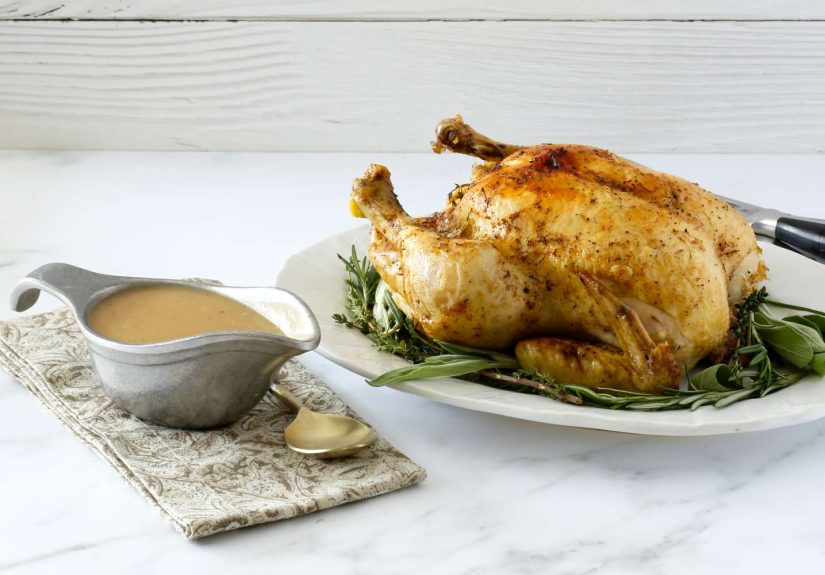
Pressure-cooked chicken skin will be soft. That is normal. For a golden finish, transfer the cooked chicken to a foil-lined baking sheet and broil it for 4–6 minutes. Watch closely because broilers have two emotional settings: “nothing is happening” and “everything is charcoal.”
How to Make It Taste Like Rotisserie Chicken
For a rotisserie-style Instant Pot whole chicken, focus on the spice rub. Use paprika for color, garlic powder and onion powder for savory depth, dried thyme or rosemary for classic roast flavor, and enough salt to season the meat properly. A little oil helps the spices bloom and cling to the skin.
If you want a store-bought rotisserie vibe, add a pinch of celery salt, dried parsley, and a tiny amount of brown sugar. The sugar is not there to make the chicken sweet; it rounds out the spices and helps the skin brown under the broiler.
Fresh vs. Frozen Whole Chicken
A fresh or fully thawed chicken gives the best texture and most predictable timing. You can cook a frozen whole chicken in an Instant Pot only if the giblets have already been removed and the bird fits safely in the pot. Frozen chicken usually needs more time, often closer to 8–10 minutes per pound, depending on size and shape.
For the best results, thaw the chicken in the refrigerator before cooking. This allows you to remove giblets, season under the skin, add aromatics, and cook more evenly. A frozen solid bird is convenient, but a thawed bird is easier to flavor. The seasoning cannot exactly march through ice wearing tiny boots.
Best Seasoning Variations
Lemon Herb Whole Chicken
Use lemon, garlic, rosemary, thyme, parsley, salt, pepper, and a little olive oil. This version is bright, classic, and excellent with roasted potatoes, green beans, rice pilaf, or a crisp salad.
Smoky Paprika Chicken
Use smoked paprika, garlic powder, onion powder, black pepper, oregano, and a pinch of cayenne. This variation works beautifully for tacos, burrito bowls, quesadillas, and chicken sandwiches.
Garlic Butter Chicken
Mix softened butter with minced garlic, parsley, thyme, salt, and pepper. Rub it under the skin and over the surface. The butter adds richness and gives the finished chicken a Sunday-dinner personality, even if you are eating it on a Tuesday while answering emails.
BBQ-Inspired Chicken
Use smoked paprika, chili powder, garlic powder, onion powder, mustard powder, salt, pepper, and a little brown sugar. After pressure cooking, brush with barbecue sauce and broil until sticky and lightly caramelized.
What to Serve with Instant Pot Whole Chicken
This chicken is flexible enough for almost any side dish. For a classic comfort meal, serve it with mashed potatoes, gravy, and green beans. For a lighter dinner, pair it with a big salad, steamed vegetables, or cauliflower rice. For meal prep, shred the meat and serve it with rice, roasted vegetables, pasta, tortillas, or grain bowls.
The cooking liquid at the bottom of the pot is liquid gold. Strain it and use it as a quick jus, soup base, or cooking liquid for rice. If you want gravy, use the sauté function to simmer the liquid, then whisk in a cornstarch slurry made with 1 tablespoon cornstarch and 1 tablespoon cold water. Cook until glossy and thickened.
How to Store Leftovers
Let the chicken cool slightly, then remove the meat from the bones. Store leftovers in an airtight container in the refrigerator for up to 3–4 days. For longer storage, freeze shredded or sliced chicken in freezer-safe bags or containers for up to 2–3 months.
For easy meal prep, divide the meat into portions before refrigerating or freezing. Keep some sliced for sandwiches, some shredded for soups, and some chopped for salads. Future you will feel extremely organized, even if current you is eating over the cutting board.
Best Ways to Use Leftover Instant Pot Chicken
- Chicken noodle soup with carrots, celery, and egg noodles
- Chicken tacos with lime, salsa, avocado, and cabbage
- Chicken salad with celery, herbs, Greek yogurt, or mayonnaise
- BBQ chicken sandwiches with slaw
- Chicken fried rice with peas, carrots, and scrambled egg
- Buffalo chicken wraps
- Chicken pot pie filling
- Protein bowls with quinoa, greens, and roasted vegetables
- Creamy chicken pasta
- Homemade chicken broth from the bones
Common Mistakes to Avoid
Using Too Little Liquid
The Instant Pot needs liquid to build pressure. Always add at least 1 cup of broth or water for this recipe. Thick sauces alone are not ideal because they may trigger a burn warning.
Skipping the Thermometer
Cooking time charts are helpful, but chicken size, shape, starting temperature, and pot model can change the result. A thermometer is the best way to know your chicken is fully cooked without turning it into poultry jerky.
Quick-Releasing Immediately
A full quick release can make the meat tighten and lose more juice. Natural release gives the chicken a calmer finish. Think of it as a tiny spa appointment after pressure-cooking boot camp.
Expecting Crispy Skin from Pressure Cooking Alone
The Instant Pot makes juicy chicken, not crisp skin. If you want that golden rotisserie-style exterior, use the broiler or an air fryer lid after cooking.
Frequently Asked Questions
Can I sear the chicken first?
Yes, but it can be awkward to flip a whole chicken inside the Instant Pot. If you want deeper color, use the sauté function with a little oil and sear the breast side for 3–4 minutes before pressure cooking. For easier handling, skip the pre-sear and broil after cooking instead.
Can I cook vegetables with the chicken?
You can add sturdy aromatics like onion, garlic, celery, and carrots to the bottom of the pot for flavor. However, vegetables cooked for the full chicken time may become very soft. If you want firm vegetables, cook them separately or add them after the chicken is done and use the sauté function briefly.
What size Instant Pot do I need?
A 6-quart Instant Pot usually fits a 3- to 4.5-pound chicken. An 8-quart model is better for larger birds. The chicken should fit comfortably without blocking the lid or pressure valve.
Can I make broth after cooking?
Absolutely. After removing the meat, return the bones to the pot with water, onion, celery, carrots, bay leaves, and peppercorns. Pressure cook for about 60–90 minutes, then strain. You will get a rich homemade chicken broth that makes soups, rice, and sauces taste like you tried much harder than you did.
Extra Experience Notes: What I’ve Learned Making Instant Pot Whole Chicken
The first thing experience teaches you about making a whole chicken in the Instant Pot is that size matters more than optimism. A 5-pound chicken may technically fit in a 6-quart pot, but if you have to wrestle it into place like you are packing a suitcase five minutes before leaving for the airport, choose a smaller bird. A 3.5- to 4-pound chicken is the sweet spot for many home cooks because it fits well, cooks evenly, and is easier to lift out without performing kitchen acrobatics.
Another lesson: patting the chicken dry is not a decorative step. It really does help the seasoning cling better. When the skin is wet, the spice rub slides around and collects in random patches, creating one bite that tastes like a spice cabinet and another bite that tastes like plain chicken wearing perfume from across the room. Dry chicken skin, oil, and a well-mixed rub create a more even coating.
The trivet also makes a noticeable difference. Without it, the bottom of the chicken sits directly in liquid and can become softer than the rest. With the trivet, steam circulates around the bird, and the texture stays more balanced. If your trivet has handles, even better. Those handles help you lift the chicken out gently, which is important because pressure-cooked whole chicken can become so tender that it may try to fall apart before it reaches the cutting board.
For flavor, seasoning under the skin is worth the extra minute. The skin itself tastes great after broiling, but much of the meat is underneath, minding its own business. A little salt, garlic butter, or herb paste under the breast skin seasons the meat directly. Be gentle when loosening the skin so it does not tear. You do not need perfection; you just need a small pocket where flavor can sneak in and do useful work.
Natural release is another detail that separates good results from great ones. When I rush the release, the meat tends to feel slightly tighter. When I let the pot sit for 10–15 minutes, the chicken is noticeably juicier and easier to carve. It also makes the kitchen calmer. No dramatic steam volcano, no panic, no dog staring at the pressure valve like it has discovered weather indoors.
The broiler finish is optional, but it makes the chicken look far more appetizing. Straight from the Instant Pot, the bird may be pale and humble. Delicious, yes, but not exactly ready for a magazine cover. A few minutes under the broiler turns the skin golden and gives the chicken that “rotisserie dinner” appearance. Brush the skin with a little oil or melted butter before broiling for better color.
Finally, the leftovers may be the best part. Instant Pot whole chicken is not just one meal; it is a meal-prep starter kit. One bird can become dinner, lunch, soup, sandwiches, and broth. The trick is to remove the meat while it is still slightly warm, because it comes off the bones more easily. Store the meat in shallow containers, save the bones for stock, and congratulate yourself. You have turned one chicken into multiple meals, which is basically kitchen wizardry with fewer robes.
Conclusion
An Instant Pot whole chicken recipe is one of the easiest ways to make juicy, flavorful chicken with minimal effort. With a simple spice rub, a cup of broth, a trivet, and the right cook time, you can create tender chicken for dinner and plenty of leftovers for the week. The pressure cooker keeps the meat moist, the broiler adds color if you want crispy skin, and the leftover bones can become homemade broth. It is practical, delicious, and forgivingthe kind of recipe that earns a permanent spot in your weekly rotation.
Note: This article is written for web publication and is based on widely accepted pressure-cooking methods, recipe testing patterns, and food-safety guidance for cooking poultry to 165°F.