Table of Contents >> Show >> Hide
- Why a 4-story apartment collage is the perfect creative rabbit hole
- What “collage” means here (and why it’s not just cutting and pasting)
- The planning phase: turning vibes into a floor-by-floor blueprint
- Materials that won’t betray you in month three
- Construction: how I built a 4-story building from flat paper
- Designing the apartments like a small-space stylist
- Specific examples: what’s on each floor (and why)
- Things that went wrong (so you don’t have to repeat my choices)
- Finishing touches that make it feel alive
- How I stored it without ruining two months of work
- FAQ
- Conclusion: what two months of tiny apartments taught me
- Bonus: of Real “Two-Month” Experience (The Tiny-Build Diary)
Two months. Eight weekends. One slightly judgmental glue stick. And a growing suspicion that my neighbors were
whispering, “Is that… construction noise?” Nope. Just me, aggressively burnishing paper at 1:00 a.m. like I was
trying to summon a tiny landlord from the craft dimension.
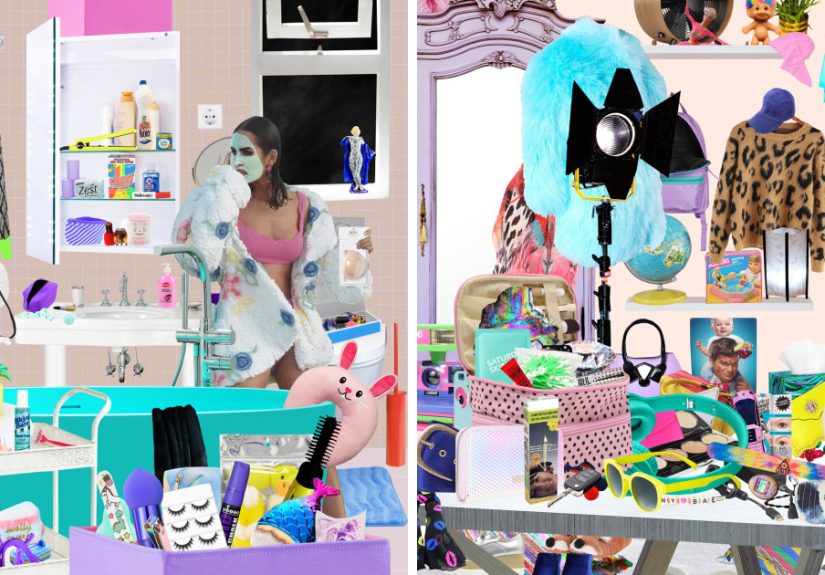
What I ended up with is a 4-story apartment collage: a cutaway building you can “read” floor by floor,
like a graphic novel where nobody can ghost you because they’re literally glued in place. It’s part miniature diorama,
part mixed-media collage, part love letter to city livingcomplete with cramped corners, questionable décor choices,
and at least one plant that’s thriving purely out of spite.
Why a 4-story apartment collage is the perfect creative rabbit hole
Collage is already a satisfying kind of chaos: you take scraps that shouldn’t belong together and somehow make them
behave. But turning it into an apartment building adds a new layer of storytellingliterally. A multi-floor structure
forces decisions. Who lives where? What do they collect? What’s on the fridge? Why is there always a single sock in
the hallway like it’s paying rent?
And the format is weirdly forgiving. In a painting, a “mistake” can scream across the canvas. In a collage, a mistake
can become a design feature with the timeless technique known as: put something else on top of it.
What “collage” means here (and why it’s not just cutting and pasting)
In the art world, collage isn’t just scissors + glue = art. It’s a method of building meaning through
found fragmentspaper, photos, printed textures, packaging, handwriting, fabric, and anything else flat
enough to negotiate with adhesive. When you add depthlayers, foam spacers, shadow-box style stagingyou drift into
mixed media territory, where the work becomes more object than image.
That’s exactly the point of this piece. The building isn’t a flat illustration of an apartment; it’s a tiny place with
depth cues, shadows, and “rooms” that feel like you could step into themif you were the size of a paperclip and had
excellent credit.
The planning phase: turning vibes into a floor-by-floor blueprint
Before I touched a blade, I planned the collage like a micro-architect. Not because I’m disciplined (I’m not),
but because four floors means four chances to paint myself into a cornerthen realize I also glued the corner down.
Step 1: Pick the building “story”
I decided the building would feel like a lived-in city walk-up: charming on the outside, chaotic on the inside.
That gave me permission to mix texturesclean “renovation” moments alongside thrift-store weirdness and
slightly mismatched patterns that say, “I moved in during a stressful week and made choices.”
Step 2: Assign each floor a purpose (and a personality)
To keep the design cohesive, I gave every floor a theme and a resident “type.” Not stereotypesmore like shorthand.
It’s the difference between “random furniture” and “someone who owns three French presses and no measuring cups.”
- Ground floor: Lobby + mailboxes + a tiny corner café (because every building deserves a main character).
- Second floor: A studio apartment with smart zoningsleep, work, and “I swear I cook” all in one room.
- Third floor: A one-bedroom with bold patterns, plants, and a reading nook that screams “Sunday reset.”
- Fourth floor: A top-floor artist space with big windows, messy energy, and an unreasonable number of scissors.
Step 3: Make a “materials map” so the textures don’t fight
A collage can look richor it can look like a paper recycling bin exploded. The difference is usually
intentional texture balance. I mapped out where glossy magazine paper would appear (framed art, window reflections),
where matte paper would dominate (walls, floors), and where high-contrast prints would be “accents,” not a riot.
Materials that won’t betray you in month three
If you’re building something layered and long-term, materials matter. Not in a precious wayjust in a
“please don’t yellow, buckle, or peel off like a sunburn” way.
Papers and boards: the foundation of tiny real estate
- Acid-free, lignin-free backing board or mat board: Great for structure and longevity.
- Heavy cardstock + lightweight decorative paper: Cardstock carries the load; decorative paper brings the drama.
- Foam board (used thoughtfully): Useful for depth, but choose adhesives carefully and test first.
The biggest upgrade I made was treating the project like it deserved stable supports: solid boards for the building shell,
and thinner papers reserved for finisheslike wallpaper, rugs, and prints.
Adhesives: choosing glue like an adult (against my will)
I used three categories of adhesive because no single glue does everything well:
-
Neutral pH PVA glue: My main workhorse for paper-to-paper and paper-to-board bonds. It dries clear and, when
used sparingly, helps prevent rippling. -
Acrylic gel medium (matte or gloss): Fantastic for collage layers and sealing edgesespecially when I needed
a little open time to nudge pieces into place. -
Spray adhesive (with ventilation): Best for large, flat “wallpaper” areas where brush-on glue might warp paper.
I used it like a responsible adult: outside, masked, and praying the wind didn’t redecorate my shirt.
The practical rule: test first. Some sprays and glues can interact with foam, certain inks, or glossy coatings.
I tested scraps and waited a day, because patience is cheaper than redoing an entire floor.
Tools that actually matter
- Self-healing cutting mat (your table deserves rights)
- Sharp craft knife + extra blades (dull blades tear paper and your spirit)
- Metal ruler (plastic rulers become “modern art” under pressure)
- Bone folder or burnisher (for crisp folds and smooth adhesion)
- Tweezers (for tiny plants, tiny books, tiny regrets)
Construction: how I built a 4-story building from flat paper
The build had two big parts: (1) the shell and floors, and (2) the interior scenes. Doing the shell first gave me a
stable object to design intolike building a stage before casting tiny paper actors.
1) The shell: sturdy, square, and emotionally supportive
I built the outer frame from thick board, then added floor plates like a stack of trays. The key was keeping everything
square. If your building is even slightly skewed at the bottom, by the fourth floor it’ll look like it survived a mild
earthquake and a dramatic breakup.
2) Depth: the secret sauce that makes it feel “real”
Depth is what turns a collage into a world. I used thin spacers (foam strips and layered board) behind walls, furniture,
and window frames to create shadows. Even a few millimeters gives the eye something to believe in.
For windows, I layered frames over darker interior shapes. For shelves, I stacked paper strips to fake thickness.
And for the staircase, I used repeated cut shapes so it reads as stepseven though it’s basically a polite optical illusion.
Designing the apartments like a small-space stylist
Here’s the funny thing: designing miniature apartments made me better at understanding real ones.
When space is limited, every object becomes a decision.
Create zones (even if the “zone” is three inches wide)
Studio layouts look believable when you separate functions: sleep, lounge, work, eat. In collage form, I used visual tricks:
rugs to define a living area, a narrow shelf as a divider, and lighting cues (paper “lamps” and brighter wall colors)
to imply different uses.
Go vertical for storage (tiny shelves, big credibility)
Real small spaces rely on vertical storagewall shelves, tall bookcases, hooks. Miniatures do too. A single vertical shelf
full of tiny books instantly signals “someone lives here,” not “I placed random rectangles for fun.”
Make the décor tell a story
Instead of filling rooms with generic “stuff,” I used specific micro-details:
a postcard taped near a desk, a mismatched mug collection, a laundry basket that looks perpetually half-full.
People don’t live in showrooms. They live in ongoing narratives.
Specific examples: what’s on each floor (and why)
Ground floor: lobby + mail + the tiniest café with the biggest attitude
The lobby sets the tone. I added mailboxes, a bulletin board, and a plant that is technically alive but emotionally tired.
The café corner has a menu board (hand-lettered, because I like suffering), two stools, and a pastry case that suggests
croissants without demanding photorealism.
Second floor: the studio apartment that does it all
This floor is a master class in pretending one room is three. The bed tucks into a corner with a curtain “divider.”
A small desk faces the window (the universal sign of optimism). The kitchen wall is compact: open shelves, a tiny
hanging rack, and a “backsplash” cut from patterned paper that looks like tile from far awaylike magic, but cheaper.
Third floor: one-bedroom, maximum comfort
Here I went cozier: warmer colors, thicker “textile” textures, and layered wall art. The living room has a reading nook
with stacked books and a floor lamp. The bedroom has a headboard detail and a side table that looks like it holds
exactly one glass of water and a life plan.
Fourth floor: artist apartment (a.k.a. the glue-fume penthouse)
The top floor is bright and messypaint splatters implied with patterned scraps, a worktable covered in “materials,”
and a wall of pinned sketches. It’s the most meta floor because it contains a miniature version of the chaos I created
while building the whole thing. Art imitating life, life imitating a glue accident.
Things that went wrong (so you don’t have to repeat my choices)
- Warping: Too much wet glue on thin paper. The fix: spread glue thin, use a brayer, and weight pieces while drying.
- Shiny glue halos: Some adhesives dry glossy. The fix: matte medium on top, or hide it with “trim” strips.
- Misalignment: Floors drift if the shell isn’t square. The fix: measure twice, glue once, cry never (optional).
- Over-detailing early: I made tiny objects before the room was finalized. The fix: build big forms first, then add the tiny flex.
- Random texture overload: Too many patterns competing. The fix: limit each room to one hero pattern and two supporting textures.
- Sticky fingerprints: The signature of an overconfident crafter. The fix: wash hands, use tweezers, and accept your fate.
- Edge lifting: Corners peel when rushed. The fix: seal edges with gel medium and burnish like you mean it.
Finishing touches that make it feel alive
The final 10% of the project took 40% of the time (a classic creative math problem). The details that mattered most:
- Consistent lighting logic: Brighter “windows,” darker corners, and intentional shadow depth.
- Micro text: Tiny signage, book spines, labelsused sparingly so it reads as texture, not clutter.
- Edge cleanup: A thin border strip can hide seams and instantly look “architectural.”
How I stored it without ruining two months of work
Once you’ve made a layered paper piece, storage is part of the art. I treated it like something worth keeping:
kept it away from humidity, direct sunlight, and anything that might press into the surface. I also avoided letting
sticky materials or questionable plastics touch it. If you want it to last, think “stable, dry, supported, and not
living next to a radiator.”
FAQ
Is this a collage, a diorama, or a model?
Yes. It’s a collage in technique, a diorama in depth, and a model in structurebasically a creative chimera that refuses
to pick one lane.
Do you need fancy materials?
You can start with what you have. But if you want longevity and less warping, stable boards and neutral-pH adhesives
make a real difference.
How do you keep paper from buckling?
Thin glue layers, quick burnishing, and drying under light weight. Also: avoid soaking paper like it owes you money.
Conclusion: what two months of tiny apartments taught me
This 4-story apartment collage started as a “fun idea” and turned into a crash course in patience, composition, and
the emotional range of adhesives. It taught me that small spacesreal or paperwork best when every element has a job.
And it reminded me why people love miniature worlds: they’re controllable, they’re story-rich, and nobody can raise the rent
unless you draw them doing it.
If you’re thinking of making your own, start simple: one room, one story, one floor. Then, when you inevitably get hooked,
go ahead and build the whole building. Just… buy extra blades. Trust me.
Bonus: of Real “Two-Month” Experience (The Tiny-Build Diary)
Week one was pure optimism. I sketched a neat little façade and told myself, “This will be relaxing.” That’s how you know
a project is about to humble you. By the end of week two, I had learned that rulers are not suggestions and that “eyeballing it”
is a lifestyle choice with consequences. My first stairwell looked less like a staircase and more like a paper accordion having
a nervous breakdown.
In week three, I entered the Great Wallpaper Era. I discovered that the tiniest pattern can turn into the loudest argument
if you use it on three different walls. I also learned that spray adhesive has a personality: it’s helpful until it isn’t,
and then it’s on your elbow forever. I spent a full evening fixing a single wall panel because I laid it down one millimeter
crookedan amount so small it shouldn’t matter, except it absolutely does when everything is squared and stacked four floors high.
Week four was when the project got emotionally attached. I started making tiny “life” detailsmail, a poster, a little mug
and suddenly the building felt inhabited. It’s ridiculous how quickly a human brain will anthropomorphize a rectangle if you glue
a smaller rectangle to it and call it a book.
Week five brought the first real crisis: warping. I used too much wet glue on a floor and watched it ripple like a sad little
ocean. I fixed it by re-backing the floor with thicker board and telling myself this was a “design evolution,” which is what we call
mistakes when we want to keep our confidence intact.
In week six, I got faster, but also bolderwhich is dangerous. I attempted a tiny gallery wall of framed art and realized halfway through
that my “frames” weren’t the same size. I kept going anyway because that’s also realistic: no one’s gallery wall is perfect, and if it is,
they probably own a level and enjoy using it at parties.
Week seven was the glow-up. I cleaned edges, added trim, sealed corners, and suddenly everything looked intentional. The building stopped feeling
like a craft project and started feeling like a small architectural object. That’s when I took too many photos and considered making a listing:
“Charming four-story walk-up, one-of-a-kind, quiet neighbors, zero HOA fees, absolutely no pets unless they are paper.”
Week eight was closureliterally. I did final touch-ups, reinforced delicate pieces, and set it somewhere safe. I expected to feel “done.”
Instead, I felt the itch to build another one, because making tiny worlds is the kind of satisfying that doesn’t end when you finish. It just
changes shape into the next idea. Two months later, I didn’t just have a 4-story apartment collageI had proof that patience can be built, layer by layer,
as long as you keep your blades sharp and your sense of humor sharper.