Table of Contents >> Show >> Hide
- Before You Wash: Read the Care Label Like It Owes You Money
- Can You Wash Curtains with Metal Hooks or Grommets?
- What You Need
- Step-by-Step: How to Wash Curtains with Metal Hooks or Grommets in the Washing Machine
- Step 1: Take the Curtains Down Carefully
- Step 2: Remove All Loose Metal Hardware
- Step 3: Vacuum or Brush Off Dust First
- Step 4: Treat Stains Before Washing
- Step 5: Protect the Grommets
- Step 6: Choose the Right Washer Settings
- Step 7: Use Mild Detergent, Not a Soap Opera
- Step 8: Wash One or Two Panels at a Time
- Step 9: Remove Curtains Promptly
- Step 10: Air Dry Whenever Possible
- How to Wash Curtains by Fabric Type
- Common Mistakes to Avoid
- How Often Should You Wash Curtains?
- How to Prevent Wrinkles After Washing
- What If the Metal Grommets Make Noise in the Washer?
- What If the Grommets Rust?
- Can You Put Curtains with Metal Grommets in the Dryer?
- Extra Experience-Based Tips for Washing Curtains with Metal Hooks or Grommets
- Conclusion
- SEO Tags
Curtains work hard. They block sunlight, soften a room, hide whatever mysterious object is sitting on the windowsill, and quietly collect dust like they are training for the household lint Olympics. If your curtains have metal hooks or grommets, washing them can feel slightly more dramatic than washing a normal load of laundry. Nobody wants a washing machine that sounds like a toolbox falling down the stairs.
The good news is simple: many curtains with metal hooks or grommets can be washed in a washing machine, as long as the fabric is washable, the hardware is handled properly, and the cycle is gentle enough to avoid turning your lovely panels into wrinkled fabric lasagna. The key is not speed. The key is preparation.
This guide explains how to wash curtains with metal hooks, rings, eyelets, or grommets in the washing machine without damaging the fabric, scratching the washer drum, shrinking the panels, or losing half the hardware in the laundry abyss.
Before You Wash: Read the Care Label Like It Owes You Money
The first rule of curtain washing is not glamorous, but it is powerful: check the care label. Curtains may look sturdy, but some are lined, coated, embroidered, pleated, weighted, or made from fabric that prefers dry cleaning over a spin cycle adventure.
If the label says dry clean only, do not machine wash the curtains. Water, detergent, and agitation can shrink the outer fabric, distort the lining, loosen backing, or create puckering between layers. This is especially common with blackout curtains, velvet drapes, silk panels, wool blends, lined draperies, and structured pinch-pleat styles.
If the label says machine washable, you can usually proceed with care. If the label is missing, treat the curtain as delicate. When in doubt, test a hidden corner with cool water and a tiny amount of mild detergent. Blot with a white cloth. If color transfers, fabric wrinkles oddly, or the backing becomes sticky, skip the machine and choose spot cleaning or professional cleaning.
Can You Wash Curtains with Metal Hooks or Grommets?
Yes, but the answer depends on the hardware. Metal curtain hooks, detachable rings, pins, clips, and weights should be removed before washing. These loose pieces can snag the fabric, rust, bend, disappear into the washer, or create the kind of clanking noise that makes everyone in the house ask, “Is the laundry alive?”
Metal grommets are different. Grommets are usually fixed into the top of the curtain panel, so you often cannot remove them without damaging the curtain. In that case, they can stay in place if the curtain itself is machine washable. The trick is to protect both the grommets and the washing machine by using a mesh laundry bag, a pillowcase, or towels as a buffer.
Metal Hooks vs. Metal Grommets: What Is the Difference?
Metal hooks are removable pieces that attach curtains to rings or rods. They should always come out before washing. Metal grommets, also called eyelets, are round metal openings built into the curtain header. They help the curtain slide directly onto the rod. Since grommets are usually permanent, the goal is to cushion them during the wash.
What You Need
- Mild laundry detergent
- Large mesh laundry bag, pillowcase, or washable duvet cover
- Clean towels for balancing and cushioning
- Soft brush, lint roller, or vacuum with upholstery attachment
- Stain remover suitable for the curtain fabric
- Drying rack, clothesline, or clean curtain rod for air drying
- Steamer or iron, if allowed by the care label
Step-by-Step: How to Wash Curtains with Metal Hooks or Grommets in the Washing Machine
Step 1: Take the Curtains Down Carefully
Remove one panel at a time. Avoid yanking the curtain off the rod because that can stretch the header, bend hooks, or loosen grommets. If the curtains are dusty, take them outside and give them a gentle shake. This is also a great moment to discover that your “clean” curtains were secretly hosting a dust convention.
Step 2: Remove All Loose Metal Hardware
Take out hooks, clips, rings, pins, and detachable weights. Place them in a small container or zip-top bag so they do not vanish. Do not toss loose hooks into the washer. They can poke holes in fabric, scrape the washer drum, or get trapped in the machine.
If your curtains have sewn-in metal grommets, leave them in place. Check each grommet to make sure it is secure. If any ring is loose, cracked, rusty, or pulling away from the fabric, do not machine wash the panel until the hardware is repaired.
Step 3: Vacuum or Brush Off Dust First
Washing heavily dusty curtains without removing loose debris first can create muddy-looking streaks. Use a vacuum upholstery attachment, soft brush, or lint roller from top to bottom. Pay close attention to the header, pleats, hems, and the fabric around grommets, where dust loves to sit like it pays rent.
Step 4: Treat Stains Before Washing
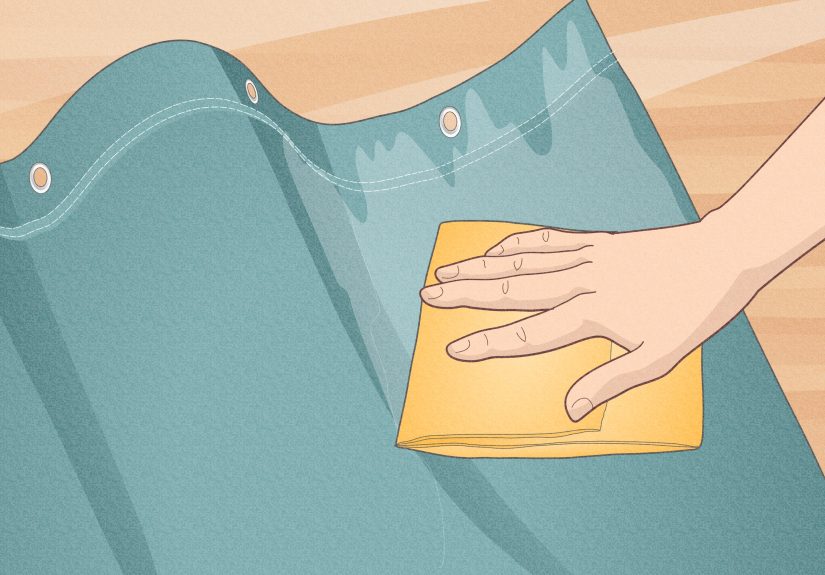
Spot-treat stains with a small amount of mild detergent or fabric-safe stain remover. Dab gently instead of scrubbing. Scrubbing can fade color, roughen fibers, or distort delicate weaves. For oily fingerprints near the edges, use a tiny amount of detergent mixed with cool water, then blot with a clean white cloth.
For mildew spots, check whether the fabric can tolerate oxygen-based cleaners. Avoid chlorine bleach unless the curtain is white, washable, and the care label clearly allows it. Bleach can weaken fibers, strip color, and leave curtains looking less “fresh and bright” and more “science experiment gone wrong.”
Step 5: Protect the Grommets
If the curtains have fixed metal grommets, fold the top section inward so the rings are cushioned by fabric. Place the panel inside a large mesh laundry bag or clean pillowcase. If the curtain is too large, use a washable duvet cover or tie the top section loosely inside a pillowcase while leaving enough room for water to move through the fabric.
Add one or two clean towels to the washer. Towels help balance the load and reduce hard metal-on-drum contact. Do not overload the washer. Curtains need room to move, rinse, and release dirt. A packed washer will clean poorly and leave wrinkles that look like they were designed by a frustrated accordion.
Step 6: Choose the Right Washer Settings
Select a delicate, hand-wash, or gentle cycle. Use cool or lukewarm water, depending on the care label. Hot water can shrink cotton, damage linings, loosen adhesives, fade colors, and encourage wrinkling.
Choose a low or medium spin speed if your washer allows it. A high-speed spin can twist large curtain panels tightly around themselves, especially if they have grommets. That twisting can strain seams and create deep wrinkles.
Step 7: Use Mild Detergent, Not a Soap Opera
Use a small amount of mild laundry detergent. Curtains are large, but they are not usually as dirty as gym clothes or muddy towels. Too much detergent can leave residue, attract dust faster, and make fabric feel stiff.
Skip fabric softener unless the label specifically allows it. Some softeners can coat fibers, affect flame-resistant finishes, or leave buildup on synthetic fabrics. For most curtains, clean rinsing matters more than perfume-level fragrance.
Step 8: Wash One or Two Panels at a Time
Wash curtains in small loads. One large panel or two lightweight panels is usually enough for a home washer. Heavy drapes, wide blackout curtains, or floor-length panels may require a commercial washer at a laundromat. If the curtain fills the washer more than halfway before water is added, it is probably too much.
Step 9: Remove Curtains Promptly
As soon as the cycle ends, remove the curtains. Letting damp curtains sit in the washer causes wrinkles, musty odors, and sometimes color transfer. Shake each panel gently to loosen creases and separate the layers.
Step 10: Air Dry Whenever Possible
Air drying is usually the safest choice for curtains with metal grommets or hooks. Hang the panels over a sturdy drying rack, clothesline, shower rod, or directly back on the curtain rod if they are only damp and not dripping. Place towels underneath if needed.
If the care label allows machine drying, use low heat or a no-heat air-fluff setting. Remove the curtains while slightly damp to prevent baked-in wrinkles. Avoid high heat, especially with polyester, lined curtains, blackout backing, or metal grommets. Heat can warp backing, shrink fabric, and make metal parts hot enough to be unpleasant to touch.
How to Wash Curtains by Fabric Type
Polyester Curtains
Polyester curtains are among the easiest to machine wash. Use cool water, a gentle cycle, mild detergent, and low or no heat for drying. Polyester can hold wrinkles if overheated, so remove it promptly and rehang while slightly damp.
Cotton Curtains
Cotton curtains may be washable, but they can shrink if exposed to hot water or high dryer heat. Wash in cool water and air dry. If ironing is needed, use the correct heat setting and press on the reverse side when possible.
Linen Curtains
Linen has a relaxed, elegant look, which is a polite way of saying it wrinkles whenever it feels like expressing itself. Wash only if the label allows it. Use cool water, gentle agitation, and air drying. Steam lightly after hanging.
Sheer Curtains
Sheers need extra care because they can snag, stretch, or tear. Remove all hooks, place the panels in a mesh bag, wash with cool water on delicate, and air dry. Never overload the machine with sheers.
Blackout Curtains
Blackout curtains can be tricky. Some have foam or acrylic backing that may crack, peel, or stick if machine washed or dried with heat. Always check the label. If washing is allowed, use cool water, a gentle cycle, and air dry away from direct heat.
Common Mistakes to Avoid
- Washing dry-clean-only curtains: This can shrink fabric or ruin linings.
- Leaving hooks attached: Loose metal hooks can snag fabric and damage the washer.
- Using hot water: Heat can fade, shrink, or distort many curtain fabrics.
- Overloading the washer: Crowded curtains do not rinse well and wrinkle badly.
- Using too much detergent: Residue makes curtains stiff and attracts dust.
- High-heat drying: This can shrink fabric, damage backing, or make grommets too hot.
- Ignoring rust: Rusty grommets can stain fabric during washing.
How Often Should You Wash Curtains?
Most curtains benefit from a full cleaning every few months, depending on the room. Kitchen curtains, bathroom curtains, nursery curtains, and curtains in homes with pets, smokers, open windows, or allergy-sensitive family members may need more frequent cleaning. In between washes, vacuum or dust the panels every couple of weeks.
If your curtains smell stale, show visible dust, have pet hair, or release a little cloud when you shake them, that is their dramatic way of saying, “Please help.”
How to Prevent Wrinkles After Washing
The best wrinkle strategy begins before drying. Remove curtains from the washer immediately, shake them out, smooth the fabric with your hands, and hang them while slightly damp. Gravity will do much of the work. For stubborn wrinkles, use a garment steamer after the curtains are hanging.
If ironing is safe for the fabric, iron on the reverse side and avoid pressing directly over metal grommets. For delicate fabrics, place a clean cotton cloth between the iron and curtain. This prevents shine marks and protects decorative finishes.
What If the Metal Grommets Make Noise in the Washer?
A little clinking is normal. A thunderstorm inside the washer is not. If the grommets bang loudly, stop the machine and adjust the load. Add towels, place the curtain in a larger protective bag, or wash only one panel at a time. The goal is to cushion the metal and keep the load balanced.
What If the Grommets Rust?
Do not machine wash curtains with rusty grommets. Rust can bleed into the fabric and leave orange-brown stains that are difficult to remove. Try cleaning the metal carefully by hand first, keeping moisture away from the fabric as much as possible. If the rust is severe, replace the grommets or consult a curtain repair service.
Can You Put Curtains with Metal Grommets in the Dryer?
Sometimes, but air drying is safer. If the label allows tumble drying, use low heat or air fluff. Remove the curtains while slightly damp and hang them immediately. Never use high heat on curtains with plastic lining, blackout backing, delicate fabric, or questionable metal hardware.
Extra Experience-Based Tips for Washing Curtains with Metal Hooks or Grommets
After washing many styles of curtains over the years, one lesson stands out: curtains are big, awkward, and surprisingly opinionated. A pillowcase trick that works beautifully for a small sheer panel may not work at all for a heavy living room drape with chunky grommets. The best approach is to match the method to the curtain, not force every panel through the same laundry routine.
For lightweight grommet curtains, folding the header inward and placing the top portion in a pillowcase usually works well. The fabric still gets clean, but the metal rings do not slap directly against the washer drum. For longer panels, a large mesh laundry bag is better because it gives the curtain more room to move. If the bag is too tight, the curtain may come out with sharp creases along the folds.
Another useful habit is washing curtains early in the day. Curtains often need several hours to air dry, especially if they are thick or lined. Washing them at night sounds productive until you realize your living room windows are bare and the neighbors now have a front-row seat to your snack choices. Morning washing gives the panels time to dry and lets you rehang them before evening.
For homes with pets, vacuuming before washing is not optional. Pet hair can cling to damp fabric and form little clumps that survive the wash like tiny furry villains. A lint roller, rubber glove, or upholstery brush can remove a surprising amount of hair before the curtains go into the machine. This also helps protect the washer filter.
One of the biggest mistakes people make is using too much detergent. It feels logical because curtains are large, but excess detergent does not mean extra clean. It often means extra rinsing, stiffness, and dull fabric. A modest amount of mild detergent is enough for most curtain loads, especially if you already vacuumed and spot-treated the fabric.
When rehanging damp curtains, smooth the fabric with clean hands from top to bottom. Line up the grommets neatly on the rod and spread the folds evenly. This simple step helps the curtains dry in their natural shape. It also reduces the need for ironing, which is excellent news for anyone who considers ironing a punishment from the fabric gods.
If you are nervous about washing expensive curtains, start with one less-visible panel first. Choose a panel from a side window or guest room, wash it carefully, and inspect the result after drying. Look for shrinkage, fading, lining damage, loose grommets, or texture changes. If the test panel behaves well, wash the rest using the same method.
Finally, do not underestimate regular maintenance. A quick vacuum every few weeks can delay full washing and keep curtains fresher for longer. Curtains near kitchens may collect grease, while bedroom curtains collect dust and fabric fibers. Bathroom curtains deal with humidity. Each room creates a different cleaning challenge, so adjust your schedule based on what the curtains actually face.
Conclusion
Washing curtains with metal hooks or grommets in the washing machine is completely manageable when you slow down and prepare properly. Remove loose hooks, protect fixed grommets, use cool water, choose a gentle cycle, avoid harsh heat, and let the fabric air dry whenever possible. The washing machine can be your friend here, but only if you do not ask it to wrestle six heavy panels and a handful of metal hooks at once.
Clean curtains can brighten a room, reduce dust, remove odors, and make your home feel instantly fresher. Best of all, once they are back on the rod, they quietly return to doing what curtains do best: looking elegant while pretending they were never dusty in the first place.