Table of Contents >> Show >> Hide
- Why Wood Rot Happens Around Windows
- Before You Start: Tools and Materials
- How to Replace Rotted Wood Around a Window: 14 Steps
- Step 1: Find the moisture source first
- Step 2: Test how far the rot spreads
- Step 3: Check safety issues before demo
- Step 4: Remove caulk, loose paint, and the damaged trim
- Step 5: Cut back to clean, solid wood
- Step 6: Inspect the opening behind the trim
- Step 7: Decide whether to patch, replace wood parts, or replace the whole window
- Step 8: Measure carefully and make a template
- Step 9: Cut the replacement piece from the right material
- Step 10: Dry-fit the new piece, then pre-prime it
- Step 11: Improve flashing and drainage while the area is open
- Step 12: Install the new wood with adhesive and proper fasteners
- Step 13: Fill, sand, and caulk the joints
- Step 14: Prime, paint, and put the window on a maintenance schedule
- When Epoxy Repair Makes Sense
- Common Mistakes to Avoid
- When to Call a Professional
- Final Thoughts
- Real-World Experiences: What This Repair Is Actually Like
- SEO Tags
If the wood around your window feels soft, looks swollen, or flakes apart like a sad cracker, congratulations: you have found rot. The good news is that replacing rotted wood around a window is absolutely doable for a careful DIYer. The less-good news is that wood rot is rarely just a “wood problem.” It is usually a water problem wearing a wood costume.
That means a proper repair is not just about swapping out a mushy board and hoping for the best. You need to find the leak, remove all damaged material, rebuild the area with the right products, and seal everything so rainwater stops coming back like an unwanted sequel. In this guide, you will learn how to replace rotted wood around a window in 14 practical steps, when epoxy repair makes sense, when full replacement is smarter, and how to make your finished repair last.
Why Wood Rot Happens Around Windows
Windows sit in one of the wettest places on your house. Rain hits them directly. Water runs down siding and trim. Old caulk cracks. Paint fails. Flashing gets skipped, bent, or installed badly. Over time, moisture seeps into end grain, joints, sill corners, and trim boards. Once wood stays damp long enough, fungi move in and start breaking it down.
The usual trouble spots are the bottom corners of the frame, the sill, the stool area, brick molding, and any horizontal trim that likes to collect water. Sometimes the damage is cosmetic. Sometimes it goes deeper into sheathing or framing. That is why poking around with a screwdriver is not just satisfying; it is also necessary.
Before You Start: Tools and Materials
You do not need a truck full of fancy gadgets, but you do need the right basics. Common tools include a pry bar, utility knife, oscillating multi-tool, chisel, hammer, drill/driver, measuring tape, speed square, caulk gun, sander, and a paintbrush. Materials usually include replacement trim or sill stock, exterior screws or galvanized nails, exterior adhesive, wood hardener or epoxy for minor repairs, exterior filler, primer, paint, flashing tape or metal flashing, and high-quality exterior caulk.
For replacement stock, many homeowners use cedar, redwood, pressure-treated trim, primed exterior pine, or cellular PVC for parts that take the biggest weather beating. If you are repairing an older painted house, especially one built before 1978, treat old paint like it may contain lead and work accordingly.
How to Replace Rotted Wood Around a Window: 14 Steps
Step 1: Find the moisture source first
Do not skip this. Replacing rotted wood without fixing the water source is like buying a new umbrella and then poking holes in it. Look for cracked caulk, missing drip caps, failed flashing, roof runoff above the window, clogged gutters, or siding gaps that direct water into the opening. Also check the lower corners, because water loves to settle there and cause trouble quietly.
Step 2: Test how far the rot spreads
Use a screwdriver or awl to probe the wood. Solid wood resists. Rotted wood sinks, crumbles, or feels spongy. Keep probing beyond the visibly damaged area. Paint often hides the worst parts, so do not trust a smooth surface. If the trim is soft only in a small section, a partial repair may be enough. If the rot extends into the sill, jamb, or rough framing, you are moving into replacement territory.
Step 3: Check safety issues before demo
Put on gloves, eye protection, and a dust mask or respirator. If your home was built before 1978, assume old paint may contain lead unless you know otherwise. Work neatly, control dust, and avoid aggressive dry scraping or sanding without proper precautions. If the window is on an upper floor, add ladder safety to your to-do list. If the wood is tied into structural framing and you are not sure what supports what, that is your cue to slow down or call a pro.
Step 4: Remove caulk, loose paint, and the damaged trim
Score paint lines with a utility knife so you do not rip surrounding finishes apart. Cut through old caulk, then gently pry off the trim or sill pieces. An oscillating multi-tool is wonderful here because it can slice through nails and free parts without turning the wall into abstract art. Work patiently. Fast demo tends to create “bonus repairs,” and nobody wants those.
Step 5: Cut back to clean, solid wood
Once the damaged piece is off, remove every bit of soft or darkened wood that is no longer sound. Chisel, scrape, or cut until you reach clean material that feels hard and dry. This is one of the most important parts of the project. Filler, primer, and paint only perform well when they are bonded to solid wood. Leaving even a little rot behind can shorten the life of the repair.
Step 6: Inspect the opening behind the trim
Now that the trim is gone, inspect the sheathing, framing, insulation, and the sides of the window opening. If the rough opening is damp, moldy, or rotted, deal with that before you install anything new. Minor surface damage may be repairable. Deep decay in framing members is different. If the structure is compromised, especially around a large window, professional repair is often the smartest move.
Step 7: Decide whether to patch, replace wood parts, or replace the whole window
Not every rot problem needs a new window. Small, localized damage in otherwise solid wood can often be repaired with a wood hardener and exterior-grade epoxy. Rotted trim boards or sill noses are usually better replaced outright. But if the frame is out of square, the sill is badly compromised, or the rot extends into the main window frame, a full-frame window replacement may make more sense than trying to save a failing assembly. Insert replacement windows work only when the existing frame is sound and rot-free.
Step 8: Measure carefully and make a template
Measure twice, then once more because wood is cheaper than regret but not free. If you removed a trim board or sill piece intact, use it as your template. Mark length, width, thickness, bevels, horns, and profiles. For sill replacements, pay attention to slope and drip details. Even a small mismatch can create water traps or ugly gaps that caulk will not magically fix.
Step 9: Cut the replacement piece from the right material
Use exterior-grade stock suitable for the location. Cedar and redwood are naturally more decay resistant. Pressure-treated or factory-primed trim can work well in exposed areas. Cellular PVC is another popular choice for exterior trim because it does not rot, though it must be installed and painted according to manufacturer guidance if you want the neatest finish. Match the thickness and profile of the original so the repair looks intentional, not like your window borrowed parts from a different house.
Step 10: Dry-fit the new piece, then pre-prime it
Before fastening anything, dry-fit the new part and trim it until it sits tight and true. Then prime all faces, cuts, and especially end grain. This step matters more than many DIYers realize. Water loves unsealed cuts. Pre-priming helps protect the wood before weather can attack it, and it gives your final paint job a better start. If you are using a replacement sill, make sure the top slopes away from the window so water sheds instead of lingering.
Step 11: Improve flashing and drainage while the area is open
This is where a good repair becomes a durable one. Add or repair flashing as needed. A head flashing or drip cap above the top trim helps kick water away before it can soak the casing. Flashing tape around the opening can also help manage water where appropriate. Think in one direction only: down and out. Water should always be encouraged to leave, not invited to hang around and ruin your weekend next year.
Step 12: Install the new wood with adhesive and proper fasteners
Apply exterior construction adhesive or a waterproof adhesive where appropriate, set the piece in place, and fasten it with exterior-rated screws or galvanized finish nails. Predrill near ends to reduce splitting. If you are replacing a sill section, clamp or screw it snugly so the bond stays tight while adhesive cures. Keep the piece aligned, square, and flush with adjacent trim.
Step 13: Fill, sand, and caulk the joints
Once the new piece is secure, fill nail holes and minor imperfections with exterior filler. After it cures, sand everything smooth. Then caulk the seams where water could sneak in: joints between trim and siding, side casings, upper joints, and other vulnerable transitions. Use a high-quality exterior sealant designed for windows and trim. Apply it neatly, but do not caulk weep paths or drainage areas that are supposed to let water escape.
Step 14: Prime, paint, and put the window on a maintenance schedule
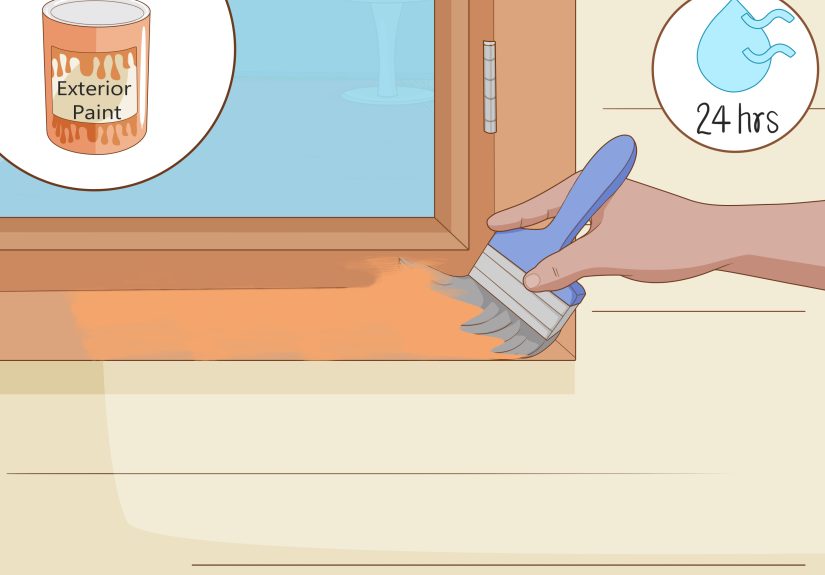
Finish the repair with exterior primer where needed and two solid topcoats of quality paint. Feather the paint into surrounding areas so the repair blends visually. After that, do the one thing that prevents repeat rot better than anything else: inspect the window every year. Re-caulk failing joints, touch up peeling paint, keep gutters clean, and make sure water is not pouring onto the trim from above.
When Epoxy Repair Makes Sense
If the damage is shallow and the surrounding wood is still mostly solid, epoxy repair can be a practical option. A typical process involves removing all soft wood, consolidating weakened fibers with a hardener or liquid epoxy, then rebuilding the shape with a two-part exterior epoxy filler. This works well on small sill corners, trim edges, and spot damage where you want to preserve original profiles.
Epoxy is not magic, though. It is a repair method, not a disguise for major failure. If the wood is badly deteriorated, if the damaged area is large, or if the rot has traveled into the window frame or structural members, replacement is the safer and longer-lasting choice.
Common Mistakes to Avoid
The biggest mistake is fixing the symptom and ignoring the cause. The second biggest is leaving soft wood behind because “it looked mostly okay.” Other common problems include using interior filler outdoors, skipping primer on cut ends, caulking without cleaning the joint, using the wrong trim material for a wet location, and assuming paint alone will waterproof a bad installation.
Another classic DIY plot twist is forgetting slope and drainage. Horizontal trim and sills need to shed water. If you install a new board dead flat, water will sit on it like it pays rent.
When to Call a Professional
Call for help if the rot extends into framing, if the window is loose or out of square, if there is suspected hidden damage inside the wall, or if you are dealing with multiple windows showing the same problem. Also consider professional help if the house is historic and you want to preserve original details, or if you are working above the first floor and the access is risky. Sometimes the most advanced DIY skill is knowing when you are one step away from making the project bigger.
Final Thoughts
Replacing rotted wood around a window is one of those repairs that looks intimidating until you break it into stages. Find the water source. Remove every bit of failed wood. Rebuild with the right material. Seal the area properly. Paint like you mean it. Done well, the repair improves curb appeal, protects the wall behind the window, and buys you years of service from the assembly.
And yes, the first time you cut out a rotten sill or pry off brick molding, it can feel like your house is personally offended. That passes. What remains is a window that looks crisp, stays dry, and no longer squishes when you poke it.
Real-World Experiences: What This Repair Is Actually Like
On paper, replacing rotted wood around a window sounds neat and logical. In real life, it usually starts with something tiny: a hairline crack in caulk, one blister in the paint, or a lower corner that looks just a little too puffy. Most homeowners do what homeowners everywhere do. They stare at it for a week, poke it once, and then say, “Huh. That’s not great.”
The first real surprise is how often the visible damage is not the full story. A trim board may look 20 percent bad and turn out to be 60 percent mush once it comes off. But the opposite also happens: a scary-looking area may end up being just one rotted corner and a failed bead of caulk. That is why this kind of project is equal parts repair and detective work.
Another common experience is discovering that the old piece was installed with the enthusiasm of three different decades. One section may have finish nails, another may have exterior screws, and somewhere in the middle there is always one stubborn fastener that refuses to acknowledge your authority. This is where patience pays off. The people who get the best results are rarely the fastest; they are the ones who slow down enough to avoid breaking good wood while removing bad wood.
There is also a very specific emotional journey that comes with this repair. At first, you feel confident. Then you remove the trim and feel mildly betrayed by your house. Then you cut the new piece, dry-fit it, and suddenly feel like a genius carpenter from a home improvement show. Then you notice a 1/16-inch gap and spend fifteen minutes deciding whether it is “totally fine” or “a personal failure.” This is normal. Deeply normal.
Homeowners who have done this job successfully often mention the same lessons afterward. First, moisture control matters more than perfect woodworking. A slightly less glamorous repair that is well flashed, properly caulked, and correctly painted will outlast a beautiful repair that still lets water sneak behind it. Second, pre-priming replacement wood is worth the extra time. It feels boring in the moment, but boring is often what keeps rot from coming back. Third, matching the original trim profile makes the house look cared for, even if nobody else can explain why it looks better.
Many people also say this project changes the way they look at the rest of the house. After one window repair, you begin to notice where water travels, where caulk is failing, and where horizontal surfaces hold moisture. It is like getting a new pair of homeowner glasses. Suddenly you are evaluating drip edges at dinner and judging gutters on walks. Welcome to the club.
The best part of the experience is the finish line. Once the new wood is installed, the caulk lines are clean, and the paint dries, the repair looks crisp and solid. The window no longer whispers, “Please ignore my lower left corner.” It just sits there doing its job like a respectable part of the house again. And that is the quiet reward of this project: not just better curb appeal, but the relief of knowing you caught a moisture problem before it became a wall problem.