Table of Contents >> Show >> Hide
- What Is a Tulle Boa, Exactly?
- Materials and Tools
- How Much Tulle Do You Need?
- Choose Your Base: Ribbon vs Rope vs Cord
- Method 1: No-Sew Knotted Tulle Boa (Fast + Beginner-Friendly)
- Method 2: Sewn Ruffled Tulle Boa (Polished + Extra Full)
- Make It Look Expensive: Pro Tips
- Troubleshooting: Common Problems (and Easy Fixes)
- Care and Storage
- Quick Time and Cost Breakdown
- Where a Tulle Boa Shines
- Real-Life Lessons From Making Tulle Boas (The 500-Word Experience Section)
- Conclusion
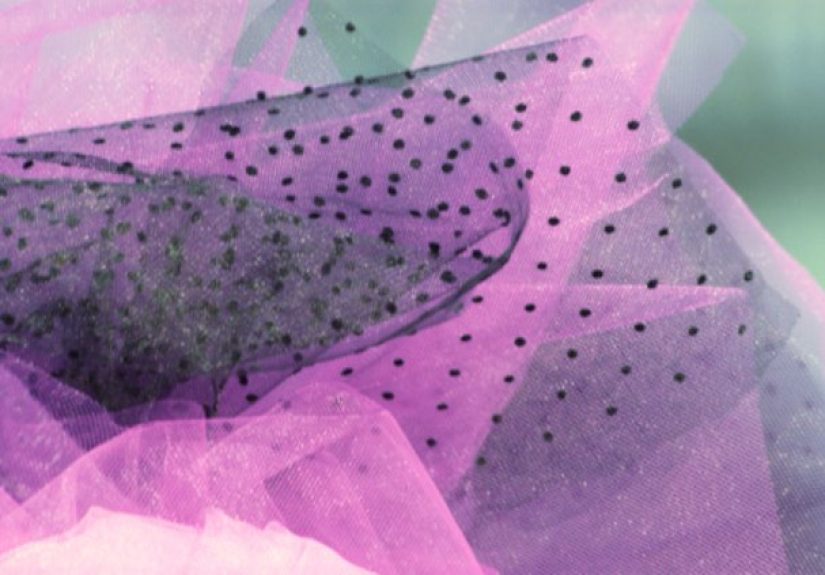
A tulle boa is what happens when a feather boa and a cloud have a very stylish baby. It’s fluffy, dramatic, surprisingly lightweight, and (bonus) far less likely to shed into your mouth at the worst possible moment. Whether you’re putting together a Halloween costume, a burlesque-inspired look, a themed prom outfit, or you just want to feel like the main character in your own living room, a tulle boa is a fast, affordable DIY with big-stage energy.
In this guide, you’ll learn two reliable ways to make one: a no-sew knotted boa (beginner-friendly, fast, very “I woke up fabulous”) and a sewn ruffled boa (a little more polished, extra full, and great if you like your drama neatly engineered). Along the way, we’ll cover how much tulle you actually need, how to keep it soft against your neck, and how to make it look expensive even if your budget says “craft aisle clearance bin.”
What Is a Tulle Boa, Exactly?
A tulle boa is a long, fluffy accessory made from tulle (that net-like fabric used in tutus, veils, and formalwear). Unlike feather boas, tulle boas are typically:
- Lightweight: Big volume without heavy weight.
- Packable: You can compress it for travel and fluff it back up.
- Customizable: Mix colors, add sparkle, go ombré, or match a costume perfectly.
- More low-maintenance: No feathers migrating into your car, couch, and soul.
Materials and Tools
Must-Haves
- Tulle: 54-inch wide tulle by the yard or 6-inch tulle spools (soft tulle is comfier; stiff tulle is poofier).
- Base for the boa: Satin ribbon, cotton rope, paracord, or a soft cord (more on choosing below).
- Sharp scissors or rotary cutter: Tulle laughs at dull blades.
- Tape measure (or a confident guess and a ruler you regret later).
If You’re Sewing (Method 2)
- Sewing machine (or a patient hand-sewing vibe)
- Thread (matching or contrastingno judgment)
- Pins or clips
Nice Extras (Not Required, but Fun)
- Fabric softener spray or anti-static spray (tulle can get clingy)
- Glitter tulle or sequin trim (warning: sparkle has a lease on your home)
- Snap, hook-and-eye, or ribbon ties if you want the boa to fasten in front
- Pom-pom maker or cardboard if you’re doing puff sections
How Much Tulle Do You Need?
The honest answer: “It depends.” The useful answer: it depends on length, width/fluffiness, and whether you’re making a knotted or sewn boa.
Pick Your Finished Length
- Short (neck scarf style): 50–60 inches
- Classic boa: 70–80 inches
- Extra dramatic: 90–120 inches (stage-ready, photo-friendly)
Quick Yardage Guidelines
- No-sew knotted boa: often uses about 12–25 yards total, depending on how dense you tie it.
- Sewn ruffled boa: can look great with 6–15 yards if you gather it heavily, but more tulle = more volume.
If you’re unsure, buy a bit extra. Tulle is relatively inexpensive, and running out when you’re 80% done is a special kind of crafting heartbreak.
Choose Your Base: Ribbon vs Rope vs Cord
Your base is the “spine” of the boa. It affects comfort, durability, and how your boa hangs.
- Satin ribbon (1–2 inches wide): soft on skin, looks dressy, great for sewing.
- Cotton rope: sturdy and easy to grip while tying; slightly more textured.
- Paracord: super durable for performance use; can feel firm unless covered or padded.
- Soft cord or thick yarn: comfy and flexible; best for lighter boas.
Method 1: No-Sew Knotted Tulle Boa (Fast + Beginner-Friendly)
This method is basically “friendship bracelets,” but make it fashion. You’ll cut tulle into strips and tie them around your base using a simple knot (often a lark’s head). The result is fluffy, adjustable, and easy to repair if you ever want to add more tulle later.
Step 1: Cut Your Base to Length
Decide how long you want the boa, then cut your cord/ribbon 8–12 inches longer than that so you have finishing room at both ends. If your base frays (like some ropes), wrap the cut ends with tape before you start.
Step 2: Cut Tulle Strips
Cut tulle into strips about 6–8 inches wide. For strip length, you have options:
- 18–24 inches long strips = a denser, fluffier look with shorter “fur.”
- 24–36 inches long strips = longer, swishier, more dramatic strands.
Pro move: stack layers and cut multiple strips at once. Your future self will say thank you (probably while holding a snack).
Step 3: Tie the Tulle to the Base
Fold one tulle strip in half. Slide the folded midpoint under the cord to form a loop. Pull the loose ends through the loop and tighten. Congratsyou just tied a lark’s head knot and didn’t even have to join a nautical club.
Repeat, packing knots close together. For maximum fluff, place knots right next to each other with minimal gaps. For a lighter boa, leave a small gap (about 1/4 inch) between knots.
Step 4: Fluff, Trim, and Shape
- Fluff: shake it out, separate strands, and gently tug tulle to distribute volume.
- Trim: if some strips are longer, trim them so the boa looks intentional (not like it fought a ceiling fan).
- Shape: twist the boa slightly as you tie to create a spiral color blend if you’re using multiple colors.
Step 5: Finish the Ends
Tie a knot at each end of the base or fold ribbon ends neatly and stitch them down (even one quick hand stitch helps). You can also leave ends long to tie in front like a scarf.
Method 2: Sewn Ruffled Tulle Boa (Polished + Extra Full)
This approach creates a continuous ruffle of tulle that’s gathered and attached to a base (usually ribbon). It looks more “designed,” with fewer visible knots, and it drapes beautifully for photos and formal costumes.
Step 1: Make Long Tulle Strips
Cut tulle into long strips 6–8 inches wide. If you’re working with 54-inch wide tulle, you can cut long lengths and then slice it into strips. Join strips end-to-end by overlapping the ends about 1/2 inch and stitching a quick seam (or zigzagging if you want extra security).
Step 2: Create Gathers With a Basting Stitch
Set your machine to a long stitch length (a basting stitch). Sew along one long edge of the tulle strip about 1/4–1/2 inch from the edge. Leave long thread tails at both ends.
Now gently pull the bobbin thread to gather the tulle until the ruffle matches the length of your base ribbon (or slightly longer if you want extra density). Spread gathers evenlythink “fluffy and fabulous,” not “lumpy and mysterious.”
Step 3: Attach the Ruffle to Your Base
Lay your ribbon base flat. Pin or clip the gathered tulle along the center of the ribbon. Stitch the gathered tulle down, sewing right over the gathering line so it stays secure.
Step 4: Add Layers for Volume
For a fuller boa, repeat with a second (or third) gathered strip and stitch it on top of the firsteither centered or slightly offset so the layers “bloom.” Mixing a soft tulle layer with a slightly stiffer layer often gives the best combo: comfy + poof.
Step 5: Finish and Fluff
Tie off your ends neatly. If you want it extra luxe, fold the ribbon ends under and stitch a clean finish. Then shake it out, steam lightly from a distance (don’t melt anything), and fluff like it’s a tiny runway show.
Make It Look Expensive: Pro Tips
- Mix textures: combine soft tulle with glitter tulle for depth, not just sparkle overload.
- Layer colors: tone-on-tone (like blush + rose) looks intentional and “designer.”
- Protect your neck: if tulle feels scratchy, use a wider satin ribbon base or add a soft fabric strip as a lining where it touches skin.
- Hide mechanics: in the no-sew version, turn knots inward so the fluff faces out.
- Weight the ends: tiny curtain weights or a few hidden beads inside the ribbon ends can improve drape.
- Add a closure: a small snap or hook makes it easy to wear without constant readjusting.
Troubleshooting: Common Problems (and Easy Fixes)
“My boa looks thin.”
- Tie knots closer together or add another layer of gathered ruffle.
- Use wider strips (8 inches) and slightly longer strips for more visible fluff.
- Mix in a stiffer tulle layer to boost volume.
“It’s static-y and clinging to everything.”
- Lightly mist with anti-static spray or a diluted fabric softener mix (test a small area first).
- Rub a dryer sheet gently over the surface.
- Avoid super-dry storage (plastic bins can increase static).
“My gathers keep snapping while I pull.”
- Use a longer basting stitch and don’t backstitch at the ends.
- Sew two parallel basting lines and gather using both threads for extra strength.
- Pull slowly and distribute gathers gradually instead of yanking.
“The base ribbon twists.”
- Use a slightly wider ribbon (1.5–2 inches) for stability.
- In the sewn method, stitch down the center, then add a second line of stitching for reinforcement.
Care and Storage
- Spot clean first: gentle soap + water on a cloth.
- If washing: hand wash in cool water; avoid harsh wringing. Lay flat to dry.
- Fluff restoration: shake it out and lightly steam from a distance.
- Storage: hang it on a hanger or store loosely in a breathable bag. Avoid crushing it under heavy costumes (unless you want “pancake chic”).
Quick Time and Cost Breakdown
- No-sew knotted boa: about 45–120 minutes depending on length and density.
- Sewn ruffled boa: about 60–150 minutes depending on layers and how fast you gather.
- Typical cost: often inexpensive compared to buying a stage-quality boa, especially if you buy tulle by the yard.
Where a Tulle Boa Shines
Tulle boas show up everywhere: drag and cabaret looks, Old Hollywood themes, costume parties, dance recitals, theater props, photo shoots, festivals, and that one friend’s birthday where the dress code is “extra.” And yes, you can absolutely make one in your school colors for spirit day. If anyone asks why, tell them: “Because I contain multitudes.”
Real-Life Lessons From Making Tulle Boas (The 500-Word Experience Section)
The first time you make a tulle boa, you learn a universal crafting truth: the project is easy, but the process has opinions. My biggest surprise was how much cutting matters. Tulle is light and slippery, so if your scissors aren’t sharp, the fabric can snag, stretch, and turn your “clean strips” into “sad frayed noodles.” The fix was simplesharper scissors, slower cutting, and stacking layers so I wasn’t cutting one piece at a time like a medieval scribe copying a book.
The second lesson: tulle has a personality, and sometimes it’s clingy. Static electricity can make the boa stick to your shirt, your hair, your face, and your dignity. I started keeping a dryer sheet nearby and gently rubbing the finished boa before trying it on. It was one of those tiny “why didn’t I do this earlier?” wins that instantly made the boa feel more wearable and less like a dramatic lint trap.
Comfort is another thing you don’t fully appreciate until you wear the boa for more than two minutes. Some tulle (especially stiffer netting) can feel scratchy against your neck. The no-sew version is adorable, but if the knots sit right where your neck bends, you’ll notice. My favorite workaround was choosing a wider satin ribbon base and making sure the fluff faced outward. For extra comfort, I added a soft strip of fabric along the inside of the ribbonbasically a tiny “neck pillow” built into the boa. That one small tweak made it feel like something I could wear for a whole event instead of something I’d fling onto a chair after the first photo.
I also learned that color blending is where the magic happens. A single flat color can look great, but mixing two close shades (like blush and dusty rose) gives depth that reads “designer” on camera. For a more theatrical look, I alternated colors every few knots, then twisted the boa while tying so the colors spiraled. It looked intentionally styled, and it also helped hide tiny inconsistenciesbecause the eye focuses on the gradient instead of counting knots like it’s doing quality control.
Finally, the best “experience” tip: don’t judge the boa until you fluff it. Freshly tied or freshly gathered tulle looks messy, uneven, and sometimes weirdly flat. But once you shake it out, separate the layers, and lightly shape it with your hands, it transforms. It’s like a before-and-after makeover montage, except you’re the hairstylist and the boa is your client who arrived looking questionable and left looking famous. By the time I finished my second boa, I had a system: cut, tie, compress, fluff, trim, then a final fluff like a victory lap. The result wasn’t just wearableit looked stage-ready, and it felt satisfying in that “I made this with my own two hands” way that store-bought accessories just can’t compete with.
Conclusion
Making a tulle boa is one of those rare DIYs that delivers maximum impact for relatively little effort. If you want fast and easy, go with the no-sew knotted method. If you want a smoother, more couture finish, sew gathered ruffles onto a ribbon base. Either way, you’ll end up with a bold, fluffy accessory that turns a basic outfit into a full-blown moment. And if anyone asks where you bought it? Smile politely and say, “Oh, this old thing? Custom.”