Table of Contents >> Show >> Hide
- Why Canned Cranberry Sauce Is Worth Saving
- The Best Ways to Upgrade Canned Cranberry Sauce
- Five Easy Flavor Combinations That Actually Work
- How to Heat It Without Ruining It
- Common Mistakes to Avoid
- What to Serve With Upgraded Cranberry Sauce
- Thanksgiving Experiences: What Happens When You Upgrade the Can
- Conclusion
- SEO Tags
Let’s say the quiet part out loud: canned cranberry sauce is not the villain of Thanksgiving. It is not the culinary equivalent of showing up in sweatpants. It is, in fact, a reliable, sweet-tart classic that already understands its assignment. The problem is not the can. The problem is when the sauce gets invited to the table and then treated like an afterthought.
If you want to know how to jazz up canned cranberry sauce for Thanksgiving, the answer is not “bury it under seventeen random ingredients and hope for the best.” The real trick is much simpler. You keep the cranberry flavor front and center, then build around it with brightness, warmth, texture, and a little visual charm. In other words, you give it the holiday glow-up it deserves.
This guide walks through the best ways to upgrade jellied or whole berry cranberry sauce so it tastes more homemade, looks more intentional, and earns more than one polite spoonful beside the turkey. Whether you want a classic orange-cinnamon version, a fruit-and-nut twist, or a slightly savory spin, these ideas will help you turn a pantry shortcut into one of the most memorable Thanksgiving side dishes on the table.
Why Canned Cranberry Sauce Is Worth Saving
Canned cranberry sauce gets teased every November, usually for its ridges, its jiggle, or its refusal to pretend it wasn’t born in a cylinder. But here is the truth: it brings something essential to Thanksgiving dinner. It is sweet, tart, bright, and refreshing in a meal that often leans rich, creamy, buttery, and gloriously beige. Turkey, stuffing, gravy, and mashed potatoes all benefit from a sharp little wake-up call, and cranberry sauce provides exactly that.
That is why the best upgrades do not try to erase the cranberry sauce entirely. They simply round it out. A little citrus makes it taste fresher. Warm spices make it feel more seasonal. Nuts or fruit add texture. A pretty serving bowl makes guests assume you have your life together. Suddenly, the sauce goes from “Oh right, cranberries” to “Wait, who made this?”
Also, there is something undeniably smart about using a shortcut on Thanksgiving. The holiday already asks for enough oven juggling, last-minute chopping, and emotional negotiations over stuffing. If canned cranberry sauce buys you time and still tastes great, that is not cheating. That is strategy.
The Best Ways to Upgrade Canned Cranberry Sauce
1. Add Citrus for Brightness
If there is one nearly universal upgrade for cranberry sauce, it is citrus. Orange zest is the star because it adds fragrance and freshness without making the sauce taste watered down. It wakes up the flavor and makes canned cranberry sauce taste less flat and more lively. A small splash of orange juice can help too, especially if you plan to warm the sauce gently on the stove.
For a can of cranberry sauce, start with about 1 to 2 teaspoons of orange zest. That is enough to make a difference without turning your side dish into a fruit-scented air freshener. If your cranberry sauce tastes overly sweet, a little lemon juice can sharpen it up and pull it back into balance.
2. Use Warm Spices Like a Grown-Up
Cinnamon, ginger, nutmeg, cloves, and allspice all pair beautifully with cranberry sauce, but this is a “less is more” situation. You want a whisper of holiday warmth, not a mug of liquid potpourri. Cinnamon is the easiest place to start because it adds cozy depth without overpowering the berries. Fresh ginger or a little finely chopped candied ginger gives the sauce some sparkle and personality. Nutmeg and clove should be used sparingly, like guests who know when to leave the party.
Warm spices are especially useful if you are trying to make jellied cranberry sauce taste richer and more layered. They round out the sweetness and make the sauce feel more intentional.
3. Add Texture So It Stops Feeling One-Dimensional
One of the biggest differences between straight-from-the-can cranberry sauce and an upgraded version is texture. Great cranberry sauce has contrast. Soft fruit, crunchy nuts, chewy dried fruit, or tiny bits of peel can turn a uniform blob into something interesting.
Good options include finely grated apple, chopped walnuts, chopped pecans, raisins, dried cherries, or even a spoonful of whole berries if you are using the jellied kind and want to break up the texture. Grated tart apple is especially smart because it adds freshness and body without making the sauce heavy. Walnuts and pecans bring crunch and a slightly earthy note that fits right in with Thanksgiving flavors.
4. Try a Savory or Spicy Edge
If your Thanksgiving menu is very sweet overall, cranberry sauce can be a great place to add contrast. A tiny pinch of salt can sharpen the fruit flavor. A little black pepper adds warmth. Finely minced jalapeño brings subtle heat that cuts through rich food beautifully. Fresh rosemary can make the sauce feel more grown-up and aromatic, especially if you want it to pair more naturally with turkey and gravy.
The key word here is tiny. Cranberry sauce should still taste like cranberries. You are adding dimension, not starting a flavor mutiny.
5. Improve the Presentation
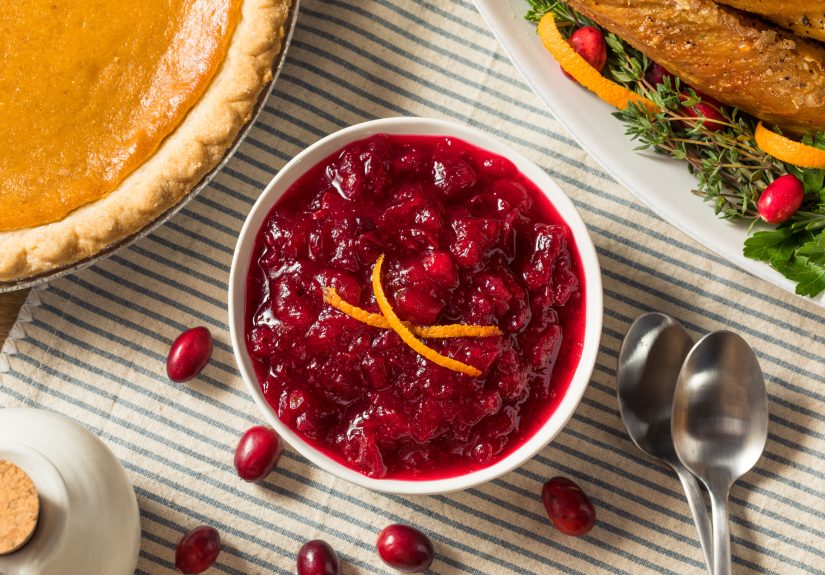
Half of the “homemade” effect comes from how you serve it. If you slide the sauce out of the can and park it on a plate with the label still emotionally attached, people will treat it like canned cranberry sauce. If you spoon it into a pretty bowl, swirl the top, add orange zest or chopped nuts, and maybe tuck in a thin orange slice for garnish, the whole thing looks transformed.
For jellied cranberry sauce, you can keep the clean slices if your family loves the nostalgia. Just fan the slices slightly on a platter and top them with a little citrus zest or a spoonful of warmed sauce. For whole berry cranberry sauce, a shallow serving dish makes it look especially generous and glossy.
Five Easy Flavor Combinations That Actually Work
Orange-Cinnamon Classic
This is the easiest and most crowd-friendly canned cranberry sauce upgrade. Warm the sauce gently, then stir in 1 to 2 teaspoons orange zest, 1 tablespoon orange juice, a small pinch of cinnamon, and a tiny pinch of salt. It tastes familiar, festive, and just polished enough to fool people into complimenting your “recipe.”
Apple-Walnut Thanksgiving Style
For a heartier, more homemade feel, stir together one can of cranberry sauce with a few tablespoons of peeled, finely grated tart apple and a handful of chopped toasted walnuts. Add a little orange zest if you want even more brightness. This version has excellent texture and works especially well with roast turkey, leftover sandwiches, and the kind of stuffing that takes itself very seriously.
Ginger-Orange Brightener
If your holiday menu is heavy on rich casseroles, try canned cranberry sauce with orange zest and a little minced candied ginger or fresh ginger. The result is zippy, warm, and refreshingly sharp. It tastes lighter than cinnamon-heavy versions and gives the sauce a cleaner finish.
Jalapeño-Lime Twist
Want something a little less expected? Stir a small amount of very finely minced jalapeño into whole berry cranberry sauce, then add a squeeze of lime and a pinch of salt. The heat should be subtle, not aggressive. This version is excellent if your Thanksgiving menu includes smoky turkey, roasted vegetables, or anything that needs a spark.
Rosemary-Black Pepper Holiday Upgrade
For a more savory profile, warm the sauce with a tiny pinch of black pepper and a little very finely chopped rosemary, then finish with orange zest. This version feels elegant without being fussy. It is especially useful when you want the cranberry sauce to play nicely with gravy instead of behaving like a separate dessert side dish that wandered onto the plate.
How to Heat It Without Ruining It
You do not need to cook canned cranberry sauce for ages. In fact, that is a great way to make it too loose, too sticky, or weirdly overworked. A gentle warm-up is plenty. Put it in a small saucepan over low to medium-low heat and stir just until it softens enough to mix with your add-ins.
Jellied cranberry sauce will melt down more quickly, so keep an eye on it. Whole berry cranberry sauce usually needs only a few minutes to loosen and become more spoonable. If the sauce gets too thick after adding ingredients, use a very small splash of orange juice or water. If it gets too thin, let it sit and cool slightly before serving. Cranberry sauce often regains body as it rests.
For the freshest citrus flavor, stir in zest after the sauce comes off the heat. That keeps the aroma brighter and the flavor more noticeable.
Common Mistakes to Avoid
Adding too many ingredients. This is the fastest way to muddy the flavor. Pick one main direction and support it. Orange and cinnamon? Great. Apple and walnut? Also great. Orange, cinnamon, rosemary, jalapeño, maple syrup, vanilla, and six dried fruits? That is not a cranberry sauce upgrade. That is a committee meeting.
Using too much liquid. Cranberry sauce should be spoonable or sliceable, not a holiday beverage. Add juice in small amounts.
Overdoing clove or nutmeg. These are powerful ingredients. Use tiny pinches, not enthusiastic avalanches.
Skipping salt. Even a very small pinch can make the fruit taste brighter and less sugary.
Serving it without thought. A nice bowl, a garnish, and a few extra seconds of care can change how everyone perceives the dish.
What to Serve With Upgraded Cranberry Sauce
Of course it is fantastic with turkey, but jazzed-up canned cranberry sauce does more than one job. It works with ham, roast chicken, stuffing, and savory bread pudding. It belongs on Thanksgiving leftover sandwiches with turkey and mayo. It is excellent on a small post-dinner cheese board with sharp cheddar or creamy brie. It can even be spooned over cream cheese with crackers if you need an easy holiday appetizer and would like to seem suspiciously efficient.
That versatility is exactly why upgrading canned cranberry sauce makes sense. You are not spending time on a one-note side dish. You are making a condiment that can move around the table and improve everything it touches.
Thanksgiving Experiences: What Happens When You Upgrade the Can
One of the most relatable Thanksgiving experiences is watching canned cranberry sauce arrive at the table with all the ceremony of a parking receipt. It slides out, keeps its can-shaped dignity, and quietly waits while the turkey gets applause. But once people start upgrading it, something funny happens: the cranberry sauce stops being the joke and starts being the thing people talk about between bites of stuffing. That is because even a small improvement changes the entire role of the dish. Add orange zest, a little spice, or some chopped nuts, and the sauce suddenly tastes connected to the rest of the meal instead of separated from it by decades of habit.
Another common experience is the Thanksgiving cook’s annual realization that time is not real. The potatoes need mashing, the rolls need warming, someone is asking where the serving spoon went, and the oven is behaving like it has trust issues. In that moment, canned cranberry sauce becomes less of a compromise and more of a tiny miracle. It gives you a head start. And when you dress it up with one or two thoughtful ingredients, it no longer feels like a shortcut you need to apologize for. It feels like smart holiday cooking.
There is also the nostalgia factor, which should not be underestimated. For some families, the ridged slices of jellied cranberry sauce are not a problem to solve. They are part of the holiday memory. People grew up seeing those ruby-red slices next to turkey and mashed potatoes, and changing that too much can feel like replacing the family movie soundtrack with elevator music. The best upgrades respect that history. You can keep the slices, keep the wobble, keep the recognizable shape, and still add better flavor with citrus, ginger, or a warm spice blend. The result feels both familiar and new, which is basically Thanksgiving in one sentence.
Then there is the guest reaction, which tends to be delightfully predictable. The first person assumes it is homemade. The second person asks what is in it. The third person says, “I usually don’t even like cranberry sauce, but this is good,” which is both a compliment and a tiny act of emotional violence toward every cranberry sauce they have ignored in the past. That is the beauty of an upgraded canned version. It does not need to become complicated to become impressive. It just needs enough freshness and balance to wake people up.
Finally, there is the leftover experience, which may be the most convincing argument of all. A jazzed-up canned cranberry sauce keeps earning its place after Thanksgiving dinner is over. It turns a turkey sandwich into something brighter. It perks up a biscuit with cream cheese. It gives cold roast chicken a little personality. It can even make day-after leftovers feel less like reruns and more like an encore. And honestly, any dish that survives the chaos of Thanksgiving, wins over skeptical guests, and comes back strong the next day deserves a little respect. Even if it did begin life in a can.
Conclusion
If you have been wondering how to jazz up canned cranberry sauce for Thanksgiving, the answer is not to overcomplicate it. Start with what already works: the sweet-tart cranberry base. Then add brightness with orange zest, warmth with gentle spices, texture with fruit or nuts, and confidence with better presentation. Whether you prefer whole berry cranberry sauce or the gloriously wiggly jellied kind, a few simple upgrades can make it taste more layered, more festive, and far more intentional.
In other words, canned cranberry sauce does not need a complete personality transplant. It just needs a little holiday styling. Think of it as the Thanksgiving side dish version of showing up in a great coat and suddenly becoming the most interesting person in the room.