Table of Contents >> Show >> Hide
- Meet the Plant: A Living Firework with a Slow-Motion Personality
- Picking the Right Bird of Paradise for Your Space
- Light: The #1 Bloom Button (Yes, More Than Fertilizer)
- Soil and Pots: Drainage First, Fancy Soil Second
- Watering: Tropical, Not Soggy
- Temperature, Humidity, and Airflow: Keep It Comfy
- Fertilizer: Feed the Plant, Don’t Overfeed Your Ego
- Pruning, Cleaning, and the Great Leaf-Splitting Freakout
- Repotting and Division: When Your Plant Starts Bench-Pressing Its Pot
- How to Encourage Bird of Paradise Flowers (Without Begging)
- Propagation: Division vs. Seeds (Fast vs. “See You in Five Years”)
- Common Problems and How to Fix Them
- Safety Note: Pets and Kids
- Styling Ideas: Make It Look Like You Live in a Boutique Resort
- FAQ
- Bonus: of Grower Wisdom (The “I Learned This the Hard Way” Edition)
- Conclusion
If you’ve ever looked at a Bird of Paradise plant and thought, “That flower can’t be real,” you’re not alone. Strelitzia is basically Mother Nature showing offdramatic tropical foliage, bold structure, and blooms that look like a neon bird mid-flight. The good news: you don’t need a rainforest or a horticulture degree to grow it. You just need to understand what it wants (light), what it hates (wet feet), and what it secretly enjoys (a slightly cramped pot and a bit of routine).
This guide covers Bird of Paradise care for both indoor and outdoor growinghow to get those iconic banana-like leaves, how to avoid common problems, and how to nudge a mature plant into flowering. Expect practical tips, a few “don’t panic” moments, and a small amount of plant-related comedybecause if your plant can be dramatic, so can we.
Meet the Plant: A Living Firework with a Slow-Motion Personality
“Bird of Paradise” usually refers to Strelitzia reginae (the classic orange-and-blue flowering type) and sometimes Strelitzia nicolai (the giant/white Bird of Paradise, often grown more for foliage). Both are evergreen perennials with thick, clumping growth and large leaves that naturally split into strips. That splitting isn’t damageit’s the plant’s built-in wind insurance.
Here’s the vibe: Bird of Paradise grows steadily but not quickly, rewards patience, and gets more impressive each year. Flowers are most common outdoors in warm climates, but indoor blooms can happen when light and maturity line up (like an eclipse, but prettier).
Picking the Right Bird of Paradise for Your Space
Strelitzia reginae (Classic Bird of Paradise)
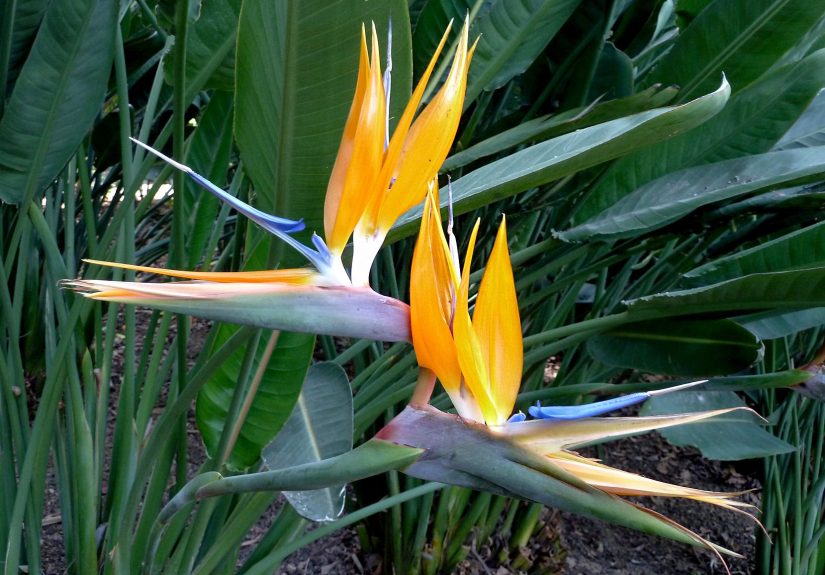
This is the one with the famous “bird head” flowerorange sepals with blue accents, carried on sturdy stems. It typically stays in the 4–6 foot range outdoors, and somewhat smaller indoors depending on pot size and light. If flowers are your goal, start here.
Strelitzia nicolai (White/Giant Bird of Paradise)
This one is a statement. It can become enormous outdoors (think “small tropical tree” energy), and it’s often grown for dramatic leaves rather than flowersespecially indoors, where blooming is less likely. If your goal is tropical foliage and you have space, nicolai delivers.
Indoor vs. Outdoor Reality Check
- Outdoors (warm zones): More sun, more vigor, and a much better chance of flowering.
- Indoors: Glorious foliage is realistic. Flowers are possible, but only with very bright light and a mature plant.
Light: The #1 Bloom Button (Yes, More Than Fertilizer)
Indoors: Bright, Strong LightIdeally with Some Sun
If Bird of Paradise had a dating profile, it would say: “Likes long walks… toward the sun.” Place it near a bright east- or west-facing window, or a south-facing window if you can manage heat and glare. The brighter the light, the sturdier the growth and the better the odds of flowering.
If your home is naturally dim, a quality grow light can turn “surviving” into “thriving.” A plant that leans dramatically toward the window is basically telling you it wants a brighter lifestyle.
Outdoors: Full Sun to Light Shade (With a Gradual Transition)
Outdoors, Bird of Paradise can handle full sun in many warm regions, but newly moved or younger plants can scorch in harsh midday sun. If you’re transitioning from indoors to outdoors for summer, acclimate slowly over 7–14 days: start with bright shade or morning sun, then increase exposure.
Soil and Pots: Drainage First, Fancy Soil Second
The ideal setup is moist but well-drained soil. Think “wrung-out sponge,” not “swamp monster.” Indoors, use a high-quality potting mix amended for drainageadding perlite, pumice, or orchid bark can help.
Choose a pot with drainage holes and enough weight to prevent toppling. Bird of Paradise is tall, and it will absolutely attempt a slow-motion escape if the pot is too light. Terracotta can help with breathability, but heavy ceramic can improve stability.
Watering: Tropical, Not Soggy
The biggest mistake with Bird of Paradise watering is treating it like a cactus one week and a rice paddy the next. Aim for consistency:
- Water thoroughly, then let the top few inches of soil dry slightly before watering again.
- Never let the pot sit in a saucer of waterempty it after watering.
- Water less in winter when growth slows and evaporation drops.
Indoors, many growers use a “soil check” method: when the upper portion of soil feels dry, water until excess drains out. Outdoors, especially in heat, it may need more frequent watering while establishing or during dry spells.
Pro tip: If your leaf edges brown, don’t assume it’s thirst. It can also be salt/mineral buildup from tap water or fertilizer. Occasionally “flush” the pot by watering generously and letting it drain completely. If your water is very hard, rainwater or distilled water can help.
Temperature, Humidity, and Airflow: Keep It Comfy
Bird of Paradise likes temperatures similar to what humans enjoy: generally mid-60s to mid-70s°F. It doesn’t love cold drafts, blasting vents, or the kind of temperature swings that make you wear a hoodie indoors.
- Indoors: Keep away from icy windows in winter and hot HVAC airflow.
- Humidity: Moderate humidity is helpful; dry air can lead to crisping edges.
- Outdoors: Protect from frost; cold can damage buds and flowers even if the plant survives.
If humidity is low, use a humidifier, pebble tray, or occasional misting. Also: airflow matters. A breezy spot helps reduce pest issues and fungal problems.
Fertilizer: Feed the Plant, Don’t Overfeed Your Ego
Bird of Paradise responds well to feeding during active growth (typically spring and summer). A balanced fertilizer (or slow-release granules) used on a sensible schedule can support big leaves and better bloom potential.
- During spring/summer: fertilize about monthly (or per product directions).
- During fall/winter: reduce or pause feeding as growth slows.
- If using liquid fertilizer: err on the lighter side rather than “extra for luck.”
Outdoors, compost and organic amendments can help. Indoors, keep it simple: consistent, moderate feeding beats random “fertilizer binges.”
Pruning, Cleaning, and the Great Leaf-Splitting Freakout
Let’s address the most common panic: “My leaves are tearing!” Leaf splitting is normal for Bird of Paradise. It helps the plant withstand wind and heavy rain. Don’t tape leaves back together unless you enjoy disappointment as a hobby.
What you should do:
- Remove fully dead or badly damaged leaves at the base using clean pruners.
- Trim spent flower stalks after blooming.
- Wipe dust off leaves indoors so the plant can photosynthesize efficiently (yes, plants like clean vibes too).
Repotting and Division: When Your Plant Starts Bench-Pressing Its Pot
Bird of Paradise often flowers better when slightly root snug (not root-choked, just comfortably tight). Repotting too often can delay blooms because the plant shifts energy into root growth instead of flowering.
Repot when:
- Roots circle aggressively or push up out of the pot.
- Water runs straight through because the pot is mostly roots.
- The plant becomes unstable or top-heavy.
When you repot, go up one pot size, not three. Use fresh, well-draining mix. If the plant is huge, consider top-dressing (replacing the top few inches of soil) instead of a full repot every year.
How to Encourage Bird of Paradise Flowers (Without Begging)
Getting Bird of Paradise to bloom is like convincing a cat to do a trick: possible, but you can’t force it. You can only create conditions where blooming is the plant’s best idea.
What Actually Helps
- High light: The most common reason mature plants don’t bloom is insufficient light.
- Maturity: Many plants won’t flower until they’re several years old.
- Steady care: Regular watering (not soggy) and consistent feeding in the growing season.
- Root snugness: Slightly pot-bound plants may flower more readily than freshly upsized ones.
Outdoors in warm regions, flowering can be easier, especially with full sun and good drainage. Indoors, if you want blooms, treat light like a non-negotiable: bright window + grow light is often the winning combo.
Propagation: Division vs. Seeds (Fast vs. “See You in Five Years”)
Division (Best for Faster Results)
Division means separating a clump into smaller sections with roots attached. It’s typically the easiest way to propagate Bird of Paradise and can produce flowering-size plants sooner than seed-grown ones. Divide during warm weather or active growth, and keep divisions slightly on the drier side until they re-establish.
Seeds (For Patient People and Time Travelers)
Seeds can take months to germinate and years to flower. If you try this route:
- Use fresh seed when possible and gently scarify (lightly nick/roughen) the seed coat.
- Sow in a clean, loose medium and keep it consistently moist (not waterlogged).
- Maintain warmth and patience. Germination can take a while.
Common Problems and How to Fix Them
Brown Leaf Edges
- Likely causes: low humidity, inconsistent watering, salt/mineral buildup.
- Fix: improve humidity, water more consistently, flush the pot occasionally, and avoid over-fertilizing.
Yellow Leaves
- Likely causes: overwatering, poor drainage, low light.
- Fix: let soil dry slightly between waterings, verify drainage, and increase light.
Drooping or Curling
- Likely causes: underwatering, hot dry air, shock from sudden light change.
- Fix: rehydrate thoroughly, increase humidity, and acclimate gradually to stronger sun.
Pests: Spider Mites, Mealybugs, Scale
Indoors, dry air can invite spider mites. Mealybugs and scale can also show up on leaf joints and undersides. Inspect regularlyespecially before moving plants indoors for winter.
- Wipe leaves and stems with a damp cloth and spot-treat pests.
- Use insecticidal soap or horticultural oil as needed (follow label directions).
- Improve airflow and avoid chronically wet soil to reduce disease pressure.
Root Rot
If the soil stays soggy, roots can suffocate and rot. Symptoms include persistent yellowing, limp growth, and a sour smell. The fix is drainage: reduce watering, improve soil structure, and repot if necessary.
Safety Note: Pets and Kids
Many sources classify Bird of Paradise as toxic if ingested (pets and humans). If you have curious chewers, place the plant out of reach and consider training pets away from it. If ingestion is suspected, contact a vet or medical professional promptly.
Styling Ideas: Make It Look Like You Live in a Boutique Resort
- Indoors: Use a simple, heavy pot and place it where it gets bright lightnear a window you actually use, so you’ll notice problems early.
- Outdoors: Plant as a specimen or in clumps for a bold screen. Pair with crotons, hibiscus, or ferns for layered tropical texture.
- Design trick: Bird of Paradise looks best with breathing roomdon’t crowd it with tiny plants that will be swallowed visually.
FAQ
Why won’t my Bird of Paradise bloom indoors?
Usually it’s light. A mature plant still needs very bright light (often with some direct sun) to bloom. Nutrients help, but they can’t replace sunshine. Also: some plants simply need timeseveral yearsbefore they’re ready.
Is leaf splitting a problem?
Nope. It’s normal. If the leaves look shredded and crispy or brown, then investigate humidity, watering, and light stress. But clean splits along the leaf are just the plant being built for wind.
How often should I water Bird of Paradise?
There isn’t one magic schedule. Water when the top portion of soil is dry-ish, then water thoroughly and let excess drain. In summer you’ll water more; in winter, less.
Can I grow Bird of Paradise outdoors in the U.S.?
Yesespecially in warm regions. In cooler areas, it’s often grown in a container that can be moved indoors during cold snaps. Frost protection matters because cold can damage flowers and buds.
Bonus: of Grower Wisdom (The “I Learned This the Hard Way” Edition)
Let’s be honest: most Bird of Paradise “failures” aren’t dramatic tragedies. They’re slow, slightly annoying mysteries. The plant doesn’t collapse overnightit just quietly judges your lighting choices. And because I don’t have personal lived experience, this section is a practical mash-up of common grower patterns: the stuff people repeatedly discover after a few seasons of trial, error, and mild plant-related guilt.
First: light solves more problems than almost anything else. A Bird of Paradise in mediocre light will still look okay for a while, which is what makes it sneaky. It’ll push out leaves, but they may be smaller, thinner, and more prone to leaning. Move it closer to a bright window andthis part feels like magicthe new growth often comes in sturdier and more upright. If you can’t give it window light, growers who succeed long-term usually add a grow light and treat it like a “winter sun subscription.”
Second: watering is less about frequency and more about rhythm. People who water “a little bit every few days” often end up with damp soil that never breathes, which is a fast track to root complaints. The more reliable method is watering thoroughly, letting it drain, then waiting until the soil dries partway. It feels counterintuitive at firstlike you’re ignoring the plantbut it’s actually giving roots oxygen. The leaf tips will tell you if you’re off: crispy edges often show up when the air is dry or salts build up. A periodic flush (and not over-fertilizing) can make a noticeable difference.
Third: the “perfect” leaf is a myth. Bird of Paradise leaves split. They scuff. They collect dust. Growers who stay happy with this plant tend to shift from perfection to maintenance: wiping leaves occasionally, trimming only what’s truly dead, and accepting that a big tropical plant will look… big and tropical. (Translation: not like a tiny plastic plant that never lived a day in its life.)
Fourth: blooming is a long game. The most consistent bloom stories follow a pattern: the plant is mature, gets strong light, isn’t repotted every time someone gets a new pot sale email, and receives steady care through the growing season. People often report that their plant finally blooms after a summer outdoors in bright light, followed by a stable indoor setupalmost like the plant needed a “training camp” to build bloom energy. If yours hasn’t flowered yet, treat the foliage as the main event and blooms as the encore.
Finally: pests are easiest to handle when you catch them early. Growers who win the pest battle do quick check-ins: underside of leaves, leaf joints, and any sticky residue. A damp wipe-down and early treatment is far less stressful than trying to rescue a plant that’s been hosting spider mites like it’s an all-inclusive resort.
Conclusion
Bird of Paradise is a tropical icon for a reason: it brings instant structure, lush foliage, and (with the right conditions) unforgettable flowers. If you remember just three things, make them these: give it bright light, water deeply but don’t keep it soggy, and be patient. Let it settle into a routine, keep the leaves clean, feed modestly in the growing season, and you’ll be rewarded with a plant that looks like it belongs in a luxury resorteven if it’s actually just living next to your laundry basket.