Table of Contents >> Show >> Hide
- First: What’s Actually Causing the Pain?
- The Quickest Fixes (What to Do Right Now)
- Quick Fix #1: Stop the lactose “incoming” (yes, immediately)
- Quick Fix #2: Take lactase enzyme if you still have food in your stomach
- Quick Fix #3: For crampinguse heat + gentle movement
- Quick Fix #4: For gas and bloatingconsider simethicone
- Quick Fix #5: For diarrheahydrate first, then consider short-term anti-diarrheal options
- Quick Fix #6: Don’t stack triggers while you’re flaring
- A Simple “Fast Relief” Timeline
- Prevention That Actually Works (So You Don’t Keep Repeating This Episode)
- When It Might Not Be Lactose Intolerance
- Red Flags: When You Should Get Medical Help
- Quick Examples: “What Would You Do If…”
- of Real-World Experiences (What People Commonly Report Helps Fastest)
- Conclusion
You’re not “weak.” You’re just missing an enzyme. If dairy turns your stomach into a marching band (drums = cramps, tubas = gas, and the occasional tragic encore), lactose intolerance may be the culprit. The good news: you can usually calm the chaos fastoften in minutes to hoursonce you know what actually helps and what just sounds cute on the internet.
This guide breaks down the quickest fixes for lactose intolerance pain, plus smart prevention strategies so you can enjoy life without treating every latte like a high-risk sport.
First: What’s Actually Causing the Pain?
Lactose is the natural sugar in milk and many dairy foods. To digest it, your small intestine uses an enzyme called lactase. If you don’t make enough lactase, lactose isn’t fully broken down. It then travels to the colon, where gut bacteria ferment itcreating gas and drawing in fluid. Result: bloating, cramps, rumbling, diarrhea, and sometimes nausea.
Translation: Your gut isn’t being dramatic. It’s doing chemistry without the right tools.
Lactose intolerance vs. milk allergy (not the same thing)
Lactose intolerance is a digestive issue (enzyme shortage). A milk allergy is an immune reaction to milk proteins and can cause hives, wheezing, swelling, or more serious symptoms. If you get skin reactions, breathing symptoms, or rapid swelling, treat it as urgent medical territorynot “take a walk and see what happens.”
The Quickest Fixes (What to Do Right Now)
If you’re in the middle of an “I shouldn’t have eaten that” moment, here’s a practical, fastest-first approach. Pick what matches your symptomscramps, bloating/gas, and/or diarrhea.
Quick Fix #1: Stop the lactose “incoming” (yes, immediately)
It sounds obvious, but it’s the most effective first step: pause any more dairy for the next several hours. If you keep nibbling “just a little more,” you’re basically sending reinforcements to the problem.
Quick Fix #2: Take lactase enzyme if you still have food in your stomach
Over-the-counter lactase enzyme tablets/drops can help break down lactoseespecially if taken right before the first bites of dairy, but they may still help if you’re early in the process and food hasn’t fully moved through your stomach yet.
- Best timing: Just before eating/drinking dairy.
- Realistic expectation: It may reduce symptoms; it’s not a magic eraser for everyone.
- Pro move: Keep some in your bag/car like a digestive seatbelt.
Quick Fix #3: For crampinguse heat + gentle movement
Abdominal cramps often improve when the muscles relax and gas moves along. Try:
- Heat: A warm heating pad or warm bath can relax the abdominal wall and reduce pain.
- Gentle movement: A short walk can help trapped gas pass (yes, it’s awkward; yes, it helps).
- Positioning: Some people feel better lying on their left side or with knees slightly bent.
Humbling truth: Sometimes the fastest fix is a heating pad and pacing your living room like you’re rehearsing for a play called “Regret.”
Quick Fix #4: For gas and bloatingconsider simethicone
If your main issue is pressure, bloating, and gas pain, an over-the-counter anti-gas product containing simethicone may help relieve discomfort by breaking up gas bubbles. It won’t “cure” lactose intolerance, but it can make the symptom spike less miserable.
Quick Fix #5: For diarrheahydrate first, then consider short-term anti-diarrheal options
Diarrhea can happen because undigested lactose pulls water into the intestines. Your priorities:
- Hydrate: Sip water or an oral rehydration solution. If you’re losing fluids quickly, don’t “tough it out.”
- Eat simple foods: Think rice, toast, bananas, oatmealwhatever your stomach finds least insulting.
- Medication (optional): Some people use short-term anti-diarrheal medicines (like loperamide) or bismuth products. Follow label directions and avoid them if you have fever, blood in stool, severe abdominal swelling, or suspected infection.
Quick Fix #6: Don’t stack triggers while you’re flaring
When your gut is already irritated, adding other common irritants can make symptoms drag on longer. For the next day, consider going easy on:
- Very greasy meals
- Large amounts of caffeine
- Sugar alcohols (often in “sugar-free” candy/gum)
- Big servings of high-fiber foods all at once (your colon does not need extra projects today)
A Simple “Fast Relief” Timeline
In the first 15 minutes
- Stop dairy.
- If you have it, take lactase enzyme (especially if you just ate).
- Start sipping water.
- Use heat if cramps are building.
Within 1 hour
- Take a gentle walk.
- Use simethicone if gas/bloating is the main villain.
- Switch to bland foods if you need to eat.
Over the next 4–12 hours
- Stay hydrated (especially if diarrhea shows up).
- Rest your gut: lactose-free, smaller meals.
- If symptoms are severe or unusual for you, consider medical advice.
Prevention That Actually Works (So You Don’t Keep Repeating This Episode)
Know your “tolerance threshold” (it’s not one-size-fits-all)
Many people can handle some lactoseespecially in smaller portions or when eaten with other foods. Others need stricter avoidance. Your body is basically a lactose budget; you’re figuring out what your “daily limit” looks like without overdrafting.
Choose lower-lactose dairy strategically
Not all dairy hits the same. Many people tolerate:
- Hard, aged cheeses (often lower in lactose)
- Yogurt with live cultures (bacteria can help break down lactose)
- Kefir (a fermented option some people do well with)
- Lactose-free milk (real dairy, lactose already broken downoften tastes slightly sweeter)
Meanwhile, big servings of milk, ice cream, and soft cheeses tend to be more challenging for many people.
Use lactase enzyme like a strategy, not a prayer
Lactase tablets work best when:
- You take them right before dairy
- You match the dose to the amount of lactose you’re eating
- You’re consistent (taking one and then drinking a milkshake the size of a bathtub is… ambitious)
Eat dairy with meals, not solo
Dairy on an empty stomach can hit harder for some people. Pairing it with other foods may slow digestion and reduce symptom intensity. This is also why “a little cheese with dinner” might be fine, while “a glass of milk by itself” can feel like betrayal.
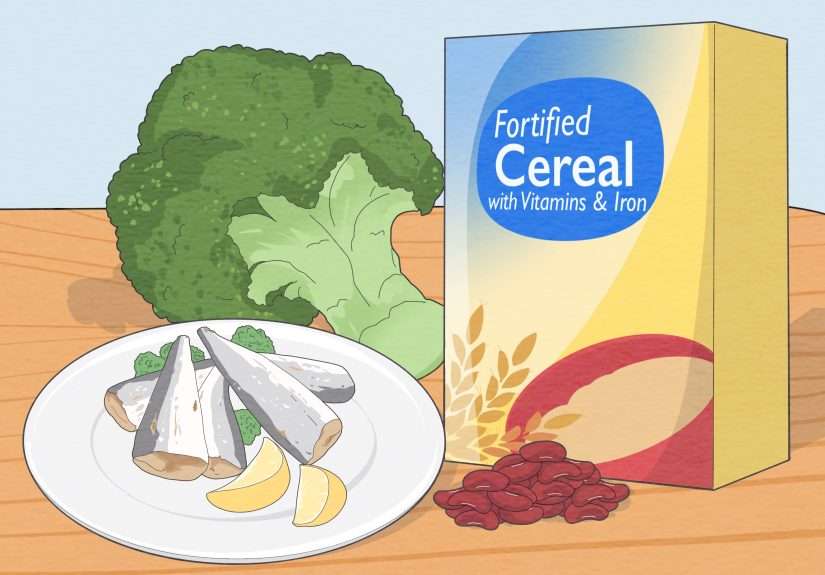
Protect your calcium and vitamin D intake
If you cut back on dairy, make sure you’re still getting calcium and vitamin D. Options include:
- Fortified lactose-free dairy products
- Fortified plant milks (check labels for calcium/vitamin D)
- Canned salmon or sardines with bones
- Calcium-set tofu
- Leafy greens (some are better sources than others)
If you’re not sure you’re meeting needs, ask a clinician or dietitianespecially if you’re pregnant, older, or have bone health risks.
When It Might Not Be Lactose Intolerance
If you’re doing all the “right” things and still feel awful, consider other possibilities:
- Milk protein allergy (immune reaction, not enzyme-related)
- Irritable bowel syndrome (IBS) (dairy can be a trigger even without lactose issues)
- Secondary lactose intolerance after a stomach bug, intestinal inflammation, or certain conditions that affect the gut lining
Clinicians can confirm lactose intolerance with tests such as a hydrogen breath test, and they can help rule out other causes if symptoms are persistent.
Red Flags: When You Should Get Medical Help
Most lactose intolerance episodes are uncomfortable, not dangerousbut don’t ignore warning signs. Seek medical advice promptly if you have:
- Blood in stool
- Fever
- Unintentional weight loss
- Severe or worsening abdominal pain
- Signs of dehydration (dizziness, very dark urine, weakness)
- Symptoms that keep recurring even without dairy
Quick Examples: “What Would You Do If…”
You drank a regular latte by mistake
- Stop dairy for the rest of the day.
- Take lactase enzyme as soon as you realize (best early).
- Walk 10 minutes + use heat if cramps start.
- If gas is intense, consider simethicone.
- Hydrate, especially if diarrhea appears.
You ate pizza at a party (and now regret has arrived)
- Heat + gentle movement first (cramps and gas are common here).
- Simple foods later; avoid stacking greasy leftovers.
- Next time: lactase tablets before the first slice, or choose lower-lactose options (aged cheeses may be better tolerated in smaller portions).
of Real-World Experiences (What People Commonly Report Helps Fastest)
People’s “fastest fix” stories tend to fall into a few familiar categoriesbecause lactose intolerance is predictable in the most annoying way. Here are common experiences many people describe, plus what they say works when time matters.
1) The Coffee Shop Mix-Up. Someone orders an oat milk latte, takes two sips, and realizes: this is absolutely regular milk. The most common lesson? Speed helps. People who take lactase tablets immediately (especially if they’re still early in the drink) often report less severe cramping later. Pairing that with a short walkliterally strolling the block like you’re “just enjoying the weather”can help gas move through instead of camping out under your ribs.
2) The “Just a Little Ice Cream” Betrayal. A lot of folks say ice cream is the fastest route to bloating and cramps, possibly because it’s a bigger lactose hit and often higher in fat (which can slow digestion). The go-to comfort combo people mention: heating pad + lying on the couch + small sips of water. Some also say simethicone helps when the pain feels like pressure, not sharp cramps. The funniest recurring detail: many swear they can “feel” the moment the gas shifts. It’s not glamorous, but it’s progress.
3) The Social Event Dilemma (a.k.a. Pizza Roulette). People often report that parties make lactose intolerance worse because it’s never just dairyit’s dairy plus greasy food plus soda plus eating fast. The “quickest fix” story here is usually about stopping early: once symptoms begin, switching to bland snacks and water helps shorten the episode. Folks who keep snacking tend to have symptoms that drag into the next day. There’s also a practical pattern: people who learn their personal portion limit (one slice vs. three) feel more in control and have fewer full-blown flare-ups.
4) Travel and the “New Routine” Gut. Travelers sometimes find lactose hits harder on the roaddifferent meal timing, less sleep, and stress can amplify gut sensitivity. Many people say they pack lactase tablets like they pack chargers: not optional. They also report that hydration matters more than expected; diarrhea plus travel equals quick dehydration. The people who feel better faster usually start fluids early and keep meals smaller until things settle.
5) The Long-Term Win: Better Prevention, Not Tougher Willpower. Over time, many people describe a shift from “I’ll never eat dairy again” to “I can eat dairy strategically.” They keep lactose-free milk at home, choose yogurt or aged cheese more often, and use lactase tablets for higher-lactose foods. The overall vibe of these experiences is reassuring: the goal isn’t perfectionit’s fewer painful surprises and quicker recoveries when surprises happen.
Conclusion
Lactose intolerance pain can feel dramatic, but the solution doesn’t have to be. The quickest fixes are practical: stop the lactose, consider lactase enzyme early, use heat and gentle movement for cramps, and target symptoms like gas or diarrhea thoughtfully. Long term, the real power move is planningknowing which dairy types you tolerate, using lactose-free swaps, and protecting your nutrient intake.
Your digestive system isn’t trying to ruin your day. It just wants the right tools. (And maybe fewer surprise milkshakes.)