Table of Contents >> Show >> Hide
- Step 1: Understand what the vagus nerve actually does
- Step 2: Map your symptoms by body system
- Step 3: Pay attention to timing, triggers, and what came before
- Step 4: Review risk factors and possible causes
- Step 5: Get a focused physical and neurologic exam
- Step 6: Identify red flags that need urgent care
- Step 7: Test swallowing if meals have become a contact sport
- Step 8: Look directly at the vocal folds if the voice has changed
- Step 9: Check stomach emptying when nausea and early fullness dominate
- Step 10: Assess heart-rate and blood-pressure responses if dizziness or fainting is part of the picture
- Step 11: Add autonomic testing if the symptoms are broader than just the throat or stomach
- Step 12: Use imaging and lab work to find the cause, not just the effect
- Step 13: Rule out conditions that can look like vagus nerve damage
- Step 14: See the right specialist and connect the dots
- What a diagnosis usually looks like in real life
- Experiences Related to “How to Diagnose Vagus Nerve Damage: 14 Steps”
- Conclusion
The vagus nerve is a bit of an overachiever. It helps regulate swallowing, voice, heart-rate responses, digestion, nausea, and parts of the body’s “rest and digest” system. So when people search for how to diagnose vagus nerve damage, they’re often really asking a messier question: Why is my body suddenly acting like several different departments stopped returning emails?
Here’s the important part: vagus nerve damage usually is not diagnosed with one magical scan, one dramatic blood test, or one doctor squinting thoughtfully for three seconds. In real life, diagnosis is usually a step-by-step process that connects symptoms to the specific jobs the vagus nerve performs. Then clinicians use targeted tests to confirm whether the problem involves swallowing, voice, stomach emptying, autonomic function, or a mix of the above.
This guide breaks down the process into 14 practical steps. It is written for readers who want to understand how clinicians think through vagus nerve damage symptoms and testing. It is not a do-it-yourself diagnosis kit. If you have trouble breathing, fainting, chest pain, rapidly worsening swallowing problems, dehydration, or sudden severe weakness, get urgent medical care right away.
Step 1: Understand what the vagus nerve actually does
You can’t recognize a malfunction if you don’t know the normal job description. The vagus nerve helps control parts of the throat and larynx, influences heart-rate slowing, and carries signals involved in digestion and stomach emptying. That means possible vagus nerve problems may show up as hoarseness, a weak cough, choking when eating, nausea, early fullness, vomiting undigested food, dizziness, or abnormal autonomic symptoms.
In other words, this nerve has fingers in a lot of pies. Medically speaking, that’s impressive. Diagnostically speaking, it means symptoms can look unrelated at first.
Step 2: Map your symptoms by body system
One of the smartest early moves is to group symptoms by function instead of treating each one like a random plot twist. A clinician evaluating suspected vagal neuropathy usually asks whether your symptoms fit one or more of these buckets:
Voice and throat symptoms
Hoarseness, a breathy voice, trouble projecting, frequent throat clearing, weak cough, or coughing when drinking liquids can suggest involvement of laryngeal branches of the vagus nerve.
Swallowing symptoms
Food “sticking,” choking, coughing during meals, repeated aspiration, or the feeling that swallowing takes extra effort can point to a swallowing disorder that needs formal evaluation.
Upper digestive symptoms
Nausea, vomiting, bloating, early satiety, reflux, or feeling full after a few bites may raise suspicion for delayed stomach emptying, including gastroparesis.
Autonomic symptoms
Dizziness when standing, fainting, abnormal sweating, constipation, heart-rate issues, or broader dysautonomia symptoms may suggest autonomic nerve involvement rather than an isolated throat or stomach problem.
This symptom map matters because it tells the doctor what kind of testing is worth doing first.
Step 3: Pay attention to timing, triggers, and what came before
When did the symptoms begin? All at once after surgery? Gradually after diabetes became harder to control? After a viral illness? Following neck, chest, or upper abdominal trauma? Timing often offers better clues than people expect.
A symptom diary can be surprisingly useful here. Note whether symptoms happen with meals, standing up, exercise, stress, heat, or long conversations. For example, early satiety and nausea after eating are a different diagnostic trail than hoarseness that gets worse the more you speak. Dizziness after standing is yet another trail. Same nerve family, different detective work.
Step 4: Review risk factors and possible causes
Clinicians do not diagnose vagus nerve damage in a vacuum. They look for likely causes. Common possibilities include diabetes-related autonomic neuropathy, surgery involving the neck, chest, thyroid, or upper abdomen, viral neuropathy, autoimmune disease, tumors compressing nearby structures, head or neck trauma, and some neurologic disorders.
This is why your medical history matters so much. A patient with long-standing diabetes and nausea may need a workup that leans toward gastroparesis diagnosis. A patient with sudden hoarseness after thyroid or chest surgery may need rapid evaluation for recurrent laryngeal nerve or vagal injury. A patient with dizziness, sweat changes, and bowel changes may need broader autonomic testing.
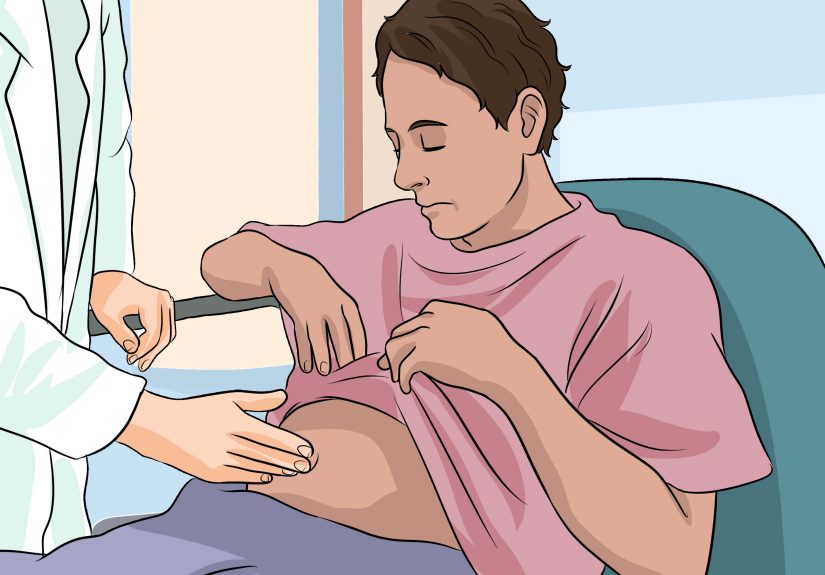
Step 5: Get a focused physical and neurologic exam
The next step is a targeted exam, not a generic “you seem fine from across the room” check. A clinician may evaluate cranial nerve function, voice quality, palate movement, gag reflex, cough strength, hydration status, heart rate, blood pressure lying and standing, abdominal findings, and signs of generalized neuropathy.
That exam won’t usually prove the diagnosis by itself, but it helps narrow the field. For instance, a breathy voice with weak cough may steer the workup toward vocal fold immobility. Orthostatic symptoms with abnormal heart-rate or blood-pressure changes may steer the workup toward autonomic dysfunction.
Step 6: Identify red flags that need urgent care
Not every vagus-nerve-related symptom can wait for a leisurely internet deep dive and a cup of coffee. Some deserve immediate attention.
Red flags include difficulty breathing, repeated choking or aspiration, inability to keep liquids down, fainting, severe dehydration, rapid unexplained weight loss, chest pain, or symptoms that suddenly worsen over hours to days. If both vocal folds are affected, breathing can become dangerous. If swallowing is impaired, aspiration pneumonia becomes a real concern.
Translation: if your body is making emergency noises, listen.
Step 7: Test swallowing if meals have become a contact sport
If swallowing symptoms are part of the story, proper testing matters. A bedside swallow exam may be the opening act, but many patients need more formal studies. Depending on the situation, clinicians may order a fiberoptic endoscopic evaluation of swallowing (FEES), a modified barium swallow or videofluoroscopic swallow study, flexible laryngoscopy, or sometimes pharyngeal manometry.
These tests help answer practical questions: Are liquids going down the wrong pipe? Are the throat muscles coordinating normally? Is there a structural issue, a muscular issue, or a nerve-related problem? That’s a much more useful conversation than “I guess swallowing is weird now.”
Step 8: Look directly at the vocal folds if the voice has changed
Persistent hoarseness, weak voice, poor projection, vocal fatigue, and weak cough often call for evaluation by an ENT or laryngologist. The key test is usually laryngoscopy, sometimes with videostroboscopy, to see whether one or both vocal folds are moving normally.
This is especially important because a branch of the vagus nerve controls much of vocal fold movement. If that branch is injured, you may see unilateral vocal fold immobility, a breathy voice, coughing with liquids, or trouble speaking for long periods. In selected cases, laryngeal electromyography (EMG) helps determine whether the muscles are receiving normal nerve signals and whether recovery looks possible.
That is one of the clearest examples of how doctors diagnose suspected vagus nerve injury: they do not just ask about the voice; they actually inspect the machinery.
Step 9: Check stomach emptying when nausea and early fullness dominate
Upper GI symptoms are one of the most common reasons people wonder about vagus nerve dysfunction. But symptoms like nausea, vomiting, bloating, and early fullness are not specific enough to confirm the problem. That is why symptoms alone do not diagnose gastroparesis.
If the stomach side of the story looks suspicious, the workup may include upper endoscopy or imaging to rule out a blockage, followed by a gastric emptying study. Gastric emptying scintigraphy is widely considered a standard objective test. In some settings, a gastric emptying breath test or wireless motility capsule may also be used.
This step matters because many things can mimic vagus-related digestive symptoms: ulcers, reflux, obstruction, medication effects, functional dyspepsia, and other motility disorders. A slow stomach is not something you want to diagnose by vibes alone.
Step 10: Assess heart-rate and blood-pressure responses if dizziness or fainting is part of the picture
If symptoms include lightheadedness, near-fainting, fainting, or feeling awful when standing, clinicians may evaluate the autonomic nervous system. This often starts with orthostatic vital signs and may progress to a tilt-table test.
The goal is to see whether blood pressure and heart rate respond normally to position changes. Abnormal findings may suggest autonomic neuropathy, orthostatic hypotension, POTS, or related dysautonomia patterns. While these conditions are not the same thing as isolated vagus nerve damage, they can overlap with broader autonomic dysfunction and absolutely belong in the differential.
Step 11: Add autonomic testing if the symptoms are broader than just the throat or stomach
When the symptom cluster includes sweating changes, heat intolerance, dizziness, bowel changes, abnormal heart-rate responses, or multiple organ systems acting suspiciously, more formal autonomic testing may be appropriate.
This can include tests such as QSART, thermoregulatory sweat testing, breathing-based autonomic reflex testing, and other specialized studies. These tests help determine whether the problem is localized or part of a wider autonomic neuropathy. That distinction matters because the treatment plan for isolated vocal fold paresis is very different from the plan for generalized autonomic failure.
Step 12: Use imaging and lab work to find the cause, not just the effect
Once clinicians identify the functional problem, they still have to ask why. Depending on the presentation, this can involve blood tests, medication review, diabetes screening, autoimmune labs, infection workup, MRI or CT imaging of the brain, neck, or chest, and evaluation for structural compression or post-surgical injury.
If someone has new vocal fold paralysis, imaging may be needed along the path of the nerve. If someone has broad autonomic symptoms, labs may look for metabolic, autoimmune, infectious, or medication-related causes. Diagnosis gets much better when it stops at “your stomach empties slowly” and continues to “here is the likely reason.”
Step 13: Rule out conditions that can look like vagus nerve damage
This step is easy to underestimate. Several conditions can impersonate vagus nerve damage well enough to fool even very worried patients and occasionally clinicians before testing is done.
Possible look-alikes include reflux disease, functional dyspepsia, medication side effects, vocal overuse injuries, muscle tension dysphonia, structural esophageal disorders, thyroid disease, anxiety-related hyperventilation, dehydration, vestibular disorders, generalized peripheral neuropathy, and other autonomic disorders.
That is why a careful workup matters. “It feels nerve-y” is not a diagnosis. Medicine, rude as ever, usually wants receipts.
Step 14: See the right specialist and connect the dots
The final step is often coordination. Depending on the dominant symptoms, the right specialist may be a neurologist, gastroenterologist, ENT/laryngologist, speech-language pathologist, or an autonomic disorders clinic. Many patients need more than one of these.
The best diagnosis usually comes from combining three things:
- a believable symptom pattern,
- objective testing that matches the affected function, and
- a search for the underlying cause.
That is the real answer to how to diagnose vagus nerve damage. It is less like one dramatic reveal and more like assembling a careful case file.
What a diagnosis usually looks like in real life
Despite the title of this article, clinicians do not usually hand a patient a single label that says “Yep, your vagus nerve is damaged, next question.” Instead, they often diagnose the specific problem caused by vagal dysfunction. That may sound like:
- Vocal fold paresis or paralysis after laryngoscopy and sometimes laryngeal EMG.
- Dysphagia with aspiration risk after FEES or a videofluoroscopic swallow study.
- Gastroparesis after delayed gastric emptying is documented and obstruction is excluded.
- Autonomic neuropathy or dysautonomia after tilt-table or other autonomic testing.
That specific diagnosis matters more than the catch-all phrase, because it shapes treatment, follow-up, and prognosis.
Experiences Related to “How to Diagnose Vagus Nerve Damage: 14 Steps”
People rarely walk into a clinic saying, “Hello, I believe cranial nerve X is underperforming.” Usually, the experience starts with something ordinary that slowly becomes too weird to ignore.
One common experience is the meal that turns into a mystery. Someone notices they feel full after a few bites, then nauseated, then oddly bloated for hours. At first they blame stress, spicy food, late dinners, Mercury being in retrograde, or all of the above. But when vomiting undigested food or persistent early fullness shows up, the problem stops feeling like “just a sensitive stomach.” Many patients describe frustration before diagnosis because the symptoms come and go, and standard labs may look normal. What finally moves the process forward is a clinician who says, “Let’s measure how your stomach is actually emptying,” instead of guessing.
Another common experience is the voice that no longer behaves. People describe sounding breathy, weak, raspy, or “not like themselves.” Teachers, singers, salespeople, and anyone who talks for a living often notice this fast. They may also feel like they run out of air while speaking or cough when drinking water. The experience is unsettling because the throat may not hurt much, yet the voice clearly is off. Many feel relieved when laryngoscopy is done, because at least now there is a visible explanation instead of vague reassurance.
Then there is the standing-up problem. Some patients start noticing dizziness, racing heart, tunnel vision, or near-fainting when they stand. They may feel better lying down and much worse in heat, after showers, or during long lines at stores, which is a terrible time to discover your autonomic system has become theatrical. These patients often describe a long road before proper testing because symptoms can be brushed off as anxiety, dehydration, or “just stress.” Tilt-table testing or formal autonomic testing can be validating, because it turns an invisible experience into measurable physiology.
Swallowing problems can be even more emotional. People may avoid restaurants, eat very slowly, or secretly fear choking in public. Some cough with liquids, some feel food sticking, and some simply begin dreading meals. What stands out in many real-world stories is not just the physical symptom, but the loss of confidence. Eating is supposed to be automatic. When it suddenly requires strategy, posture, caution, and backup water, people feel rattled. A proper swallowing evaluation often helps because it identifies whether the problem is coordination, weakness, aspiration, or something structural.
Across all these experiences, the biggest emotional pattern is the same: people want a clear explanation. They are tired of symptoms being chopped into unrelated pieces. The real progress often begins when one clinician zooms out and notices the pattern connecting voice, swallowing, digestion, or autonomic symptoms. That is why diagnosis can feel slow at first and then suddenly make sense. The puzzle was never simple, but the pieces were real all along.
Conclusion
Diagnosing vagus nerve damage is really about diagnosing the function that is failing and then identifying the cause. The 14-step approach is straightforward in principle: understand the nerve’s job, map symptoms carefully, review risk factors, perform a focused exam, use targeted tests for swallowing, voice, stomach emptying, or autonomic function, and rule out the many impostors that can mimic vagal problems.
If there is one takeaway worth underlining, it is this: do not try to confirm a vagus nerve problem by symptoms alone. The best diagnosis comes from pairing symptoms with objective testing. That may not be the most glamorous answer on the internet, but it is the answer most likely to keep you from going down the wrong rabbit hole. And in medicine, avoiding the wrong rabbit hole is sometimes half the battle.