Table of Contents >> Show >> Hide
- Why Faux Fur Needs Special Care
- Before You Start
- How to Clean Faux Fur: 10 Steps
- Step 1: Read the Care Label Like It Holds the Secrets of the Universe
- Step 2: Shake It Out and Remove Loose Debris
- Step 3: Spot-Treat Stains First
- Step 4: Choose Hand-Washing Whenever Possible
- Step 5: If Machine-Washing Is Allowed, Keep It Very Gentle
- Step 6: Skip Bleach and Fabric Softener
- Step 7: Rinse Thoroughly
- Step 8: Never Wring, Twist, or Aggressively Squeeze
- Step 9: Air-Dry Away from Heat
- Step 10: Brush and Fluff Once It Is Dry
- Can You Machine Wash Faux Fur?
- How to Spot-Clean Faux Fur Between Washes
- Common Mistakes to Avoid
- How to Keep Faux Fur Soft Longer
- Experience-Based Tips: What People Usually Learn the Hard Way
- Final Thoughts
Faux fur is glamorous, cozy, and just dramatic enough to make a blanket, coat, pillow, or vest feel like it belongs in a penthouse suite. Unfortunately, faux fur is also a little high-maintenance. It loves to trap dust, crumbs, pet hair, mystery lint, and the occasional snack evidence. It can also mat, clump, and lose its fluffy charm if you wash it the wrong way. In other words, faux fur is soft and fabulous, but it absolutely has opinions.
The good news is that cleaning faux fur is not difficult when you use the right method. In most cases, the winning formula is simple: cold water, gentle handling, mild detergent, and zero heat drama. Whether you are cleaning a faux fur coat, a throw blanket, a pillow cover, or decorative trim, the goal is the same: clean the fibers without crushing, melting, or tangling them into a sad fuzzy pancake.
This guide breaks the process into ten practical steps, plus extra tips for stain removal, drying, brushing, and keeping faux fur fluffy for the long haul. If your faux fur has been through a winter, a move, a movie night, or a toddler, you are in the right place.
Why Faux Fur Needs Special Care
Faux fur is usually made from synthetic fibers such as polyester, acrylic, or modacrylic attached to a backing fabric. That construction is exactly why it feels plush and luxurious, but it is also why it can react badly to heat, harsh chemicals, and rough washing. Hot water can distort the fibers. High dryer heat can flatten or melt them. Aggressive scrubbing can turn smooth fur into a tangled mop with emotional damage.
That does not mean faux fur is fragile in a museum-piece way. It just means you need to treat it more like a delicate fabric than a gym towel. Think spa day, not car wash.
Before You Start
Before diving into the ten steps, gather a few basics:
- Mild detergent for delicates
- Cool or cold water
- A clean towel or two
- A soft-bristle brush, wide-tooth comb, or pet slicker brush
- A sink, tub, basin, or washing machine if the care label allows it
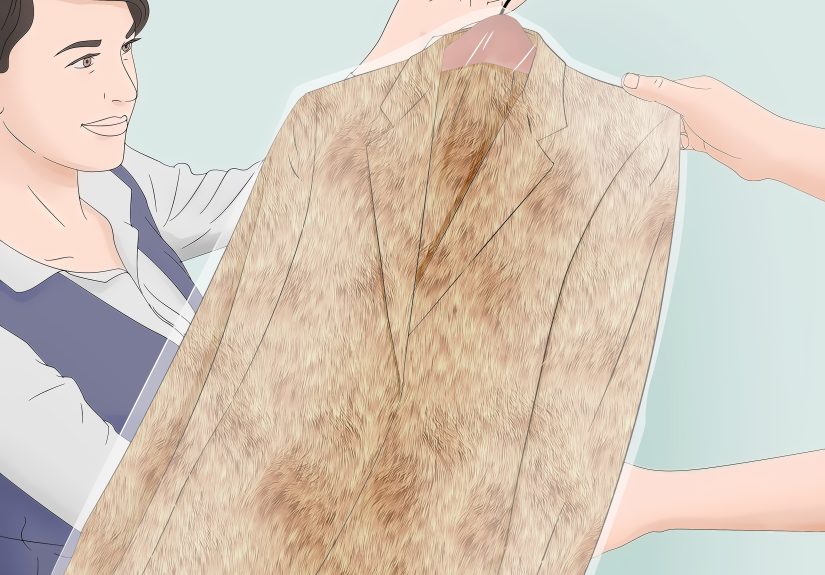
Also, check the care label first. Some faux fur items can be washed at home, while others are labeled dry-clean only. If the label says not to wash it, listen to the label. It may not be fun, but neither is ruining your favorite jacket.
How to Clean Faux Fur: 10 Steps
Step 1: Read the Care Label Like It Holds the Secrets of the Universe
Start with the manufacturer’s instructions. This is the fastest way to know whether your faux fur can be hand-washed, machine-washed, or should go to a professional cleaner. Blanket, coat, vest, rug, and trim pieces may all have different care requirements, even when they look nearly identical. A washable faux fur throw is not the same thing as faux fur glued onto a hood or stitched onto a structured garment.
If the label says dry clean only, do not decide you are suddenly a laundry rebel. That is how people end up with one child-sized blanket and several regrets.
Step 2: Shake It Out and Remove Loose Debris
Before washing, take the item outside or over a bathtub and give it a good shake. This removes surface dust, lint, and loose debris. If you are cleaning faux fur used around pets, this step matters a lot. The fur may be fake, but the pet hair situation is painfully real.
After shaking, lightly brush the fibers in the direction of the pile. This helps loosen crumbs, tangles, and matted areas before water enters the chat. Be gentle. You are detangling, not interrogating.
Step 3: Spot-Treat Stains First
If the faux fur has visible stains, handle them before washing the entire item. Mix a tiny amount of mild detergent with cool water and dab the stained area with a clean cloth. Work carefully and avoid heavy rubbing. Faux fur hates aggressive scrubbing because friction can push the stain deeper and twist the fibers into knots.
For greasy spots, makeup smudges, or mystery marks from life in general, blot first and then dab. If the stain is stubborn, repeat the process instead of escalating into a full-on scrub battle. Always test your cleaning solution on a hidden spot first to make sure the backing and color stay happy.
Step 4: Choose Hand-Washing Whenever Possible
If you want the safest method, hand-washing is usually the best choice. Fill a sink, basin, or tub with cold water and add a small amount of mild detergent. You do not need a soap tsunami. In fact, too much detergent can cling to the fibers and make faux fur feel stiff or dull after drying.
Submerge the item and gently move it through the water. Think slow swishing, not wrestling an alligator. Let it soak briefly if needed, especially if it is a blanket or a heavily used item that picked up body oils or dust.
Step 5: If Machine-Washing Is Allowed, Keep It Very Gentle
If the care label says the item is machine-washable, use the delicate or gentle cycle with cold water. A mesh laundry bag can help protect smaller items, trims, and accessories. Choose the lowest spin speed available, or at least a reduced spin. Too much agitation can mat the pile and stress the backing.
Wash faux fur separately or only with similarly soft items. Do not cram it into an overloaded machine. Faux fur needs room to move, rinse, and emerge with at least some dignity intact.
Step 6: Skip Bleach and Fabric Softener
Bleach is too harsh for faux fur, and fabric softener is not the fluffy miracle people assume it is. Softener can leave residue on synthetic fibers, reduce softness over time, and weigh down the pile. Use a gentle detergent and call it a day.
If you are tempted to improvise with strong stain removers, brighteners, or heavily fragranced laundry boosters, pause. Faux fur does not need a chemistry experiment. It needs a calm, boring wash routine that works.
Step 7: Rinse Thoroughly
After washing, rinse the item with cool water until no suds remain. Leftover detergent is one of the easiest ways to make faux fur feel rough, sticky, or less plush after drying. Keep rinsing until the water runs clean and the fibers feel free of soap.
This is especially important for thicker items like throws, rugs, and oversized jackets, which can hide detergent deep in the backing.
Step 8: Never Wring, Twist, or Aggressively Squeeze
This is the step where many good intentions go bad. Do not wring faux fur like a beach towel. Twisting can distort the shape, stress seams, and turn the pile into a tangled mess. Instead, gently press out excess water with your hands.
Then place the item on a clean, dry towel, roll it up, and press lightly to absorb more moisture. This towel-roll trick helps remove water without crushing the fibers. If needed, repeat with a second towel. Your faux fur should be damp, not dripping, before drying.
Step 9: Air-Dry Away from Heat
Lay the item flat on a drying rack or clean towel in a well-ventilated area. Some garments can be hung if their shape allows it, but heavy wet faux fur often dries more evenly when laid flat. Keep it away from direct heat, radiators, irons, sunny windows, and hot dryers.
Heat is the villain in most faux fur disasters. It can melt synthetic fibers, weaken adhesive in trimmed items, and cause matting that is difficult or impossible to reverse. If you want fluff, patience is your best appliance.
Step 10: Brush and Fluff Once It Is Dry
Once the faux fur is fully dry, brush it gently with a soft-bristle brush, wide-tooth comb, or slicker brush. For blankets and larger pieces, brushing in sections works best. This separates the fibers, restores volume, and helps bring back that soft, cloudlike texture you were aiming for.
If a few areas still look clumpy, fluff them lightly by hand. Some people also refresh matted faux fur with a cool blow-dryer setting or a very brief no-heat dryer tumble, but only if the item’s care instructions allow it and only with zero heat. That part is not the moment to get adventurous.
Can You Machine Wash Faux Fur?
Sometimes yes, sometimes absolutely not. Machine washing is usually fine for washable faux fur blankets, pillow covers, and certain garments labeled for home laundering. It is a much riskier choice for structured coats, faux fur with glued trim, lined fashion pieces, and anything marked dry-clean only.
If you machine wash faux fur, remember the golden rules: use cold water, choose the gentle cycle, use mild detergent, keep the spin low, and skip high heat entirely. In laundry terms, you are trying to be a quiet guest, not the main character.
How to Spot-Clean Faux Fur Between Washes
Not every faux fur item needs a full wash every time it looks a little tired. Spot-cleaning is often enough for collars, cuffs, decorative pillows, slippers, or blanket corners that caught a spill. Blot the area with a damp cloth and mild soap solution, then rinse by blotting again with plain cool water. Let the area air-dry and brush it afterward.
This lighter method helps reduce wear from over-washing, which matters because frequent laundering can eventually flatten the pile. Faux fur, like many dramatic things, does better with occasional maintenance than constant interference.
Common Mistakes to Avoid
- Using hot water
- Putting faux fur in a hot dryer
- Scrubbing stains too hard
- Using bleach or fabric softener
- Wringing out excess water
- Brushing when the item is still soaking wet
- Ignoring the care label because “it’ll probably be fine”
That last one deserves special attention. “It’ll probably be fine” is responsible for many household tragedies, including overwatered succulents, broken pasta jars, and ruined faux fur.
How to Keep Faux Fur Soft Longer
Maintenance matters just as much as washing. Shake out throws and pillows regularly. Brush faux fur gently when it starts to look flat. Store items clean and completely dry. Do not crush them under heavy boxes or pack them so tightly that the pile gets permanently flattened.
If you wear faux fur often, especially in winter, try to clean small stains quickly and give the piece a light brushing now and then. A little routine upkeep is much easier than trying to resurrect a matted coat after months of neglect.
Experience-Based Tips: What People Usually Learn the Hard Way
The funniest thing about faux fur is that people tend to underestimate it right up until the first laundry mistake. At first glance, it looks sturdy. It seems like the sort of thing you can toss into the washer with a few sweaters, add a generous amount of detergent, and call it a productive afternoon. Then it comes out looking like a damp woodland creature that has seen things. That first experience teaches a lesson quickly: faux fur is not difficult, but it is specific.
One common experience is with faux fur throw blankets. People buy them because they are soft, cozy, and frankly irresistible on a chilly night. But after a month on the couch, they start collecting crumbs, pet hair, and the invisible build-up that comes from daily use. The first instinct is often to wash them the same way as regular blankets. That is usually when owners discover that high heat is not their friend. The blanket may come out clean, but suddenly the silky pile feels rougher, flatter, or oddly clumped in patches. After that, most people become lifelong members of the cold-water, air-dry club.
Another experience happens with faux fur coat collars and cuffs. These areas pick up makeup, skin oils, perfume, and whatever the weather throws at them. People often try to scrub these sections clean, only to find the fibers knotting together. Once that happens, they realize that blotting and gentle dabbing work far better than vigorous rubbing. It is a classic case of doing less and getting better results, which is a rare and beautiful thing in life.
Then there is the brushing lesson. A lot of people do not realize how much difference a gentle brush makes until they try it. Faux fur can look tired after washing, even when it has actually been cleaned correctly. That moment can be mildly terrifying. But once the item dries and gets a careful pass with a wide-tooth comb or soft brush, the fluff starts to come back. Suddenly the whole piece looks revived. It is one of those deeply satisfying before-and-after moments that makes you feel wildly competent.
People with pets have their own special faux fur experiences too. Faux fur attracts pet hair like it has a personal invitation. Regular shaking, light brushing, and spot-cleaning become part of the routine, and most pet owners eventually learn not to wait until the item looks visibly dirty. Small, frequent maintenance is easier than one huge rescue mission later.
What nearly everyone learns, eventually, is that faux fur responds best to patience. Cold water, mild soap, towels, air-drying, and brushing may not sound exciting, but they work. And once you have cleaned faux fur the right way once or twice, it stops feeling mysterious. It becomes one of those household skills you quietly brag about when someone says, “I ruined mine in the dryer.”
Final Thoughts
Cleaning faux fur is mostly about restraint. Use less heat, less force, and less detergent than your instincts may suggest. If you check the label, treat stains gently, wash with cold water, skip harsh products, and let the item air-dry before brushing it back to life, faux fur can stay soft and fluffy for a long time.
So yes, faux fur is a little dramatic. But with the right care routine, it stays gorgeous, cozy, and fully prepared for its next glamorous appearance on your couch, your bed, or your winter wardrobe.