Table of Contents >> Show >> Hide
- Bulimia in One Minute (No Lecture, Promise)
- Why Your Teeth Take the Biggest Hit: Acid + Time = Trouble
- “Bulimia Teeth” Isn’t Just One ProblemIt’s a Domino Line
- Saliva: Your Mouth’s Built-In “Acid Cleanup Crew”
- Gums and Soft Tissues: Not Just Teeth on the Battlefield
- “Chipmunk Cheeks”: Salivary Gland Swelling Can Happen
- How Dentists Often Spot the Pattern (and Why They Ask “Weird” Questions)
- What Actually Helps: Dental Protection Strategies That Don’t Shame You
- Talking to Your Dentist (Without Feeling Like You’re on Trial)
- When to Seek Help (For Your Mouthand for You)
- Real-World Experiences: What People Notice (and What Helps)
- SEO Tags
Bulimia doesn’t just mess with your relationship with foodit can also pick a fight with your teeth, gums, and
everything in your mouth that was hoping to have a peaceful life. And the unfair part? Your teeth didn’t sign up
for this. They’re just standing there… being teeth… and suddenly they’re getting hit with stomach acid like it’s a
surprise dunk tank at a county fair.
This article breaks down what’s happening inside your mouth, why certain dental problems show up so fast (or sneak
up quietly), and what genuinely helps protect your dental health while you get the support you deserve. Because yes:
recovery is possible, and yes: your smile is worth protecting.
Quick note: This is educational information, not personal medical or dental advice. If you suspect
bulimia or already know you’re dealing with it, you’re not aloneand a healthcare professional can help.
Bulimia in One Minute (No Lecture, Promise)
Bulimia nervosa is an eating disorder that involves recurring episodes of binge eating followed by compensatory
behaviors (often vomiting) that are aimed at preventing weight gain. It’s a serious medical and mental health
conditionand it’s treatable. The body and brain can heal, especially with early support.
Why Your Teeth Take the Biggest Hit: Acid + Time = Trouble
Your tooth enamel is the tough outer shell that protects the more sensitive inner layers. It’s strongbut it’s not
invincible. When stomach acid repeatedly enters the mouth, it can soften and dissolve enamel. This is called
dental erosion. Once enamel is lost, it doesn’t “grow back” the way skin does.
Enamel erosion: the “silent sanding” effect
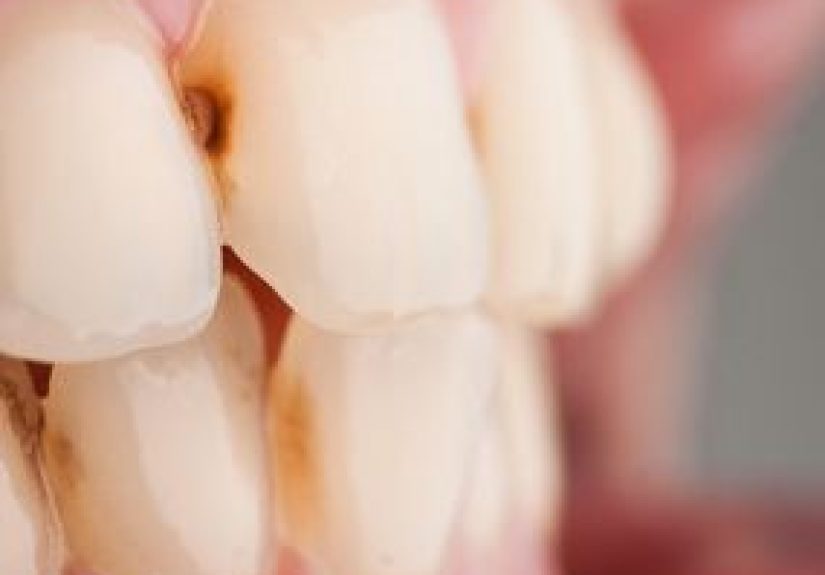
Acid exposure can gradually wear teeth down. Over time, teeth may look smoother, thinner, or more translucent at the
edges. Some people notice color changes (more yellow, because the underlying dentin shows through), or that their
teeth feel “different” when bitinglike the surface isn’t as crisp as it used to be.
Erosion also increases the risk of chipping and cracking, because enamel is your tooth’s armor. If the armor gets
thinner, the tooth becomes more vulnerable. And no, your teeth are not being dramaticthey’re being chemically
dissolved. That’s a valid complaint.
“Bulimia Teeth” Isn’t Just One ProblemIt’s a Domino Line
Dental issues linked to bulimia usually don’t show up as a single, obvious symptom. Instead, it’s a chain reaction.
Acid exposure softens enamel, dry mouth reduces protection, and changes in eating patterns can raise cavity risk.
One issue makes the next issue more likelylike an overly committed group project where nobody can drop the class.
Tooth sensitivity (hot/cold hurts, and sometimes breathing hurts too)
As enamel thins, nerves inside your teeth become more exposed. That can trigger sensitivity to cold air, hot coffee,
ice cream, sweet foods, and sometimes even “existing.” Sensitivity is one of the most common early complaints.
Cavities and decay: when enamel is weaker, bacteria have a better day
Tooth decay begins when bacteria produce acids that attack enamel. If enamel is already worn down by erosion, the
tooth has less defense. Add dry mouth (less saliva), and bacteria can get a longer runway to cause damage.
Also: many people with eating disorders rely on sweet drinks or candy for energy, especially when nutrition is
inconsistent. Frequent sugar exposure can increase caries (cavity) risk. This isn’t about blameit’s about chemistry.
Saliva: Your Mouth’s Built-In “Acid Cleanup Crew”
Saliva is underrated. It helps wash away acids, buffers (neutralizes) harmful pH changes, and supports
remineralizationbasically, it’s your mouth’s cleanup and repair team.
But bulimia can be associated with xerostomia (dry mouth), often related to dehydration and sometimes
medication side effects. Dry mouth raises the risk of tooth decay and oral infections because saliva helps keep germs
in check.
What dry mouth feels like
- Sticky or cottony feeling in the mouth
- Thicker saliva (or hardly any saliva)
- Trouble swallowing dry foods
- Bad breath that feels impossible to beat
- More frequent cavities despite “doing everything right”
Gums and Soft Tissues: Not Just Teeth on the Battlefield
Acid and irritation can inflame gums and soft tissues. Some people develop gingivitis (gum inflammation) that can
progress if plaque builds up or if dry mouth and inflammation persist. Mouth sores, irritated throat tissues, and
a chronic sore-throat feeling can also occur with repeated exposure to stomach acid.
Signs that aren’t “just annoying”
- Bleeding gums when brushing or flossing
- Persistent mouth soreness or burning sensations
- Cracks or soreness at the corners of the mouth
- Bad breath that doesn’t improve with normal hygiene
“Chipmunk Cheeks”: Salivary Gland Swelling Can Happen
Some people develop swelling of the salivary glands (especially the parotid glands), which can make the cheeks look
puffy. It can be uncomfortable and sometimes tender. This swelling can be a marker of repeated vomiting and may
fluctuate over time.
If you notice facial swelling, it’s worth mentioning to a medical professionalbecause it can have multiple causes,
and you deserve a clear answer and real care.
How Dentists Often Spot the Pattern (and Why They Ask “Weird” Questions)
Dentists may notice erosion patterns that are more common with acid exposureespecially on the inside (palatal/
lingual) surfaces of the upper front teeth. Sometimes dental erosion can take months to become visibly obvious, so a
person may feel sensitivity before a dentist can clearly see changes.
If a dentist asks about eating habits, reflux, or vomiting, it can feel invasive. But often they’re trying to solve
the puzzle behind the damage so they can protect your teeth and reduce pain. Good dental practices also protect
confidentiality. You deserve a dentist who is respectful, nonjudgmental, and focused on helping.
What Actually Helps: Dental Protection Strategies That Don’t Shame You
The best way to stop dental damage long-term is to stop ongoing acid exposureand that usually means getting support
for the eating disorder itself. But dental protection matters right now, too, especially for pain and preventing
rapid progression.
After vomiting: protect softened enamel (this part matters)
-
Don’t brush right away. Brushing immediately can scrub softened enamel and worsen erosion.
Many dental professionals recommend waiting up to an hour before brushing. -
Rinse instead. Swish with plain water to reduce acidity. Some clinical guidance also mentions
using a slightly basic solution (such as baking soda/sodium bicarbonate) or fluoride-containing rinses to help
neutralize acid. - Clean the tongue gently. Acid can linger on the tongue; gentle cleaning can help reduce exposure.
Daily basics that matter more than “perfect”
- Use fluoride toothpaste (fluoride helps prevent and even reverse early tooth decay).
- Floss or clean between teeth daily (plaque hides where toothbrushes don’t reach).
-
Ask about professional fluoride options (varnish, prescription-strength toothpaste, or custom
trays with neutral fluoride gel may be recommended for higher-risk patients). -
Support saliva. Sugar-free gum with xylitol or xylitol lozenges may help stimulate saliva flow,
which can help protect teethespecially if dry mouth is an issue.
Dental treatment: what your dentist can do
Dental care often focuses on three goals: reduce pain, slow damage, and rebuild function/appearance when needed.
Depending on severity, treatments can include desensitizing therapies, fluoride-based strengthening, fillings,
bonding, crowns, or veneers. For complex restorative work, many clinicians prefer that eating behaviors are stable
firstbecause ongoing acid exposure can damage new dental work too.
Talking to Your Dentist (Without Feeling Like You’re on Trial)
If you’re worried about judgment, you’re not alone. But here’s the practical truth: a dentist can help more when they
understand what’s causing the erosion. You don’t have to share every detail. Even a simple statement like
“I’m dealing with acid exposure and sensitivity” can open the door to protective care.
If it helps, you can ask for:
- High-fluoride prevention options
- Low-abrasion hygiene recommendations
- Help managing sensitivity and dry mouth
- A plan that focuses on protection now and restoration later
When to Seek Help (For Your Mouthand for You)
If you suspect bulimia, or if you recognize yourself in this article, consider reaching out for professional support.
Eating disorders are serious illnesses, but treatment worksand early support can prevent lasting complications.
If you’re in the U.S., organizations like the National Eating Disorders Association (NEDA) can help you find resources.
If you feel in immediate danger or overwhelmed, contacting emergency services or the 988 Suicide & Crisis Lifeline
can provide immediate support.
Real-World Experiences: What People Notice (and What Helps)
When people talk about bulimia and dental health, they often describe the experience in a way that’s both painfully
specific and weirdly relatable: “My teeth feel thin,” “Cold water hurts like a jump scare,” or “I started smiling
with my lips closed without realizing it.” Dental changes can affect confidence, eating comfort, and even how safe a
person feels in social settings.
Experience #1: The ‘I can’t drink ice water anymore’ phase.
A lot of people first notice sensitivitynot cavities, not a dramatic tooth break, just that everyday things start
stinging. Ice water, hot coffee, citrus, even mint toothpaste can feel like an insult. What tends to help here is
not “brushing harder” (your enamel would like to file a complaint) but getting professional help early:
desensitizing toothpaste, fluoride treatments, and a dentist who can spot erosion patterns and protect exposed dentin.
Experience #2: The surprise-cavity cycle.
Some people feel frustrated because they’re trying to keep up with hygiene, but cavities still show up. That’s
often where dry mouth and enamel weakening team up. Less saliva means less buffering against acids and bacteria, and
weakened enamel means tooth surfaces lose minerals more easily. People often report that shifting to fluoride-based
prevention (sometimes prescription-strength) and adding saliva-support strategieslike xylitol gum, hydration support,
and dry-mouth productscan make a noticeable difference.
Experience #3: The dentist appointment anxiety spiral.
Dental visits can be emotionally loaded. Some people worry a dentist will “figure it out,” and that fear keeps them
awayright when early protection could help most. When someone does find a supportive dentist, the story often changes:
appointments become less about shame and more about problem-solving. Practical steps like “We’ll treat sensitivity first,”
“We’ll watch erosion,” and “We’ll plan cosmetic fixes later when things are stable” can reduce panic and build trust.
Experience #4: The ‘I didn’t know rinsing mattered’ discovery.
Many people learn (often late) that brushing immediately after vomiting can worsen erosion because enamel is softened
by acid. Rinsing with water, using a basic or fluoride-containing rinse, and waiting before brushing can feel like a
small actionbut it’s a meaningful protective habit. People describe it as a rare moment where something is actually
doable in the middle of a hard situation.
The most consistent “what helps” theme isn’t a magic productit’s support and stabilization. As eating disorder
behaviors improve, many oral symptoms can improve too, and dental teams can focus on rebuilding comfort and confidence.
If you’re in this right now: you deserve care that’s kind, practical, and focused on your healthnot your guilt.