Table of Contents >> Show >> Hide
- What Are Honey Packs for Male Enhancement?
- Why Honey Packs Became So Popular
- Are Honey Packs Safe?
- The Main Risk: Hidden Viagra- or Cialis-Like Ingredients
- Possible Side Effects of Male Enhancement Honey Packs
- Who Should Avoid Honey Packs?
- Do Honey Packs Actually Work?
- Honey Packs vs. Prescription ED Medication
- Common Marketing Red Flags
- What to Do If You Already Took a Honey Pack
- Safer Ways to Address Erectile Dysfunction
- How to Talk to a Doctor Without Feeling Awkward
- Should You Ever Use Honey Packs?
- Experience Notes: Real-World Situations Around Honey Packs
- Conclusion: Sweet Package, Bitter Risk
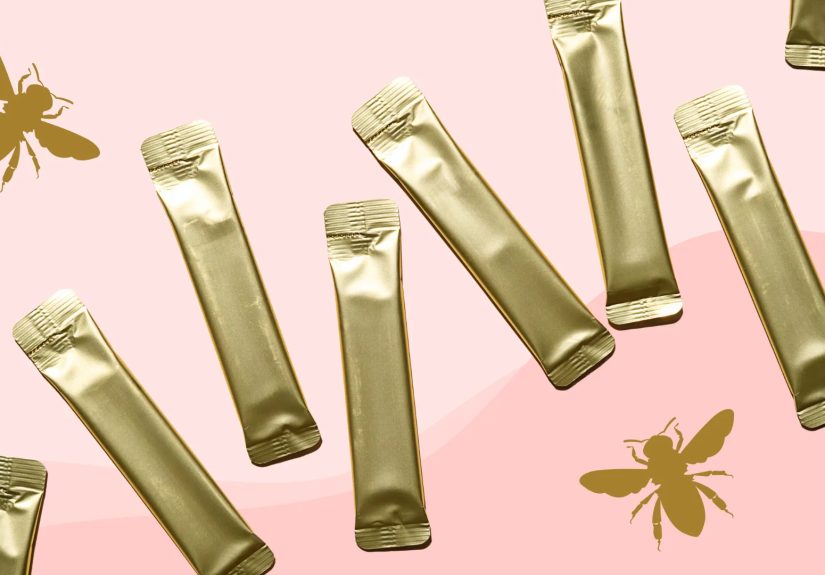
Honey packs for male enhancement have become one of those internet products that seem to appear everywhere: gas stations, social media ads, online marketplaces, and late-night group chats where nobody wants to admit they clicked the link first. They are usually sold in tiny tear-open packets and promoted with bold promises about stamina, stronger erections, confidence, and “natural” bedroom performance. The packaging often looks harmless. It is honey, after all. What could possibly go wrong with something that belongs in tea?
Quite a lot, actually. The big question is not whether honey itself is dangerous. Plain honey is a food. The real concern is that many “male enhancement honey” products are not just honey. Some have been found to contain hidden prescription drug ingredients, including sildenafil and tadalafil, the active ingredients in Viagra and Cialis. That changes the conversation from “sweet snack” to “unlabeled medication roulette,” which is less romantic than the marketing department promised.
This article breaks down what honey packs are, why they are popular, what the safety concerns are, who should avoid them, and what safer options exist for men dealing with erectile dysfunction, low confidence, or performance anxiety.
What Are Honey Packs for Male Enhancement?
Honey packs are small single-serving sachets of honey or honey-flavored syrup marketed for sexual enhancement. They may be labeled with phrases such as “royal honey,” “VIP honey,” “energy honey,” “men’s honey,” “performance honey,” or “natural male enhancement.” Some claim to contain herbs, royal jelly, ginseng, tongkat ali, maca, horny goat weed, or other botanical ingredients.
The appeal is obvious. A packet looks discreet, portable, and easy to use. There is no pharmacy visit, no awkward conversation with a doctor, and no prescription bottle rattling around in a nightstand drawer. For men who feel embarrassed about erectile dysfunction or sexual performance, that low-friction promise can be powerful.
But “easy to buy” does not equal “safe to use.” Male enhancement honey packs often exist in a gray area of aggressive marketing, limited transparency, and inconsistent quality control. Some products are sold as dietary supplements, while others use vague language that hints at drug-like effects without clearly saying so. That kind of marketing can make it hard for consumers to know what they are actually taking.
Why Honey Packs Became So Popular
Sexual performance products sell because they speak to insecurity, curiosity, and convenience. Honey packs add one more ingredient: the magic word “natural.” Many consumers assume a natural product must be gentler than a prescription medication. Unfortunately, that assumption can be misleading.
Natural substances can have real effects. They can also cause side effects, interact with medications, or be contaminated with undisclosed ingredients. Even worse, when a product is marketed as a supplement but secretly contains prescription-strength drugs, the user loses the most important safety tool: informed choice.
The “Natural” Halo Effect
The “natural” label creates what marketers love and doctors side-eye: a halo effect. If a product contains honey, herbs, and a gold-colored package, it can feel safer than a tablet prescribed for erectile dysfunction. But safety depends on the actual ingredients, dose, manufacturing quality, user health status, and medication interactions. A mystery packet with a bee on the front is not a medical evaluation.
The Discreet Purchase Factor
Another reason honey packs are popular is privacy. Men may buy them because they want to avoid talking about erectile dysfunction. That is understandable, but it can also delay diagnosis of underlying health issues. ED can be related to blood flow, diabetes, high blood pressure, high cholesterol, medication side effects, stress, anxiety, sleep problems, low testosterone, or cardiovascular disease. Treating the symptom with a mystery supplement may hide an important health signal.
Are Honey Packs Safe?
The safest answer is: you should be cautious, and you should not assume male enhancement honey packs are safe just because they are sold online or labeled as natural. Plain honey is generally a food. Male enhancement honey packs are a different category because they are promoted for sexual effects and may contain added substances.
The biggest safety concern is undeclared drug ingredients. U.S. regulators have repeatedly warned consumers about honey-based sexual enhancement products found to contain hidden sildenafil, tadalafil, or similar compounds. These ingredients are prescription medications for a reason. They can be effective for erectile dysfunction when used appropriately, but they are not safe for everyone and should be taken under medical supervision.
The Main Risk: Hidden Viagra- or Cialis-Like Ingredients
Sildenafil and tadalafil are part of a class of medications called PDE5 inhibitors. They help increase blood flow to the penis in response to sexual stimulation. When prescribed by a clinician, the dose, timing, health history, and medication interactions can be reviewed. When hidden inside a honey packet, none of that safety process happens.
This matters because PDE5 inhibitors can interact with nitrates, such as nitroglycerin, which are used by some people with chest pain or heart disease. Combining nitrates with sildenafil or tadalafil can cause blood pressure to drop dangerously low. That can lead to dizziness, fainting, heart complications, or medical emergencies. Not exactly the candlelit evening anyone had in mind.
There is another issue: the dose may be unknown. A packet may contain too little, too much, or inconsistent amounts from batch to batch. A prescription pill has standardized manufacturing requirements. A questionable supplement packet may not. That uncertainty makes side effects and interactions harder to predict.
Possible Side Effects of Male Enhancement Honey Packs
Side effects depend on what is actually inside the product. If a honey pack contains hidden PDE5 inhibitors, possible side effects may resemble those of ED medications. These can include headache, flushing, stuffy nose, indigestion, dizziness, back pain, muscle aches, and vision changes. Some users may also experience a racing heartbeat, nausea, or a sudden drop in blood pressure.
More serious warning signs include chest pain, fainting, severe dizziness, sudden vision or hearing changes, allergic reactions, or an erection lasting more than four hours. A prolonged erection, called priapism, is a medical emergency because it can damage penile tissue.
If a product contains other hidden ingredients, the risks become even less predictable. Some FDA warnings have identified honey-style products with additional undeclared drugs, such as pain relievers or anti-inflammatory medications. Those ingredients can create separate risks, especially for people with liver disease, stomach ulcers, kidney problems, bleeding risk, or those taking multiple medications.
Who Should Avoid Honey Packs?
Some people should be especially cautious and should avoid male enhancement honey packs unless a healthcare professional has reviewed the specific product and their health history. That includes anyone taking nitrates for chest pain or heart disease, anyone with serious heart disease, anyone with very low blood pressure, and anyone advised not to have sexual activity for cardiovascular reasons.
Men taking blood pressure medications, alpha-blockers, certain antifungal drugs, HIV medications, or multiple prescriptions should also be careful because interactions can happen. People with diabetes, high cholesterol, hypertension, kidney disease, liver disease, bleeding disorders, or a history of stroke or heart attack should not gamble with unknown ingredients.
Men who already use prescription ED medication should not stack honey packs on top of it. Doubling up does not double the romance; it may double the risk. Combining unknown honey products with sildenafil, tadalafil, vardenafil, or avanafil can increase the chance of side effects, low blood pressure, and other complications.
Do Honey Packs Actually Work?
Some users claim honey packs “work,” but that does not prove the herbal formula is effective. If a product produces a strong drug-like effect, one possible explanation is that it contains a hidden drug ingredient. That is the uncomfortable truth behind many fast-acting “natural” enhancement products.
High-quality clinical evidence supporting honey packs as a safe and effective treatment for erectile dysfunction is lacking. Honey contains carbohydrates and small amounts of antioxidants, but there is no strong evidence that ordinary honey can reliably treat ED. Herbs sometimes included in enhancement products may have limited or mixed research, but results vary by ingredient, dose, product quality, and individual health factors.
In short: if a honey pack works dramatically and quickly, it may not be because honey suddenly became a urologist. It may be because the product contains something stronger than the label admits.
Honey Packs vs. Prescription ED Medication
Prescription ED medications are not perfect, but they have one major advantage: transparency. A prescribed medication tells you the active ingredient, dose, expected duration, contraindications, and known side effects. A clinician can determine whether the medication is appropriate based on your health history.
Honey packs often provide none of that certainty. The label may list herbs and honey but omit hidden pharmaceuticals. The packet may not clearly state the manufacturer, lot number, expiration date, or quality testing. If something goes wrong, it may be difficult to know what was consumed.
This does not mean every prescription ED medication is safe for every person. It means the safer route is a medically guided route. ED medications should be matched to the person, not bought like a mystery flavor at a convenience store counter.
Common Marketing Red Flags
Consumers should be skeptical of any male enhancement product that promises instant results, extreme stamina, permanent penis enlargement, “no side effects,” or prescription-level performance without a prescription. These claims are often too good to be true.
Other red flags include labels that say “all natural” while promising drug-like effects, products sold only through sketchy online stores, packaging with no clear company information, foreign-language labels without complete English ingredient details, fake celebrity endorsements, dramatic before-and-after claims, and pressure tactics such as “limited stock” or “secret formula.”
Also be cautious with products sold in single-serving packets that look like candy, energy gel, or food. The format may feel casual, but the hidden ingredients can be anything but casual.
What to Do If You Already Took a Honey Pack
If you took a honey pack and feel fine, do not panic. But do not assume the product is safe for future use. Save the package, note the name and where you bought it, and consider discussing it with a healthcare professional, especially if you take medications or have heart, blood pressure, kidney, liver, or diabetes-related concerns.
Seek urgent medical help if you experience chest pain, fainting, severe dizziness, shortness of breath, sudden vision or hearing loss, severe allergic symptoms, or an erection lasting more than four hours. Be honest with medical staff about what you took. They are not there to judge your shopping habits; they are there to keep you alive and functioning.
Safer Ways to Address Erectile Dysfunction
If you are considering honey packs because of erectile dysfunction, the better move is to treat ED as a health topic, not a personal failure. ED is common, and it is often treatable. A clinician may check blood pressure, blood sugar, cholesterol, hormone levels, medication side effects, mental health, sleep quality, and cardiovascular risk.
Medical Evaluation
A medical evaluation can identify whether ED is related to circulation, nerve function, hormones, stress, anxiety, relationship issues, or medication side effects. This matters because ED can sometimes be an early warning sign of broader vascular problems. Fixing the root cause is better than repeatedly chasing temporary effects.
Prescription Treatments
For many men, FDA-approved oral medications such as sildenafil, tadalafil, vardenafil, or avanafil may be appropriate. These medicines are not aphrodisiacs and do not create desire by themselves. They help improve blood flow when sexual stimulation occurs. A clinician can explain timing, dosage, side effects, and whether they are safe with your current medications.
Lifestyle Improvements
Lifestyle changes can also improve erectile function, especially when ED is related to blood flow. Regular exercise, weight management, better sleep, quitting smoking, reducing heavy alcohol use, managing stress, and improving heart health may all help. These changes are not as flashy as a gold packet, but they have a better long-term résumé.
Mental Health and Relationship Support
Performance anxiety can create a frustrating loop: one bad night leads to worry, worry leads to pressure, and pressure makes the next night harder. Counseling, sex therapy, honest partner communication, and stress management can help break that cycle. Sometimes the best “male enhancement” is less panic and more patience.
How to Talk to a Doctor Without Feeling Awkward
Many men avoid medical help because they feel embarrassed. Doctors, however, discuss ED all the time. It is a standard health concern, not a confession booth. You can keep it simple: “I have been having trouble getting or keeping erections, and I want to know what is safe.” That one sentence is enough to start the conversation.
If you have used honey packs, say so. Bring the packet or a photo of the label. Mention any side effects, other medications, heart symptoms, or supplements you take. The more information you provide, the safer the advice will be.
Should You Ever Use Honey Packs?
Because of the history of undeclared ingredients in male enhancement honey products, the safest recommendation is to avoid honey packs marketed for sexual performance, especially if they promise fast or dramatic results. There is no reliable way for the average consumer to confirm what is inside a packet unless it has credible third-party testing, transparent labeling, and no drug-like claims.
Even then, third-party testing does not turn a supplement into an ED treatment. If you are dealing with persistent erection problems, low libido, or performance concerns, a healthcare professional can help you choose a safer and more effective path.
Experience Notes: Real-World Situations Around Honey Packs
Many men first hear about honey packs from a friend, a viral post, or a small store display near the checkout counter. The experience often starts with curiosity rather than a firm medical need. Someone says, “This worked for me,” and the product sounds harmless because it is packaged like food. That casual recommendation can feel more comfortable than searching for erectile dysfunction treatment, especially for younger men who do not identify with the phrase “ED.”
A common scenario is the “special occasion” purchase. A man has a date, anniversary, vacation, or weekend away and wants extra confidence. He may not have ongoing erectile dysfunction, but he wants insurance against nerves. The problem is that performance anxiety and unknown supplements can make a messy pair. If the product contains hidden medication, he may experience flushing, headache, dizziness, or a pounding heartbeat at the exact moment he wanted to feel relaxed. Confidence is hard to maintain when your body suddenly feels like it is running a software update without permission.
Another experience is the “it worked, so it must be safe” assumption. Some users report stronger erections after taking a honey pack and then become repeat buyers. But a strong effect does not prove the product is clean or natural. In fact, a surprisingly powerful effect may be a reason to ask questions. If the label says honey and herbs but the body reacts as though it took prescription ED medication, that mismatch matters.
There is also the partner-trust issue. Some people take honey packs without telling their partner because they feel embarrassed. Later, if side effects occur, the situation becomes more stressful. Honest communication can reduce pressure. A partner who cares about you would probably rather have a slightly awkward conversation than watch you get dizzy, anxious, or unwell because of a mystery supplement.
Men with health conditions face the highest-stakes version of this experience. A man with high blood pressure, diabetes, chest pain history, or multiple medications may think a honey pack is safer than a prescription because it is “natural.” In reality, that is exactly the person who should be most careful. ED can overlap with cardiovascular health, and hidden sildenafil or tadalafil can interact dangerously with certain heart medications. For these men, a doctor visit is not overkill. It is the responsible move.
Some users also describe disappointment. The product may do nothing, cause stomach upset, taste strange, or create anxiety because the label is unclear. Others buy counterfeit-looking packets online and later realize they cannot verify the manufacturer. That uncertainty can linger: What did I take? Was the dose high? Will it interact with something else? A product meant to reduce bedroom stress can end up creating more of it.
The best experience, honestly, is often the one where a man decides not to rely on honey packs at all. He talks with a clinician, checks his blood pressure and labs, reviews medications, improves sleep, exercises more, reduces alcohol, and gets an appropriate prescription if needed. That path may not look as flashy as a shiny packet, but it offers something far better: a plan based on his actual body, not a marketing promise.
Conclusion: Sweet Package, Bitter Risk
Honey packs for male enhancement may look simple, natural, and discreet, but they come with real safety concerns. The main issue is not honey itself. The danger is that some sexual enhancement honey products have been found to contain undeclared prescription drug ingredients, including sildenafil and tadalafil. Those ingredients can cause serious interactions, especially with nitrates and certain heart-related medications.
If you are tempted to try a honey pack, pause first. Ask what you know about the product, the manufacturer, the ingredients, and your own health risks. If the answer is mostly “not much,” that is your sign. Erectile dysfunction and performance concerns are common, treatable, and worth discussing with a healthcare professional. Your health deserves more than a mystery packet with big promises and tiny print.
The bottom line: for male enhancement, honey belongs in tea. Medical decisions belong with real information, honest conversations, and safer treatment options.