Table of Contents >> Show >> Hide
- What Was “Hey Pandas, Please Show Us A Current Picture Of Your Gardens” All About?
- Why We Love Looking At Other People’s Gardens
- Garden Ideas Inspired By Panda Gardens
- How To Take Scroll-Stopping Photos Of Your Garden
- Seasonal Care So Your Garden Is Always Photo-Ready
- Panda-Style Garden Experiences: Stories From Real-Life Gardens
If you’ve ever lost an entire coffee break scrolling through garden photos, you already understand the magic behind the Bored Panda thread
“Hey Pandas, Please Show Us A Current Picture Of Your Gardens (Closed).” It started as a simple call to action:
“Just take a photo and share it with us!”and turned into a colorful parade of backyards, balconies, veggie patches, and flower jungles
from everyday people all over the world.
The thread may be closed now, but the idea lives on every time someone snaps a new picture of their roses in full bloom,
their containers overflowing with herbs, or that one tomato plant they now treat like a family member. In this guide,
we’ll channel that “Hey Pandas” spirit and turn it into something you can use: inspiration for your own home garden,
ideas for backyard and balcony designs, and practical tips for taking garden photos that are totally feed-worthy.
So grab your phone, step outside, and imagine you’re about to upload your garden to Bored Pandabecause by the end of this article,
you’ll know exactly how to make your space (and your photos) look like they belong in a viral thread.
What Was “Hey Pandas, Please Show Us A Current Picture Of Your Gardens” All About?
Bored Panda’s “Hey Pandas” posts are crowd-sourced prompts where readers share their own photos and stories in the comments.
In the garden edition, the request was refreshingly simple: show us what your garden looks like right now.
No professional landscaping required, no need for a drone shot or a fancy camerajust honest snapshots of real gardens.
The images that circulated on social platforms and Pinterest from that thread show everything from lush cottage gardens and
tiny urban balconies to vegetable beds and wildflower meadows.
What made the post special wasn’t perfection; it was personality. Each photo quietly answered the question,
“What does ‘home’ look like when it’s growing?”
That’s what we’re tapping into here: the joy of sharing real gardens, just as they area little messy, deeply loved, and constantly changing with the seasons.
Why We Love Looking At Other People’s Gardens
There’s a reason garden threads and photo boards are so addictive. First, they’re pure eye candy:
color, texture, sunlight, and shadows playing across petals and leaves. But there’s more going on under the mulch.
Inspiration. Seeing someone else’s tiny front yard transformed with borders and paths makes you think,
“Maybe I could do that with my space.” Articles on front yard garden design stress how even small beds and simple layouts
can dramatically improve curb appeal and daily enjoyment.
Permission to experiment. When you see a wildly colorful home garden stuffed with flowers in every corner,
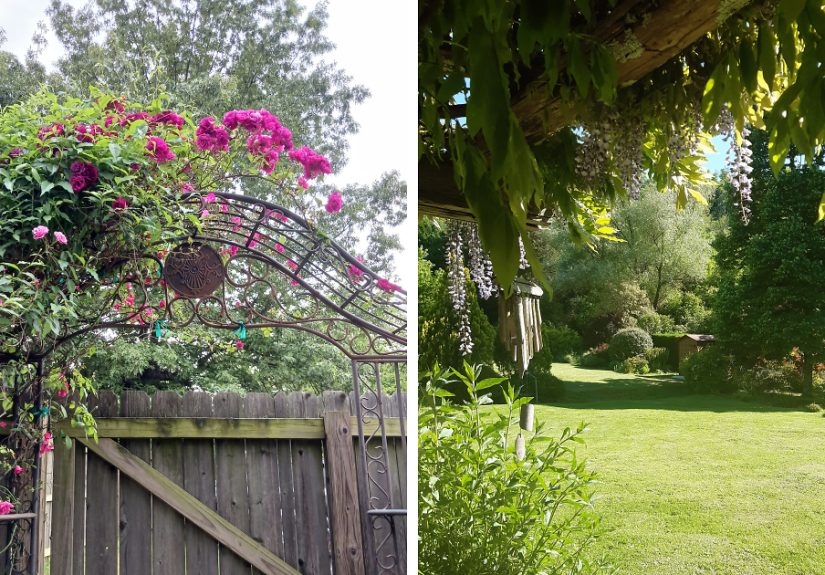
it reminds you that gardens don’t have to follow strict rules. Many home-garden design featuresarched trellises, mixed shrubs,
and densely planted bordersshow up again and again in “most beautiful garden” roundups and personal blogs.
Connection. In the “Hey Pandas” style, people share not just their gardens but their stories: the plant that survived a tough winter,
the bed built with kids over the weekend, or the roses that came from a grandparent’s cutting. The garden becomes a living scrapbook,
and the photos are like postcards from that world.
Garden Ideas Inspired By Panda Gardens
You don’t need acres to join the unofficial “Pandas with Gardens” club. Whether you have a full backyard or a single sunny step,
you can build a garden that feels photo-ready and personal.
1. Balcony And Patio Container Gardens
Many of the gardens shared online are actually collections of pots on patios, fire escapes, or balconies.
Container gardening is perfect if you rent, have limited space, or simply like rearranging your plants like furniture.
Design pros recommend treating your containers like mini rooms: use a mix of heights, shapes, and textures so your eye moves through the space.
Tall, sleek planters in materials like concrete or metal give a modern vibe and look great with structural plants like ferns,
succulents, or ornamental grasses.
To capture that Bored Panda–worthy charm, try:
- Grouping three to five pots together instead of lining them up like soldiers.
- Mixing edible plants (basil, cherry tomatoes, strawberries) with flowers like petunias or geraniums.
- Adding a small side table, lantern, or outdoor stool so your containers feel like part of a lived-in space.
2. Front Yard Flower Borders For Instant Curb Appeal
Some of the most shared garden photos are from front yards that look like they’ve stepped out of a fairy-tale neighborhood:
a path leading to the door, edged with blooms and low shrubs. Guides on landscaping for curb appeal emphasize creating a clear path,
framing the entry, and using repeat plants and colors.
Try these front-yard ideas:
- Use curved paths instead of straight ones to make the garden feel larger and more inviting.
- Plant low perennials and ground covers near the path, then graduate to taller shrubs toward the house.
- Choose a simple color palettemaybe pinks and purples, or bright reds and yellowsso your borders look intentional, not chaotic.
3. Four-Season Gardens That Always Look Good In Photos
Some home gardens are designed to shine in every season, with evergreen structure, spring bulbs, summer flowers, and fiery autumn foliage.
Professional garden designers often talk about layering: trees and shrubs for bones, perennials for color, and groundcovers to knit everything together.
For reliable blooms and strong photos:
- Plant spring bulbs like tulips and daffodils under shrubs for early color.
- Fill summer beds with long-blooming perennials and annuals.
- Add ornamental grasses and shrubs with colorful bark or berries for fall and winter interest.
Flower-planting guides stress watering deeply but less often so roots grow strong, which keeps your borders looking lush instead of stressed.
4. Cozy Seating, Paths, And “Destination” Corners
A garden instantly looks more inviting (and photogenic) when it contains a place to sit.
Small-garden design experts recommend deciding how you’ll actually use your outdoor spacedining, lounging, workingthen shaping the layout around that.
Think in terms of “destinations”:
- A bench under an arch or tree at the back of the yard.
- A tiny café table tucked among pots on a balcony.
- A hammock strung between two trees with low plantings around it.
When you photograph your garden, these seating areas tell a story: the garden isn’t just a backdropit’s where life happens.
How To Take Scroll-Stopping Photos Of Your Garden
You don’t need a fancy camera to share your garden like a pro. Most of the images in “Hey Pandas” threads are taken with phones,
but they quietly follow a few classic garden-photography rules.
1. Start With The Big Picture, Then Move In
Photography guides suggest shooting “big to small”: begin with a wide shot that shows the overall layout of your garden,
then move closer to highlight specific beds, and finally zoom in on single flowers or leaves.
For example, you might:
- Take one photo from your back door showing the whole yard.
- Step forward to capture just the seating area and surrounding border.
- Finish with a close-up of a bee on a flower or raindrops on a leaf.
2. Use Kind Light: Overcast Or Golden Hour
Harsh midday sun can make garden photos look flat and blown out. Garden-photography experts recommend either overcast days
(soft, even light) or early morning/late afternoon (the classic “golden hour”).
If you only have time at noon, try shooting into the light with plants backlittranslucent leaves and petals can look magical.
3. Clear The Background And Capture Details
Institutions like Kew Gardens suggest focusing on clean backgrounds and simple compositions:
avoid trash cans, cars, or random clutter behind your subject.
When you go in close, try:
- Focusing on a single bloom with a blurred background.
- Highlighting textures: bark, fern fronds, moss on a stone.
- Photographing patterns, like repeating hosta leaves or rows of lettuce.
Garden-photography tutorials also remind us that gardens movethere’s wind, shade, and changing lightso patience is essential.
4. Think Like Social Media
If your goal is to share your garden on platforms like Instagram or Facebook, format matters.
Garden-photo guides for social media recommend vertical or square frames for Instagram, with a mix of close-ups, full-garden shots,
and lifestyle images showing people actually using the space.
A few easy wins:
- Use vertical shots of tall borders or climbing roses for Reels or Stories.
- Post before-and-after photos when you refresh a bed or add a new feature.
- Document seasonal changes from the same angle to show your garden’s transformation over time.
Seasonal Care So Your Garden Is Always Photo-Ready
A great garden photo starts long before you press the shutter. The healthier and better-maintained your garden is,
the easier it is to capture it looking good in every season.
1. Winter Protection For Long-Term Beauty
Experts emphasize that how you treat your garden in fall and winter directly affects how photogenic it will be in spring.
For example, hydrangea specialists recommend identifying your hydrangea type and protecting flower buds on sensitive varieties
with mulch mounds and burlap wraps in colder climates.
More broadly, garden pros suggest covering beds with mulch after a few hard frosts to protect roots, reduce soil erosion,
and maintain moisture through winter. Light, natural mulcheslike shredded leaves, straw, or compostare especially recommended
over dyed options.
2. Smart Watering And Feeding
Flower-planting guides from U.S. gardening authorities echo the same theme:
water deeply but infrequently so roots travel down into the soil, making plants more resilient to heat and dry spells.
Combine that with steady organic matterlike compost top-dressing in spring and falland your garden will reward you with lush foliage,
which reads beautifully in photos: full leaves, strong stems, and fewer gaps where plants have failed.
In short: a little off-season effort leads to those effortless-looking “current garden” photos that make everyone ask, “How did you do that?”
Panda-Style Garden Experiences: Stories From Real-Life Gardens
The heart of “Hey Pandas, Please Show Us A Current Picture Of Your Gardens (Closed)” isn’t techniqueit’s experience.
So let’s step into a few imaginary but very relatable gardens and see what we can learn from them.
1. The Balcony Jungle In The City
Picture a fourth-floor apartment with exactly one asset: a small, slightly suspicious concrete balcony.
The Panda behind this garden starts with three pots of herbs from the grocery storebasil, mint, and rosemary.
A year later, that same balcony looks like a green curtain from the street. There are cherry tomatoes climbing twine,
a couple of dwarf fruit trees in large containers, and a mish-mash of salvaged pots lined along the railing.
The first photo they share online is not perfect: a laundry rack sneaks into the frame, and one tomato is clearly overripe.
But the comments pour in anywaypeople relate to the tiny space, the improvisation, and the visible joy.
The lesson here is simple: your garden doesn’t have to be magazine-ready to be “Panda-ready.”
It just has to be yours, in this moment.
2. The Suburban “Before And After” Front Yard
Another Panda lives in a standard suburban neighborhood: lawn in front, lawn in back, and a couple of struggling shrubs near the porch.
After binge-scrolling garden threads and curb-appeal articles, they decide to go for it.
The front lawn is partially removed and replaced with a curved bed filled with perennials, ornamental grasses, and a few flowering shrubs.
They share a split image: on the left, the original flat lawn; on the right, a new path edged with purple salvia, yellow coreopsis,
and a small Japanese maple. The transformation is dramatic, but what people comment on most is the story:
how the homeowner learned about soil prep, made planting mistakes, and found plants that actually like the local climate.
It’s not just a pretty picture; it’s a record of trial, error, and eventual triumph.
3. The Family Vegetable Patch
Then there’s the family gardena rectangle of raised beds at the back of the yard.
It started as a pandemic project, a way to get the kids away from screens for an hour at a time.
Now it’s become the most photographed part of the property.
In early spring, the Panda parent posts a picture of tiny seedlings with handwritten labels:
“Carrots (maybe)”, “Definitely Tomatoes”, “Mystery Squash.”
By mid-summer, the same angle shows an exuberant jungle of leaves with kids peeking through, holding up crooked cucumbers and handfuls of cherry tomatoes.
These photos are not just garden updates; they’re snapshots of childhood.
Years from now, those kids might not remember exactly how the beds were arranged,
but they’ll remember the smell of tomato vines and the excitement of finding the first ripe strawberry.
4. The Wildlife-Friendly Sanctuary
Another Panda decides that, instead of a pristine lawn, they want a small wildlife haven.
They plant native flowers, let a corner grow a bit wild, and add a shallow birdbath and some logs for insects.
When they post photos, they don’t just show flowersthey capture butterflies, bees, and birds visiting the garden.
What makes these images special isn’t flawless weeding; it’s life.
The slightly messy edges tell viewers that this garden is part of a bigger ecosystem, not just a decorative element.
The Panda writes in the caption that they’ve never heard so much birdsong outside their window.
Suddenly the garden isn’t just something to look atit’s something to listen to and live in.
5. The “Perfectly Imperfect” Garden In Progress
Finally, there’s the Panda who posts their garden mid-project.
There’s a new path only half laid, bags of mulch waiting in the corner, and potted plants lined up like soldiers,
ready to be planted. They caption the photo: “Work in progresscome back next year!”
That honesty is powerful. Instead of waiting for the elusive “after” picture,
they share the messy middle. Other gardeners jump into the comments:
offering tips, cheering them on, and even asking for updates.
The thread becomes a little accountability club for gardeners everywhere who are still figuring it out.
If you take one thing from all these Panda-style experiences, let it be this:
your garden is worth documenting at every stage.
Early sprouts, full bloom, post-harvest, winter sleeping under mulcheach phase tells a different part of the story.
Don’t wait until you think it’s perfect. Take the picture now, share it if you’d like,
and let your garden grow both in real life and in your camera roll.
The original “Hey Pandas, Please Show Us A Current Picture Of Your Gardens (Closed)” post might no longer be accepting new photos,
but your garden certainly is. The next time you step outside and notice a new bloom, a fresh leaf, or a small victory
(like that one stubborn plant finally thriving), pause for a moment, lift your camera, and capture it.
That’s your personal Panda momentand it deserves a place in your story.