Table of Contents >> Show >> Hide
- What Black Pepper Actually Brings to the Table
- Potential Health Benefits of Black Pepper
- 1. It adds antioxidant compounds to your diet
- 2. It may help support digestion
- 3. It can help you use less salt without making food sad
- 4. It may improve the absorption of certain nutrients and compounds
- 5. It shows promise for inflammation, metabolism, and blood sugar support
- 6. It may support a healthier overall diet simply by making good food taste better
- What Black Pepper Probably Cannot Do
- How to Get the Benefits of Black Pepper in Everyday Life
- Who Should Be Careful With Black Pepper?
- Black Pepper vs. Other “Healthy Spices”
- Final Thoughts on the Health Benefits of Black Pepper
- Experiences Related to the Topic: How Black Pepper Shows Up in Real Life
Black pepper is one of those kitchen staples that rarely gets invited to the wellness party. Turmeric gets the golden glow-up. Cinnamon gets cozy-season fame. Ginger gets all the tea-bag attention. Meanwhile, black pepper just sits there in the grinder like the dependable friend who never posts thirst traps. But that little shower of spice deserves more credit than it gets.
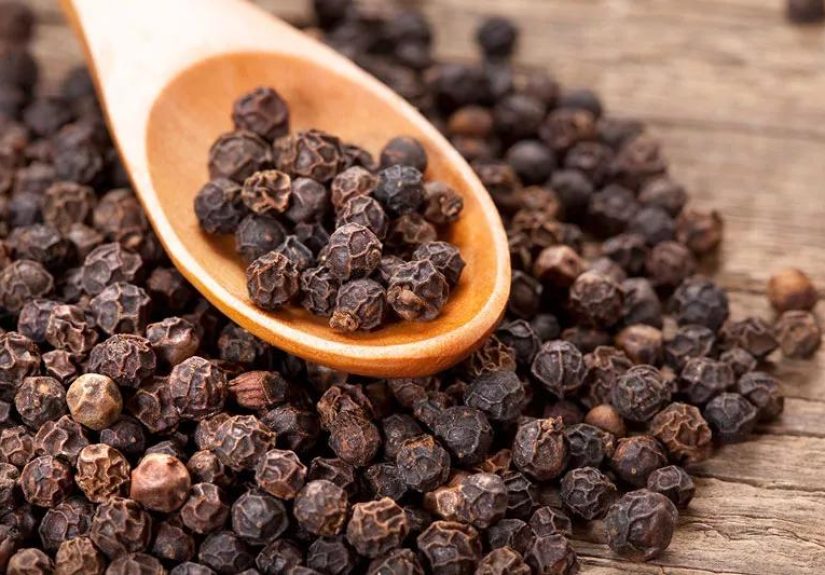
Made from dried berries of the Piper nigrum plant, black pepper does much more than make scrambled eggs less boring. It contains piperine, the natural compound responsible for its signature bite, and that compound has been studied for antioxidant activity, possible anti-inflammatory effects, and its unusual ability to help the body absorb certain substances more efficiently. That said, this is where we keep both feet on the floor: black pepper is promising, practical, and genuinely useful, but it is not a miracle food in a tuxedo.
This article takes a science-based look at the health benefits of black pepper, where the evidence is strongest, where the hype gets a little too dramatic, and how to use it in a smart, everyday way.
What Black Pepper Actually Brings to the Table
Black pepper is low in calories and used in small amounts, so no one is eating it like spinach. Still, even a modest sprinkle contributes small amounts of nutrients such as manganese and fiber, along with plant compounds that may help protect cells from oxidative stress. In other words, black pepper is not a nutritional heavyweight by volume, but it punches above its size because its compounds are biologically active.
The star of the show is piperine. This compound gives black pepper its pungent flavor, but researchers are interested in it for another reason: it appears to influence how the body processes and absorbs certain nutrients and plant compounds. That helps explain why black pepper keeps showing up in health conversations, especially next to turmeric.
Potential Health Benefits of Black Pepper
1. It adds antioxidant compounds to your diet
One of the clearest health benefits of black pepper is its antioxidant potential. Antioxidants help neutralize unstable molecules called free radicals, which can contribute to oxidative stress. Oxidative stress is associated with aging and a range of chronic diseases, so foods and spices that help reduce that burden are generally a good addition to a balanced diet.
Now, this does not mean that one heroic crack of black pepper over pasta suddenly turns dinner into a spa treatment. But it does mean black pepper fits well into an eating pattern built around plant foods, herbs, and spices that collectively support better long-term health. Small inputs matter, especially when they show up consistently.
2. It may help support digestion
Black pepper has a long history of traditional use for digestive comfort, and some research suggests piperine may stimulate digestive enzymes and support the digestive process. That may help explain why black pepper has been used for centuries in savory dishes that are rich, hearty, or protein-heavy. Your ancestors may not have said, “Please pass the enzymatic support,” but they were onto something.
That said, there is an important plot twist: while black pepper may support digestion for some people, it can also irritate the stomach in others when used too heavily. Anyone prone to heartburn, reflux, or stomach irritation may notice that an aggressive pepper habit is not exactly a love story. Like many foods, the line between “helpful” and “please stop” depends on the person and the dose.
3. It can help you use less salt without making food sad
This benefit is not flashy, but it is incredibly practical. Black pepper boosts flavor without adding sodium, sugar, or extra calories. That matters because many people are trying to reduce sodium intake for heart health or blood pressure reasons, and bland food is often the reason those efforts collapse by Wednesday.
Black pepper adds sharpness, depth, and warmth, which helps make low-sodium meals taste more complete. Roasted vegetables, grilled chicken, lentil soup, eggs, avocado toast, cottage cheese, tomato salad, and even popcorn all become more satisfying with pepper in the mix. In this sense, black pepper is not just a spice; it is a strategy.
Using pepper, garlic, herbs, citrus, and vinegar in place of extra salt is one of the simplest healthy cooking upgrades you can make. It is not glamorous, but it works. A lot of nutrition wins are like that.
4. It may improve the absorption of certain nutrients and compounds
This is where black pepper gets its most science-backed gold star. Piperine appears to enhance the absorption, or bioavailability, of certain compounds. The most famous example is curcumin, the active compound in turmeric. Curcumin on its own is not absorbed very well, but when paired with piperine, absorption can rise significantly.
That is why black pepper and turmeric are such a common duo in recipes and supplements. A bowl of lentil soup with turmeric and a few turns of black pepper is not just tasty; it is also a smart culinary pairing. Piperine has also been studied for its role in helping the body absorb other substances, including some nutrients and plant compounds.
Still, this benefit comes with a caution label. The same mechanism that can improve absorption of helpful compounds may also affect how the body processes certain medications. So while black pepper in food is generally not a big drama queen, concentrated piperine supplements deserve more respect than many labels imply.
5. It shows promise for inflammation, metabolism, and blood sugar support
Here is the part where the internet usually starts making headlines in all caps. Yes, black pepper and piperine have been studied for potential anti-inflammatory, metabolic, and blood sugar-related effects. Some lab, animal, and small human studies suggest piperine may influence inflammatory pathways, lipid metabolism, and glucose regulation.
That is interesting. It is also not the same thing as proven clinical treatment.
The honest takeaway is that black pepper is promising in these areas, but the evidence is not strong enough to present it as a stand-alone solution for chronic conditions. Think of it as a potentially helpful supporting actor, not the lead surgeon, the personal trainer, and the pharmacist all rolled into one peppercorn.
6. It may support a healthier overall diet simply by making good food taste better
This may sound almost too obvious, but it matters. Healthy eating becomes much easier when food actually tastes good. Black pepper helps people enjoy vegetables, beans, whole grains, lean proteins, and lower-sodium meals more consistently. That means it can indirectly support better health by improving adherence to a more balanced diet.
If a spice helps someone enjoy roasted broccoli instead of drowning it in a salty bottled sauce, that is a real-world health benefit. Nutrition does not happen in a laboratory vacuum. It happens on Tuesday nights when someone is tired, hungry, and two bad decisions away from drive-thru fries.
What Black Pepper Probably Cannot Do
Black pepper has been linked in research to all kinds of exciting possibilities, including effects on brain health, cancer biology, immunity, and weight management. But most of these claims are still early-stage, mechanistic, or based on animal models. That means the research may be fascinating, but it is not a green light to overpromise.
So no, black pepper is not a detox shortcut. It is not a metabolism cheat code. It is not a substitute for blood pressure medication, diabetes care, or an overall healthy eating pattern. And despite what some supplement marketing would love you to believe, turning your smoothie into a pepper bomb is not an elite life hack.
The smartest position is the least dramatic one: black pepper is a helpful, health-supportive spice with some meaningful benefits, especially in cooking and nutrient absorption, but it should stay in the “supportive ingredient” category.
How to Get the Benefits of Black Pepper in Everyday Life
Use it regularly in food, not heroically in giant amounts
You do not need absurd quantities to benefit from black pepper. Regular use in cooking is enough to make it part of a healthy eating pattern. Sprinkle it over eggs, roasted sweet potatoes, soups, grain bowls, hummus, chicken, fish, beans, sautéed greens, or sliced tomatoes with olive oil.
Pair it with turmeric
One of the easiest functional food pairings is turmeric plus black pepper. Try the combo in soups, stews, rice dishes, roasted cauliflower, scrambled eggs, or warm milk-based drinks if you enjoy golden milk. The flavor pairing works, and the science gives it extra credibility.
Choose freshly ground pepper when possible
Freshly cracked black pepper usually has a bolder aroma and more vibrant taste than the pre-ground stuff that has been sitting in a tin since the last presidential administration. Better flavor often means you use less salt and enjoy food more, which is a quiet but valuable win.
Build flavor with a team, not a solo act
Black pepper works especially well with garlic, onion, lemon, vinegar, rosemary, thyme, cumin, and paprika. Layering flavors helps create meals that taste full and satisfying without leaning so heavily on sodium, sugar, or rich sauces.
Who Should Be Careful With Black Pepper?
For most people, black pepper used in normal food amounts is safe. But there are a few situations where caution makes sense.
If you have frequent acid reflux, gastritis, or a sensitive stomach, too much black pepper may worsen symptoms. If you are considering piperine or turmeric-plus-pepper supplements, talk with a healthcare professional first, especially if you take prescription medications. Because piperine can affect absorption and metabolism, supplements may interact with drugs in ways that ordinary food use does not.
This is especially important for people taking medications with narrow dosing windows, those in active cancer treatment, and anyone managing multiple prescriptions. Food-level pepper on your dinner plate is one thing. High-dose extracts are another story entirely.
Black Pepper vs. Other “Healthy Spices”
Black pepper is not the only spice with a health halo, and it does not need to be. Ginger, cinnamon, turmeric, garlic, cumin, and chili-based spices all bring useful plant compounds to the table. Black pepper stands out because it plays two roles at once: it adds flavor and it may enhance the usefulness of other ingredients.
That makes it less of a solo celebrity and more of an excellent ensemble player. It is the spice that helps the rest of the cast hit their marks.
Final Thoughts on the Health Benefits of Black Pepper
The health benefits of black pepper are real, but they make the most sense when viewed in context. Black pepper contains piperine and other compounds with antioxidant activity. It may help support digestion, make low-sodium meals more satisfying, and improve absorption of certain nutrients and plant compounds, especially curcumin from turmeric. At the same time, many of the most exciting medical claims are still based on early research and should not be oversold.
That is actually good news. You do not need black pepper to be magical for it to be worth using. It is affordable, widely available, delicious, and surprisingly functional. In a world full of overhyped wellness products, that is a refreshingly grounded résumé.
So go ahead and twist that pepper mill with confidence. Just maybe do not expect it to file your taxes, fix your sleep schedule, and solve your entire diet by lunchtime.
Experiences Related to the Topic: How Black Pepper Shows Up in Real Life
One of the most common experiences people report with black pepper is not dramatic at all: food simply tastes more alive. Someone starts trying to cut back on salt, fully expecting dinner to taste like punishment, and then discovers that black pepper, lemon, garlic, and herbs can rescue the situation. Suddenly roasted carrots have more character. Scrambled eggs stop tasting flat. A basic bowl of soup feels finished instead of vaguely unfinished, like a draft email that was never proofread.
Another familiar experience happens when people begin experimenting with anti-inflammatory or plant-forward cooking. They add turmeric to rice, soups, or sautéed vegetables because they have heard it may be useful, then learn that black pepper helps the body absorb curcumin more effectively. From there, the pairing becomes a habit. The result is not usually some cinematic overnight transformation with angels singing in the spice cabinet. It is more subtle. People often describe feeling good about making small, evidence-informed changes that are easy enough to keep doing.
Home cooks also tend to notice that black pepper behaves differently depending on how it is used. Pre-ground pepper is convenient, but freshly cracked pepper often tastes brighter, sharper, and more aromatic. That small difference can change the whole personality of a dish. A tomato salad with olive oil and stale pepper is fine. The same salad with freshly cracked pepper feels like it suddenly found self-esteem.
Some people have a less glamorous experience, and it is worth mentioning. Anyone with reflux or a sensitive stomach may discover that too much black pepper is a terrible wingman. A reasonable amount in meals can be fine, but heavy-handed seasoning may lead to discomfort, heartburn, or that deeply regrettable feeling of having picked a fight with your own esophagus. This is a good reminder that “healthy” is not always one-size-fits-all.
There is also a supplement experience that tends to divide people into two groups: those who assume “natural” means effortless and harmless, and those who have learned to read labels with detective-level suspicion. Products that combine turmeric with black pepper extract or piperine are very common. Some people like them. Others realize they would rather get those ingredients from food, especially after learning that piperine may affect the absorption of medications as well as beneficial compounds. That moment of realizing a humble spice can influence pharmacology is usually when black pepper stops seeming like a background ingredient and starts earning some respect.
Perhaps the most realistic experience of all is that black pepper works best when it becomes ordinary. It is not something most people notice because of one unforgettable event. They notice it because meals get tastier, vegetables become easier to enjoy, lower-sodium cooking becomes more sustainable, and smart spice combinations become second nature. In the real world, that is what a useful health habit often looks like: not flashy, not extreme, just quietly effective enough to stick.