Table of Contents >> Show >> Hide
- Lyme disease in 60 seconds (so the hair talk makes sense)
- So… can Lyme disease actually cause hair loss?
- How to tell what kind of hair loss you’re dealing with
- What to do if you suspect Lyme disease and you’re losing hair
- What actually helps while your hair recovers
- When to seek prompt medical care
- FAQ: The questions people ask when the shower drain is judging them
- Real-World Experiences: What People Often Notice (and what it can mean)
- Bottom line
- SEO Tags
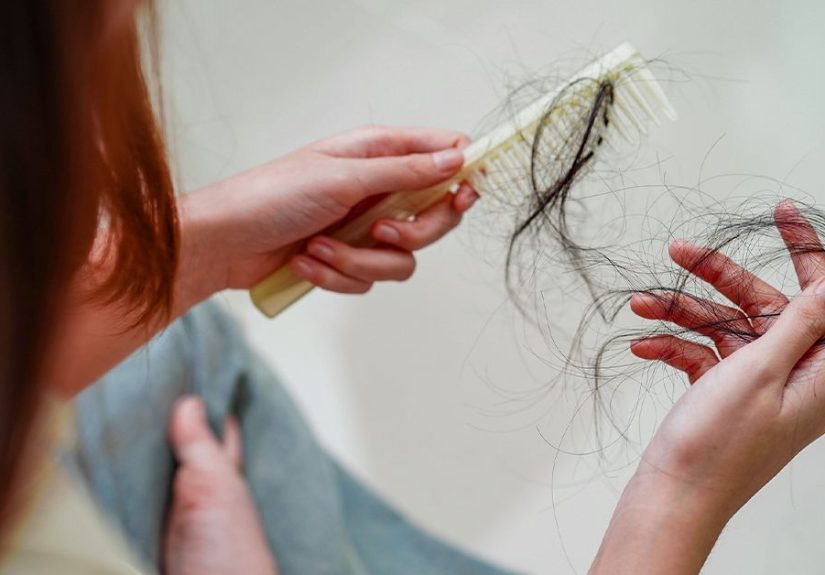
If you’ve had Lyme disease (or you’re worried you might) and your hairbrush suddenly looks like it’s auditioning for a tumbleweed role,
you’re not being dramatic. You’re also not alone. While hair loss isn’t a “classic” headline symptom of Lyme disease, people do report
thinning and shedding during or after illnessand there are a few very believable reasons why.
The tricky part is that Lyme rarely works as a single, neat domino. It can set off a chain reaction: infection stress, inflammation,
sleep disruption, medication side effects, nutritional gaps, and sometimes an immune system that’s acting like it had three espressos
and a bad attitude. Any of those can mess with the hair growth cycle.
Lyme disease in 60 seconds (so the hair talk makes sense)
Lyme disease is a bacterial infection spread by blacklegged ticks. Early on, it often shows up as an expanding rash (sometimes
“bull’s-eye,” sometimes not) plus flu-like symptoms such as fever, fatigue, muscle aches, headache, or swollen lymph nodes.
If not treated promptly, it can affect joints, the heart, or the nervous system.
The good news: most people who get appropriate antibiotics recover well. The complicated news: some people have lingering symptoms
(fatigue, pain, “brain fog”) after treatment. That lingering symptom cluster is often referred to as post-treatment Lyme disease
syndrome (PTLDS). Regardless of labels, prolonged illness stress can be a prime setup for hair shedding.
So… can Lyme disease actually cause hair loss?
Here’s the most accurate way to say it: Lyme disease isn’t widely considered a primary hair-loss disease, but hair loss can happen
in connection with Lymeusually indirectly, sometimes coincidentally, and occasionally through immune-related pathways.
Think of it less like “Lyme ate my hair” and more like “Lyme pushed a few biological buttons that made my hair cycle freak out.”
Connection #1: Telogen effluvium (a.k.a. “shock shedding”)
Telogen effluvium is one of the most common reasons people shed hair after a major stressor, including infections and high fevers.
Your hair follicles cycle through growth, transition, and resting/shedding phases. Under stress, more follicles than usual shift
into the shedding phase. The result: diffuse sheddingoften noticed when washing, brushing, or seeing more hair on your pillow.
The timing is what makes telogen effluvium feel so rude. Shedding often starts two to three months after the triggering
event, not immediately. So you might feel better from the infection and then, surprise: your shower drain starts collecting evidence.
The upside: this type of shedding is usually temporary, and regrowth commonly follows once the trigger resolves.
What it looks like:
- Overall thinning rather than bald patches
- More hair coming out when you wash or brush
- A wider-looking part line or ponytail circumference shrinking
- Often begins 6–12 weeks after illness or a stressful period
Why Lyme might trigger it: infection-related inflammation, disrupted sleep, reduced appetite, physical stress, and emotional stress
(because getting sick is not exactly a spa weekend).
Connection #2: Immune system “crossfire” and alopecia areata
Alopecia areata is an autoimmune condition where the immune system mistakenly attacks hair follicles, causing patchy hair loss.
It can be triggered or unmasked by stressors, including illnesses. Most people with Lyme will not develop alopecia areatabut if
you notice round or oval bald spots (especially with sudden onset), this is one diagnosis that needs to be considered.
What it looks like:
- Distinct round/oval patches of hair loss
- Smooth scalp skin in the patch (not scaly or inflamed in many cases)
- Sometimes eyebrow/beard patches, or nail changes
Why Lyme might relate: not necessarily because Lyme directly “causes” alopecia areata, but because a significant immune event can be
a trigger in predisposed people. If autoimmune thyroid disease or other autoimmune conditions are in the mix, risk can be higher.
Connection #3: The “secondary effects” that quietly sabotage hair
A lot of hair loss blamed on Lyme is really hair loss from things that often travel with Lyme (or with any significant illness).
These can include:
1) Stress and sleep disruption
Stress can contribute to several hair-loss patterns, including telogen effluvium. It’s not “all in your head”it’s in your hormones,
inflammation signals, and nervous system regulation. The body tends to prioritize survival over fabulous volume.
2) Nutritional gaps during illness
When appetite drops, nausea shows up, or you’re too tired to cook anything besides “a handful of whatever,” nutrient intake can slip.
Low iron stores, inadequate protein, and other micronutrient issues can worsen shedding in some people.
Important: more supplements are not automatically better. Over-supplementing certain nutrients (like vitamin A or selenium) can
actually contribute to hair loss. The smartest move is targeted testing and guidance, not a supplement shopping spree that turns your
kitchen into a vitamin museum.
3) Thyroid issues (sometimes revealed, not caused)
Thyroid dysfunction is a well-known contributor to diffuse hair thinning. Some people discover thyroid problems around the same time
as other health events, and it can be misattributed to Lyme. If hair loss is persistent, checking thyroid labs is a common step in
a thorough evaluation.
4) Medications and the recovery phase
Many medications can contribute to shedding in susceptible people. Antibiotics used for Lyme are essential and generally well-studied,
but the overall “being sick + recovering” period is what most commonly lines up with shedding. If you suspect a medication effect,
don’t stop treatment on your owntalk with your clinician about options.
Connection #4: Localized hair loss after a tick bite or scalp inflammation
Rarely, hair loss can be more localizedsuch as near the bite site, or tied to a localized skin/scalp reaction after a tick bite.
Case reports describe alopecia-like patterns after tick bites in certain circumstances. This is not the typical Lyme story, but it’s
a reminder that skin and immune reactions can get creative.
How to tell what kind of hair loss you’re dealing with
Different patterns point to different causes. This matters because “hair loss” isn’t one diagnosisit’s a category, like “sports.”
(Golf and boxing are both sports. Only one regularly involves getting punched.)
If it’s diffuse shedding
- Hair seems to come out everywhere, not in specific bald spots
- Your part may look wider, but the scalp isn’t usually patchy
- Often begins weeks to months after a trigger (infection, fever, major stress)
- Usually improves over months once the trigger resolves
If it’s patchy loss
- Round/oval smooth patches suggest alopecia areata
- Scaly patches, broken hairs, or itch could suggest a scalp infection or dermatitis
- A tender, inflamed area warrants prompt evaluation
If it’s gradual thinning with a pattern
- Temple/crown thinning (often in men) or widening part (often in women) can suggest androgenetic hair loss
- This can coexist with telogen effluviummeaning illness may “unmask” a pattern already in progress
What to do if you suspect Lyme disease and you’re losing hair
Step 1: Don’t diagnose Lyme from hair loss alone
Hair loss is not a reliable standalone sign of Lyme. If you’re concerned about Lyme, focus on the full clinical picture:
tick exposure risk, rash, fever/fatigue, nerve symptoms, joint pain, and your clinician’s evaluation. Testing strategies and timing
matter, and mis-timed tests can confuse things.
Step 2: Treat confirmed Lyme appropriately
If Lyme is diagnosed, follow evidence-based treatment guidance. For many early cases, oral antibiotics for a defined course are
effective. Longer is not always better in medicinesometimes it’s just longer.
Step 3: Get the hair loss evaluated like a hair loss problem
If shedding is significant, lasting beyond several months, or paired with patchy loss, a primary care clinician or dermatologist can
help narrow down the type and causes. A typical evaluation may include:
- History: timing, triggers (illness, fever, stress), new meds, diet changes
- Scalp exam (and sometimes dermoscopy)
- Basic labs often considered: thyroid function, iron status (including ferritin), and other tests based on symptoms
- Review for autoimmune clues if patchy loss is present
What actually helps while your hair recovers
There’s no magic shampoo that can out-argue biology. But there are practical, evidence-aligned steps that support regrowth and reduce
breakage while your follicles get back on schedule.
Be gentle with your hair (it’s going through something)
- Avoid tight hairstyles that pull (high ponytails, tight braids)
- Limit heat styling and harsh chemical treatments during heavy shedding
- Use a wide-tooth comb and detangle slowly
- Consider switching to a softer brush and avoiding aggressive scalp scratching
Eat like you’re rebuilding something (because you are)
Hair is protein. Recovery also takes calories, iron, and other nutrients. Aim for consistent protein intake and a balanced pattern
of eating. If labs show a deficiency, correct it under medical guidance. If labs don’t show a deficiency, skip the megadoses.
Your follicles do not award extra credit for “most expensive supplement stack.”
Manage stress like it’s part of the treatment plan
Stress reduction won’t “cure” everything, but it can reduce ongoing triggers for shedding. Sleep, light movement as tolerated,
breathing exercises, and realistic pacing during recovery all help. Also, give yourself permission to be annoyedjust don’t let the
annoyance drive you into panic-Googling at 2 a.m. (That’s how you end up convinced you have 11 rare diseases and a haunted scalp.)
Ask about evidence-based hair treatments when appropriate
Depending on the diagnosis, a clinician might recommend topical treatments (like minoxidil for certain patterns), anti-inflammatory
approaches for alopecia areata, or targeted scalp care for dermatitis. The key is matching treatment to the type of hair loss.
When to seek prompt medical care
Hair loss itself is usually not an emergency, but Lyme-related symptoms sometimes can be. Seek prompt care if you have:
- Facial drooping/weakness, severe headache, neck stiffness, or new neurologic symptoms
- Chest pain, fainting, palpitations, or shortness of breath
- Severe joint swelling, especially new or worsening
- A rapidly expanding rash, high fever, or worsening systemic symptoms
- Scalp pain, oozing, scaling, or signs of infection along with hair loss
FAQ: The questions people ask when the shower drain is judging them
How long does Lyme-related shedding last?
If it’s telogen effluvium, shedding often improves within a few months, with regrowth following. Some people notice it resolves
within 3–6 months, but timelines varyespecially if multiple triggers are ongoing.
Will my hair grow back?
Many cases of post-illness shedding are temporary and do regrow. Patchy autoimmune hair loss can also regrow, but it may require
treatment and follow-up. The best predictor is getting an accurate diagnosis.
Could hair loss mean my Lyme is “still active”?
Hair loss alone doesn’t prove active infection. It more often reflects the body’s stress response, recovery phase, or a separate
condition that coincidentally surfaced around the same time. If you’re worried about persistent Lyme symptoms, discuss them with a
clinician who can evaluate the full picture.
Real-World Experiences: What People Often Notice (and what it can mean)
The medical terms are useful, but real life is messy. Below are examples of experiences people commonly describe when illness and hair
loss overlap. These are composite scenarios meant to help you recognize patternsnot a substitute for personalized medical advice.
“I finally felt better… and then my hair started falling out.”
This is one of the most classic telogen effluvium stories. Someone gets diagnosed with Lyme, starts treatment, slowly crawls back to
normal life, and thenabout 8 to 12 weeks laternoticeably more hair shows up in the shower. It can feel like betrayal. But it also
fits the biology: follicles often shift into the shedding phase after a major body stressor, and the lag makes it seem disconnected.
What tends to help in this scenario is reassurance plus a plan: gentle hair care, consistent nutrition, and keeping an eye on whether
shedding gradually improves. Many people find it helps to take progress photos monthly rather than obsessing daily. Hair growth is
slow. Watching it minute-by-minute is like trying to catch grass growing with a stopwatch.
“My ponytail got thinner, and I’m exhausted all the time.”
Diffuse thinning with ongoing fatigue can be multifactorial: recovery from infection, disrupted sleep, low iron stores, thyroid issues,
or simply not eating enough during a prolonged illness stretch. People often describe a “not myself” feelingless stamina, more
irritability, and hair that seems to have lost its bounce.
In real clinical workups, this is where basic labs can be useful. If iron stores are low, correcting them can support hair recovery.
If thyroid function is off, treating that can reduce ongoing shedding. If everything is normal, that’s still a win: it narrows the
explanation toward temporary shedding and helps you avoid unnecessary supplement experiments.
“I found a smooth bald patch, and it scared me.”
Patchy hair loss tends to raise the anxiety level fast (understandably). People describe finding a coin-sized spot near the hairline
or crown and immediately spiraling into worst-case scenarios. In many cases, a dermatologist can distinguish alopecia areata from
other causes quickly by examining the scalp and hair shafts.
If it’s alopecia areata, stress and illness can act like a trigger in someone who’s predisposed. The encouraging part is that many
cases are treatable, and regrowth is possible. The practical advice people wish they had earlier: don’t wait months hoping it will
“just go away” if patches are expandingget an evaluation sooner so you have options.
“Everyone keeps telling me it’s just stress, but it feels dismissive.”
This is a common emotional experience. “Stress” can sound like code for “we don’t know,” even when the physiology is real. It’s more
helpful to reframe stress as one piece of the puzzleand to talk about specific stressors: fever, inflammation, sleep loss,
appetite changes, and the mental load of feeling unwell.
People often report feeling better when their clinician explains a likely timeline: “If this is telogen effluvium, we expect shedding
to peak and then improve over months.” A timeline turns fear into something measurable. It also helps to set a “check-in point,” like
reevaluating if shedding persists beyond six months, patches appear, or other symptoms develop.
“I tried every supplement and my wallet is bald now too.”
Many people go into fix-it mode, buying biotin gummies, collagen powders, scalp serums, and enough capsules to rattle like a maraca.
The problem: without knowing what you’re treating, you can waste moneyand in rare cases, overdo certain nutrients.
The more sustainable path many people land on is boring-but-effective: targeted testing, correcting real deficiencies, and using
evidence-based treatments matched to the hair-loss type. It’s less flashy than a “miracle” bottle, but it’s much kinder to your body
(and your bank account).
Bottom line
Hair loss can occur around Lyme disease, but it’s usually an indirect effectmost commonly temporary shedding after the physical and
emotional stress of illness. Patchy loss may point to an autoimmune condition like alopecia areata or another scalp issue that needs
its own evaluation. The most helpful strategy is a two-track approach: treat Lyme appropriately if diagnosed, and assess the hair loss
as its own medical pattern so you can match the solution to the cause.
If you’re in the middle of this right now, here’s the realistic encouragement: hair follicles are slow to change, but they’re also
resilient. With proper care, time, and a clear diagnosis, many people see meaningful regrowthoften right after they’ve finally stopped
doom-scrolling hair forums at midnight.