Table of Contents >> Show >> Hide
- The Fake Proposal Prank: What Usually Happens
- Prank vs. Cruelty: The One-Question Test
- Why People Pull These Stunts (And Why It Backfires)
- The Damage: Trust, Safety, and Humiliation
- Red Flags Hidden Inside “It Was Just a Joke”
- If You’re the One Who Got Pranked: What Helps
- If You’re the One Who Pulled It: How to Apologize Like You Mean It
- Safer Ways to Be Funny in a Relationship (Yes, They Exist)
- of Real-World Experiences People Share About Fake Proposal Pranks
- Conclusion: The Proposal Rule and the Respect Rule
- SEO Tags
There are pranks (plastic spider in a cereal box, harmless, mildly rude to arachnophobes) and then there are relationship pranksthe kind that land somewhere between “Why would you do that?” and “Congratulations, you just invented trust issues.”
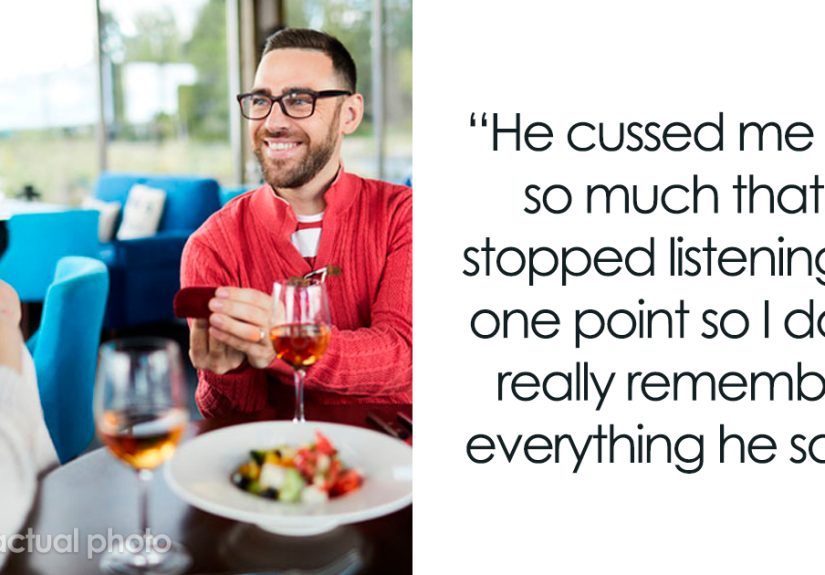
A fake proposal prank is in that second category. It’s not just a joke. It’s a high-stakes emotional eventone that many people associate with safety, commitment, and being chosenturned into a punchline. And when someone pulls it on a partner of five years, then cries when she ends the relationship, the internet reaction is usually a mix of: What did he think would happen? and Sir, the consequences are calling.
Let’s break down why a “fake proposal” stunt hits so hard, what it can reveal about a relationship, and what to do if you’re the one who got pranked (or the one who thought this was a good idea).
The Fake Proposal Prank: What Usually Happens
The setup is often cinematic: a “special” moment, a camera conveniently nearby, a knee on the ground, maybe a ring box, maybe an audience. The target’s heart spikes. Their brain starts sprinting through five years of memories like a highlight reel. Thenbamit’s revealed as a joke. Sometimes the prank includes a secondary twist (dirty dishes, a gag gift, a goofy sign), as if the humiliation needs a garnish.
When the partner reacts with shock or anger, the prankster often pivots to the classic defense: “Relax, it was just a prank.” And when the partner decides she’s done, suddenly the prankster is devastated, confused, andyescrying.
Why proposals are emotionally loaded
A proposal isn’t just a question. For many people, it’s a symbol of being valued, seen, and chosen. Even if someone isn’t in a rush to marry, the moment still carries meaning. Turning it into a trick can feel like being laughed at for wanting securityor worse, being tested to see how much disrespect you’ll tolerate.
Prank vs. Cruelty: The One-Question Test
If you want a quick way to tell whether something is playful or harmful, ask:
“When the reveal happens, who is the joke for?”
- If both people laugh and feel closer, it’s probably playful.
- If one person feels embarrassed, small, or trapped while the other person feels entertained, it’s not a prankit’s a power move wearing a comedy hat.
Healthy humor in relationships tends to be inclusive (“we’re in on it together”), not targeted (“you’re the punchline”). Researchers often distinguish between positive humor styles (affiliative, self-enhancing) and negative ones (aggressive, belittling). Fake proposal pranks usually land in the “aggressive humor” neighborhoodright between “Gotcha!” and “Oof.”
The consent problem (yes, even with jokes)
People rarely talk about consent in humor, but it matters. The best pranks are basically pre-approved by the relationship’s culture: both partners like surprises, both know the lines that shouldn’t be crossed, and both feel emotionally safe.
A proposal is a line for many couples. If you haven’t explicitly agreed that you can joke about life milestonesengagement, pregnancy, cheating, breakups, financesthen using them as prank material is like juggling knives at a birthday party. You can call it “entertainment,” but the stitches still count.
Why People Pull These Stunts (And Why It Backfires)
Not everyone who pulls a fake proposal prank is an evil cartoon villain twirling a mustache. Sometimes it’s immaturity, impulse, or being way too influenced by viral “couple prank” culture. But the motives often fall into a few buckets:
1) Attention and internet points
Some people chase reactions like they’re paid in views. Big emotions make “great content,” and proposals are basically an emotional fireworks show. The problem is that your partner is not a prop.
2) Fear of commitment disguised as comedy
In some relationships, a fake proposal is a way to bring up marriage without being accountable. If the partner is excited, the prankster can shame them (“Wow, you really thought I was ready?”). If the partner is upset, the prankster can minimize it (“You can’t take a joke”). Either way, the prankster avoids a real conversation about the future.
3) Control and testing
Sometimes the stunt is a “test” to see how far the partner will bendhow much disappointment she’ll swallow, how quickly she’ll forgive, how easily she can be made to doubt her own reaction. That’s not romance. That’s emotional tug-of-war.
The Damage: Trust, Safety, and Humiliation
Trust in a long-term relationship is built through hundreds of small moments: keeping promises, showing up, protecting each other’s dignity, repairing after conflict. A fake proposal prank can feel like a demolition ball to that foundation because it combines three painful ingredients:
- False hope: You let someone feel a dream for a few seconds (or minutes), then yank it away.
- Humiliation: Especially if it’s public or recorded.
- Dismissal: The “it was just a joke” response tells the hurt partner their feelings are inconvenient.
Many relationship resources describe emotional abuse as patterns that include humiliation, degradation, intimidation, or using private knowledge to hurt someone. Not every bad prank is “abuse,” but a fake proposal prank can overlap with those patternsparticularly if it’s part of a bigger trend of belittling jokes, boundary-pushing, and defensiveness when called out.
Red Flags Hidden Inside “It Was Just a Joke”
Sometimes the prank is the headline, but the reaction is the real story. Here are red flags that often show up in fake proposal scenarios:
They minimize your feelings
“You’re too sensitive” is basically the unofficial slogan of people who don’t want consequences. In a healthy relationship, someone may disagree with you, but they don’t dismiss your reality.
They get defensive instead of accountable
If the conversation instantly turns into “You ruined my fun” rather than “I hurt you and I get why”, that’s a problem. Repair requires responsibility, not a courtroom speech.
They weaponize vulnerability
Marriage is a vulnerable topic. If your partner uses it to embarrass you, they’re telling you something: when they have the chance to protect your dignity, they may choose entertainment instead.
They need an audience
If the prank requires public pressurefriends watching, cameras rolling, social media reactionsthen it’s not just between two people anymore. It becomes a performance where one person’s feelings are the cost of admission.
If You’re the One Who Got Pranked: What Helps
If someone pulled a fake proposal prank on you, your reaction doesn’t need to be “chill” to be valid. Here are grounded steps that can help you respond in a way that protects your clarity and self-respect:
1) Name what happened without softening it
Try: “You made me believe you were proposing, then revealed it was a joke. That felt humiliating and disrespectful.” Clear language cuts through the fog.
2) Watch the response, not the excuses
A sincere partner focuses on impact: apologizing, listening, and asking how to repair. An unsafe partner focuses on self-protection: minimizing, blaming, or mocking your feelings.
3) Set a boundary you can enforce
Boundaries aren’t threats; they’re decisions. Example: “I won’t stay in a relationship where major life milestones are used to embarrass me.”
4) Get perspective from someone who respects you
Talk to a trusted friend, family member, counselor, or mentorsomeone who won’t talk you into ignoring your instincts. Humiliation can scramble judgment; outside perspective helps restore it.
5) Remember: leaving isn’t “overreacting”
Ending a relationship after a major disrespect isn’t childish. It’s data-driven. People leave relationships for less than “my partner turned my deepest hopes into a skit.”
If You’re the One Who Pulled It: How to Apologize Like You Mean It
If you did this and you’re reading because you’re panicking (or because your group chat sent you this article with zero mercy), here’s the reality: crying because you got dumped doesn’t automatically mean you understand what you did. It might mean you hate consequences. The goal is accountability.
Step 1: Drop the “just a prank” line forever
Replace it with: “I hurt you. I disrespected you. I understand why you’re done.”
Step 2: Apologize for impact, not intention
Intent is not a coupon you can redeem for forgiveness. Try: “Even if I meant it as a joke, it was cruel. I’m sorry.”
Step 3: Offer repair without demanding it
Repair might look like therapy, learning healthier humor, and rebuilding trust through consistent behavior. But here’s the part people skip: repair is optional for the other person. They are not obligated to stay so you can practice being better.
Step 4: Accept the outcome
Sometimes the most respectful thing you can do is leave someone alone after you’ve harmed them. Closure is not something you can force. It’s something you earnor learn to live without.
Safer Ways to Be Funny in a Relationship (Yes, They Exist)
If your relationship needs more laughter, you don’t need fake proposalsyou need better material. Try humor that builds connection instead of breaking trust:
- Inside jokes that only you two get.
- Playful surprises that don’t involve fear, shame, or life-changing topics.
- “Laugh with me” moments instead of “laugh at you” moments.
- Silly challenges like cooking competitions or themed date nights.
- Gentle teasing that stops immediately when your partner says “not that.”
A good rule: if the prank would still be funny without your partner feeling embarrassed, it’s probably safe. If the entire punchline depends on their disappointment, it’s not humorit’s emotional pickpocketing.
of Real-World Experiences People Share About Fake Proposal Pranks
Fake proposal pranks show up in personal stories online and in relationship conversations in a way that’s weirdly consistent. The details changerestaurant vs. living room, ring box vs. “gotcha” signbut the emotional arc tends to follow the same script. Here are common experiences people describe (presented as a composite of themes, not as any one person’s story):
First comes the “wait… is this real?” moment. People often describe a split second of disbelief, then a rush of joy that feels almost physicalshaky hands, racing heart, the brain scrambling to catch up. Even partners who have talked about “not being ready” can feel swept up because the gesture is so culturally coded. One person put it like, “My body believed it before my brain could think.”
Then the floor drops out. When the prank is revealed, people describe shock turning into embarrassment so fast it’s hard to breathe. If there’s an audience or a camera, the humiliation hits harder: now it’s not just disappointment, it’s feeling exposed. Several people say their immediate reaction wasn’t angerit was confusion, like they couldn’t tell whether they were supposed to laugh, cry, or pretend it didn’t sting.
What hurts most is often the follow-up. The prank itself is painful, but the lasting damage usually comes from the prankster’s response. When the prankster laughs, doubles down, or says, “You can’t take a joke,” many people report feeling emotionally unsafe. They start replaying older moments: other “jokes” that were actually insults, times their boundaries were ignored, or times they were blamed for reacting normally to something hurtful.
Some people try to repairand learn it’s not always possible. A common experience is the pranked partner asking for a real apology and a serious conversation about respect. If the prankster responds with accountability (“I was wrong, I see why it was cruel, I’ll change how I act”), some couples can rebuild. But if the prankster insists the partner is overreacting, the relationship often enters a slow collapse: less trust, less openness, more emotional distance, more self-protection.
Others end it quicklyand feel relief. People who leave after a fake proposal prank often describe sadness mixed with clarity. It’s not just “he made a bad joke.” It’s the realization that someone was willing to gamble their dignity for a laugh. Many describe a strange calm after the breakup, like their nervous system finally stopped bracing for the next “funny” surprise.
The takeaway people repeat: a proposal is supposed to be a promise of care, not a test of tolerance.
Conclusion: The Proposal Rule and the Respect Rule
A fake proposal prank isn’t “just a prank” because a proposal isn’t “just a moment.” It’s a symbol. Turning it into a joke can communicate contempt, avoidance, or controlespecially when it’s followed by minimizing, defensiveness, or public humiliation.
If you’re the partner who got pranked and chose to leave, that’s not a lack of humor. That’s a boundary. If you’re the one who pulled the prank and got dumped, the tears might be realbut the lesson needs to be real too: love doesn’t dare someone to endure disrespect.
In other words: keep the jokes. Lose the cruelty. And maybejust maybesave proposals for sincerity instead of content.