Table of Contents >> Show >> Hide
- What Exactly Is the Gubi 3FA Counter Stool?
- The Design Story: Why This Stool Feels “Light” (Even When It’s Not)
- Materials and Finishes: Veneer vs. HiRek (and Why It Matters)
- Dimensions and Fit: Will It Work at Your Counter?
- Comfort and Ergonomics: The Surprise Benefit of a Low Back
- Where the Gubi 3FA Looks Best
- Styling Tips That Make the Stool Look Even Better
- Care and Maintenance: Keep It Looking Sharp Without Babysitting It
- Buying Guide: How to Choose the Right Gubi 3FA Counter Stool Configuration
- Pros and Cons: A Realistic Take
- Conclusion: Is the Gubi 3FA Counter Stool Worth It?
- Bonus: of Real-World Experiences With the Gubi 3FA Counter Stool
Some counter stools try way too hard. They’re either bulky “sports bars at home” thrones or flimsy perches that make you
feel like you’re balancing on a decorative suggestion. The Gubi 3FA Counter Stool lives in that sweet spot:
sculptural but practical, minimal but not boring, and just comfortable enough that “one quick snack” turns into
a full-on kitchen hang.
If you’re researching this piece, you’ll notice something funny: the name “3FA” shows up a lot in spec sheets and product
listings, while many retailers and the brand’s broader messaging talk about the GUBI 3D stool family. That’s not
a conspiracy; it’s just design-world naming in action. In plain English, 3FA is a counter-height, center-base stool
configuration within the GUBI chair/stool family designed by Komplot Designthe version meant to pair
with standard kitchen counters and islands.
What Exactly Is the Gubi 3FA Counter Stool?
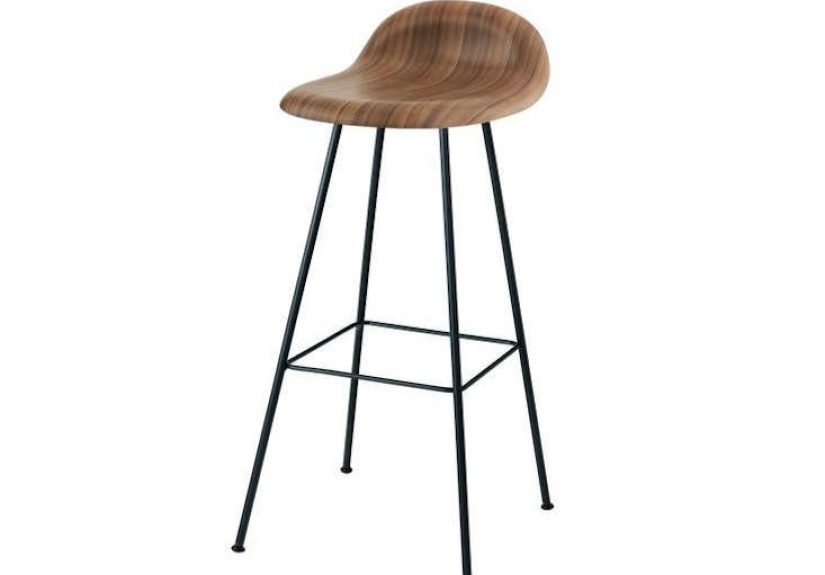
The Gubi 3FA Counter Stool is a counter-height stool with a compact, low-backed shell and a clean
center base (and yes, this specific “center base, non-stackable” detail matters if you’re buying for a café,
a rental, or a kitchen where stools get moved around constantly).
It’s part of a wider seating family that includes side chairs, bar stools, lounge seating, and related pieces. The “3FA”
label is most commonly tied to the counter-height stool variant, and the design is credited to Komplot Design.
The shell is offered in either molded 3D veneer or HiRek (polypropylene), with upholstery
options depending on the configuration.
The Design Story: Why This Stool Feels “Light” (Even When It’s Not)
The reason the 3FA looks so crisp is the geometry of the shell. In the broader GUBI 3D design language, the form is shaped so
the edges angle away from the sitter, creating a sense of visual lightness and giving your legs and hips a little more breathing
room than a hard “bucket” shape. The shell’s curves are doing two jobs at once: they make the stool look refined, and they
keep you from doing that awkward micro-wiggle people do when a seat is flat and unforgiving.
In other words, the 3FA is a “designer stool” that still understands the basic human needs of:
support, comfort, and not feeling like a folded napkin.
Materials and Finishes: Veneer vs. HiRek (and Why It Matters)
Option 1: 3D Veneer Shell
The veneer version is where this stool earns its “design nerd” reputation. A molded veneer shell gives you real wood character
(grain, warmth, depth) while keeping the profile slim and modern. Typical veneer offerings include finishes like
oak, American walnut, and black-stained beech.
Best for: kitchens that need warmth, modern spaces that risk feeling too “cold,” and anyone who wants a stool that looks better
in five years than it did on delivery day.
Option 2: HiRek (Polypropylene) Shell
If your life includes kids, pets, roommates, or that one friend who always shows up with salsa, HiRek is your low-stress pick.
The shell is designed for durability and easy cleaning, and it often comes in a curated palette (think modern neutrals and a few
punchy colors for people brave enough to commit).
Best for: high-traffic kitchens, casual dining areas, and anyone who wants “wipe-and-go” energy.
Base Finishes and the “Center Base” Look
The 3FA’s center base is typically offered in finishes like black-painted steel or chrome.
Chrome leans crisp and classic-modern; black feels architectural and blends into darker fixtures, cabinet hardware, and matte
appliances.
Dimensions and Fit: Will It Work at Your Counter?
“Counter stool” sounds obvious until you realize half the world guesses and hopes for the best. Here’s the simplest rule:
you generally want about 9–12 inches between the top of the seat and the underside of the counter.
Most kitchen counters are around 36 inches tall, which makes a seat height around 24–26 inches
the comfort zone.
The Gubi 3FA Counter Stool is built for that range. The spec information commonly lists a
seat height around 650 mm (about 25.6 inches), which is right on target for standard counters.
In other words: it’s not a “maybe.” It’s a “yes, this is what counter height means.”
Quick “Does It Fit?” Checklist
- Counter height: If your counter is ~36″, you’re in the right neighborhood.
- Legroom: Make sure you have enough knee space under the counter (especially if there’s a thick countertop edge).
- Stool spacing: Aim for ~24–30″ of width per stool so people don’t bump elbows like awkward penguins at brunch.
- Footrest comfort: A footrest isn’t optional if you plan to sit longer than five minutes.
Comfort and Ergonomics: The Surprise Benefit of a Low Back
Full-backed counter stools can look formaland they can also dominate a kitchen visually. The 3FA’s low back strikes a great
balance: it gives you a subtle “anchor” for your lower back without turning your island into a row of dining chairs in disguise.
The shell shape matters here. A contoured seat helps distribute pressure better than a flat slab, so you can perch comfortably
for coffee, homework, laptop time, or that inevitable “I’ll just stand while we talk” moment that turns into sitting anyway.
Upholstery: When It’s Worth It
If the stool is mainly for quick meals, the unupholstered shell can be perfect: clean lines, easy maintenance, and no fabric to
worry about. But if your island is the real family table, consider upholstered versions. Upholstery can soften the feel,
reduce temperature shock (goodbye, cold seat in winter), and make longer sits genuinely comfortable.
Where the Gubi 3FA Looks Best
This stool is a chameleon. The “designer” silhouette is strong, but it doesn’t force one style.
Here are some places it tends to shine:
Modern Kitchens That Need Warmth
Pair a walnut or oak shell with white cabinetry, warm metal hardware, and natural stone. The stool becomes the “human” element
that keeps the kitchen from feeling like a showroom.
Scandi-Influenced Spaces
Minimal lines, wood tones, and calm colors are basically this stool’s love language. HiRek shells in soft neutrals or wood
veneer finishes can look effortlesslike you hired a stylist, but you “just threw it together.”
Small Kitchens That Can’t Handle Visual Clutter
Because the back is low and the profile is clean, the 3FA doesn’t block sightlines. That’s a big deal in apartments and smaller
homes where heavy stools can make the entire room feel crowded.
Styling Tips That Make the Stool Look Even Better
- Match one element, not everything: Echo your hardware finish (black or chrome) and let the rest be contrast.
- Use pairs or triples: Two stools can feel intentional; three is classic for an island; four works if your island is long enough.
- Mix materials thoughtfully: Wood shell + stone counter + matte black fixtures = instant design harmony.
- Keep the palette calm: If your kitchen already has strong patterns, pick a neutral shell to avoid visual chaos.
Care and Maintenance: Keep It Looking Sharp Without Babysitting It
The general care approach is refreshingly straightforward: dust regularly, wipe with a slightly damp cloth, and use mild soap if
needed. Avoid abrasive cleaners and harsh chemicals that can dull finishes or scratch surfaces.
If you choose a veneer shell, treat it like quality wood furniture: keep it away from prolonged moisture, wipe spills promptly,
and avoid placing it in intense direct sun for long periods (sunlight is basically a slow-motion “filter” you did not request).
If you choose HiRek, you’ve basically chosen the “easy mode” version: mild soap, water, done.
Upholstery care depends on the fabric or leather you selectspot-cleaning and gentle maintenance win in the long run.
Buying Guide: How to Choose the Right Gubi 3FA Counter Stool Configuration
Step 1: Confirm You Need Counter Height (Not Bar Height)
Counter height is for ~36″ counters. Bar height is for ~40–42″ bars.
If you buy the wrong height, you won’t “get used to it.” You’ll just get annoyed forever.
Step 2: Pick Your Shell Material
- Veneer: warmer, more “furniture-like,” great for design-forward homes.
- HiRek (PP): tough, wipeable, excellent for daily chaos and frequent use.
Step 3: Decide on Upholstery Based on How You Actually Live
- Unupholstered: best for quick meals, easy maintenance, and a cleaner silhouette.
- Front upholstered: a comfort upgrade without fully committing to fabric everywhere.
- Fully upholstered: best for long sits, daily work-at-the-island life, and maximum comfort.
Step 4: Choose Base Finish With the Room in Mind
Chrome can look fantastic with stainless appliances and bright modern kitchens. Black works beautifully with matte fixtures,
darker cabinet hardware, and contemporary spaces that lean architectural.
Pros and Cons: A Realistic Take
Pros
- Design pedigree: sleek, recognizable, and genuinely well-proportioned.
- Multiple material paths: veneer for warmth, HiRek for durability, upholstery for comfort.
- Space-friendly profile: low back keeps sightlines open and rooms feeling bigger.
- Works in homes and hospitality: looks polished without screaming “formal.”
Cons
- Premium pricing: it’s designer furniture, not “grab it with groceries” furniture.
- Center base is not stackable: great for stability and aesthetics, less great for storage.
- Choosing options takes time: shell, upholstery, base finishdecision fatigue is real.
Conclusion: Is the Gubi 3FA Counter Stool Worth It?
If you want a counter stool that looks elevated without being loud, the Gubi 3FA Counter Stool is a strong pick.
It’s designed with real intention: a shell that feels refined, options that let you tailor it to your life, and proportions that
play nicely with modern kitchens. This is the kind of stool that doesn’t just “match your counter”it upgrades the whole room’s
vibe.
The biggest decision is simple: veneer for warmth or HiRek for durability.
From there, choose upholstery based on how long you actually sit, and pick a base finish that harmonizes with your fixtures.
Do that, and you’ll end up with a stool you won’t want to replace in two yearswhich, in the world of furniture, is basically
a standing ovation.
Bonus: of Real-World Experiences With the Gubi 3FA Counter Stool
When people live with the Gubi 3FA Counter Stool day-to-day, the first comment is usually about the shape.
Not in a “wow, look at my chair” waymore like, “Huh… this is oddly comfortable for something that looks this slim.”
That’s the shell doing its job. The subtle curve supports you in the places that matter, and the low back gives just enough
feedback that you don’t feel like you’re perched on a flat platform pretending to be furniture.
Another common experience: it becomes the default seat. In many homes, the dining table is for “real meals,”
but the island is where life happenscoffee, quick breakfasts, homework, laptop time, and the sacred ritual of snacking while
saying you’re not hungry. The 3FA thrives in that environment because it doesn’t visually bully the kitchen. You can leave stools
out all the time, and the room still feels clean and open.
Owners who choose the veneer shell often mention how much it changes the temperature and texture of a space.
A kitchen with stone counters, glossy cabinets, and stainless appliances can lean cold. Adding wood at seating height introduces
warmth where people actually interact. It’s not just an aesthetic difference; it’s a “this room feels nicer to be in” difference.
Meanwhile, HiRek fans talk about the relief of not panicking when someone spills something. A quick wipe and you’re back to
living your lifeno dramatic slow-motion reach for coasters.
Comfort-wise, the best feedback tends to come from households that use the island as a second workspace. With a footrest and the
right counter clearance, sitting for 20–40 minutes feels normal. Past that, it’s still a stoolso people who plan to linger for
hours sometimes prefer an upholstered version. That’s also where the “front upholstered” option earns praise: you get a softer
contact point without turning the stool into a fabric-covered commitment that you’ll worry about every day.
One more experience that pops up: the 3FA makes your kitchen look more “finished.” Even if the rest of the room is simple, a
well-designed counter stool acts like punctuation at the end of a sentence. It signals that someone made intentional choices.
And if you’ve ever wanted your kitchen to feel like it belongs in a design magazinewithout actually living like a design
magazinethe Gubi 3FA is the kind of piece that helps you get there.