Table of Contents >> Show >> Hide
- What Are Goat Hair Corner Brushes?
- Why Goat Hair Works So Well
- Where Goat Hair Corner Brushes Shine
- How to Use a Goat Hair Corner Brush Properly
- How to Choose a Good Goat Hair Corner Brush
- Caring for Goat Hair Corner Brushes
- When a Goat Hair Corner Brush Is Not the Right Tool
- Are Goat Hair Corner Brushes Worth It?
- Practical Experiences With Goat Hair Corner Brushes
- Conclusion
Some cleaning tools are all business. Others look like they wandered out of a design shop, sipped an oat-milk latte, and still somehow cleaned better than the plastic gadget you bought in a panic at aisle seven. Goat hair corner brushes belong firmly in the second camp. They are soft, oddly elegant, surprisingly practical, and very good at dealing with the dusty little conspiracy happening in the corners of your home.
If you have ever stared at a cobweb in the ceiling corner and thought, “I should do something about that,” then immediately continued living your life for three more weeks, this brush category deserves your attention. Goat hair corner brushes are designed to dust delicate, awkward, hard-to-reach areas without scratching paint, wood, glass, lamps, art, electronics, trim, or decorative objects. In other words, they are for the spaces that attract dust like it is paying rent.
This guide breaks down what goat hair corner brushes are, why they work, where they shine, how to use them well, how to care for them, and whether they are actually worth adding to your cleaning routine. Spoiler: if your home has molding, shelves, corners, picture frames, or objects you do not want to attack with a harsh scrubber, the answer is probably yes.
What Are Goat Hair Corner Brushes?
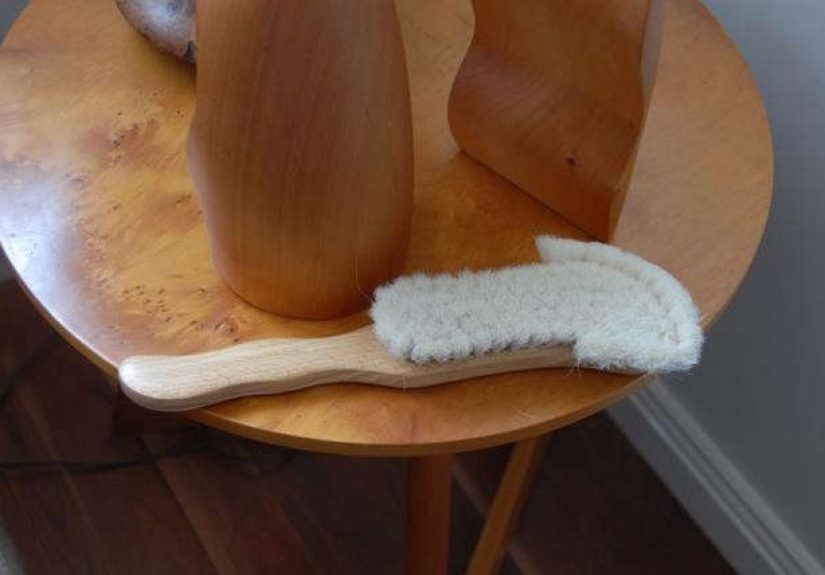
A goat hair corner brush is a soft-bristled dusting brush made with natural goat hair and shaped to reach edges, angles, and narrow corners more easily than a regular flat duster. Many designs feature an angled head, tapered shape, or sculpted handle that makes the brush easier to guide into ceiling corners, window frames, cabinet edges, baseboards, trim, and decorative grooves.
Unlike stiff scrub brushes, these are not built for aggressive grime removal. They are dusting tools first. Think dry dust, light debris, cobwebs, fine particles, and the weird gray fluff that appears on top of frames as if summoned by ancient household magic. Their appeal comes from a combination of softness and control: the bristles are gentle enough for delicate surfaces, but still nimble enough to pull dust out of little architectural traps.
That combination is exactly why the brush has become a niche favorite among people who care about both cleanliness and surfaces that are easy to damage. It is a small thing, but it solves a real annoyance: dust in places your hand, cloth, or bulky duster never reaches neatly.
Why Goat Hair Works So Well
1. It is extremely soft
The biggest selling point is the softness. Goat hair bristles are prized because they are much gentler than stiff synthetic scrub bristles. That matters when you are dusting painted trim, glass, polished wood, lamp bases, framed artwork, screens, piano finishes, mirrors, marble-adjacent areas, or decorative objects you would rather not scratch in the name of cleanliness.
Plenty of cleaning jobs do not need force; they need finesse. A goat hair corner brush is the cleaning equivalent of a polite guest. It gets in, picks up the mess, and does not leave chaos behind.
2. It handles fine dust better than you might expect
Soft natural bristles can sweep up very fine particles with a light touch. That makes them useful for dry dusting where you want control rather than brute strength. On delicate surfaces, that matters more than people realize. The wrong tool can scatter dust into the air, smear it around, or grind grit against a finish. A good soft brush encourages a lighter, more precise motion.
3. It reaches awkward geometry
Corners are the natural habitat of household dust. Ceiling lines, crown molding, window casings, cabinet tops, stair spindles, lamp pleats, carved frames, and wall edges all collect particles because they are annoying to wipe and easy to ignore. A corner brush solves this by pairing soft bristles with a shape designed for angles. Instead of wrestling a cloth into a tight spot, you guide the brush and let the bristles do the fiddly work.
4. It feels better to use
This sounds minor until you have used one. A well-made brush with a comfortable handle and balanced head makes dusting less awkward. You are more likely to reach for it for quick maintenance, and quick maintenance is what keeps dust from evolving into a full-scale archaeological layer.
Where Goat Hair Corner Brushes Shine
These brushes are not universal miracle tools, but they are excellent in the right places. Here is where they earn their keep:
Ceiling corners and crown molding
For cobwebs and light dust, this is prime territory. The angled or tapered shape lets you reach the seam where wall meets ceiling without scraping paint or flinging dust around like a dramatic stage effect.
Window frames, sills, and trim
Before deeper cleaning, a soft corner brush can loosen dry dust and debris from edges, tracks, sashes, and trim details. It is especially helpful when you want a first pass before bringing in a damp cloth or vacuum attachment.
Bookshelves, frames, and decor
Picture frames, carved details, ceramics, lamps, and shelves full of objects are often easier to dust with a soft brush than with a cloth. A cloth can snag, drag, or knock things over. A brush can weave between items like it has read the room.
Lampshades and pleated surfaces
Delicate shades are often the moment when people realize not every dusting tool deserves equal trust. Soft bristles can get into seams, folds, and edges without flattening or stressing the material.
Electronics and keyboards
Some goat-hair brushes are specifically marketed for electronics because soft, anti-static natural bristles are useful around keyboards and delicate equipment. A compact version is especially handy here, though you should still use a light touch and follow the manufacturer’s care recommendations for your devices.
Plants and decorative surfaces
Yes, plants count. Dusty leaves are real, and soft brushes are often preferred for gently removing surface dust from large leaves or delicate décor that hates rough handling. It is one of those oddly satisfying chores that makes you feel like you are living in a calmer, better-organized universe.
How to Use a Goat Hair Corner Brush Properly
Using one is not complicated, but technique matters if you want to remove dust instead of just relocating it to a nearby zip code.
Start high and work down
Dust falls. Gravity remains undefeated. Begin with ceiling corners, shelves, picture frames, and upper trim, then move downward to lower surfaces and floors.
Use light, deliberate strokes
This is not a scrubbing brush. Sweep lightly and let the bristle tips do the work. Pressing too hard does not help; it just bends the hairs and reduces control.
Pair it with a vacuum or cloth
For the cleanest result, use the brush to loosen or gather dust, then follow with a microfiber cloth or vacuum attachment nearby. This is especially smart if you are dealing with allergies, fine dust, or a room that has not been touched since approximately the Bronze Age.
Use it dry for most jobs
Goat hair corner brushes are primarily dry-dusting tools. Save wet cleaning for surfaces that need it after the dust is removed. If you introduce moisture too early, fine dust can become a paste, and no one needs that kind of emotional setback.
How to Choose a Good Goat Hair Corner Brush
Not all brushes are created equal. Some are beautiful and effective. Others are mostly decorative with delusions of usefulness. Here is what to look for:
Soft, dense bristles
A good brush should feel silky rather than scratchy. Dense bristles usually perform better because they offer more contact with the surface and better control of fine dust.
Angled or tapered shape
If the point of the brush is corner work, the shape matters. Look for a head that can actually fit into tight angles, not just a generic oval shape trying to rebrand itself.
A comfortable handle
A sculpted wooden handle is not just about looks. It makes quick dusting easier, especially when you are reaching upward or trying to get into a narrow edge without knocking over nearby objects.
Thoughtful craftsmanship
Many premium goat hair brushes are handmade and meant to last a long time with proper care. If the bristles are shedding excessively or the handle feels cheap, that is usually not a great sign.
The right size for your space
A larger brush works well for ceiling corners and open trim, while a smaller one is better for frames, electronics, bookshelves, and decor. If you have a compact home full of objects, smaller often wins.
Caring for Goat Hair Corner Brushes
Natural-bristle tools need gentler care than all-plastic cleaning gadgets. The good news is that maintenance is simple.
Shake out dust after use
After dusting, take the brush outside or over a trash bin and gently shake or tap out loose particles. This keeps the bristles from compacting with dust over time.
Wash only when needed
If the brush starts looking dull or grimy, wash the bristles gently with mild soap or a small amount of gentle shampoo and lukewarm water. Avoid soaking wooden handles longer than necessary.
Dry it carefully
Press out excess moisture with a towel, reshape the bristles, and let the brush air-dry fully before storing it. Do not toss it in the dishwasher and do not rush the process with high heat. Natural bristles and wood both prefer less drama.
Store it where the bristles stay protected
Hang it or place it where the hairs will not be crushed. A beautifully made brush lasts longer when it is not crammed into a drawer with rogue tools and mystery batteries.
When a Goat Hair Corner Brush Is Not the Right Tool
As lovely as these brushes are, they are not the answer to every mess. They are not made for heavy scrubbing, sticky spills, greasy kitchen buildup, wet bathroom grime, or mud tracked in by shoes, pets, or a child returning from an adventure that should probably remain legally vague.
If you are dealing with caked-on dirt, soap scum, or grease, use a scrub brush or an appropriate cleaner first. The goat hair brush is for finishing, maintenance, and delicate dry cleaningnot combat.
Are Goat Hair Corner Brushes Worth It?
For the right household, yes. They are especially worthwhile if you care about delicate finishes, have lots of molding or decor, own framed art, dust electronics regularly, or simply appreciate tools that do one job very well. They are not the cheapest cleaning brush on the market, but they are often more durable, more precise, and more pleasant to use than disposable dusters or scratchy budget brushes.
There is also something undeniably satisfying about using a tool that feels intentional. A goat hair corner brush turns dusting from a rushed chore into a strangely refined ritual. You notice details. You clean more gently. You stop treating every surface like it offended you personally.
And that, honestly, is part of the appeal. Good tools change behavior. When a brush is easy to grab and actually works, you use it more often. More frequent light dusting means less buildup, less frustration, and fewer moments where sunlight hits the room just right and reveals the full extent of your neglect.
Practical Experiences With Goat Hair Corner Brushes
The most common experience people have with goat hair corner brushes is surprise. At first glance, the tool looks almost too soft to be useful, like something better suited to a still-life painting than a cleaning routine. Then it touches a dusty frame, a ceiling edge, or a lamp pleat, and suddenly the point becomes very clear. It does not bulldoze dirt. It coaxes dust out gently, which is often exactly what delicate surfaces need.
In real use, one of the first noticeable differences is control. With a microfiber cloth, you often need your whole hand behind the movement, which can be awkward around small objects or narrow trim. With a goat hair corner brush, the bristle tips get into the space while your hand stays at a comfortable angle. That makes a huge difference around bookshelves, window trim, decorative molding, and framed art. Instead of shifting five things just to clean around one, you can often dust in place.
Another common experience is that the brush encourages more frequent cleaning because it feels easy to use. You do not need to set up a whole project. You see a dusty corner, grab the brush, make a few light passes, and move on. That sounds almost silly until you realize how many chores become manageable simply because the tool removes friction. The brush is right there, the job takes thirty seconds, and now the room looks better.
People also notice that delicate materials feel safer. Lampshades are a great example. Plenty of dusting tools either do too little or too much. A rough cloth can drag. A disposable duster can feel flimsy. A vacuum can be too aggressive if you are not careful. A soft goat hair brush lands in a sweet spot: gentle enough to use lightly, but structured enough to actually reach seams, folds, corners, and textured details.
There is also a visual satisfaction that comes with using one. Fine dust on dark wood, black frames, glossy decor, and mirror edges tends to vanish quickly with the right soft brush. It is a small, immediate win. The room looks sharper. The trim looks intentional again. Even the top of a picture frame stops looking like it has been storing emotional baggage.
Of course, experience also teaches what the brush is not. It is not for greasy residue, sticky buildup, or wet messes. If you try to make it do the job of a scrub brush, it will politely refuse by being the wrong tool. But for regular maintenance, it is excellent. Many people end up using it in a rhythm: brush first, microfiber or vacuum second, done.
Perhaps the most interesting long-term experience is that the brush changes the way you see dust-prone areas. Once you have a tool that can easily clean crown molding, ceiling seams, bookshelves, plants, and trim, you start noticing those areas more. Not in a stressful waymore in a “well, I can fix that in ten seconds” way. And that may be the real charm of goat hair corner brushes. They make picky cleaning feel less picky and more practical.
Conclusion
Goat hair corner brushes are one of those quietly brilliant tools that solve a specific problem with far more grace than expected. They are soft, precise, kind to delicate surfaces, and especially useful in corners, edges, trim, and detailed areas where ordinary dusters struggle. They will not replace every cleaning tool you own, but they do not need to. Their job is to handle the dusty places that usually get ignored or treated too harshly.
If your home includes molding, frames, shelves, lamps, plants, electronics, or decor you would rather clean carefully than aggressively, a goat hair corner brush makes a strong case for itself. It is practical, pleasant to use, and just fancy enough to make dusting feel less like a punishment and more like a clever life decision. For a humble brush, that is not bad at all.