Table of Contents >> Show >> Hide
- Why This Glazed Bacon-Wrapped Turkey Breast Works
- Ingredients That Matter (and What They’re Doing)
- Step-by-Step: How to Make Glazed Bacon-Wrapped Turkey Breast
- Temperature, Timing, and the Thermometer Truth
- How to Keep the Bacon Crisp and the Glaze Shiny (Not Burnt)
- Flavor Variations (Same Method, Different Mood)
- What to Serve With Glazed Bacon-Wrapped Turkey Breast
- Leftovers: The Next-Day Sandwich That Will Spoil You
- FAQ
- Home-Cook Experiences: What Usually Happens (and How to Win Anyway)
- Conclusion
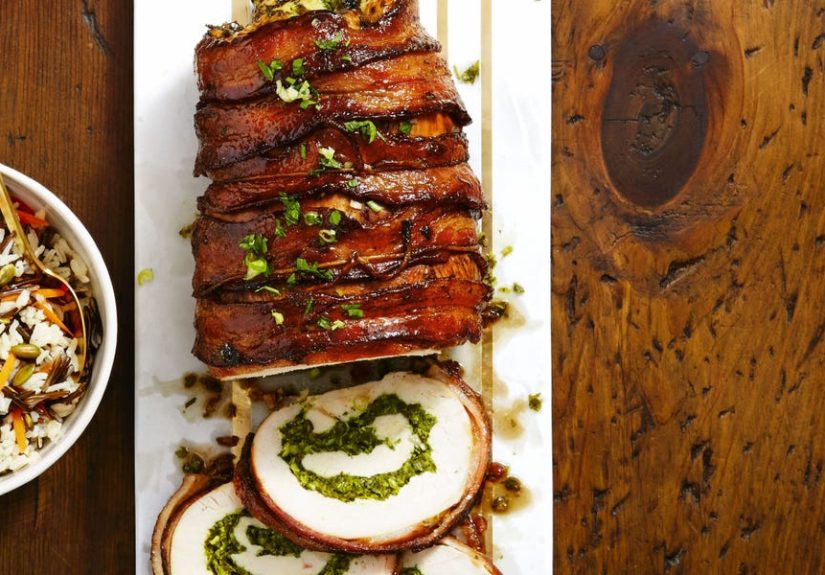
If turkey breast has a reputation for being “healthy” in the same way printer paper is “exciting,” this recipe is here to fix that. We’re talking about a boneless turkey breast rolled up with a herby green-onion-parsley filling, wrapped in a thick-cut bacon blanket, then lacquered with a maple–balsamic–brown sugar glaze that looks like it belongs under museum lighting. It’s the kind of main dish that makes people hover near the oven like they’re “just checking something” (they’re checking the bacon).
This is a modern holiday move: all the cozy drama of a roast, without committing to a whole bird that requires a carving degree and a pep talk. Plus, it’s built for real lifeweeknight-friendly techniques, make-ahead flexibility, and a flavor profile that’s equally at home on Thanksgiving, Sunday dinner, or a random Tuesday when you’ve decided you deserve nice things.
Why This Glazed Bacon-Wrapped Turkey Breast Works
- Even cooking, fewer dry spots: Butterflying and pounding the breast to an even thickness means the whole roll cooks at the same pace. No more “juicy in the middle, Sahara on the edges.”
- The herb layer is flavor insurance: Green onions, parsley, olive oil, and garlic become a fresh, savory paste that perfumes the meat from the inside. It’s like a built-in sauce that doesn’t slide off your slice.
- Bacon does bacon things: It bastes, it shields, it adds salt and smoke, and it convinces picky eaters that turkey is, in fact, worth showing up for.
- The glaze balances sweet + tang: Brown sugar brings caramel notes, maple syrup adds warm sweetness, and balsamic vinegar keeps everything from turning into “dessert meat.”
Ingredients That Matter (and What They’re Doing)
Boneless turkey breast (4–5 pounds)
A boneless breast is the easiest path to a neat, sliceable roll. If it comes with a tenderloin attached, don’t panicthis method folds it back and evens it out so it cooks nicely. Choose a breast with a fairly uniform shape if you can; it makes rolling less like wrestling a sleeping bag.
Green onions + parsley + olive oil + garlic
This combo becomes a bright, savory filling that cuts through the richness of bacon and glaze. Olive oil helps the mixture spread and keeps the interior juicy. Parsley brings freshness; green onions bring gentle bite; garlic brings… garlic (which is basically a love language in food form).
Thick-cut bacon
Thin bacon can shrink hard and leave gaps. Thick-cut bacon overlaps better and is more likely to crisp without disintegrating into bacon confetti. Overlap the slices slightly like shingles on a roofyour goal is coverage, not a single layer of bacon that pulls apart the second it gets warm.
Dark brown sugar + balsamic vinegar + maple syrup
The glaze is a three-ingredient cheat code: sweet, tangy, glossy. Dark brown sugar adds deeper molasses notes than light brown sugar. Balsamic brings acidity (and helps the sweetness taste intentional, not accidental). Maple syrup rounds it out with warmth and a subtle woodsy vibe.
Step-by-Step: How to Make Glazed Bacon-Wrapped Turkey Breast
This method is inspired by classic test-kitchen logic: prep for even thickness, build flavor inside, protect the outside with bacon, and finish with a glaze that turns “roast turkey breast” into “why is everyone taking pictures of the turkey?”
- Preheat and set up the pan.
Heat your oven to 375°F. Line a roasting pan with foil (future-you will be grateful), and set a rack inside. The rack keeps heat circulating so the bacon roasts instead of steaming.
- Butterfly and even out the turkey.
Place the breast smooth-side down. If there’s a tenderloin attached, cut along one side of it to separate it from the main breast (without fully removing it), then fold it back. Repeat on the other side if needed. Cover the turkey with plastic wrap and pound it to about 1 inch thick all over. This step is less about aggression and more about geometry: even thickness = even cooking.
- Season and spread the herb filling.
Sprinkle the surface with salt. In a food processor, pulse green onions, parsley, olive oil, and garlic until finely chopped. Spread the herb mixture evenly over the turkey. You want full coverage so every slice gets the good stuff.
- Roll it up tight (like you mean it).
Starting from a short side, roll the breast into a tight log. Place it seam-side down. A tight roll helps it hold shape and slice cleanly, and it keeps the herb layer where you put it instead of wandering off mid-roast.
- Wrap with bacon and tie.
Drape bacon slices over the turkey roll, overlapping slightly. Tuck the ends underneath. Tie the roast with kitchen string at about 1½-inch intervals. This keeps the bacon snug and the roll compact.
Make-ahead bonus: At this point, you can wrap the whole thing tightly and refrigerate it overnight. That’s holiday-host energy right there.
- Roast: phase one.
Transfer the turkey to the rack. Add about 4 cups of water to the bottom of the pan (below the rack). Roast for 45 minutes. The water helps prevent smoky sugar drips from turning into a burnt-on situation and keeps the pan environment a bit gentler.
- Make the glaze and roast: phase two.
While the turkey roasts, whisk together dark brown sugar, balsamic vinegar, and maple syrup. After 45 minutes, brush the glaze over the turkey. Roast for another 45 minutes, basting with more glaze every 15 minutes. The repeated brushing builds a glossy, sticky shell without dumping all the sugar on at once.
- Rest, slice, and accept compliments.
When the turkey is cooked through (see temperature notes below), loosely tent with foil and rest for about 20 minutes. Remove the strings, then slice into medallions. The spiral of green herbs inside makes it look like you worked harder than you did. (No need to correct anyone.)
Temperature, Timing, and the Thermometer Truth
What internal temp should turkey breast be?
For food safety, U.S. guidance commonly points to 165°F as a safe minimum internal temperature for poultry. That said, many test kitchens and thermometer-focused cooking guides emphasize that turkey breast stays noticeably juicier when you avoid overshootingoften by pulling it a little earlier and letting carryover heat finish the job during the rest.
Practical approach (choose your comfort level): Either cook until the thickest part of the breast hits 165°F, or pull in the 160°F neighborhood and rest well so carryover cooking brings it up and juices redistribute. If you’re cooking for a crowd that includes pregnant guests, older adults, or anyone immunocompromised, stick with the more conservative target.
Where to place the thermometer (so it tells the truth)
Insert the thermometer into the thickest part of the turkey without touching the pan or hitting dense spots of stuffing/filling. Because this roast is wrapped in bacon, it’s often easiest to insert the probe from the side toward the center of the meat. Check a couple of spotsyour goal is confidence, not vibes.
How long does it take?
Expect roughly about 90 minutes of roasting time for a 4–5 lb rolled breast using the two-phase method above. But treat the clock as a suggestion and the thermometer as the boss. Ovens vary, turkey shapes vary, and bacon has never once cared about your schedule.
How to Keep the Bacon Crisp and the Glaze Shiny (Not Burnt)
- Use a rack: Elevation encourages air flow, which helps the bacon roast instead of braise.
- Overlap bacon like shingles: Gaps expand as bacon shrinks. Overlap now so you don’t end up with turkey “windows.”
- Control sugar color: If the glaze is getting too dark before the turkey is done, loosely tent with foil. Sugar can go from “caramel” to “campfire” fast.
- Finish with a quick broil if needed: If the turkey is done but the bacon looks pale, a very brief broil can crisp it. Stay closebroilers are dramatic.
- Rest matters: Resting isn’t just politeness; it helps the roast slice cleanly and keeps juices from flooding the cutting board.
Flavor Variations (Same Method, Different Mood)
- Spicy-maple glaze: Add a pinch of cayenne or a little hot sauce to the glaze for sweet heat.
- Mustard-maple tang: Whisk in a spoonful of Dijon to sharpen the glaze and lean into that bacon-friendly flavor.
- Citrus-herb filling: Add lemon zest to the herb paste for brightness, especially nice if you’re serving heavier sides.
- Bourbon-ish depth (non-alcoholic option too): Swap a small splash of bourbon into the glaze or use a tiny bit of vanilla for warmth.
What to Serve With Glazed Bacon-Wrapped Turkey Breast
This roast is sweet-savory-rich, so sides that bring acidity, crunch, or earthiness play best: roasted Brussels sprouts, green beans with lemon, a sharp arugula salad, mashed potatoes, cornbread stuffing, cranberry sauce that actually tastes like cranberries, or anything with a little bite to keep the glaze from stealing the whole show.
Leftovers: The Next-Day Sandwich That Will Spoil You
Slice leftovers thin and stack them on toasted bread with a smear of Dijon, crunchy pickles, and a little arugula. Or dice turkey into a skillet hash with potatoes and onions. Store leftovers chilled and reheat gentlyturkey breast prefers a warm-up, not a punishment. The glaze also makes a surprisingly good “pan sauce” when loosened with a splash of warm stock.
FAQ
Do I need a food processor?
It helps, but you can finely chop the herbs and garlic by hand and stir with olive oil. The key is getting it spreadable so it stays in an even layer.
Can I prep this the night before?
Yes. Assemble, wrap tightly, and refrigerate overnight. Roast the next day. It’s the kind of make-ahead move that makes hosting feel suspiciously calm.
What if my bacon shrinks and slides?
That’s normal bacon behavior. Overlap the slices, tuck the ends under, and tie the roast snugly. If a slice pulls back a bit during roasting, it’s not a failureit’s just bacon being bacon.
My glaze looks thickdid I mess up?
Thick is good. It should brush on like a glossy syrup. If it feels too stiff to spread, warm it for a few seconds (or whisk in a teaspoon of water).
Home-Cook Experiences: What Usually Happens (and How to Win Anyway)
When people make a glazed bacon-wrapped turkey breast for the first time, the story tends to go like this: confidence at the grocery store, a tiny moment of panic while rolling, then a sudden surge of pride when it comes out looking like a holiday centerpiece that could charge admission. The “experience” of this recipe is mostly a series of small, solvable surprisesso here are the ones home cooks report most often, with fixes that keep the mood festive.
Surprise #1: The turkey breast isn’t perfectly symmetrical. That’s normal. Turkey breasts are not manufactured; they’re harvested from actual animals that did not live their lives preparing to be roulades. The butterflying-and-pounding step is your equalizer. If one end is thicker, give it a few extra gentle pounds until the whole thing is roughly even. Don’t aim for “perfect rectangle.” Aim for “rolls without a fistfight.”
Surprise #2: The herb filling wants to escape. It can, especially if you spread it too close to the edges. Leaving a small border (think: half an inch) helps. Also, rolling tightly matters more than people expect: a loose roll creates air gaps, and air gaps create filling migration. If a little herb paste squeezes out, wipe it away and keep goingno one gets a medal for “cleanest roulade,” and the flavor is still there.
Surprise #3: Bacon has opinions about gravity. As bacon warms, it shrinks. That’s why overlapping slices and tying the roast are non-negotiable. A common first-timer move is using too few ties, which lets the bacon relax and slide. Use enough string to keep the roll snug. If you’re worried, you can secure a few bacon ends with toothpicksjust count them like you count skewers at a barbecue, so you’re not playing “find the toothpick” at the table.
Surprise #4: The glaze looks like it’s getting dark fast. Sugar caramelizes, and ovens run hot. If you see the glaze going from “mahogany” to “this might become a smoke detector audition,” tent loosely with foil. The foil doesn’t ruin the glaze; it protects it. You can always remove the foil for the last few minutes to re-gloss the surface. And remember: basting in smaller layers every 15 minutes builds shine without overloading sugar early.
Surprise #5: Thermometer placement feels weird with bacon in the way. Totally. The best trick is to insert from the side, aiming for the thickest center of the turkey meat, not the herb layer and not the bacon. People often poke straight down through bacon and end up reading bacon-fat heat instead of turkey doneness. Side-entry gives a more reliable read. If you’re nervous, check two spots and go with the lower number.
Surprise #6: Everyone hovers. This roast makes the kitchen smell like sweet smoke and herbs, and that has a magnetic effect on humans. If you want to feel like a professional host, put out something crunchy and salty (nuts, pickles, chips and dip) to keep the crowd from opening the oven “to look.” Every oven-door peek steals heat, and the turkey does not appreciate performance anxiety.
The real joy of this recipe is how it turns into a “signature” dish quickly. After one run, you’ll know exactly how your oven behaves, whether your family likes extra glaze, and whether you need to add “kitchen string” to the permanent grocery list. The second time you make it, you’ll look calm. The third time, someone will say, “You’re making that turkey, right?”and that’s when you’ll realize you accidentally became the turkey person.
Conclusion
Glazed bacon-wrapped turkey breast is the sweet spot between impressive and doable: juicy slices, crisp bacon, and a glaze that tastes like the holidays decided to dress up. Follow the roll-and-roast rhythm, trust your thermometer, and don’t be shy with the resting time. The payoff is a centerpiece that feels special without requiring you to spend the day negotiating with a 14-pound bird.